How Chronic Health Conditions Can Impact Your Fitness Journey

- All of our content is written by humans, not robots. Learn More
If you have ever started a fitness routine while managing a health condition, you are not alone. Many people want to feel stronger, move better, or improve their energy levels, even while dealing with ongoing health concerns. Conditions like diabetes, high blood pressure, asthma, or joint pain are more common than most people think. These conditions do not mean fitness is off the table. They simply mean the journey may look different.
Fitness is not only about lifting heavier weights or running faster. It is about improving your quality of life in a way that works with your body, not against it. Understanding how chronic health conditions affect exercise can help you train smarter and stay consistent. When you know what to expect, it becomes easier to make choices that support long-term progress and overall well-being.
Understanding How Medical Oversight Supports Safe Fitness
Before starting or changing a fitness routine, medical guidance plays an important role, especially for people managing long-term health conditions. Many patients work with primary care providers who help them understand how exercise fits into their overall health plan. Family nurse practitioners are often part of this process, since they regularly support patients with chronic conditions and ongoing care needs.
As part of the role of a family nurse practitioner, they help monitor medications, track symptoms, and explain how lifestyle changes like physical activity can affect the body. This type of guidance helps people approach exercise with more confidence and fewer risks. Instead of guessing what feels safe, individuals can make informed decisions based on their health status.
Family nurse practitioners also help patients recognize warning signs, manage flare-ups, and set realistic activity levels. Their input can make it easier to choose exercises that support progress without adding unnecessary strain. When medical insight connects with fitness planning, people often feel more comfortable staying active and consistent over time.
Common Chronic Health Conditions That Affect Fitness
Several chronic health conditions can influence how the body responds to exercise. Diabetes can affect blood sugar levels during and after workouts, which may impact energy and recovery. High blood pressure and heart conditions can change how hard the body should work during physical activity. Joint issues like arthritis may limit the range of motion or cause discomfort during certain movements.
Asthma and other breathing conditions can affect endurance and recovery time. Thyroid disorders can influence metabolism, fatigue, and strength levels. Each condition presents unique challenges, and no two people experience them in the same way. Understanding how a specific condition affects the body helps create a fitness approach that feels sustainable instead of overwhelming.
If you truly want to dive into your health and understand any chronic conditions a Superpower blood test is a great place to start.
How Chronic Conditions Can Change Energy and Recovery
One of the most common challenges people face when training with a chronic condition is reduced energy. Fatigue can appear even after light workouts, and recovery may take longer than expected. Some days may feel productive, while others may feel more difficult for no clear reason. These fluctuations can feel frustrating, especially when progress seems slow.
Recovery also looks different when managing a health condition. Muscles may take longer to bounce back, and rest days become just as important as training days. Paying attention to sleep, hydration, and stress levels becomes essential. Learning to respect recovery needs helps prevent burnout and injury, making it easier to stay consistent over time.
Adjusting Workout Intensity and Expectations
Training intensity often needs adjustment when chronic conditions are involved. This does not mean workouts must be easy or ineffective. It means intensity should match current capacity. Starting slower allows the body to adapt without added stress. Gradual progress builds confidence and reduces the risk of setbacks.
Expectations also matter. Progress may come in smaller steps, and that is completely normal. Consistency often matters more than pushing hard. Shorter workouts performed regularly can deliver better results than intense sessions that lead to exhaustion or injury. Fitness should support health, not compete with it.
The Mental Side of Training With a Health Condition
The mental side of fitness often feels just as challenging as the physical side. People managing chronic conditions may feel frustrated when progress feels slow or unpredictable. Motivation can dip when symptoms interfere with workouts or routines. These feelings are common and understandable.
Mental health plays a key role in physical progress. Stress, anxiety, and discouragement can affect energy, focus, and consistency. Acknowledging these emotions helps reduce their impact. Building patience and self-awareness supports long-term success. Fitness should feel empowering, not discouraging.
Why Communication Matters in Your Fitness Plan
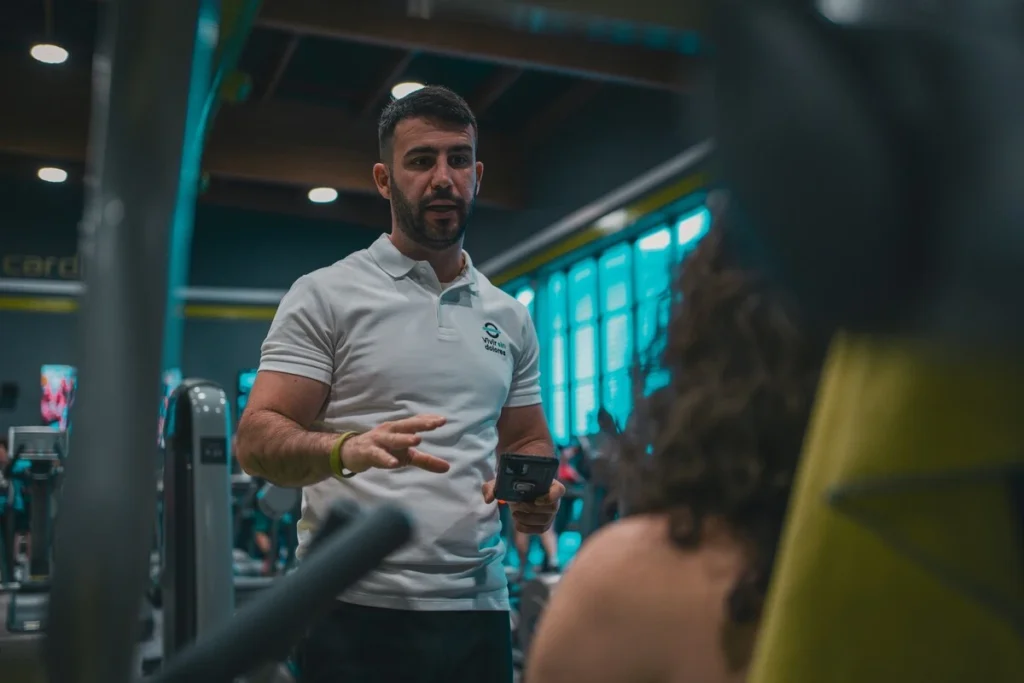
Open communication improves safety and results. Sharing health information with fitness professionals helps them design appropriate programs. Trainers and coaches can adjust exercises, intensity, and recovery plans when they understand a client’s needs. This communication builds trust and reduces risk.
Coordinated care between fitness professionals and healthcare providers supports better outcomes. When everyone works with the same information, fitness plans feel more personalized and realistic. This approach helps people feel supported instead of pressured, which improves consistency and confidence.
Making Fitness Sustainable for the Long Term
Sustainable fitness focuses on habits rather than quick results. Small, consistent actions often create the biggest changes. Flexibility matters, especially when health conditions cause unexpected changes in energy or symptoms. Adjusting workouts without guilt helps maintain momentum.
Progress does not need to look perfect. Some weeks may feel stronger than others. The goal is to keep moving forward in a way that supports health and daily life. Fitness becomes more enjoyable when it adapts to the body instead of forcing the body to adapt to rigid plans.
Chronic health conditions can influence how the body responds to exercise, but they do not prevent meaningful progress. With the right understanding, support, and expectations, fitness can remain a powerful tool for improving strength, energy, and confidence. Paying attention to the body, seeking guidance when needed, and staying consistent with realistic goals make a lasting difference. Fitness works best when it fits into life, supports health, and grows with you over time.

Eddie Lester
Read more from the category

How to Stay Safe During Outdoor Fitness: Tips for Runners

Is Running an Effective Sport for Diabetes Control?