How Exercise Guidance Changes with Complex Health Needs


- All of our content is written by humans, not robots. Learn More
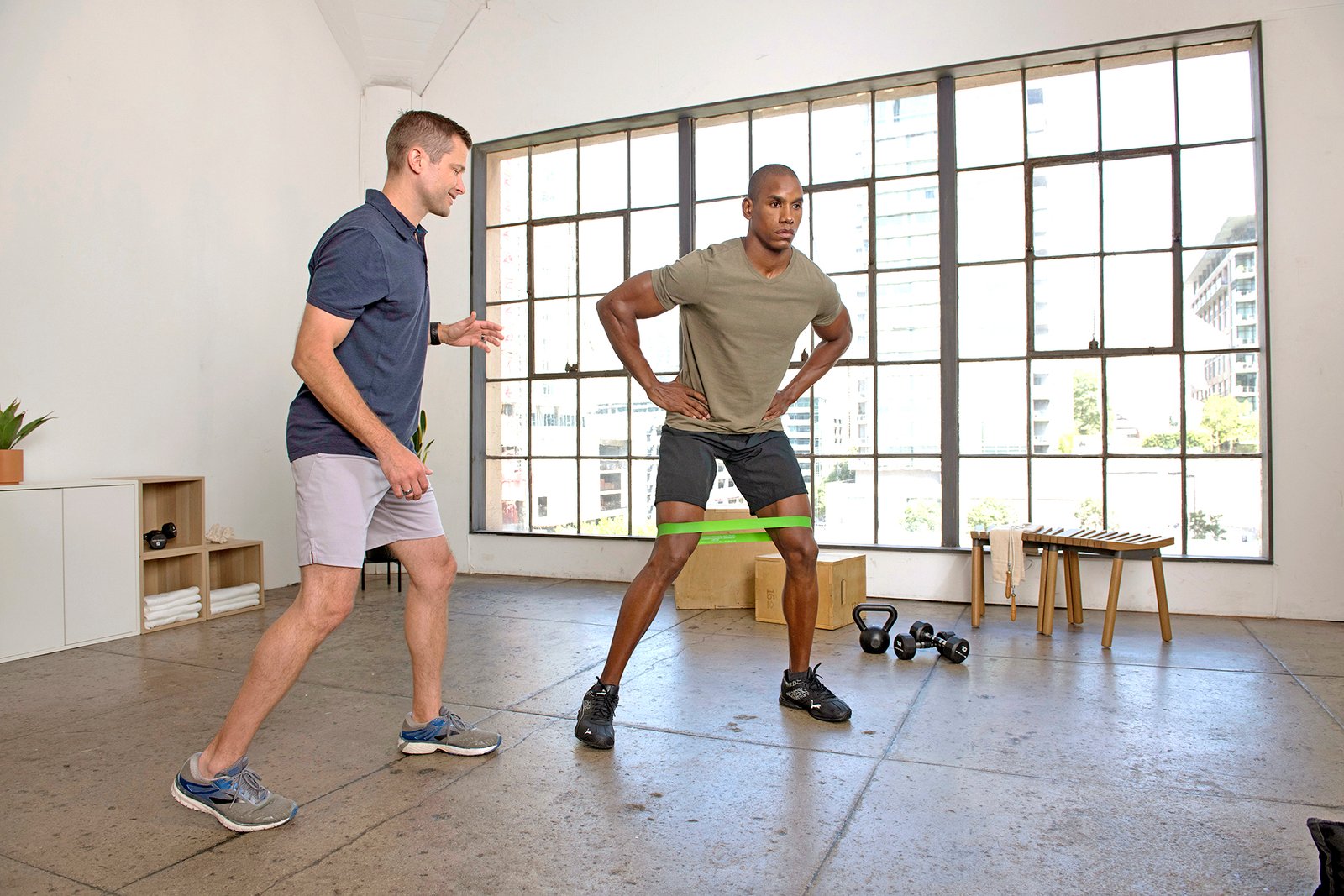
Exercise guidance looks incredibly different once health needs become layered. Many people manage more than one diagnosis, take multiple medications, or require regular monitoring that affects how their bodies respond to movement. In such situations, exercise stops being a standalone activity and becomes part of a coordinated care approach. Decisions about movement carry real implications for safety, recovery, and daily function.
As healthcare has grown more complex, exercise guidance has followed the same path. Programs now rely on clinical input, ongoing observation, and patient-specific data. This evolution places medically trained professionals closer to the center of exercise decision-making. Instead of relying on generalized routines, guidance adapts to changing health markers, tolerance levels, and individual capacity. Exercise becomes a supported process shaped by clinical awareness rather than a fixed prescription.
Clinical Oversight
Exercise guidance rooted in clinical oversight provides a level of structure that generic plans cannot offer. When individuals have complex health needs, movement decisions require knowledge of diagnoses, treatment plans, and potential risks. Clinical oversight allows exercise to be adjusted in response to symptoms, lab results, and recovery status. This approach protects patients while still supporting physical engagement.
Nurses play a critical role in this process. Their training allows them to interpret health data, recognize early warning signs, and guide patients toward appropriate activity levels. As nurses expand their scope through advanced education, their ability to integrate movement guidance into care improves. Pursuing a DNP degree online allows nurses to build advanced clinical and leadership skills while continuing to work in patient-facing roles. Online programs provide flexibility, access to evidence-based training, and opportunities to strengthen decision-making in complex care environments where exercise guidance must align with broader health priorities.
Safety Thresholds
Training approaches built around safety thresholds recognize that physical capacity varies daily for individuals with complex health profiles. Safety thresholds define boundaries for heart rate, exertion, pain, and fatigue. Such limits help guide exercise decisions in real time, reducing the likelihood of setbacks or complications.
For example, a patient undergoing treatment that affects cardiovascular response may follow specific exertion ranges rather than intensity targets. Staying within defined thresholds supports participation without overwhelming the body. Safety-based training prioritizes awareness and control, allowing individuals to remain active while respecting physiological limits that may change over time.
Balanced Progress
Guidance that balances progress with caution focuses on steady engagement rather than aggressive advancement. Progress occurs through consistency, gradual adaptation, and close attention to physical response. This approach values participation as much as measurable gains.
In practice, this might involve maintaining a consistent movement routine while adjusting duration or resistance based on tolerance. Clinicians and exercise professionals track how the body responds across sessions. Progress is recognized through improved comfort, endurance, or recovery patterns. Balanced guidance supports confidence by reducing fear around movement while maintaining clinical responsibility.
Medical Monitoring
Movement strategies adjusted for ongoing medical monitoring rely on continuous feedback rather than assumptions. Monitoring may include vital signs, symptom reports, or treatment-related markers. This data informs decisions about when to modify activity or pause progression.
For instance, individuals with fluctuating conditions may experience days when movement feels manageable and others when rest is appropriate. Monitoring allows guidance to respond quickly. Exercise becomes adaptable, responding to real conditions rather than predetermined schedules. This responsiveness supports safety and long-term participation.
Health History
Exercise support that integrates medical history acknowledges that past events influence present capacity. Surgeries, injuries, chronic conditions, and treatment responses all shape how the body handles movement. Incorporating this history prevents inappropriate recommendations and supports individualized planning.
A patient with prior joint damage, for example, may benefit from modified movement patterns that reduce strain. Someone with a history of fatigue-related conditions may require structured rest periods. Health history provides context, allowing exercise guidance to align with lived experience rather than generic standards.
Real-Time Feedback
Adjusting intensity based on real-time feedback is essential for individuals with complex health needs. The body often provides immediate signals that guide movement decisions. Changes in breathing, dizziness, pain levels, or fatigue offer valuable information. Exercise guidance that responds to these signals supports safety and consistency.
In clinical settings, real-time feedback may come from patient-reported symptoms or monitored data such as heart rate or blood pressure. For example, a patient may begin a session feeling stable but experience rapid fatigue partway through. Adjusting intensity immediately prevents overexertion and supports recovery.
Reassessment
Exercise structures that allow frequent reassessment recognize that health status changes over time. What works one week may require modification the next. Regular reassessment keeps exercise guidance aligned with current capacity rather than past performance.
Reassessment may involve reviewing symptoms, treatment changes, or recent health events. A patient recovering from a flare-up or procedure may need adjustments in duration, resistance, or frequency. Structured reassessment prevents stagnation and supports appropriate progression. It also reinforces patient confidence by demonstrating that guidance responds to real conditions rather than rigid plans.
Recovery Focus
Programs adapted for recovery and maintenance prioritize stability and long-term participation. Recovery-focused guidance recognizes that periods of rest and lower intensity play a vital role in overall health management. Exercise during recovery supports circulation, mobility, and mental well-being without placing undue strain on the body.
Maintenance programs emphasize consistency over intensity. For individuals managing chronic conditions, maintaining functional ability often holds greater value than increasing performance metrics. Recovery-focused approaches support engagement during periods when aggressive activity is not appropriate. This flexibility keeps exercise integrated into care across varying health phases.
Functional Limits
Activity choices influenced by functional limitations reflect an understanding of physical realities. Functional limits may involve mobility restrictions, balance concerns, or reduced strength. Exercise guidance adapts activities to fit these parameters rather than forcing unrealistic expectations.
For example, individuals with joint instability may focus on controlled movements that support stability. Those with limited endurance may prioritize shorter sessions with adequate rest. Aligning activities with functional ability reduces frustration and injury risk.
Daily Variability
Movement plans built around daily health variability acknowledge that capacity fluctuates. Energy levels, pain, and tolerance can change from day to day. Exercise guidance that allows flexibility supports participation without guilt or pressure.
Daily variability planning may involve offering multiple movement options depending on how the individual feels. On higher-energy days, activity may involve longer duration or increased resistance. On lower-energy days, movement may focus on gentle mobility or rest. This adaptability supports sustainable engagement and respects the dynamic nature of complex health needs.
Exercise guidance for individuals with complex health needs requires a thoughtful, clinically informed approach. Movement decisions rely on oversight, safety awareness, monitoring, and flexibility. Nurses and other healthcare professionals play a vital role in shaping this guidance through their ability to interpret health data, reassess needs, and support safe participation. As health profiles evolve, exercise guidance adapts alongside them.

Eddie Lester
Read more from the category

Regaining Mobility After a Hit-and-Run Accident
Best Exercises for Recovering from a Whiplash Injury