Regaining Mobility After a Hit-and-Run Accident



- All of our content is written by humans, not robots. Learn More
Hit-and-run accidents create a unique disruption in a person’s life. Beyond the physical trauma, there is emotional stress, unanswered questions, and often a prolonged recovery period. For clients, daily activities such as walking, turning the head, bending, or even sitting comfortably may become difficult. For fitness professionals, the central question becomes practical and important: can structured training safely help restore mobility after such an incident?
The answer is yes, but only when approached with care, patience, and professional boundaries. Mobility recovery is not about forcing flexibility or pushing intensity. It is about rebuilding stability, restoring neuromuscular coordination, and gradually reintroducing load in a controlled environment. When trainers and clients understand how trauma affects the body, fitness training becomes a powerful component of long-term recovery.
Understanding the Physical Impact of a Hit-and-Run Accident
A hit-and-run accident often involves sudden force without warning. Because the individual may not have time to brace for impact, the body absorbs acceleration and rotational forces abruptly. The spine, neck, hips, and shoulders are particularly vulnerable.
Clients frequently ask about the common injuries from car accidents. These typically include:
- Cervical strain and whiplash
- Lumbar sprains
- Disc irritation or bulging
- Thoracic stiffness
- Rib contusions
- Shoulder injuries from seatbelt restraint
- Hip misalignment
- Soft tissue inflammation
- Concussions
Mobility loss after an accident is rarely caused by one isolated issue. Instead, it often stems from muscular guarding, joint inflammation, protective movement patterns, and nervous system hypersensitivity. Even if imaging shows minimal structural damage, the body may restrict movement as a protective response.
For clients, this can feel frustrating. For trainers, it means recognizing that mobility limitations are not simply a matter of “tight muscles.”
Immediate Priorities Before Returning to Training
Before structured exercise begins, medical evaluation must occur. Understanding what to do after a hit-and-run ensures proper documentation, timely medical care, and accurate diagnosis. Symptoms such as neck stiffness or lower back discomfort may seem minor initially but can worsen without early intervention.
From a training standpoint, medical clearance is essential. Both trainers and clients should confirm:
- Diagnosis and injury severity
- Movement restrictions
- Contraindicated exercises
- Physical therapy recommendations
- Current pain levels
If clearance is unclear, the safest approach is conservative programming.
Many clients may also be navigating claims involving personal injury. While trainers do not provide legal advice, understanding that recovery documentation can matter reinforces the importance of careful progression and detailed session notes.
Redefining Mobility After Trauma
Mobility is not simply flexibility. It includes:
- Pain-free joint range of motion
- Stability under load
- Neuromuscular control
- Symmetrical movement patterns
- Confidence in movement
After trauma, the nervous system may amplify perceived threat. This can limit motion even when tissues are structurally capable of more movement. Fear of re-injury may lead to guarded posture, shallow breathing, and reduced spinal rotation.
Effective mobility recovery must address both mechanical restrictions and nervous system regulation.
The Nervous System’s Role in Movement Recovery
Following a traumatic event, the body may remain in a heightened state of alertness. Elevated muscle tension restricts mobility. Breathing patterns often become shallow and chest-dominant, further reducing trunk stability.
Early training sessions should emphasize:
- Diaphragmatic breathing
- Slow, controlled movements
- Low-intensity activation
- Predictable exercise structure
For clients, this may feel slower than typical workouts. However, this deliberate pace allows the nervous system to recalibrate.
For trainers, coaching breath control and alignment becomes foundational.
The Role of Inflammation and Tissue Healing Timelines
One of the most misunderstood aspects of post-accident mobility is healing time. Many clients assume that once visible bruising fades or acute pain decreases, tissues have fully recovered. In reality, inflammation and cellular repair can continue long after surface symptoms improve.
Soft tissue injuries typically follow three phases:
- Inflammatory phase
- Proliferation phase
- Remodeling phase
During the inflammatory phase, swelling, pain, and stiffness are expected. Trainers should avoid aggressive stretching or heavy loading during this period. Movement should focus on circulation and gentle activation.
The proliferation phase involves tissue rebuilding. Collagen fibers begin forming but are not yet fully organized. Controlled movement is beneficial at this stage, but erratic loading can disrupt healing.
The remodeling phase may last months. Collagen strengthens and aligns along stress lines. Gradual progressive resistance training is essential here, as it helps tissues regain tensile strength.
For trainers, understanding these timelines prevents premature intensity increases. For clients, it reinforces patience. Healing does not follow a strict calendar. It responds to load, rest, nutrition, and consistency.
A Phased Approach to Mobility Restoration
A structured progression protects healing tissues and builds long-term resilience.
Phase One: Gentle Reintroduction of Movement
Focus on pain-free exploration.
Examples:
- Supine breathing drills
- Pelvic tilts
- Cat-cow within comfort range
- Shoulder blade retraction
- Controlled cervical rotations
Sessions should be brief and low fatigue. The objective is neuromuscular reconnection.
Phase Two: Stability With Mobility
As symptoms stabilize, integrate controlled loading.
Exercises may include:
- Half-kneeling hip flexor stretch with glute engagement
- Quadruped thoracic rotations
- Glute bridges emphasizing neutral pelvis
- Side plank regressions
- Wall-supported shoulder mobility
The spine remains neutral. Movement remains controlled.
Phase Three: Functional Integration
Once baseline mobility improves, incorporate compound patterns.
Examples:
- Goblet squats with light load
- Romanian deadlifts emphasizing hinge control
- Step-ups with posture awareness
- Farmer carries
- Cable anti-rotation drills
Progression should follow a 24-hour symptom check. If discomfort increases the following day, reduce intensity.
The Importance of Postural Re-education
After a hit-and-run accident, posture often changes subconsciously. Clients may:
- Elevate one shoulder
- Lean slightly to one side
- Hold the head forward
- Guard the lower back
These protective adaptations can become habitual. Over time, they contribute to secondary stiffness and asymmetry.
Postural re-education should become part of mobility training. This does not mean rigidly cueing “perfect posture.” Instead, it involves:
- Teaching neutral spine awareness
- Reinforcing ribcage alignment over pelvis
- Practicing standing weight distribution evenly
- Strengthening scapular stabilizers
- Encouraging relaxed, natural head position
Mirrors, light tactile cues, and slow tempo drills help clients recognize asymmetries without creating tension.
Correcting posture gently over time supports sustainable mobility gains.
Sleep, Recovery, and Their Impact on Mobility
Mobility restoration is not confined to the gym. Sleep quality plays a measurable role in tissue repair and pain perception.
After traumatic events, sleep disruption is common. Clients may experience:
- Difficulty falling asleep
- Frequent waking
- Muscle tension at night
- Morning stiffness
Poor sleep increases inflammatory markers and reduces recovery efficiency.
Trainers can support clients by discussing recovery basics:
- Consistent sleep schedule
- Supportive mattress and pillow positioning
- Gentle evening mobility work
- Limiting intense workouts late at night
For clients, understanding the connection between sleep and mobility reinforces the importance of recovery behaviors outside training sessions.
Addressing Specific Regions
Cervical Spine
Whiplash commonly restricts neck rotation. Start with gentle chin tucks and limited rotational drills. Avoid rapid or aggressive stretching.
Watch for dizziness or headache recurrence.
Thoracic Spine
Thoracic stiffness is common after guarding. Controlled rotational drills paired with breathing help restore movement.
Effective options:
- Side-lying open books
- Quadruped rotations
- Seated thoracic extension drills
Avoid compensating with lumbar extension.
Lumbar Spine and Hips
Low back pain often results from hip restriction. Focus on glute activation and hip mobility before increasing spinal motion.
Safe options:
- Clamshells
- Supported split squats
- Controlled hip hinges
- Glute bridges
Avoid heavy spinal flexion early in recovery.
Psychological Recovery and Confidence Building
Hit-and-run incidents can cause anxiety. Clients may feel uncertain about movement or fear re-injury. Trainers must create predictable, structured sessions.
Encourage measurable wins:
- Increased neck rotation
- Improved squat depth
- Longer walking tolerance
- Reduced stiffness upon waking
Consistency builds confidence.
Monitoring Symptoms Responsibly
Implement a simple monitoring system.
Before session:
- Pain rating
- Stiffness level
During session:
- Movement comfort
- Fatigue response
After session:
- Immediate symptom change
- 24-hour follow-up
Avoid pushing through sharp pain or radiating symptoms.
Integrating Strength for Long-Term Mobility
Strength supports mobility by improving tissue tolerance and joint control.
Key focus areas:
- Deep core activation
- Glute strength
- Posterior chain endurance
- Scapular stabilization
Moderate intensity is appropriate. Avoid maximal lifting early in recovery.
Conditioning During Recovery
Low-impact conditioning supports circulation and emotional well-being.
Recommended:
- Walking
- Stationary cycling
- Pool exercises
- Elliptical training
Avoid high-impact training until fully cleared.
Documentation and Professional Boundaries
Trainers should document:
- Exercises performed
- Load and volume
- Modifications
- Client feedback
Avoid medical conclusions or declaring full recovery.
Clear documentation protects both parties.
Long-Term Mobility Maintenance
Mobility must be maintained.
Encourage:
- Weekly mobility sessions
- Postural awareness
- Ongoing strength progression
- Periodic reassessment
Recovery is rarely linear. Patience is critical.
Nutrition’s Influence on Tissue Recovery
Although trainers do not prescribe medical nutrition therapy, general recovery principles matter.
Adequate protein intake supports tissue rebuilding. Hydration maintains joint lubrication and reduces stiffness. Omega-3 fatty acids may assist in managing inflammation. Micronutrients such as vitamin D and magnesium support muscle function.
Clients recovering from trauma sometimes under-eat due to stress. Others may overconsume comfort foods that contribute to systemic inflammation.
Encouraging balanced, whole-food nutrition supports mobility recovery indirectly but meaningfully.
Managing Scar Tissue and Fascial Restrictions
In cases involving surgery or significant soft tissue trauma, scar tissue formation may restrict mobility.
Scar tissue itself is not inherently problematic. However, poorly aligned collagen fibers can reduce glide between tissue layers.
Within scope, trainers can assist by incorporating:
- Controlled range movement
- Light myofascial release techniques
- Gradual loading through varied planes of motion
- Multi-directional stepping patterns
Aggressive manual therapy should remain within licensed providers’ scope. The trainer’s role is movement-based remodeling.
Rebuilding Rotational Control After Trauma
Rotational mobility is often neglected after accidents. Clients may avoid twisting motions due to discomfort or fear.
However, rotation is essential for daily tasks such as:
- Reaching into the back seat
- Turning while walking
- Lifting groceries
- Playing recreational sports
Progressions for rotational restoration may include:
- Supine trunk rotations
- Half-kneeling cable anti-rotation holds
- Light medicine ball rotational drills
- Step-and-rotate patterns
Rotation should be introduced gradually and with core control. Avoid fast, uncontrolled twisting early in recovery.
The Role of Balance and Proprioception
Accidents can disrupt proprioception, the body’s awareness of position in space. This is especially true if the client experienced a concussion or significant impact.
Balance training improves neuromuscular coordination and joint awareness.
Early balance drills may include:
- Single-leg stance near support
- Heel-to-toe walking
- Slow step-down patterns
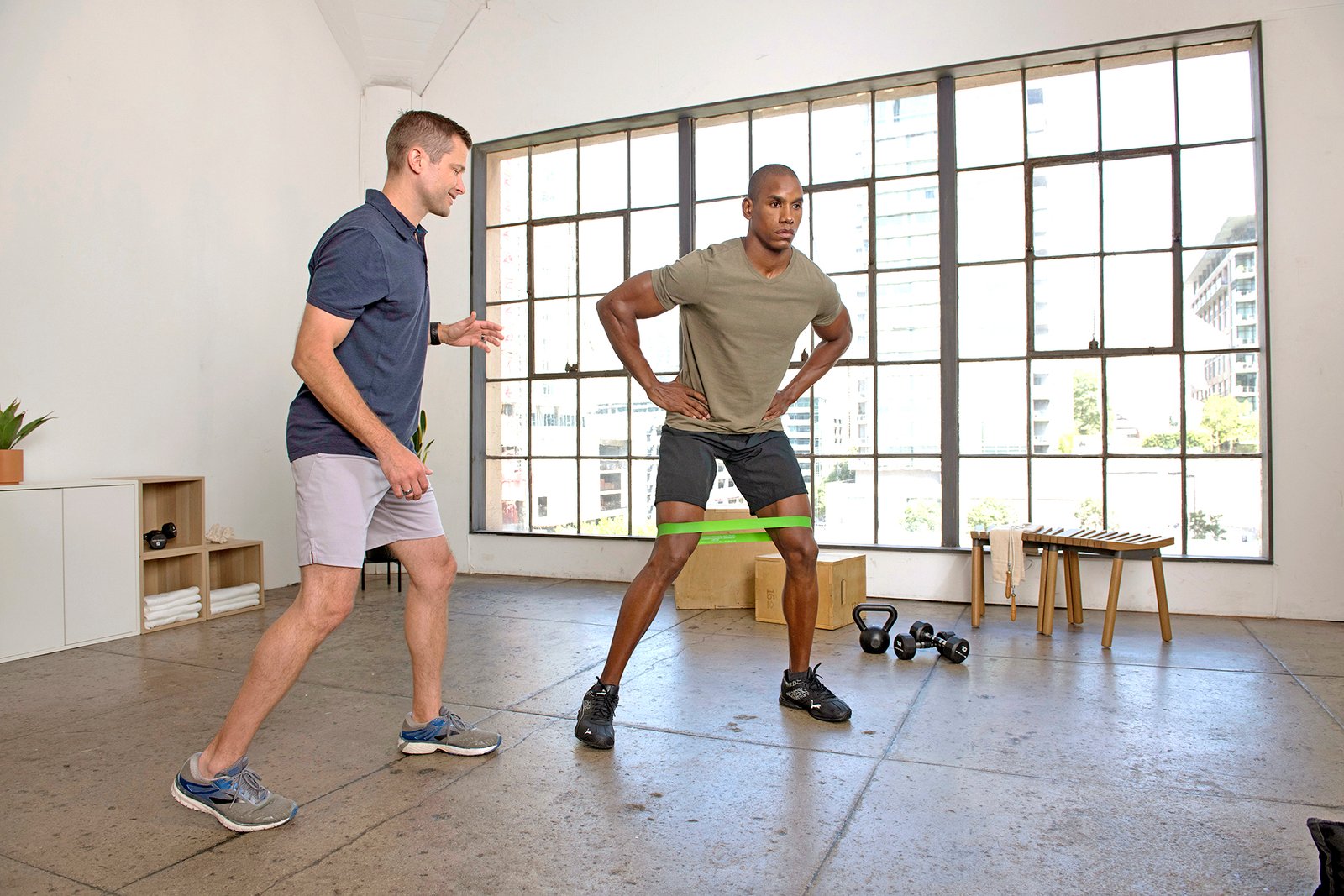
- Controlled lateral movements
Improved proprioception enhances mobility because joints move more confidently and efficiently.
Addressing Compensation Patterns
Compensation patterns develop when one region avoids movement and another absorbs extra load. For example:
- Limited hip mobility may increase lumbar strain
- Restricted thoracic rotation may stress the neck
- Weak glutes may overload the lower back
Mobility programming must assess adjacent joints, not just the painful area.
Trainers should ask:
- Is the hip contributing adequately during squats?
- Is thoracic extension sufficient during overhead work?
- Is asymmetry present during gait?
Correcting compensation reduces re-injury risk.
Setting Realistic Expectations for Clients
Clients recovering from hit-and-run accidents often want to “get back to normal” quickly. Trainers should establish realistic expectations early.
Mobility restoration may involve:
- Fluctuating progress
- Temporary setbacks
- Adjustments in programming
- Gradual increases in capacity
Clear communication prevents frustration.
Encourage clients to view recovery as progressive rebuilding rather than a race.
When to Refer Back to Medical Providers
Certain signs require immediate referral:
- Increasing numbness or tingling
- Loss of strength
- Sharp radiating pain
- Persistent dizziness
- Severe night pain
Trainers must recognize limitations. Early referral protects the client and the professional relationship.
Reintroducing Higher-Intensity Training Safely
Eventually, many clients wish to return to more demanding workouts. This transition should be structured.
Steps may include:
- Gradual load increments
- Controlled tempo increases
- Light plyometrics if cleared
- Sport-specific drills at reduced intensity
Monitor closely for delayed symptoms.
High-intensity training should only return when foundational mobility and strength are stable.
Long-Term Resilience Building
Mobility recovery after a hit-and-run accident should evolve into resilience training.
Resilience includes:
- Strong core endurance
- Balanced hip strength
- Thoracic mobility maintenance
- Proper lifting mechanics
- Regular recovery practices
The objective is not merely restoring baseline mobility, but building durability beyond pre-accident levels.
The Bigger Picture
Fitness training can absolutely help clients regain mobility after a hit-and-run accident. When guided by medical clearance and thoughtful progression, structured exercise restores range of motion, stability, and confidence.
For clients, recovery is about reclaiming daily comfort and independence. For trainers, it is about facilitating safe movement within professional scope. With patience, structure, and communication, mobility restoration becomes achievable and sustainable.
Fitness training, when applied responsibly, is not simply exercise. It is part of rebuilding physical autonomy after unexpected trauma

Eddie Lester
Read more from the category
Best Exercises for Recovering from a Whiplash Injury

Timing A Return to Fitness Post Car Accident