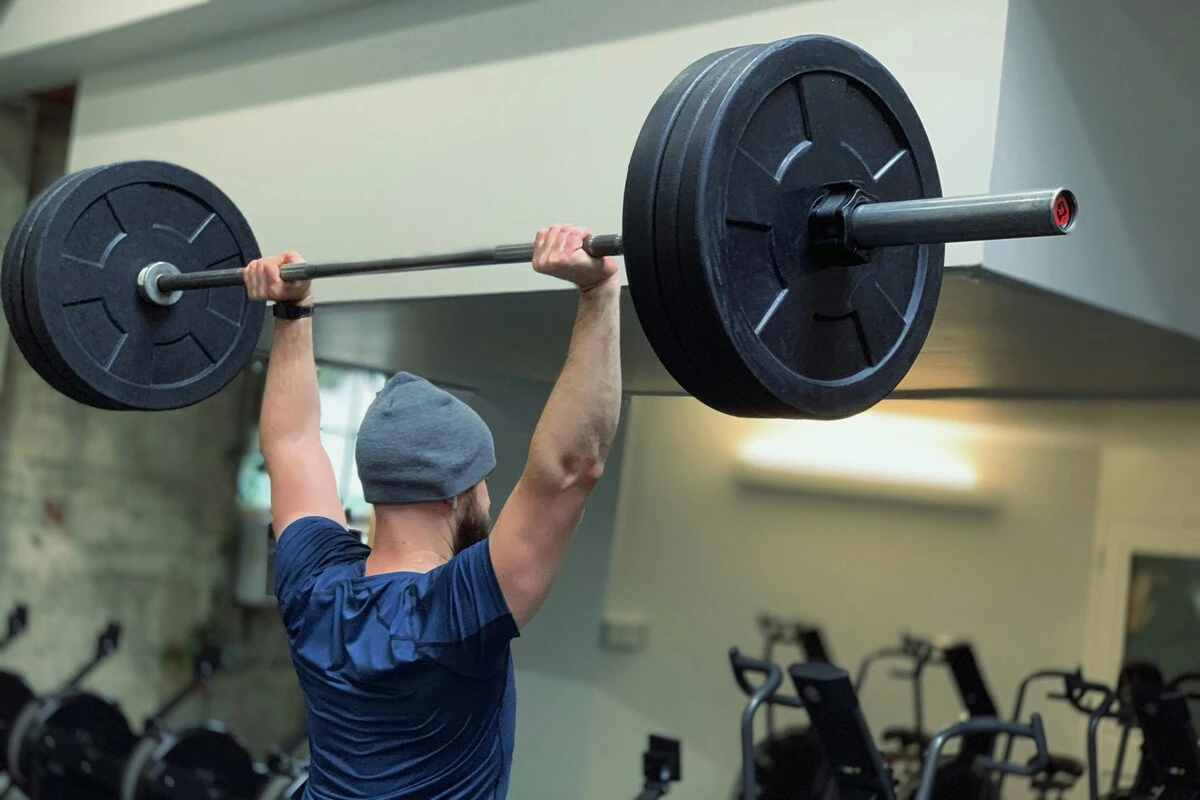


You notice it getting out of a chair. Or on the second flight of stairs. Or the morning after a workout with your personal trainer that used to cost you nothing.
If you are searching for the best collagen supplements for joints, here is the honest premise before the picks. The type of collagen and the dose matter far more than the brand on the tub. The research is genuinely stronger for some forms than others. And nothing on this list works in a week for everyone.
Below are five collagen supplements worth considering in 2026, what the clinical research actually shows about each form, and how to tell an adequate dose from a decorative one.
Quick Comparison: The 5 Best Collagen Supplements for Joints
| # | Product | Best for | Collagen type | Dose per serving | Form | Third-party tested |
|---|---|---|---|---|---|---|
| 1 | Metagenics StayStrong+ Joint & Muscle Powder | Best overall | Undenatured Type II (UC-II®) | 40 mg UC-II plus 5 g creatine monohydrate | Unflavored powder, scoop or stick pack | Triple tested; produced in GMP-certified facilities |
| 2 | Vital Proteins Collagen Peptides | Best hydrolyzed peptide powder | Hydrolyzed Types I & III, bovine hide | 20 g collagen peptides, 18 g protein | Unflavored powder | NSF Certified for Sport |
| 3 | Momentous Collagen Peptides | Best for athletes | Hydrolyzed peptides with FORTIGEL® | 15 g collagen plus 50 mg vitamin C | Unflavored powder | NSF Certified for Sport, Informed Sport |
| 4 | Ancient Nutrition Multi Collagen Protein Joint + Mobility | Best multi-type collagen blend | 10 collagen types from food sources | 20 g per 2 scoops | Powder and capsules | Not published |
| 5 | Sports Research Marine Collagen Peptides | Best marine collagen | Hydrolyzed Types I & III, wild-caught fish | 10 g collagen peptides, 9 g protein | Unflavored powder | Third-party quality tested, Non-GMO |
Which Type of Collagen Is Best for Joints?
Type II collagen is the joint-relevant type. It makes up roughly 90% of the collagen in cartilage, which is the tissue that cushions the ends of bones where they meet.
Types I and III are the skin, bone, tendon and ligament forms. They are what the overwhelming majority of collagen peptide powders on the shelf actually contain, which is worth knowing if you bought one specifically for your knees.
That distinction produces two very different supplement categories, studied at doses that are not remotely comparable.
Hydrolyzed collagen peptides are enzymatically broken into small fragments for absorption, sourced from bovine hide or fish, and studied at 5 to 15 g per day. Joint-specific research clusters at the 10 to 15 g end. These supply amino acid building blocks rather than acting on an immune pathway.
Worth noting for anyone reading this in their forties or fifties: collagen production begins declining around age 25 to 30, then falls roughly 1% per year after 40, according to the Arthritis Foundation. Menopause accelerates the drop.
What the Research Actually Shows
Most collagen listicles imply the evidence is uniform. It is not, and the differences are the most useful thing on this page.
The strongest finding is for UC-II. The Arthritis Foundation reports a randomized trial that compared 40 mg/day of undenatured Type II collagen against glucosamine plus chondroitin and against placebo. At six months, the UC-II group had significantly less pain and stiffness and better function than both comparators.
That answers a question a surprising number of buying guides skip entirely: between glucosamine and collagen, the head-to-head trial favored the collagen arm.
The counterweight is for peptides. Arthritis UK reports a 389-participant trial across 20 sites testing 10 g of collagen hydrolysate against placebo for 24 weeks. It found no significant effect on pain or function across the total group. Benefit appeared only in the subgroup with severe baseline symptoms.
Health.com’s dietitian commentary adds a mechanistic caution worth taking seriously: ingested collagen is digested into amino acids and used wherever the body needs protein. It is not addressed to your knees.
Set against that, an analysis of 41 studies including 25 clinical trials found benefit across a range of doses, types and brands. Research quality within that pool varies considerably, and the honest reading is that collagen shows real signal in some forms and populations and thin evidence in others.
Every source agrees on one thing. Give it 8 to 12 weeks minimum, and roughly three months before you judge whether it is doing anything.
The 5 Best Collagen Supplements for Joints
1. Best Overall: Metagenics StayStrong+ Joint & Muscle Powder
StayStrong+ Joint & Muscle Powder is the pick because it delivers UC-II at 40 mg, the exact dose used in the clinical research, and pairs it with 5 g of creatine monohydrate in a single unflavored scoop. It supports joint comfort, mobility and healthy cartilage.*
That pairing is the differentiator. Every other product on this list addresses connective tissue and stops there. Joints and muscle are a single functional system, and the two ingredients in this formula are the most researched in their respective categories: UC-II is backed by 10-plus clinical studies for joint support, and 5 g is the standard clinically studied creatine dose for muscle strength and post-exercise recovery.*
The supporting cast is not filler. Vitamin C at 100 mg supports the body’s own collagen formation.* Dual-form magnesium at 100 mg supports muscle function.* Vitamin D at 15 mcg supports bone health.*
2. Best Hydrolyzed Peptide Powder: Vital Proteins Collagen Peptides
Vital Proteins Collagen Peptides is the most-referenced collagen product in this category, and the highest-dose peptide option on the list at 20 g of collagen peptides and 18 g of protein per two-scoop serving.
The ingredient list is one line: bovine hide collagen peptides. Types I and III, unflavored, dissolves in hot or cold liquid, and NSF Certified for Sport. That single-ingredient simplicity is the appeal.
The dose sits comfortably above the 10 to 15 g range used in joint research, and the protein contribution is real. What it does not include is vitamin C, the cofactor your body needs to assemble new collagen fibers, so pair it accordingly. Note also that the base formula is Types I and III, not the Type II found in cartilage.
3. Best for Athletes: Momentous Collagen Peptides
Momentous Collagen Peptides delivers 15 g of collagen plus 50 mg of vitamin C per serving, and it is the most credential-heavy product here for anyone subject to drug testing.
It is built on FORTIGEL®, a clinically researched bioactive collagen peptide studied specifically for tendon and ligament tissue rather than sold as commodity collagen. Sourced from grass-fed bovine hide, gluten-free and non-GMO.
Every batch carries NSF Certified for Sport and Informed Sport certification, meaning it is screened against hundreds of banned substances with published certificates of analysis. For competitive athletes, that is not marketing; it is the difference between a usable supplement and an unusable one. Momentous itself sets expectations at 4 to 6 weeks of daily use.
4. Best Multi-Type Collagen Blend: Ancient Nutrition Multi Collagen Protein Joint + Mobility
Ancient Nutrition Multi Collagen Protein Joint + Mobility provides 20 g of collagen from 10 food-based sources per two-scoop serving, plus added joint-oriented superfood ingredients.
The multi-source approach covers Types I, II, III, V and X across bovine, chicken, fish and eggshell membrane inputs, which appeals to anyone who would rather not choose a single collagen type. It is available in flavored powder and capsule formats.
One point of clarity, since this product is frequently discussed alongside UC-II: this SKU is a hydrolyzed multi-collagen blend and does not list undenatured UC-II on its label. If a standardized 40 mg UC-II dose is what you are after, pick one is the direct route, or look at a dedicated single-ingredient UC-II capsule. Third-party certification is not published for this product.
5. Best Marine Collagen: Sports Research Marine Collagen Peptides
Sports Research Marine Collagen Peptides delivers 10 g of hydrolyzed Types I and III collagen peptides and 9 g of protein per scoop, sourced from wild-caught barramundi and red snapper.
This is the pescatarian-friendly option and the answer for anyone avoiding bovine-sourced products for dietary, religious or personal reasons. Like Vital Proteins, it is single-ingredient: hydrolyzed marine collagen peptides, nothing else. Third-party quality tested, Non-GMO tested and keto certified.
The 10 g dose lands at the bottom of the range used in joint research rather than the middle, so it is a floor rather than a generous serving. Marine collagen also clumps in cold liquid, so mix it into room-temperature liquid first. Contains fish.
How to Choose a Collagen Supplement for Joints
- Match the type to the goal. Type II or UC-II is the cartilage-relevant form. Hydrolyzed Types I and III peptides serve broader connective tissue, skin and nails. Buying a peptide powder for cartilage specifically is the single most common mismatch in this category.
- Check the dose against what was actually studied. That means 40 mg for UC-II and 10 to 15 g for peptides in joint-specific research. A product delivering 2 g of peptides is not a small version of a studied dose; it is below the threshold anything was tested at.
- Let the dose pick the format. Multi-gram peptide doses have to be powders. UC-II works in a capsule or a small scoop because 40 mg takes almost no space.
- Insist on disclosed amounts. Proprietary blends that list ingredients without milligrams make dose verification impossible. That is usually the reason they exist.
- Look for third-party testing. ConsumerLab testing found most collagen products contained what their labels claimed, but one was contaminated with cadmium. NSF Certified for Sport, Informed Sport and published certificates of analysis are the meaningful marks.
- Check for vitamin C. Your body cannot assemble collagen fibers without it. Some formulas include it, most peptide powders do not.
- Understand branded ingredients. Names like UC-II®, FORTIGEL®, VERISOL® and FORTIBONE® indicate a specific standardized ingredient with its own clinical file, rather than generic collagen. They typically cost more, and the reason is that the studies were run on that exact material.
What Collagen Will Not Do
Collagen is not a complete protein. It lacks tryptophan, which means it should supplement your protein intake rather than replace it.
Vegan collagen does not exist. Plants contain no collagen of any kind. Products marketed that way supply cofactors such as vitamin C and zinc that support your body’s own synthesis, which is a legitimate thing to sell but a different thing entirely.
Results are gradual. The trials that found benefit ran for 8 to 24 weeks. Nothing here reverses cartilage loss or substitutes for medical care.
If you take prescription medication or are managing a diagnosed joint condition, talk to your healthcare provider before adding a collagen supplement to your routine.
The Bottom Line
Match the collagen type to what you are actually trying to support. Hit a dose that research has actually tested. Verify third-party testing. Then give it three months of consistent daily use before deciding whether it earned a place in your routine.
Frequently Asked Questions
What is the best collagen for joint pain?
Undenatured Type II collagen (UC-II) has the strongest joint-specific research behind it. In a randomized trial reported by the Arthritis Foundation, 40 mg/day of UC-II outperformed both glucosamine plus chondroitin and placebo on pain, stiffness and function at six months. Hydrolyzed peptides at 10 to 15 g/day have shown more mixed results at the population level.
What are the best collagen type 2 supplements for joints?
The best Type 2 collagen supplements for joints deliver undenatured Type II collagen at 40 mg per day, the dose used in clinical research.
Is type 2 collagen better than type 1 for joints?
Type II collagen is the more directly joint-relevant type because it makes up roughly 90% of the collagen in cartilage. Type I is the dominant form in skin, bone and tendon. Most collagen peptide powders contain Types I and III, not Type II.
How much collagen should I take for joints?
It depends entirely on the form. Undenatured Type II collagen is studied at 40 mg per day. Hydrolyzed collagen peptides are studied at 5 to 15 g per day, with joint-specific research using 10 to 15 g. These doses are not interchangeable.
How long does collagen take to work for joints?
Give it 8 to 12 weeks at minimum, and roughly three months before drawing conclusions. Clinical trials in this area typically run 24 weeks. In UC-II research, some participants began noticing a difference in joint comfort in as little as 7 days, though individual results vary.
Which is better for joints, glucosamine or collagen?
In the head-to-head randomized trial reported by the Arthritis Foundation, the UC-II group showed significantly better outcomes on pain, stiffness and function at six months than the group taking glucosamine plus chondroitin. That is one trial, not a settled question, but it is the most direct comparison available.
Can I take collagen and creatine together?
Yes. They work through entirely separate mechanisms, one on connective tissue and one on muscle energy production, and some formulas combine them. StayStrong+ Joint & Muscle Powder delivers 40 mg of UC-II and 5 g of creatine monohydrate in a single daily serving.*