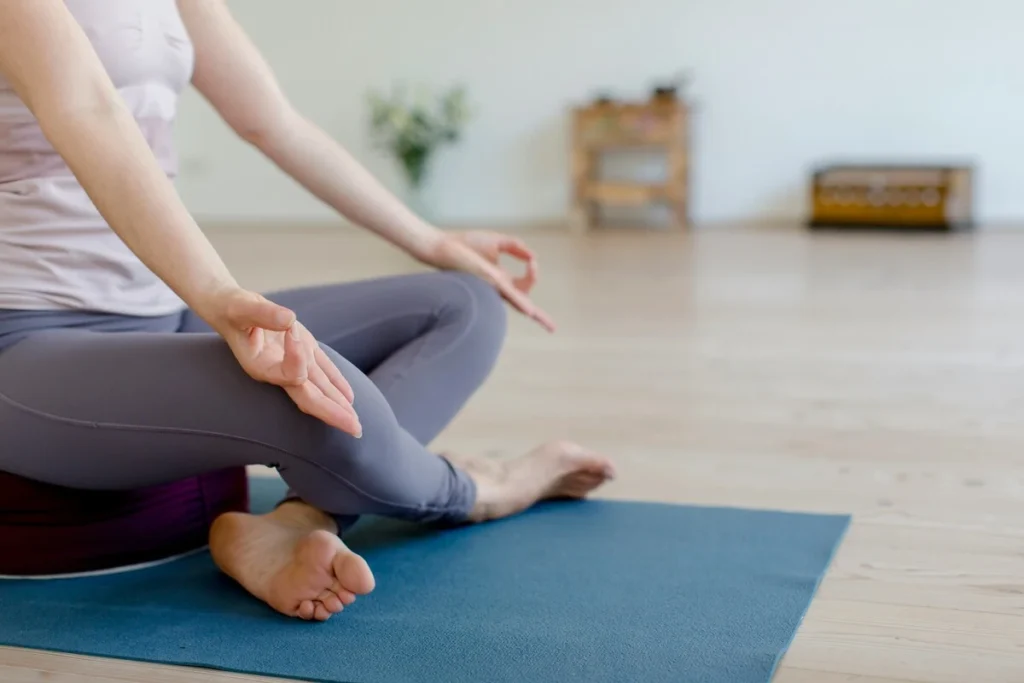
Sometimes it may seem as though your brain is running a marathon and your body has come to a standstill. It is understandable that you seek activities that allow you to feel calm, relaxed, and secure—yet another “push through” style of activity is not what you want. For many, the sense of calmness they experience is through tai chi.
Important Take-Aways
Tai Chi is a flowing, slow-moving, mindful movement practice that combines simple, repetitive movements, with deep breathing, and concentration.
Research shows that tai chi may assist individuals in reducing their levels of stress, and improving their quality of sleep and mood; however, it is not a solution to every issue.
What makes tai chi so beneficial is that you do not have to be perfect at it; you simply need to start slowly.
What is Tai Chi?
Tai Chi (also spelled t’ai-chi ch’uan) is an exercise that consists of slow, flowing movements of the body, and focuses on balance, and body awareness. Tai Chi movements are typically done in short sequences called forms. Due to the slow and controlled nature of tai chi, it can be easier to perform than high-impact exercises—particularly when you are physically drained by the demands of your day.
How Does Tai Chi Help Create a Sense of Calmness?
When we are extremely stressed out, our nervous systems are probably in “on” mode —causing us to tense up our muscles, breathe shallowly, think rapidly, and experience difficulty sleeping. The combination of deep, consistent breathing, focused attention, and slow, gentle movement of tai chi can help transition your body into a calmer state over time.
Tai Chi and Sleep: Research
In one study comparing tai chi to cognitive behavioral therapy for insomnia (CBT-I) in middle-aged and older adults, researchers found that tai chi was a viable, structured method for improving sleep in some participants. Although tai chi would not be an adequate substitute for professional treatments, it may be a useful addition to these treatments.
Benefits of Tai Chi to Mental Health Reported By Individuals
Most people attempt to use tai chi to aid their mental health due to the slow, gentle, and body-based nature of the practice. Some of the commonly reported benefits of the practice include:
- Being somewhat less “wired” after each session
- Being able to interact with their anxiety-provoking thoughts in a less anxious manner (their thoughts may still appear, yet be less invasive)
- Developing a sense of body trust (e.g., when excessive stress causes an individual to disconnect from their own bodies)
- Creating a better sleep schedule using tai chi as a cue to wind down
While the studies have provided evidence of both positive and negative effects for numerous outcomes and populations, many individuals find the unique reassurance of the practice to be that it is not about forcing the change—it is about creating a space where the change can take place.
Ways to Begin in a Safe Manner
You do not have to enroll in a class or learn an entire long-form in order to begin practicing tai chi.
Possible Beginner Method:
- Set a goal for yourself (e.g., 5-10 minutes, 3 times/week)
- Choose a short video or class that demonstrates slow-pacing movements
- Focus on a specific aspect of the movement (e.g., keeping knees soft, easy breathing, slow transition from one movement to the next)
- Stop your practice before you lose all of your energy. This is a good stopping point.
Tai chi is a grounding technique that can complement other coping techniques.
Important Note: Before beginning tai chi, if you have chronic dizziness, frequent falls, have recently had surgery, or have significant joint problems, please consult with your primary care physician or a physical therapist prior to participating regarding any necessary adaptations/modifications.
What Do You Expect in the First Month?
By the first week, you may feel awkward. This is totally fine. Your brain is adapting to a new rhythmic pattern.
Between weeks 2-4, most individuals will begin to notice a few minor improvements:
- Movements will require less exertion
- Breathing will become more automatic
- You will be able to enter your body faster
Your progress is not necessarily linear. Each time you attend your tai chi sessions, you will either be calm, or you will be neutral. Feeling neutral when life is chaotic is a success.
Common Questions
Do I Have To Be Flexible or Athletic?
No. Tai Chi is very adaptable. You can sit in a chair, walk shorter steps, and slow down the pace of your movements.
My Mind Just Won’t Shut Off! What Am I Doing Wrong?
You are not failing. In fact, a consistent tai chi practice can give you a chance to interact with your thoughts in a more constructive way than to simply get rid of them.
Can Tai Chi Replace Therapy Or Medicine?
For many people, no. Tai chi for mental health is best viewed as supportive—one tool among others—rather than a substitute for treatment.
Hope for your journey
Overwhelm can make you feel like you should “fix” yourself quickly. Tai chi offers a different message: slow is allowed. Gentle counts. With repetition, the practice can become a reliable place to land—even when nothing else feels steady.
Author Bio:
This post was contributed by Earl Wagner, a content strategist who specializes in developing data-driven content strategies. His work with organizations in the mental health sector helps increase awareness about resources for both teens and adults.