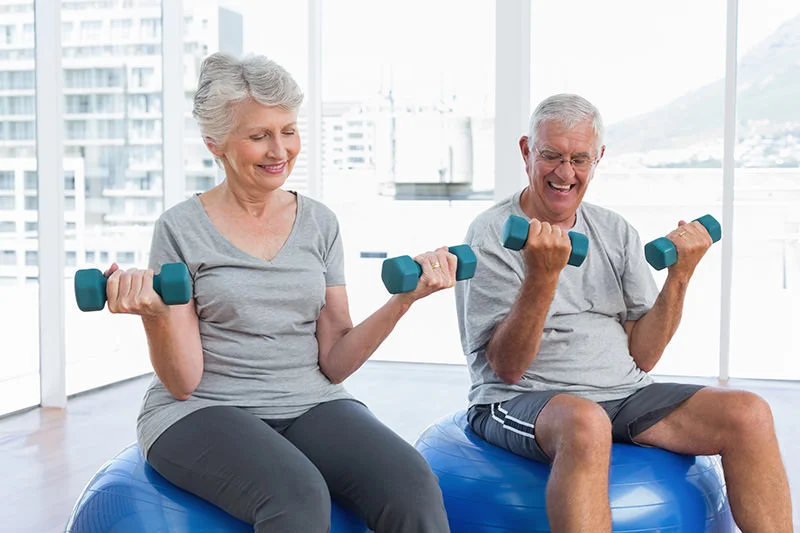
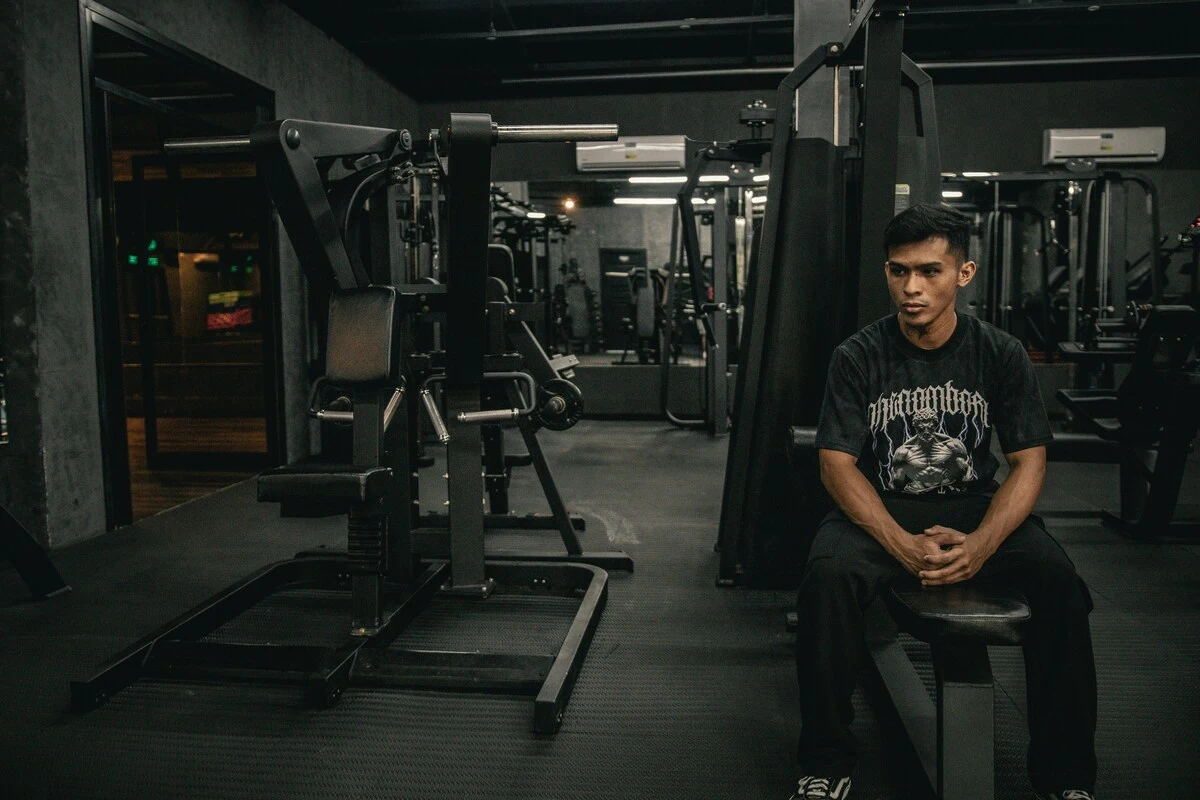
For personal trainers looking to expand beyond traditional gym clients, one of the most overlooked opportunities is working with assisted living facilities. With Southern California’s aging population continuing to grow, senior fitness services are becoming increasingly valuable to both residents and facility operators.
Many assisted living communities are actively searching for qualified professionals who can help residents improve mobility, maintain independence, reduce fall risk, and enhance overall quality of life. For trainers, this creates an opportunity to build a rewarding business while making a meaningful impact on people’s lives.
Why Assisted Living Facilities Need Personal Trainers
Residents of assisted living communities often face challenges related to aging, including decreased muscle mass, reduced balance, limited mobility, and chronic health conditions. Regular exercise has been shown to help address many of these issues by improving strength, flexibility, coordination, and cardiovascular health.
While many facilities offer recreational activities, few have dedicated fitness professionals capable of creating structured exercise programs tailored to individual needs. This gap creates an opportunity for certified personal trainers to provide specialized services.
By partnering with assisted living facilities in Los Angeles, trainers can help residents:
- Improve balance and reduce fall risk
- Increase strength and mobility
- Maintain independence longer
- Improve mental health and cognitive function
- Enhance social engagement through group exercise
- Manage chronic conditions through movement
For facility administrators, these services can also serve as a valuable marketing tool when attracting prospective residents and their families.
Business Models for Personal Trainers
There are several ways trainers can structure their services within assisted living communities.
Group Fitness Classes
One of the most efficient business models is offering group fitness sessions. Trainers can lead classes focused on:
- Balance training
- Functional strength
- Chair-based exercise
- Stretching and flexibility
- Low-impact cardio
- Fall prevention programs
Facilities often pay trainers a flat fee per class, or residents may pay individually to participate.
One-on-One Personal Training
Many residents have unique needs that require individualized attention. Personal trainers can offer private sessions focused on:
- Post-rehabilitation exercise
- Strength training
- Mobility improvement
- Chronic disease management
- Personalized fitness plans
Private sessions typically command higher rates and can create recurring monthly revenue.
Wellness Programs
Some trainers position themselves as wellness consultants rather than simply fitness instructors. This approach may include:
- Resident fitness assessments
- Staff education
- Exercise program development
- Wellness workshops
- Family education sessions
This model can generate larger contracts with facility management groups.
How to Approach Assisted Living Facilities
Many trainers assume they need extensive medical experience to work with seniors. While additional education is helpful, many facilities are simply looking for qualified professionals who understand safe exercise principles.
When approaching assisted living facilities focus on the outcomes you can provide rather than simply selling personal training sessions.
Start by identifying facilities within your service area and contacting:
- Executive Directors
- Activity Directors
- Wellness Coordinators
- Resident Program Managers
Prepare a professional proposal that outlines:
- Your certifications and experience
- Insurance coverage
- Sample exercise programs
- Expected resident benefits
- Pricing options
Offering a complimentary demonstration class can be an excellent way to showcase your expertise and build trust with both staff and residents.
Certifications and Education
Although a standard personal training certification may be enough to get started, additional education can help you stand out.
Consider certifications in:
- Senior Fitness
- Corrective Exercise
- Functional Aging
- Fall Prevention
- Health Coaching
Understanding common age-related conditions such as arthritis, osteoporosis, Parkinson’s disease, and joint replacements will also improve your effectiveness and credibility.
Building a Scalable Business
One of the biggest advantages of working with assisted living communities is scalability. Rather than relying solely on individual client acquisition, trainers can secure contracts with multiple facilities and serve dozens of residents each week.
For example, a trainer teaching five classes per week across several communities could generate consistent recurring income while spending less time marketing and selling.
Many successful trainers eventually hire additional instructors and expand into multiple locations, creating a fitness business specifically focused on senior wellness.
Final Thoughts
The demand for qualified fitness professionals within assisted living facilities continues to grow as the senior population expands. For personal trainers seeking a meaningful niche with long-term potential, senior fitness offers an opportunity to build a sustainable business while helping older adults live healthier, more independent lives.
By combining professional fitness expertise with a genuine commitment to improving quality of life, trainers can establish valuable partnerships with assisted living communities and create a business model that benefits everyone involved.