
How Physical Therapy Can Help You Get Back to Fitness After Knee Pain

- All of our content is written by humans, not robots. Learn More
Knee pain can stop your fitness journey in its tracks. Whether you’re an athlete, gym-goer, or someone who simply enjoys staying active, pain in the knee can make even simple movements feel impossible. But with the right care, recovery isn’t just possible — it can lead to a stronger, more balanced body. Physical therapy plays a vital role in this process, helping you heal safely and regain confidence in your fitness routine.
When knee pain strikes, it’s important to act early. Ignoring symptoms or pushing through pain often leads to further damage. In more severe cases, when pain is sudden or accompanied by swelling or immobility, visiting an emergency room Waxahachie TX is the safest choice. Quick evaluation can rule out serious injuries such as ligament tears, fractures, or severe inflammation allowing you to begin targeted rehabilitation sooner.
The Root of Knee Pain
The knee is a complex joint, relying on the harmony of muscles, ligaments, tendons, and cartilage to function properly. Pain can arise from a wide range of causes — from overuse injuries and arthritis to muscle imbalances or poor form during workouts. In many cases, even tight hips or weak glutes can shift pressure onto the knees, leading to discomfort over time.
Physical therapists are trained to uncover the true cause of your pain, not just treat the symptoms. They perform movement assessments, check alignment, and identify weaknesses or imbalances contributing to the issue. Once identified, they create a personalized recovery plan designed to restore stability, reduce pain, and rebuild strength.
Why Physical Therapy Is Essential for Recovery
Physical therapy does far more than relieve pain — it rebuilds your foundation for safe, lasting movement. Through a blend of targeted exercises, manual therapy, and education, it helps you move efficiently and confidently again.
In the early stages, your therapist may focus on reducing swelling, improving mobility, and restoring range of motion. As you progress, they’ll introduce strengthening and balance exercises to support the muscles around your knee, ensuring the joint moves naturally without strain. The best part? You’re not just recovering, you’re retraining your body to perform better than before.
Rebuilding Strength and Stability
Strength is the cornerstone of recovery. Weak or inactive muscles around the knee can lead to instability and recurring pain. Physical therapists design customized strength programs that focus on the quadriceps, hamstrings, glutes, and calves — all of which play a key role in knee support.
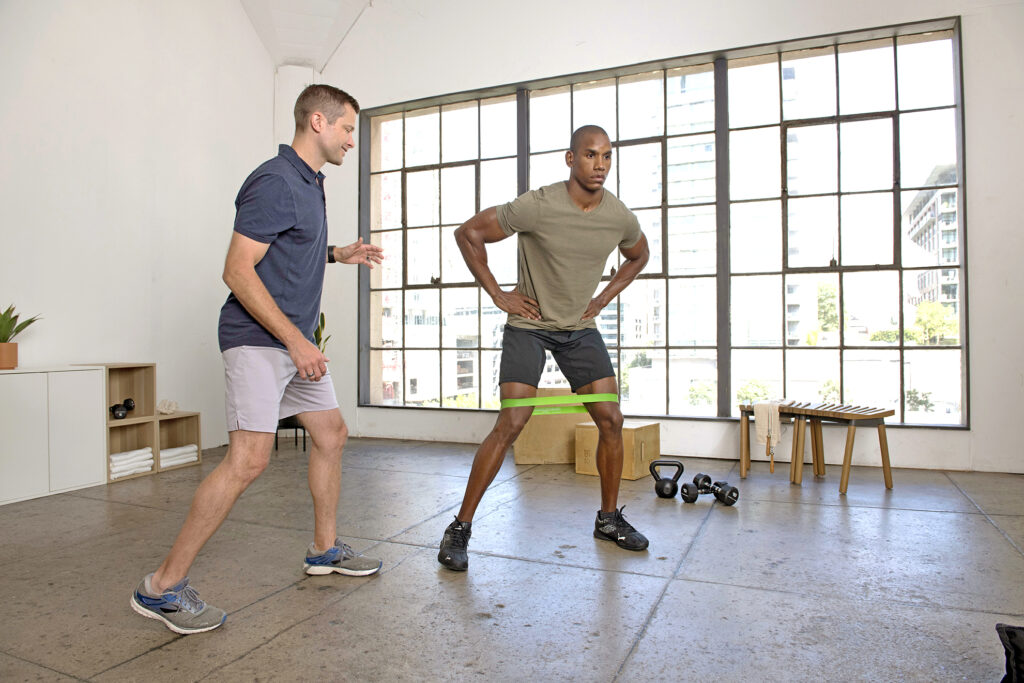
Exercises might include leg raises, bridges, squats, and resistance band work, depending on your fitness level. These controlled movements not only restore stability but also improve coordination and confidence. As your strength improves, your therapist may introduce functional exercises that mimic the movements you use in your workouts, such as running, jumping, or lifting.
Enhancing Flexibility and Mobility
Tight muscles can restrict movement and contribute to pain. That’s why mobility and flexibility training are integral parts of physical therapy. Stretching the hips, hamstrings, and calves helps reduce tension on the knee joint, improving alignment and overall comfort.
Therapists often use manual therapy techniques, such as soft tissue massage and joint mobilization, to improve circulation and release tightness. When combined with a personalized stretching routine, these methods accelerate recovery and prevent future injury.
Using Technology and Techniques for Pain Relief
Modern physical therapy isn’t limited to traditional exercises — it integrates innovative tools to reduce pain and speed healing. Depending on your condition, your therapist may use:
- Ultrasound or electrical stimulation to promote circulation and tissue repair
- Kinesiology taping to support the knee and reduce strain
- Cold or heat therapy to ease inflammation and relax muscles
- Balance training tools to enhance coordination and joint stability
These therapies work together to reduce discomfort, improve movement, and help you return to your normal activities faster.
Returning to Fitness Safely
One of the biggest benefits of physical therapy is guided reintegration into exercise. Jumping back into your workouts too quickly can undo weeks of progress. A therapist creates a gradual return-to-fitness plan, ensuring your movements are pain-free and your muscles are ready for higher intensity.
You’ll start with low-impact exercises such as swimming, cycling, or elliptical training to rebuild endurance. Then, under supervision, you’ll progress to resistance training and dynamic movements that challenge your knee in safe, controlled ways. If, at any point, you experience sharp or worsening pain, consulting an emergency room or your doctor is essential to rule out reinjury or complications. Timely medical attention ensures your recovery stays on track.
The Mind-Body Aspect of Recovery
Pain doesn’t just affect the body it influences your mindset too. Many people recovering from knee injuries fear movement, worrying they’ll get hurt again. Physical therapy helps overcome this mental block by building confidence through guided, gradual progress.
Therapists teach body awareness and proper movement mechanics, helping you trust your body again. They also emphasize mindfulness and breathing techniques that calm anxiety and promote focus during exercise.
Long-Term Prevention and Performance
Once your pain has subsided, physical therapy continues to offer long-term benefits. You’ll learn how to maintain strength and flexibility, use proper exercise form, and avoid common mistakes that cause knee strain.
Simple lifestyle adjustments such as warming up before workouts, wearing supportive shoes, and balancing strength training with flexibility work can make a big difference. Your therapist may also recommend occasional check-ins to keep your progress on track. With consistent effort, physical therapy not only gets you back to fitness but also helps you perform better than before with stronger muscles, better balance, and improved endurance.
Building a Smarter Fitness Routine
Returning to your fitness routine after knee pain isn’t about pushing harder it’s about training smarter. Start with shorter sessions, focus on form, and listen to your body. Include recovery days in your schedule to allow your muscles and joints time to adapt.
Incorporating low-impact activities like yoga, Pilates, or swimming can support joint health and keep your body active without overstressing the knees. Over time, as your confidence grows, you can safely reintroduce higher-intensity workouts.
Healing Through Movement
Knee pain doesn’t have to end your fitness goals; it can be the start of a smarter, more resilient approach to movement. Physical therapy provides the tools and knowledge to help you recover, rebuild strength, and return to an active lifestyle safely.
If pain ever feels too intense or you’re unsure about your recovery, seek immediate medical care from your doctor or visit an emergency room to ensure you’re on the right path. Remember, proper treatment and patience lead to long-term success. Physical therapy empowers you to take control of your body, regain strength, and move without fear. And with consistent care, you can return to doing what you love stronger, wiser, and pain-free.

Eddie Lester
Read more from the category

Comparing Semaglutide vs Retatrutide: What Personal Trainers Should Know

Benefits of IV Drips for Athletes