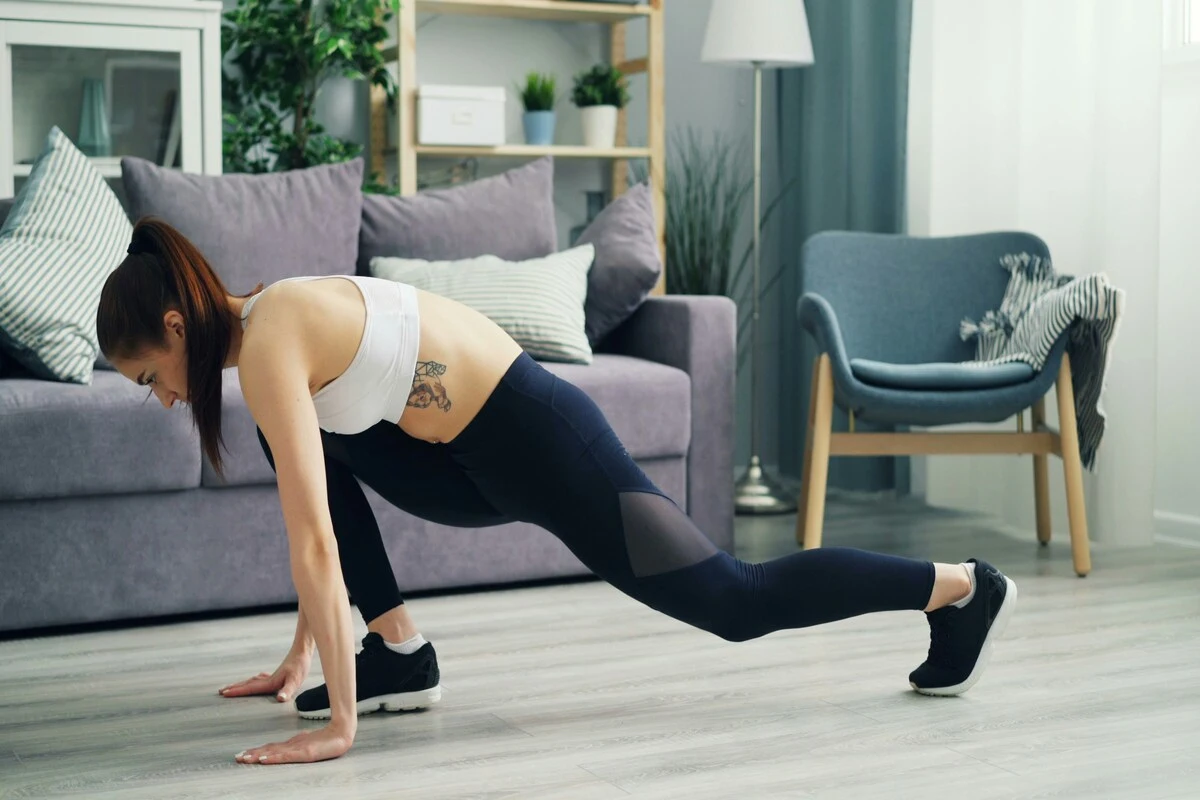
Experiment With Different Expressions In Lip Sync AI Fitness Videos

- All of our content is written by humans, not robots. Learn More
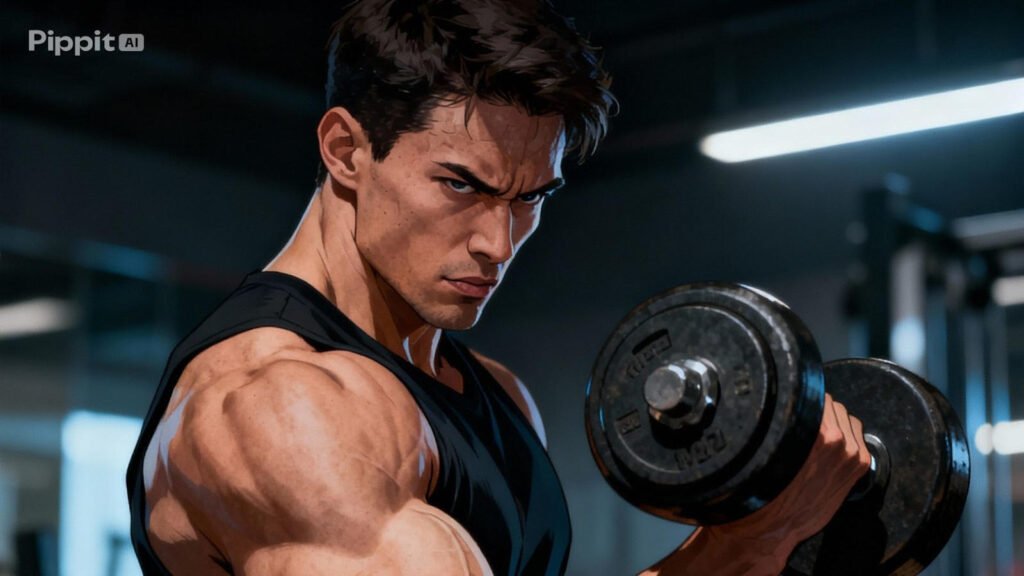
The use of facial expression is a necessary factor in motivating and energizing the content of fitness. Even minor aspects such as the strength of a smile, the strain in the eyes, or the will in a scowled face can impact the way the audience views a gym or training session. Monotonous videos or motionless ones might appear dull and decrease the vigor of interaction between the trainer and the audience. The creators can experiment with different facial expressions by relying on lip sync AI tools that should be used as a means to teach fitness to add dynamism and emotional appeal to their content. Minor movements on the face can be tested to align with the tone of workouts, either encouraging, relaxing, or difficult.
The Diversity of Expression in Fitness Video Content
The expression diversity is a significant factor in the motivation and association of the viewer. Focus, encouragement, and satisfaction, among other emotions used in fitness videos, will create a sense of trust between the instructor and the viewer. An encouraging smile, embodied in the face before a challenging workout, or a focused expression embodied in a complicated exercise, lends credibility and security. Homogeneous, empty expressions may resemble a workout session being run by robots without vitality and enthusiasm. Trainers with naturally different expressions (which translate to enthusiasm, empathy, or determination at the right time) provide a more motivating and relatable experience that keeps the audience focused and motivated.
Fitness Coaching with AI: Facial Expression Control
Artificial intelligence fitness applications enable one to articulate expressions finely to ensure that the avatars of trainers are of the right tone, a calm instructor in yoga, an aggressive coach in HIIT, or a cheery instructor in dance classes. This kind of accuracy enables each expression to fit in the emotional purpose of the work, making it appear natural rather than over- dramatic. Minor facial movements may help point out corrections of form, accentuate breathing, or rejoice in the success of the reps done. The balanced expression utilization assists the AI coach to be realistic and believable, which adds to the immersion and connection of emotions critical to keeping the viewers engaged constantly.
Comparison of Expression Variations with No New Recording
The benefit of applying an AI video generator to fitness content would be the ability to experiment with emotions and energy levels without filming. The content of the same instructions or workouts can be shown in various emotional tunes – high-vitality encouragement of cardio, stable calmness of pilates – everything on a digital scale. This saves time, minimizes production, and allows the creators to experiment with what tone is the most motivating to their audience. This kind of experimentation serves to refine the atmosphere of tutorials, online fitness contests, and wellness resources in order to maximize engagement and educational results with minimal input.
Procedures to Train Fitness AI Videos Exploration
Step 1: Getting ready for the video basis of fitness
Start with an exercise or training plan. Input it to an AI video system that has voiceover delivery with expression matching, which can be used with fitness coaching avatars.
Step 2: Customize the workout tones and prompts
Choose a character that fits the kind of workout – relaxing and neutral during stretching, aggressive and dynamic during high-intensity workouts. Enter or edit the script to include the motivating words and training emphasis. Customize colors, overlay texts, and captions to accentuate workout stages or prominent reminders.
Step 3: Optimize and reexamine performance energy
Adjust facial expression, tone, and delivery to produce varying moods – motivating to the novice, draining to the athlete. Add background music that is complementary to the expression and rhythm of the workout. Export the video after refining and monitor the viewer response with different styles of expressions to see which one will best help carry out the motivation and understanding.
Expression Matching of Various Content Across Fitness
Various types of work out require varied emotional expressions. Meditative yoga is more appropriate for soft expressions that enhance relaxation and mindfulness. Intense exercise, such as HIIT training programs, enjoys the advantage of intense willpower, big grins, and strong prompts to keep motivation high. Training videos on instructions, on the other hand, demand special and professional statements to teach authority. The emotional tone related to content type adjustments must be conveyed in a positive manner by adapting the expressions, so that the viewers can feel led, inspired, and encouraged during their fitness processes. Experimenting with photo to video AI can further enhance these emotional adjustments, ensuring each expression aligns smoothly with the intended motivational energy of the workout.
How to be more motivating by using Face Dynamics
Kinetic facial expression enhances inspirational narration during workouts. Since the intensity varies, i.e., warm-up, high effort, and finally cooldown, facial emotion fluctuations can reflect this process, and lead the participant to an appropriate mindset. Smiling and bright eyes can motivate during exhaustion, and the constant expressions can keep them focused. These overtures add to the general rhythm of the routine, allowing viewers to remain mentally alive and emotionally engaged with every segment of the exercise.
Finding a Balance between Authenticity and Experimentation
Even though it is good to experiment with words, authenticity is essential. Too animated or fake emotions are unnatural, and they distract from real fitness instruction. Having a natural tone, such as the one that fits the teaching style of the instructor, is the key to credibility and relatability. Reliability of the avatar’s character or the online presence of the trainer helps in building trust between videos, making the fitness experience an individual experience, but professional. The combination of realism and emotional diversity is used to keep a believable, inspiring atmosphere that would allow viewers to stick with it in the long term.
Conclusion
Facial expression experimentation in AI-based fitness videos increases emotional attachment, motivation, and comprehension. The trainers and creators make their content more relatable and interesting to watch by adjusting the facial cues to fit the intensity and goals of workouts. Quick creative iterations can also be implemented through expression testing, which allows this to be used to cut redundant takes as well as perfect the best presentation style. With the current development of AI-based instruction tools, the ability to provide the correct lip-syncing with the ability to control emotion delivery will remain a major part in creating high-quality, motivating fitness content that appeals to viewers and encourages persistent engagement.

Eddie Lester
Read more from the category
Benefits of IV Drips for Athletes

Why You Should Buy Health and Wellness Products Online