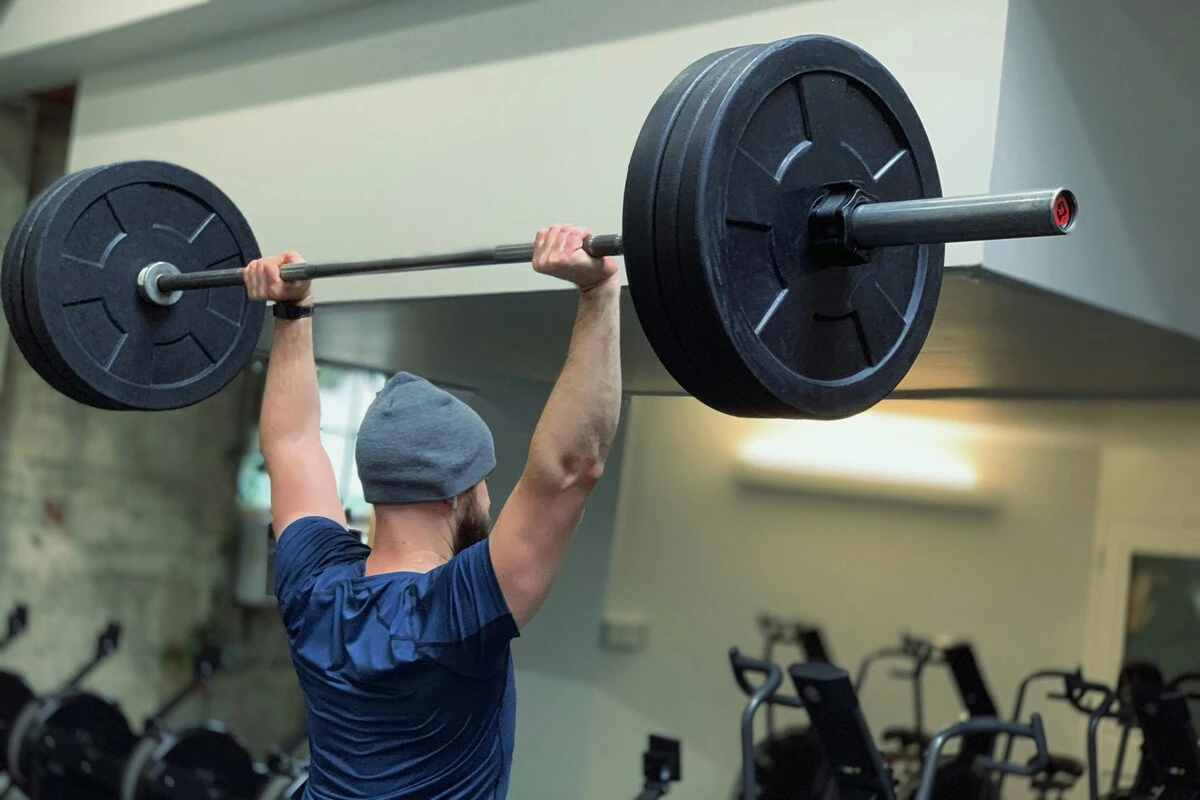

There is a big difference between losing weight and building a body that feels stronger, steadier, and easier to live in.
That difference becomes especially important after procedures like ESG.
Endoscopic sleeve gastroplasty, or ESG, is a minimally invasive weight-loss procedure that reduces stomach volume using endoscopic sutures rather than surgical incisions.
It is typically considered for adults with obesity who have not had lasting success with lifestyle change alone and who want a non-surgical option, but it still requires long-term behavior change and medical follow-up to work well over time.
Once the procedure helps reduce appetite and portion capacity, fitness starts to matter less as a calorie-burn tool alone and more as the framework that supports energy, muscle retention, mobility, and long-term weight maintenance.
For readers who are comparing clinic-led treatment with everyday lifestyle habits, that is often the most useful mindset shift. The procedure may create momentum, but movement helps shape what comes next.
Everself is a leading provider of ESG weight loss solutions without surgery in Houston, TX and they position ESG as an important medical starting point, but it is the fitness priorities that follow that often make the results feel sustainable in real life.
In this article, we explore the key fitness priorities that help support weight loss results after treatment.
1. Start with walking, because consistency matters more than intensity at first
In the earliest phase after bariatric-type procedures, walking is often the most realistic place to begin.
ASMBS patient guidance notes that walking frequently can support recovery, and that patients can gradually work toward regular moderate exercise as they heal. Their patient materials also say people usually begin with short, easy walks and build from there.
That makes walking more than a low-effort suggestion. It is often the bridge between the immediate recovery phase and a fuller training routine.
For many patients, especially those who were previously sedentary, rebuilding the habit of moving every day is the first meaningful fitness win.
A short walk after meals, several brief walks spread through the day, or a gradually longer daily walk can all help restore confidence and routine without overwhelming recovery.
2. Protect lean mass early with resistance training
One of the biggest fitness priorities after meaningful weight loss is preserving muscle. Weight loss does not only reduce body fat; it can also reduce lean tissue if training and nutrition are not handled well.
Reviews of the evidence have found that resistance-type exercise is one of the most effective ways to attenuate or prevent weight-loss-induced muscle loss, while also improving strength and physical function.
This matters because the goal after ESG is not simply to weigh less. It is to function better.
Muscle supports strength, balance, mobility, metabolic health, and the ability to stay active enough to maintain results. If patients lose weight quickly but do not train, they may end up lighter without becoming appreciably stronger or more capable. Resistance training helps close that gap.
In practical terms, that does not have to mean jumping into heavy gym sessions right away.
Early resistance work can begin with bodyweight sit-to-stands, wall push-ups, resistance bands, step-ups, or light dumbbells once a clinician has cleared activity progression. The principle is simple: give the body a reason to keep the muscle it still has.
3. Build a routine you can repeat, not a perfect program
A common mistake after any medical weight-loss intervention is assuming the next phase needs to be intense to be effective.
The better priority is repeatability.
ACSM’s updated resistance training guidance emphasizes that the biggest jump in benefit comes from moving from no resistance training to some resistance training, and that regular participation matters more than chasing a complicated “ideal” plan. Moderate aerobic activity and muscle-strengthening work at least two days per week for healthy adults.
That is useful after ESG because recovery, appetite changes, hydration issues, and fluctuating energy can make all-or-nothing plans hard to sustain.
A realistic weekly structure is often more helpful than an ambitious one.
For example, a patient may do walking on most days, two or three short strength sessions per week, and one or two light mobility sessions. That kind of plan may look modest on paper, but it is far more likely to become part of real life.
4. Prioritize strength, not just calorie burn
After ESG, many people understandably focus on fat loss and the number on the scale.
But fitness priorities are usually stronger when they center on outcomes like getting stronger, moving better, climbing stairs more easily, improving endurance, and feeling more physically capable. Those goals tend to support long-term adherence better than trying to “burn off” food through exercise.
This shift also aligns with the evidence.
Resistance training improves muscle function, hypertrophy, and physical performance across adulthood, while moderate aerobic work supports cardiovascular health and work capacity. Together, they create a more useful post-ESG training base than cardio alone.
A good question after ESG is not only “How much weight am I losing?” but also “Am I getting stronger while I lose it?” That question usually leads to better choices.
5. Progress gradually enough to recover well
ESG is minimally invasive, but it is still a medical procedure. Patients should progress activity based on clinician guidance, symptoms, and recovery status.
Even after formal recovery, training too aggressively too soon can backfire.
Rapid increases in volume, intense cardio, or heavy lifting without a base can leave patients overly fatigued and less consistent the following week.
A better approach is progressive overload at a modest pace. Add a few minutes to walks. Increase one set before increasing load. Improve technique before chasing intensity.
Build enough volume to stimulate adaptation, but not so much that recovery breaks down. This matters especially after weight loss, when energy intake may be reduced and the margin for poor recovery can be smaller.
The exercise literature on weight loss consistently points toward measured, supportive training rather than extremes.
6. Keep mobility and daily function in the picture
Not every post-ESG fitness priority has to happen in a formal workout.
Better mobility, easier walking tolerance, improved posture, getting up from the floor more comfortably, and feeling steadier during everyday movement are all meaningful markers of progress.
These matter because lasting weight-loss success is easier to maintain when movement becomes part of ordinary life rather than something reserved for a gym slot.
This is one reason walking remains so valuable. It is accessible, scalable, and easy to repeat.
Combined with simple strength work, it can improve everyday function in a way patients feel quickly: less breathlessness, better stamina, easier errands, and more confidence doing normal tasks. ASMBS guidance specifically links exercise habits with helping keep weight off over time.
7. Think long term: best routine is the one that still exists six months later
The most supportive post-ESG fitness plan is rarely the most impressive-looking one in week one. It is the one that still exists months later.
ESG can create an important opening, but long-term outcomes are shaped by what patients do repeatedly after the procedure: walking often, rebuilding strength, progressing gradually, and treating fitness as part of the treatment pathway rather than as a separate “extra.”
That is the real priority.
Not punishing workouts.
Not aesthetic pressure.
Not trying to do everything at once.
Just a steady structure that helps preserve muscle, improve function, and make weight loss feel livable. And for many patients, that is exactly what turns an encouraging medical result into a sustainable one.