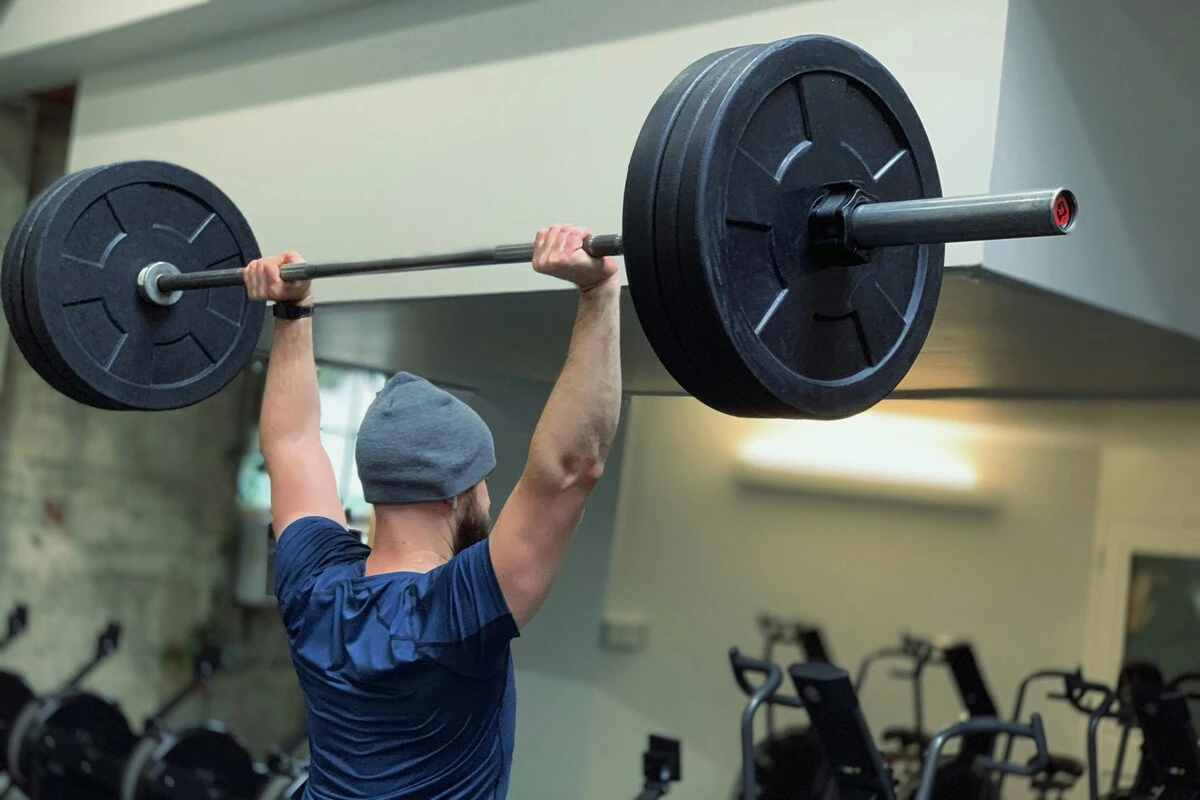
Most people learning to lift today are doing it without anyone watching them. The squat, the hinge, the press, and the pull are being taught through a phone propped against a water bottle in a garage or absorbed from a video watched on the drive to a gym where nobody is paid to correct anything. For most of this industry’s history, technique passed from coach to lifter in person. That is no longer how many people learn, and pretending otherwise helps nobody.
The encouraging part is that learning form online genuinely works. The complication is that most people approach it in an order that guarantees frustration, gathering fifteen opinions from fifteen creators and ending up with a squat assembled by committee. Getting the sequence right matters more than finding the perfect video.
Why Perfect Form Is the Wrong Target
There is no single correct looking squat, and chasing one will cost you months. Bar position, stance width, torso angle, and depth all shift depending on your build, how freely your ankles move, and what you’re training for. A powerlifter’s squat and a weightlifter’s squat look like different exercises because they are solving different problems.
What does exist is a short list of principles. The weight should stay balanced over the middle of your feet, your spine should hold one steady position while the weight moves, and the joint you are training should do the work rather than handing it off to another one. Almost every good tip online is one of those three restated.
Choosing a Short List of Sources
Avoid source sprawl. Following dozens of channels leads to conflicting advice, whereas sticking to three to five creators who agree on key principles provides clarity. Social media feeds optimize for engagement, not structured learning.
Filter for real credentials like a Fitness Mentors CPT, physical therapy license, or kinesiology degree. Choose experts who explain why a technique works and demonstrate how to correct bad reps. Avoid anyone claiming there is only one “right” way to perform an exercise or using content primarily to sell supplements.
Structure matters as much as accuracy. Technique builds on itself, so it is learned in order rather than at random. Resources like Fitness Refined walk through how to perform exercises properly. Two or three structured sources bookmarked will serve you better than an endless scroll.
Learning the Pattern Before the Exercise
Almost all strength training boils down to six basic patterns: squat, hinge, horizontal push, horizontal pull, vertical push, and vertical pull. Once you master the main movement, exercises stop feeling like a giant list of moves to memorize.
For example, take the hip hinge. Once you understand how to bend at your hips, the deadlift, Romanian deadlift, kettlebell swing, and good morning are no longer four separate exercises. They are just small tweaks on the exact same movement.
This is why jumping between random exercise tutorials feels so frustrating. You end up memorizing specific exercises instead of learning how your body moves.
To learn any lift, start by practicing the pattern with your bodyweight. Next, add a light weight. Lightweight gives your muscles feedback so you can feel where the tension belongs. Only then should you add heavy weights. Most people skip straight to heavy lifting on day one and wonder why their form feels messy and chaotic.
Filming Yourself Is the Whole Method
Recording your lifts is the best way to fix your form. How a movement feels is often very different from how it looks. Place your phone six to eight feet back at hip height and a 45-degree angle. Make sure your whole body and the weight stay in frame. Film your main sets rather than warm-ups, because technique usually slips when the weight gets challenging.
Review your video three separate times, focusing on one question per watch. First, look at the path of the weight. Second, check if your spine changes shape. Third, watch your final reps, where fatigue shows how you move.
Afterward, pick only one thing to fix on your next set. Trying to remember a long mental checklist mid set will only ruin your focus.
Sorting Corrections by Consequence
Fitness advice is not universal. A fix that helps one person can ruin form for another. Collecting every tip you hear creates a cluttered checklist that hurts your performance. Instead, prioritize corrections by severity.
Fix dangerous errors first. This includes a flexing spine, collapsing knees, or losing your balance. Address efficiency issues next, like inconsistent depth or poor bracing. Save personal preferences like stance width, grip width, and foot angle for last. The most common mistake is obsessing over stance width while ignoring a rounding back.
Getting Human Eyes on Your Lifts
Self review has limits because you cannot spot errors you do not recognize. A coach sees in seconds what you might miss after watching a clip dozens of times.
Online form check groups offer free advice but trust the people who explain their reasoning. Paying a coach for a single video review is a fast way to fix a stuck lift. A few in person sessions are also worth the cost for hands on feedback.
You do not need outside help forever. Get expert eyes on your lifts when starting out or learning a new movement.
Conclusion
Learning proper form online takes deliberate effort, but it yields real results. Limit your information sources, master overall movement patterns, film your main sets, fix major errors first, and seek expert feedback periodically. Applied consistently, this self driven approach builds better long term technique than passively relying on a trainer twice a week.