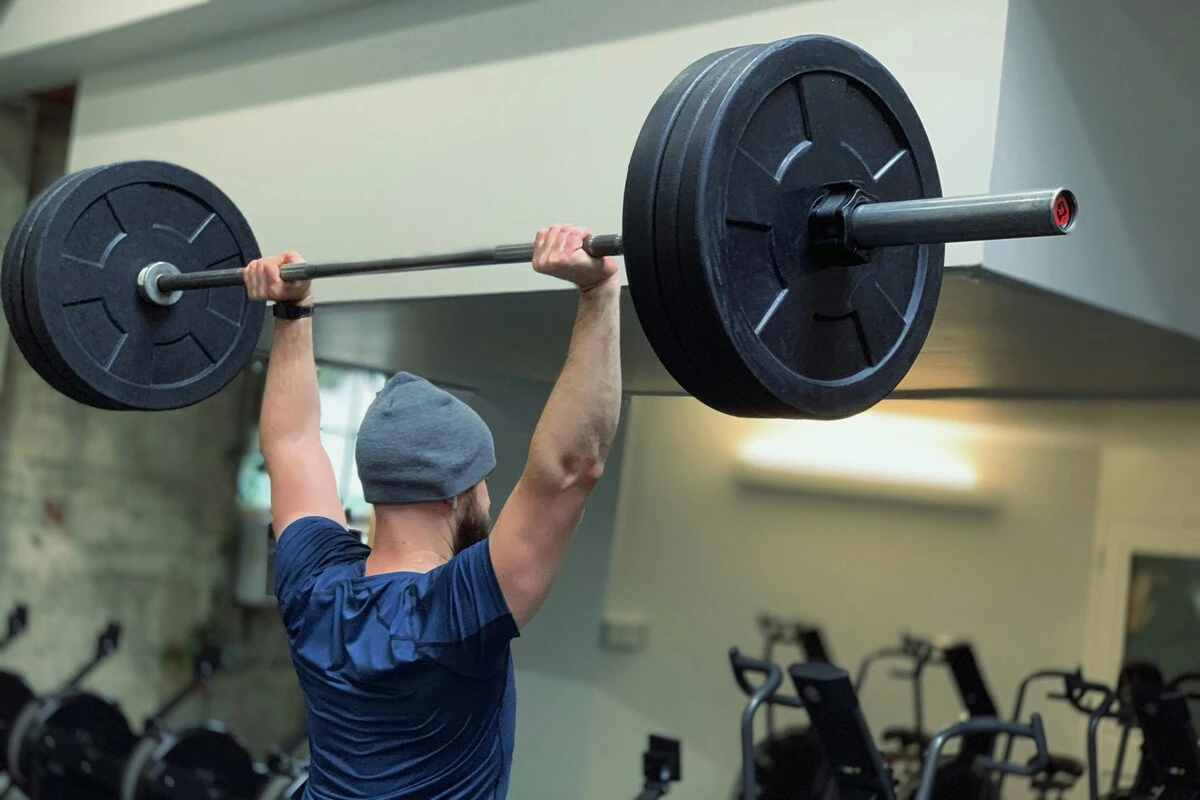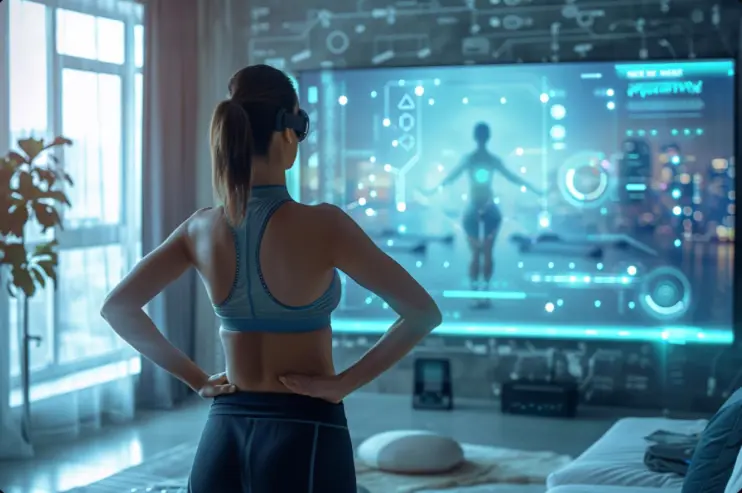


Fitness, human performance, and exercise science have shifted fundamentally over the last few years, which changes the way personal trainers work. The era of generic “one-size-fits-all” workout routines and basic macro-counting has given way to a sophisticated, data-driven approach to health. Today, breakthroughs in neuroscience, metabolic science, molecular biology, and bio-wearables are converging to redefine how we build muscle, shed fat, recover, and preserve longevity. Personal trainers who keep up to date with the latest trends and research can stay ahead of the game.
From the emergence of “exercise snacks” to the highly controversial frontier of research peptides, these are the most exciting fitness discoveries driving human optimization today.
1. The Power of “Micro-Workouts” and Exercise Snacks
For decades, fitness dogma dictated that a workout had to last at least 45 to 60 minutes to trigger meaningful physiological adaptations. Recent metabolic research has shattered this constraint.
Scientists have introduced the concept of micro-workouts — short, intense bursts of physical activity lasting anywhere from 5 to 15 minutes, spread throughout the day. Studies reveal that compressing high-intensity interval training (HIIT) principles into these brief intervals can stimulate metabolic conditioning, improve cardiovascular health, and trigger an “afterburn effect” (excess post-exercise oxygen consumption) that elevates the metabolism for up to 24 hours (Rodríguez MÁ, Quintana-Cepedal M, Cheval B).
For busy working professionals, this discovery removes the “lack of time” barrier. Three 10-minute bouts of functional movement or rapid resistance training distributed across a day have been shown to provide cardiorespiratory and metabolic benefits remarkably similar to a single, continuous 30-to-45-minute gym session. This suits clients who don’t have a lot of time and can only book in short sessions with their PTs – or clients who want guidance on how to stay active at home, after their personal training session.
2. Neuro-Fitness: Training the Brain and Body Simultaneously
One of the most profound paradigm shifts in modern sports science is neuro-fitness — the deliberate pairing of physical exercise with targeted cognitive tasks. We have long known that exercise promotes neuroplasticity, the brain’s ability to reorganize itself by forming new neural connections. However, recent clinical trials from institutions like the German Center for Neurodegenerative Diseases have taken this further, demonstrating that simultaneous cognitive-motor training yields exponential benefits. (Eggenberger P, Schumacher V).
In practice, neuro-fitness involves performing complex physical coordination or endurance tasks while simultaneously engaging in memory games, reaction drills, or spatial puzzles. This dual-activation heavily stimulates the prefrontal cortex. The results? Not only does it dramatically improve agility and spatial awareness, but data shows it significantly reduces the risk of cognitive decline in aging populations while accelerating athletic decision-making.
This is a great offering to introduce into personal training sessions; it’s great for clients who might want something a bit different, or something more from their PT sessions.
3. The Molecular Frontier: Research Peptides
Perhaps no area of human performance has generated more intense discussion and scientific scrutiny recently than research peptides. Peptides are short chains of amino acids — essentially smaller versions of proteins — that act as highly targeted signaling molecules in the body, instructing cells to perform specific functions.
While long utilized in strict clinical settings, specific classes of synthetic peptides have captured the attention of exercise scientists, longevity researchers, and athletes looking to optimize cellular repair, fat loss, and muscle hypertrophy, or muscle growth.
Growth Hormone Secretagogues (GHS)
Among the most heavily researched compounds for body recomposition are Growth Hormone Secretagogues, including CJC-1295 and Ipamorelin. Unlike traditional, synthetic human growth hormone (HGH), which shuts down the body’s natural production and carries severe side-effect risks, these peptides act as secretagogues. They signal the pituitary gland to increase its own, natural, pulsatile release of growth hormone.
This elevation in growth hormone cascades into an increase in Insulin-like Growth Factor 1 (IGF-1). Within the muscle tissue, IGF-1 activates crucial cellular pathways, such as the mTOR pathway, which accelerates protein synthesis, promotes muscle fiber repair, and decreases muscle breakdown.
Targeted Fat Loss and Recomposition
Another compound with substantial data is Tesamorelin, a peptide originally developed to treat abdominal lipodystrophy. Clinical research has shown that Tesamorelin is uniquely effective at selectively targeting visceral adipose tissue, the dangerous fat surrounding internal organs, while simultaneously increasing lean muscle mass and improving bone density. Another heavily investigated fragment is AOD-9604, which isolates the specific fat-metabolizing region of the growth hormone molecule to trigger lipolysis, or fat burning, without affecting blood sugar or insulin levels.
Cellular Repair and Recovery
For injury prevention and rapid healing, the spotlight has turned to recovery peptides like BPC-157, Body Protection Compound, and TB-500, a synthetic fraction of Thymosin Beta-4. BPC-157, a peptide isolated from human gastric juice, has demonstrated a remarkable ability to accelerate the healing of soft tissues, including tendons, ligaments, and muscle bellies, by promoting angiogenesis, the formation of new blood vessels, and stimulating collagen production.
Crucial Context: While the data surrounding these molecules is revolutionary, a strict distinction must be made: the majority of these compounds are classified as research peptides, meaning they are primary targets for laboratory study rather than widely approved over-the-counter supplements. They represent a powerful window into the future of endocrinology and regenerative medicine, but they require expert clinical oversight. Companies like licensedpeptides.com provide peptides for research purposes.
Furthermore, just because many peptides aren’t ready for human consumption just yet, this doesn’t mean they won’t enhance your personal training sessions in the future once they’re approved. This is why it’s good for PTs to keep their eye on peptide research. Also if you are in need of more information on peptides check out this helpful info center for new research.
4. Advanced Bio-Sensors and Active Regeneration
Recovery is no longer viewed as a passive period of “doing nothing.” It has been rebranded as regenerative fitness, powered by a massive evolution in wearable technology and advanced biosensors.
Modern commercial wearables have transitioned from simple step counters into sophisticated medical-grade monitors. By continuously tracking metrics like heart rate variability (HRV), blood oxygenation, skin temperature, and sleep architecture, artificial intelligence algorithms can now calculate a highly precise, real-time “readiness score.”
Instead of following a static, weekly training split, athletes now practice autoregulation. If an individual’s HRV drops sharply, signaling that the central nervous system is overtaxed, the AI personal trainer dynamically alters the day’s routine, swapping a heavy lifting session for active recovery, photobiomodulation, or red light therapy, or localized cryotherapy. This optimization minimizes injury risk and guarantees that every hard workout is backed by adequate cellular recovery. And although we don’t believe anything can replace real, human personal trainers, these AI tools can definitely help you offer even more value and even better advice to your clients.
Summary of the New Fitness Era, and What That Means for Personal Trainers
The modern approach to fitness can be summarized by three core pillars:
- Precision Over Volume: Personal trainers can make use of micro-workouts and real-time biometric data to help their clients train smarter and more efficiently, rather than just longer.
- Holistic Integration: Personal trainers can fuse physical movement with cognitive training, or neuro-fitness, to preserve both the body and the mind.
- Cellular Optimization: Leveraging targeted molecular science — from advanced nutrition to peptide pathways — to dramatically accelerate healing and tissue repair.
As science continues to map the precise molecular pathways dictated by movement and recovery, the line between healthcare and fitness will continue to blur, ushering in an era of unprecedented human performance and longevity.
References
- Rodríguez MÁ, Quintana-Cepedal M, Cheval B. (2026). Effect of exercise snacks on fitness and cardiometabolic health in physically inactive individuals: systematic review and meta-analysis. British Journal of Sports Medicine. 60:133-141.
- Eggenberger P, Schumacher V, Angst M, Theill N, de Bruin ED. (2015, Aug 17). Does multicomponent physical exercise with simultaneous cognitive training boost cognitive performance in older adults? A 6-month randomized controlled trial with a 1-year follow-up. Clinical Interventions in Aging. 10:1335-49. doi: 10.2147/CIA.S87732. PMID: 26316729; PMCID: PMC4544626.