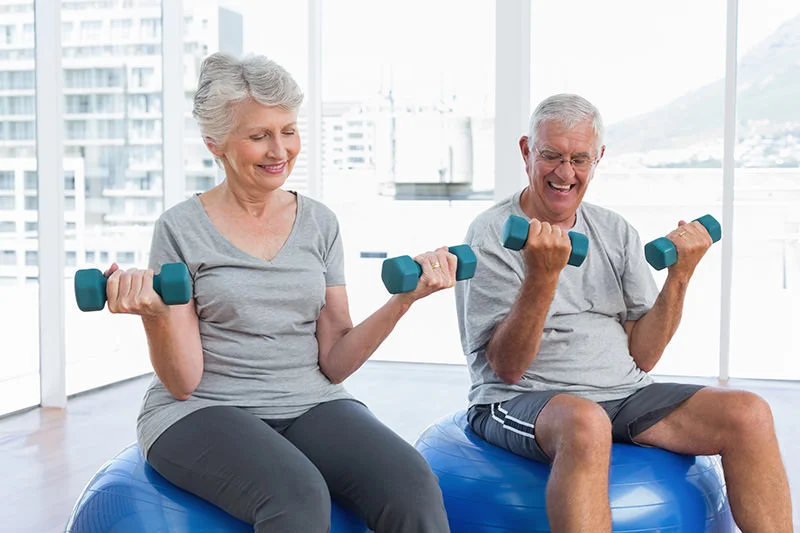
Growing older at home requires more than help with meals, bathing, or medication reminders. From a personal trainer’s perspective, it also requires consistent movement, emotional safety, and a trusted support system. Many older adults need encouragement to stay active, maintain balance, preserve strength, and protect independence. Trust makes that process easier. When seniors feel safe with the people supporting them, they are more likely to participate in exercise, communicate discomfort, and build healthy routines that support both physical and mental well-being.
Trust Starts Early
Trust often begins during the first few conversations, long before a regular schedule feels settled. Families look for patience, steadiness, and sound judgment as they consider how senior home care might fit a parent’s routines, personality, health concerns, and household rhythms. That early sense of safety matters because older adults usually accept close assistance more readily when support feels respectful, predictable, and calm.
Familiar Faces Reduce Stress
For older adults, working with a familiar trainer or caregiver can make movement feel less intimidating. The same person learns how fast someone walks, what exercises feel comfortable, which joints need extra care, and when fatigue starts to show. This familiarity helps reduce stress and makes fitness feel like a normal part of the day instead of a difficult task. Over time, seniors often become more willing to try balance work, light strength training, stretching, and walking when they feel supported by someone they trust.
Routine Helps Memory
Stable routines support memory by reducing the amount of new information an older brain must process. Many seniors function better when dressing, meals, hydration, and bedtime happen in a known sequence. A consistent caregiver can cue each step without rushing or sounding corrective. Those repeated patterns may ease confusion, especially for people living with mild cognitive impairment or early dementia.
Communication Builds Confidence
Clear communication is essential when training older adults. A personal trainer should explain each movement before asking a senior to perform it, especially when working on standing, sitting, stepping, reaching, or balance exercises. Simple cues like “push through your heels,” “stand tall,” or “hold the chair for support” can help seniors feel more confident and in control. Families also benefit from clear updates about strength, mobility, endurance, balance, and any changes noticed during sessions.
Family Bonds Stay Strong
Senior fitness can support the whole family. When an older adult becomes stronger, steadier, and more confident, family members often feel less anxious about falls, daily tasks, and overall safety. A trusted trainer can also help families understand what their loved one can still do independently and where support is still needed. This creates a more accurate picture of health and ability, which can make decisions about care feel less rushed and more informed.
Respect Protects Dignity
Dignity is especially important when working with seniors who may feel frustrated by weakness, pain, or loss of independence. A good trainer never talks down to an older adult or pushes them beyond what is safe. Instead, the goal is to encourage progress while respecting personal limits. Small improvements, such as standing from a chair more easily, walking farther, or improving posture, can help seniors feel capable and respected.
Small Changes Get Caught
Consistent fitness sessions also make it easier to notice changes. A trainer may recognize slower walking speed, reduced balance, unusual fatigue, shortness of breath, swelling, or a sudden drop in motivation. Because the trainer knows the senior’s normal movement patterns, small differences stand out sooner. These observations can help families seek medical guidance before a small issue becomes a larger problem.
Safer Help at Home
Many senior fitness goals connect directly to home safety. Strength training can help with getting out of chairs, climbing stairs, carrying groceries, and moving around the house. Balance work can reduce fall risk, while mobility exercises can make daily movement more comfortable. A familiar trainer can identify which movements are most challenging and build exercises around real-life needs, helping seniors move more safely and confidently at home.
Emotional Security Matters
Exercise is not only physical. For many seniors, regular movement provides connection, confidence, and emotional support. A calm, encouraging trainer can help reduce fear around activity, especially after a fall, illness, or long period of inactivity. When older adults feel emotionally secure, they are more likely to mention pain, dizziness, fear, or discomfort before problems worsen. That openness supports safer training and better overall care.
Conclusion
Strong senior support depends on trust, consistency, and respect. From a personal trainer’s perspective, fitness can play a major role in helping older adults maintain strength, balance, mobility, confidence, and independence. Familiar relationships make it easier for seniors to accept help, follow routines, communicate concerns, and stay active. When caregiving and senior fitness work together, aging at home can feel safer, healthier, and more dignified.