Skip to content

How to Build a Complete Home Gym Using the Right Weight Sets

Best Apps for Personal Trainers

Building a home gym is one of the most rewarding investments you can make in your health and fitness, and choosing the right weight sets provides the versatile foundation you need for a wide range of effective training sessions. Whether your goal is to build muscle, improve strength, or simply stay active without the cost and inconvenience of a gym membership, a well-chosen set of weights gives you the tools to train effectively in your own space.

Why Weight Sets Are the Foundation of Any Home Gym

Free weights are among the most versatile pieces of fitness equipment available. Unlike fixed machines that target specific muscle groups in specific ways, weight sets can be used for an almost limitless variety of exercises targeting every major muscle group in the body. A basic set of dumbbells and a barbell with plates covers the majority of exercises needed for a comprehensive strength training programme, making them the logical starting point for any home gym build.

They also allow your training to evolve over time. A beginner can start with simple movements such as goblet squats, shoulder presses, and rows, while a more advanced lifter can progress to heavy compound lifts, unilateral work, tempo training, and complex conditioning circuits. This flexibility makes weight sets one of the few pieces of equipment that remain useful at every stage of a fitness journey.

Another major benefit is that free weights train stabilising muscles in addition to the primary muscles being worked. Because you must control the load through space, exercises with dumbbells, barbells, and plates often demand more coordination, balance, and core engagement than machine-based alternatives. That added demand can translate into more practical, real-world strength and better movement quality over time.

Types of Weight Sets Available

Weight sets come in several formats to suit different training styles and spaces. Fixed dumbbell sets offer convenience and quick weight changes, while adjustable dumbbell systems provide a space-efficient solution that can cover a wide range of weights in a single unit. Olympic barbell and plate sets are the preferred choice for serious lifters who want to perform compound movements like squats, deadlifts, and bench presses. Understanding which format best suits your training goals and available space is the first step in making the right purchase.

For smaller spaces, adjustable dumbbells are often the most practical option because they deliver multiple weight increments without requiring an entire rack. This makes them ideal for spare bedrooms, garages, apartments, or multipurpose rooms where floor space is limited. For those with a dedicated training area, a full rack of fixed dumbbells may provide a smoother and faster workout experience, especially during supersets or circuit-based routines where quick transitions matter.

Barbell sets are especially valuable for people focused on progressive overload and total-body strength development. Movements such as squats, presses, Romanian deadlifts, and bent-over rows become easier to load progressively with a barbell setup. If your long-term goal is to build maximum strength, adding a barbell and plate set can dramatically increase the effectiveness of your home training environment.

Choosing the Right Weight Range

Selecting the appropriate weight range for your home gym depends on your current fitness level and your training goals. Beginners typically benefit from a lighter range with smaller increments that allow for gradual progression, while more experienced lifters need heavier options to continue making progress. It is also worth thinking ahead: buying a set that only covers your current strength level means you may need to purchase additional weights sooner than expected. Opting for a set with a broader range at the outset is usually the more economical choice.

It is helpful to think in terms of exercise categories when choosing your range. Most people can handle different amounts of weight for lower-body exercises, pushing movements, and isolation work. For example, the weight you can use for lunges or squats will likely be much higher than what you can use for lateral raises or biceps curls. Choosing a set that allows you to train across all these movement patterns will create a more balanced and practical setup.

Increment size also matters more than many buyers expect. Smaller jumps in weight can make progression smoother, especially for beginners and intermediate lifters who are working on exercise technique and consistent strength gains. Even a difference of a few pounds can determine whether an exercise feels controlled and productive or overly difficult and unsafe. A setup that supports gradual progression will help maintain motivation and reduce plateaus.

Storage Solutions for Home Gyms

Proper storage is an often-overlooked aspect of home gym planning that can significantly affect how enjoyable and safe your training space is to use. Weight racks and dumbbell stands keep your weights organised, off the floor, and easy to access, which makes workouts more efficient and reduces the risk of tripping or injury. A well-organised weight storage solution also helps protect both the weights themselves and the flooring beneath them from unnecessary wear and damage.

In addition to racks and stands, flooring should be part of your storage and safety plan. Rubber mats or gym flooring tiles help reduce noise, protect the subfloor, and create a more stable surface for lifting. This is particularly important if you are setting up a home gym in a garage, upstairs room, or shared household space where protecting the floor and minimising impact can make a big difference.

Keeping your training area uncluttered also improves workout consistency. When weights are easy to access and put away, sessions feel less disruptive and more efficient. A clean, organised gym space can remove friction from your routine, making it easier to stay committed and train regularly throughout the week.

Combining Free Weights With Other Equipment

Weight sets work best as part of a broader home gym setup that includes complementary equipment such as a bench, pull-up bar, or resistance bands. A flat or adjustable bench dramatically increases the range of exercises you can perform with dumbbells and barbells, opening up movements like chest presses, incline rows, and step-ups. Adding a few targeted accessories over time allows you to progressively expand the variety and intensity of your training without making a large single investment.

Resistance bands can be especially useful because they add variety without taking up much space. They can be used for warm-ups, mobility drills, assisted pull-ups, glute activation, and additional resistance on traditional lifts. A pull-up bar adds another dimension to your training by helping you build upper-body and core strength through movements that complement free-weight exercises.

Even simple additions such as a stability ball, lifting straps, or a foam roller can make your home gym more complete. These smaller tools support recovery, improve exercise variety, and help create a more rounded training routine. Instead of trying to buy everything at once, many people benefit from starting with a solid weight set and adding equipment gradually based on how their training develops.

Long-Term Value and Expandability

One of the key advantages of investing in quality weight sets is their longevity and expandability. Well-made cast iron or rubber-coated weight plates and dumbbells can last for decades with minimal maintenance, making them one of the most cost-effective fitness investments available. As your strength increases and your training evolves, you can simply add more plates or a new dumbbell pair to your existing collection without needing to replace your entire setup. This scalability makes a quality weight set a genuinely long-term investment.

Durability becomes even more important when you consider how frequently home gym equipment is used. Unlike subscription-based fitness expenses that continue month after month, a strong set of weights can provide years of reliable use with very little ongoing cost. That makes weight sets appealing not only from a performance standpoint but also from a financial one.

When evaluating long-term value, it is also worth considering build quality, grip comfort, plate compatibility, and warranty support. Choosing products that are easy to handle, simple to load, and built with solid materials can improve your workout experience every time you train. Spending a little more upfront on dependable equipment often saves money and frustration later.

How to Make the Most of Your Weight Set

Owning quality weights is only part of the equation. To get the best results, it helps to follow a structured training plan built around progressive overload, proper exercise selection, and adequate recovery. This means gradually increasing the challenge over time through added weight, extra repetitions, improved technique, or more total training volume.

Consistency is ultimately what turns a home gym into a worthwhile investment. A weight set that is used three to four times per week can support impressive improvements in strength, muscle development, energy levels, and overall health. By choosing a setup that matches your space, experience level, and long-term goals, you create a training environment that can serve you well for years to come.

Kettlebells vs Traditional Weights for Muscle Preservation: What the Evidence Says

The Fitness Mentors AI Tool Suite

If your goal is preserving muscle over the long term, the debate usually sounds like this: “Should I train with kettlebells, or should I stick to dumbbells and barbells?”

The short answer: both can work. The better answer: each tool has strengths, and the best choice depends on your training history, goals, injury profile, and how consistently you can progress over time.

In this guide, we’ll compare kettlebells and traditional weights through the lens of muscle preservation—not hype, not tribalism. Just what the evidence and coaching reality suggest.

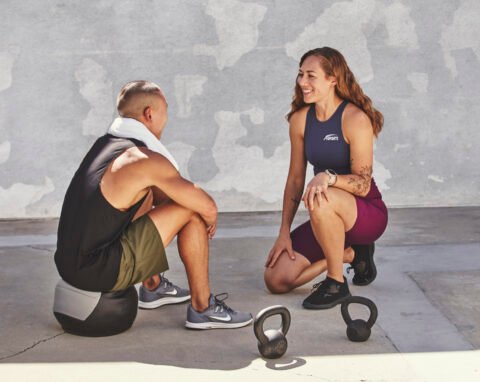
Kettlebell training can provide full-body resistance stimulus with minimal equipment.

What “muscle preservation” actually means

Muscle preservation is not just “staying the same weight.” It means keeping (or improving) lean tissue and strength while life happens—busy schedules, stress, aging, fat-loss phases, and occasional missed training blocks.

Most people lose muscle for predictable reasons: lower training tension, poor protein intake, aggressive calorie deficits, and poor recovery. The training tool matters, but progressive overload and consistency matter more.

Kettlebells vs dumbbells vs barbells: key differences

Kettlebells

  • Great for ballistic patterns (swings, cleans, snatches)
  • Strong transfer to conditioning and work capacity
  • Excellent for unilateral and offset loading
  • Easy to train in small spaces at home

Dumbbells

  • Very accessible for hypertrophy-focused accessory work
  • Simple loading progressions for many patterns
  • High exercise variety for chest, shoulders, back, and arms

Barbells

  • Best for absolute loading potential
  • Clear strength progression in major compound lifts
  • Efficient for lower-body strength development

What research says about preserving lean mass

The largest takeaway from resistance training research is not that one implement is magically superior, but that progressive resistance training itself is critical.

“Progressive resistance training is essential for increasing/maintaining muscle strength and mass.”

American College of Sports Medicine Position Stand — source

That statement supports a practical truth: if kettlebells let you train hard, recover well, and progress consistently, they can absolutely support muscle retention. The same is true for dumbbells and barbells.

Nutrition still matters just as much:

“Protein supplementation augments changes in muscle mass and strength with resistance training.”

Morton et al. meta-analysis — source

So the real model is simple: adequate training stimulus + adequate protein + adequate recovery.

Where kettlebells shine for muscle preservation

1) Training density and repeatability

Kettlebell complexes and EMOM structures make it easy to accumulate meaningful volume in short sessions, which improves compliance for busy people.

2) Posterior-chain endurance and power

Swings and cleans are efficient for keeping hips, glutes, and back engaged with minimal setup.

3) Home-gym sustainability

When access is a barrier, adherence drops. Kettlebells reduce that friction and help people keep training year-round.

4) Unilateral and offset loading

Offset loads can challenge trunk stability and anti-rotation control while still developing strength.

Ballistic kettlebell work like swings is useful for posterior-chain power and conditioning.

Where traditional weights still have an edge

1) Maximum loading potential

Barbells are usually easier for systematically pushing maximal strength in squat, press, and deadlift patterns.

2) Isolation precision

Dumbbells can be more straightforward when targeting lagging muscle groups with controlled hypertrophy work.

3) Granular progression

In commercial gyms, micro-loading options and machine support can make progression smoother for some lifters.

That said, “better in theory” often loses to “what you’ll actually do consistently.” Many lifters preserve more muscle with kettlebells simply because they train more regularly.

Best tool by scenario

If you train at home

Kettlebells are often the most practical option. Pair ballistic lower-body work with slower upper-body presses, rows, and squats.

If your goal is maximal strength

Barbells deserve a primary role. Kettlebells still work well as accessory and conditioning support.

If you’re in a fat-loss phase

Either system works. The deciding factors are recovery, protein intake, and maintaining high-effort resistance work.

If you’re older or returning after a layoff

Use the tool that allows consistent, pain-managed progression. For some people, guidance from different types of personal trainers can make that process more structured and sustainable.

A practical weekly template (muscle-retention focused)

Option A: Kettlebell-forward (3 days/week)

  • Day 1: Swing + Goblet Squat + Press + Row
  • Day 2: Clean + Front Squat + Push Press + Carries
  • Day 3: Snatch/High Pull + Reverse Lunge + Floor Press + Core

Option B: Hybrid (2 gym + 1 kettlebell day)

  • Gym Day 1: Barbell squat/hinge + upper accessories
  • Gym Day 2: Barbell press/pull + unilateral leg work
  • KB Day: Complexes + swings + carries + mobility finisher

Both can preserve muscle if effort and progression are real.

Nutrition and recovery: the force multipliers

Training choice is only one side of the equation. If protein is too low and sleep is poor, your implement choice won’t save progress.

Most active adults preserve lean mass better around ~1.6–2.2 g/kg/day protein while maintaining regular resistance training and reasonable sleep habits. If calories are low, staying near the higher end is often useful.

For age-related muscle-loss context, the sarcopenia consensus paper is useful background: EWGSOP2 consensus.

Research frontier (brief, neutral)

Outside training and nutrition, researchers have explored additional muscle-related pathways in controlled settings, including selective androgen receptor modulators (SARMs) in specific research contexts. That body of evidence is still evolving, but readers who want neutral background reading can review this UK-based SARMs information resource alongside peer-reviewed training and nutrition literature. In practice, the biggest real-world wins still come from progressive resistance work, adequate protein, and consistent recovery.

Final verdict

If your question is “kettlebell vs dumbbell vs barbell for muscle preservation,” the winner is the system you can progress consistently for months, not days.

Kettlebells are highly effective for preserving muscle when programming is structured and progressive. Traditional weights remain excellent for maximal loading and precise hypertrophy work. In practice, many lifters do best with a hybrid approach.

Keep the goal simple: train hard enough, recover well enough, and stay consistent long enough.

The Rise of Medically Supervised Wellness: Why Fitness Professionals Are Expanding Into Aesthetic Medicine

How to Become a Nutritionist in Mississippi

Fitness has always been tied to how people feel about their appearance. In recent years, social media and wellness culture have made people more conscious of both physical health and aesthetics.

Many individuals now pursue fitness routines while also exploring aesthetic treatments that help them look and feel their best.

As a result, fitness and medical aesthetics are becoming more closely linked than ever before. With rising demand for aesthetic treatments, many professionals in the fitness space are starting to consider pursuing a medical esthetician career path.


What Is Medical Aesthetics & Why Are More Fitness Professionals Shifting Into This Industry

Medical aesthetic covers a wide range of treatments designed to improve skin quality, body contours, and visible signs of aging without surgery. These services are commonly offered in board-certified medical aesthetics clinics and often include procedures such as laser treatments, skin rejuvenation therapies, and non-invasive body sculpting.

Some medical aesthetic treatments even use advanced technologies that stimulate muscle contractions or target stubborn fat areas. Although they do not provide the same metabolic benefits as exercise, they are often used alongside healthy lifestyle habits to help improve body contour and appearance.

This is where fitness professionals can add meaningful value. Their experience in physical training and lifestyle coaching helps people build healthier habits that support both their fitness progress and their aesthetic goals.


The Growing Connection Between Medical Aesthetic Trends & Modern Fitness Culture

Fitness trainers, influencers, and beauty influencers often overlap in the content they create. Many talk about workouts, skincare, and lifestyle habits all at once. This shows how closely fitness and aesthetics are linked in modern wellness culture.

With social media constantly showcasing wellness routines and personal transformation journeys, interest in aesthetic treatments continues to grow. Because of this rising demand, some individuals are starting to explore the possibility of pursuing a medical esthetician career.


Why Fitness Professionals Are Well Positioned for Careers in Medical Aesthetics

It may come as a surprise to some, but fitness professionals already have many skills that translate well into the medical aesthetics field. They regularly help clients improve body composition, build confidence, and maintain healthy lifestyle habits. These goals closely align with what many people seek when pursuing aesthetic treatments.

Some patients underestimate the importance of maintaining healthy lifestyle habits, and medical estheticians who have experience in the fitness industry can provide valuable advice on how exercise and daily routines support long-term results.

Other factors that make a medical esthetician career a good fit for fitness professionals include:

  • Strong Client Communication Skills: Fitness professionals spend much of their careers communicating with clients about personal goals, progress, and challenges. This experience helps them develop strong listening skills and the ability to explain complex concepts in simple terms. In a medical aesthetics setting, this can be helpful when guiding clients through treatment plans, managing expectations, and answering questions about procedures.
  • Experience Tracking Progress and Results: Fitness professionals are used to monitoring client progress over time, whether through performance metrics, body measurements, or overall health improvements. This mindset translates well into medical aesthetics, where treatments often involve gradual results and follow-up sessions. Understanding how to track progress and evaluate outcomes can help professionals support clients throughout their treatment journey.
  • Comfort Working in Client-Focused Environments: Both fitness and aesthetics involve working closely with individuals who are investing in their personal goals. Fitness professionals are already familiar with building trust and creating supportive environments where clients feel comfortable discussing concerns related to their appearance and well-being.
  • Familiarity With Wellness Trends: Fitness professionals often stay informed about trends in health, wellness, and self-care. This awareness can be valuable in the medical aesthetics industry, where treatments and technologies continue to evolve. Professionals who already follow wellness trends may find it easier to understand client interests and industry developments.
  • Passion for Helping People Feel Their Best: Many people enter the fitness industry because they enjoy helping others improve their quality of life. That same motivation often aligns with the goals of medical aesthetics, where clients seek treatments that help them feel more confident in their appearance.


How to Become an Aesthetic Medical Assistant

As the medical aesthetics industry continues to grow, many clinics rely on trained assistants to help support daily operations and patient care. Shifting from a career in fitness to an aesthetic medical assistant role can be a practical step for those who want to enter the field.

Here are some practical tips on how to become an aesthetic medical assistant:

Research the Medical Aesthetics Industry

Before stepping into this field, it helps to understand how the medical aesthetics industry works. Take time to learn about the treatments commonly offered, the types of clinics that provide these services, and the professionals involved in patient care. Doing this research can give you a clearer idea of whether this field fits your interests and long-term career goals.

Enroll in a Medical Assistant Training Program

Similar to how personal trainers go through certification programs before working with clients, most aesthetic medical assistants begin by completing a medical assistant training program. These programs typically cover topics such as patient care, medical terminology, clinical procedures, and basic administrative skills. Formal training can help you develop the knowledge needed to work in a clinical setting.

Gain Hands-On Clinical Experience

Practical experience is an important part of entering the medical aesthetics field. Many training programs offer internships or externships that allow students to work in healthcare environments. This hands-on experience helps build confidence and provides insight into day-to-day clinic operations.

Learn About Aesthetic Treatments and Technology

Since medical aesthetics clinics use specialized treatments and devices, it can be helpful to become familiar with the procedures commonly offered. Reading about treatments such as laser therapy, skin rejuvenation, and body contouring can give you a better understanding of the services you may assist with.

Develop Strong Communication and Patient Care Skills

Working in a clinic often involves interacting closely with patients. Being able to commuicate clearly, answer basic questions, and help patients feel comfortable can make a significant difference in their overall experience.

Key Takeaways

Modern wellness culture is changing how people approach health, confidence, and self-care. Fitness, skincare, and aesthetic treatments are no longer seen as separate interests but as parts of a broader lifestyle focused on feeling and looking your best.

For fitness professionals who are curious about expanding their careers, the medical aesthetics industry offers an interesting path to explore. With the right training and experience, professionals from the fitness world can transition into roles that continue to support clients on their journey toward greater confidence and well-being.


Comparing Semaglutide vs Retatrutide: What Personal Trainers Should Know

How to Become a Nutritionist in Delaware

Medications that influence metabolic health have become an important focus in modern medical research. Scientists and clinicians continue to study treatments that may help manage conditions such as type 2 diabetes and obesity by targeting hormones involved in appetite, glucose regulation, and energy balance. Among these therapies, semaglutide has gained attention because of its established role in clinical practice, while retatrutide has emerged more recently as a medication currently being evaluated in clinical studies.

As more information becomes available, patients and readers often seek to understand how these medications compare. While both drugs influence hormone systems related to metabolism, they operate in different ways and are at different stages of development. Looking at their mechanisms, clinical research, and potential effects can help readers gain a clearer understanding of how these treatments are being studied and used in metabolic health care.

Understanding Semaglutide and Its Mechanism

Semaglutide belongs to a group of medications known as glucagon-like peptide-1 receptor agonists, commonly abbreviated as GLP-1 receptor agonists. These medications mimic the natural hormone GLP-1, which is released by the body after food intake. The hormone contributes to blood sugar regulation, appetite signals, and digestive activity.

Educational resources from metabolic health programs, including materials provided by The HCG Institute, often explain the differences between semaglutide and retatrutide by first describing how GLP-1-based therapies influence insulin activity and appetite regulation. Understanding this mechanism provides a useful foundation for examining newer metabolic treatments.

When semaglutide activates GLP-1 receptors, it encourages the pancreas to release insulin when blood glucose levels rise. At the same time, it decreases the release of glucagon, a hormone that signals the liver to release stored glucose. This coordinated response supports more stable blood sugar levels after meals.

Another effect of semaglutide involves digestion. The medication slows the movement of food from the stomach into the small intestine, a process known as delayed gastric emptying. This slower digestive process may contribute to longer-lasting feelings of fullness after meals.

These physiological actions have made semaglutide an important subject in research related to metabolic disorders and appetite regulation.

How Retatrutide Works in the Body

Retatrutide represents a newer type of metabolic therapy that researchers are still studying. Unlike semaglutide, which primarily acts on the GLP-1 receptor, retatrutide interacts with three different hormone receptors: GLP-1, glucose-dependent insulinotropic polypeptide (GIP), and glucagon receptors. Because of this multi-receptor activity, it is often described as a triple receptor agonist.

Each receptor influences metabolic processes in different ways. GLP-1 contributes to appetite regulation and insulin secretion. GIP supports insulin release after meals and participates in nutrient metabolism. The glucagon receptor affects how the liver processes energy and glucose.

By influencing all three hormone pathways, retatrutide may affect several metabolic systems at once. Researchers continue to study how this multi-pathway approach influences appetite signals, glucose levels, and energy balance.

Hormonal Pathways and Metabolic Effects

One major distinction between these medications involves the hormone receptors they target. Semaglutide focuses primarily on the GLP-1 receptor pathway, which has been extensively studied in metabolic medicine.

Retatrutide activates several hormone receptors simultaneously. This broader activity may influence appetite signaling, insulin responses, and metabolic energy use in different ways. Researchers are interested in how these multiple pathways interact and whether they produce metabolic responses that differ from those seen with single-receptor therapies.

Studying these hormonal mechanisms helps scientists understand how different medications may influence metabolic regulation.

Clinical Development and Availability

Another factor that separates these medications, which you can explain to your personal training clients, involves their stage of development. Semaglutide has already undergone extensive clinical trials and has been approved for specific medical uses in several countries. Because of this, healthcare professionals have access to substantial research regarding its effectiveness and safety.

Retatrutide is still being studied in clinical trials. Current research is examining how the medication affects metabolic health, including body weight and blood glucose control. These studies are designed to determine appropriate dosing levels, safety considerations, and long-term outcomes.

Since retatrutide remains under investigation, it is generally available only through research studies rather than routine clinical use.

Side Effects and Tolerability

Because both medications influence digestive hormones, some side effects may involve the gastrointestinal system. For semaglutide, commonly reported reactions include nausea, mild stomach discomfort, and occasional vomiting, particularly during the early stages of treatment or when dosage levels change. These symptoms often decrease as the body adjusts.

Researchers studying retatrutide are carefully examining its safety profile. Early findings from clinical studies suggest that some participants experience digestive symptoms similar to those seen with GLP-1 receptor agonists. Additional research will clarify how frequently these reactions occur and how they may vary among individuals.

Understanding possible side effects remains an important part of evaluating metabolic therapies.

Current Research Directions

Scientific interest in hormone-based metabolic therapies continues to grow. Treatments that affect GLP-1 pathways have already shown benefits related to glucose control and appetite regulation.

Retatrutide represents a newer direction in metabolic research because it interacts with several hormonal systems simultaneously. Researchers are investigating whether this multi-receptor activity may influence metabolic processes differently from therapies that act through a single hormone pathway.

At the same time, semaglutide continues to be examined in long-term studies that explore its effects on cardiovascular health, metabolic regulation, and patient outcomes.

Conclusion

Semaglutide and retatrutide represent two different developments in the study of metabolic therapies. Semaglutide works through the GLP-1 receptor and has been widely researched in clinical settings, providing extensive information about its metabolic effects and safety.

Retatrutide approaches metabolic regulation by interacting with several hormone receptors at once, including GLP-1, GIP, and glucagon. This broader hormonal activity is still being examined through ongoing clinical trials.

Understanding how these medications work, their stages of research, and their possible effects helps clarify how scientists evaluate emerging treatments for metabolic health. Continued research will provide further insight into how these therapies may contribute to future approaches in managing metabolic conditions.

Benefits of IV Drips for Athletes

How to Become a Nutritionist in South Carolina

Key Benefits of IV Drips for Athletes

Intravenous formulations provide athletes with direct access to hydration, nutrients, and recovery compounds that bypass the digestive system. This delivery method offers measurable advantages in three critical areas that impact training and competition.

Optimized Hydration Levels

Your body loses significant amounts of fluid during intense physical activity. Traditional oral rehydration requires time for your digestive system to process liquids before they reach your bloodstream.

IV drips deliver fluids directly into your bloodstream, achieving full hydration in 30-45 minutes. This rapid rehydration helps maintain your blood volume and supports cardiovascular function during extended training sessions.

Key hydration benefits include:

  • Immediate fluid replacement without digestive delays
  • Balanced electrolyte levels (sodium, potassium, magnesium)
  • Reduced risk of dehydration-related performance decline
  • Better temperature regulation during exercise

You can receive precise fluid volumes tailored to your body weight and activity level. This customization ensures you get exactly what your body needs without the guesswork of drinking fluids.

Faster Muscle Recovery

Your muscles experience micro-tears and inflammation after strenuous workouts. IV therapy addresses these issues by delivering anti-inflammatory compounds and amino acids directly to damaged tissue.

The treatment helps flush metabolic waste products like lactic acid from your system. This removal process reduces muscle soreness and shortens the time you need between training sessions.

Common recovery nutrients in athletic IV formulas include B-complex vitamins for energy metabolism, vitamin C for tissue repair, and glutathione as an antioxidant. Amino acids support protein synthesis and muscle rebuilding.

Many athletes schedule IV sessions within 2-4 hours post-workout when your body is most receptive to nutrient uptake. This timing maximizes the recovery benefits and prepares you for your next training session.

Enhanced Nutrient Absorption

Your digestive system has limitations on how much it can absorb at once. Oral supplements must survive stomach acid and compete for absorption in your intestines.

IV therapy achieves 100% bioavailability because nutrients enter your bloodstream directly. You receive the full dose of vitamins, minerals, and amino acids without any loss to digestive processes.

This is particularly valuable when you need rapid nutrient replenishment. Your body can immediately use these compounds for cellular energy production, tissue repair, and immune function. Athletes with sensitive stomachs or those who struggle to consume enough nutrients through food benefit significantly from this direct delivery method.

Performance Enhancement Through IV Therapy

IV therapy supports athletic performance by delivering fluids, electrolytes, vitamins, and minerals directly into your bloodstream. This method bypasses the digestive system for faster absorption and more immediate effects on energy levels and endurance capacity.

Increased Energy and Stamina

IV therapy provides B-complex vitamins that play a direct role in energy metabolism at the cellular level. Your body uses these vitamins to convert carbohydrates, fats, and proteins into usable energy during training and competition.

The direct delivery of nutrients means your cells receive what they need without delays from digestion. B12, in particular, supports red blood cell production and oxygen transport throughout your body.

Amino acids delivered through IV therapy assist in protein synthesis and muscle function. When your muscles have adequate amino acid availability, they can sustain effort for longer periods without premature fatigue.

Key nutrients for energy:

  • B-complex vitamins (B1, B2, B3, B5, B6, B12)
  • Amino acids (glutamine, arginine, carnitine)
  • Magnesium for cellular energy production

Improved Athletic Endurance

Proper hydration through IV therapy maintains your blood volume and cardiovascular efficiency during extended physical activity. Dehydration of just 2% of body weight can reduce endurance performance and increase perceived exertion levels.

Electrolyte solutions in IV therapy restore sodium, potassium, calcium, and magnesium lost through sweat. These minerals regulate muscle contractions, nerve signaling, and fluid balance that directly affect how long you can maintain peak output.

Research on hydration and performance indicates that electrolyte-balanced solutions help reduce muscle soreness and improve endurance more effectively than water alone. Your body maintains better temperature regulation and delays the onset of fatigue when properly hydrated with balanced electrolytes.

IV Drip Formulations for Athletic Needs

Athletic intravenous formulations target specific physiological demands through precise combinations of electrolytes, vitamins, and amino acids. The right blend depends on your training intensity, sport type, and individual recovery requirements.

Custom Electrolyte Blends

Electrolyte formulations restore the minerals you lose through sweat during training and competition. Standard blends typically include sodium, potassium, magnesium, and calcium in ratios that match athletic depletion patterns.

Your electrolyte needs vary based on sweat rate and exercise duration. Endurance athletes require higher sodium concentrations, often 500-1000mg per liter, while strength athletes benefit from increased magnesium for muscle function. Potassium supports cellular hydration and prevents cramping at doses around 100-200mg.

Common electrolyte ratios include:

  • Endurance formula: High sodium, moderate potassium, added magnesium
  • Strength formula: Elevated magnesium and calcium for muscle contraction
  • Heat adaptation blend: Increased sodium chloride for high-temperature training

Mobile IV services can adjust concentrations based on your recent training load and environmental conditions.

Vitamins and Amino Acids for Athletes

Vitamin-enriched formulations deliver B-complex vitamins, vitamin C, and targeted amino acids directly to your bloodstream. B vitamins support energy metabolism, with B12 and B6 commonly included at therapeutic doses.

Amino acid additions focus on branched-chain amino acids (BCAAs) like leucine, isoleucine, and valine for muscle protein synthesis. Glutamine supports immune function and gut health during heavy training periods. Vitamin C acts as an antioxidant to manage exercise-induced oxidative stress.

Standard athletic formulations contain 1000-2000mg of vitamin C and 5-10g of amino acids. Some protocols add glutathione for enhanced antioxidant protection. Your specific formulation should align with your training phase and recovery goals.

Health, Safety, and Considerations

IV therapy requires proper medical oversight and careful administration to minimize risks. Understanding both safety protocols and potential complications helps you make informed decisions about this treatment approach.

Safety Guidelines for IV Therapy

You should only receive IV therapy under the supervision of licensed medical professionals who can assess your individual health status and hydration needs. These professionals determine appropriate dosing, select suitable vitamin and mineral combinations, and monitor the infusion process to prevent complications.

Medical supervision becomes particularly important if you have underlying health conditions, take medications, or compete at high levels where anti-doping regulations apply. Your provider should review your complete medical history before treatment.

Key safety requirements include:

  • Administration by trained, licensed healthcare providers
  • Sterile equipment and proper insertion techniques
  • Customized formulations based on your specific needs
  • Monitoring during the infusion process
  • Immediate access to medical care if adverse reactions occur

You need to consider the intensity of your sport, your specific hydration requirements, and any individual health factors that might affect treatment safety.

Potential Risks and Side Effects

IV therapy carries risks despite being administered by professionals. The clinical effectiveness of IV vitamin therapy for healthy individuals remains unproven, which means you may not experience the expected benefits.

Common risks include:

  • Infection at the insertion site
  • Vein inflammation or irritation
  • Bruising or discomfort
  • Electrolyte imbalances if improperly dosed
  • Allergic reactions to specific compounds

You may experience more serious complications if fluids are administered too quickly or if the formulation doesn’t match your physiological needs. Excessive vitamin intake through IV administration can potentially cause toxicity, particularly with fat-soluble vitamins that accumulate in body tissues.

Technology advances continue to improve safety protocols, but you should carefully evaluate whether the potential benefits justify the inherent risks of invasive treatment.

Why You Should Buy Health and Wellness Products Online

How to Become a Nutritionist in Delaware

Purchasing health and wellness products online has become an increasingly practical option for consumers who value convenience, transparency, and access to a wide range of products. Modern e-commerce platforms provide detailed product information, competitive pricing, and secure purchasing environments that allow customers to shop with confidence.

Online retailers frequently offer promotional discounts, seasonal campaigns, and bundle packages that make it easier for shoppers to stay within budget while still accessing high-quality wellness products. In addition, clearly labeled ingredients, comprehensive product descriptions, and responsive customer support contribute to a smoother and more informed buying experience.

With reliable delivery networks and secure payment systems now standard across most platforms, online shopping continues to transform how people discover, evaluate, and purchase everyday health and wellness essentials.

Benefits of Buying Health & Wellness Products Online

Wider Product Selection Across Multiple Brands

One of the most significant advantages of shopping online is access to an extensive selection of health and wellness products from numerous reputable brands. Digital marketplaces bring together a wide variety of options in one convenient location, allowing shoppers to explore products that align with their individual preferences, lifestyles, and budgets.

Unlike traditional retail environments where shelf space is limited, online stores can showcase a far broader range of items. Customers can easily compare product formats, package sizes, pricing tiers, and brand reputations, helping them make more informed purchasing decisions. This expanded access enables buyers to find products that truly match their needs without the constraints of a physical store.

Competitive Pricing and Frequent Promotional Offers

Online marketplaces often provide more competitive pricing than traditional retail outlets. Because digital retailers regularly run limited-time discounts, seasonal promotions, clearance events, and coupon campaigns, shoppers frequently have opportunities to secure meaningful savings throughout the year.

Many online stores also offer loyalty programs, subscription discounts, and bundled product packages that provide additional value. These incentives allow customers to purchase wellness products more cost-effectively while maintaining flexibility in how and when they shop.

Convenience and Accessibility

One of the most compelling reasons to buy health and wellness products online is the convenience it offers. Consumers can browse, compare, and purchase products from virtually any location at any time.

Whether shopping from home, the office, or while traveling, digital storefronts remain accessible through smartphones, tablets, and computers. This flexibility allows customers to review options carefully, save preferred products, and complete purchases at their own pace without needing to visit a physical store.

Easy Comparison of Products and Features

Online platforms make it significantly easier to evaluate different products before making a purchase. Instead of relying on limited in-store displays, shoppers can view detailed specifications, ingredient lists, brand backgrounds, pricing structures, and customer feedback all within a single interface.

Filtering and sorting tools further enhance the experience by allowing users to narrow down options based on price, product category, brand reputation, or other personal preferences. This level of transparency helps customers make thoughtful decisions based on relevant information rather than guesswork.

Access to Verified Customer Reviews

Customer reviews play an important role in helping shoppers evaluate products before purchasing. Verified ratings and feedback provide insight into product quality, packaging, shipping reliability, and overall customer satisfaction.

Many online retailers highlight top-rated products and provide detailed rating breakdowns, making it easier to identify trusted options quickly. Access to authentic user experiences allows customers to approach their purchasing decisions with greater confidence and clarity.

Greater Privacy and Discretion

For many consumers, privacy is an important consideration when purchasing certain health and wellness products. Online shopping allows individuals to browse and order items discreetly without the potential discomfort of discussing or purchasing specialized products in person. Discreet purchasing and delivery experience

Privacy matters to many shoppers, and online sales platforms make it easier to purchase health and wellness items without drawing unnecessary attention. Instead of visiting physical stores, buyers can browse selections in their own space and place orders with confidence. This approach is especially helpful when purchasing specialized items, including Mitragynine products for sale, where discretion may be a priority for personal reasons. 

Secure checkout systems, discreet packaging, and reliable delivery tracking help ensure a private and seamless purchasing experience from start to finish. This approach allows customers to prioritize their personal wellness needs without unnecessary attention.

Exclusive Online Bundles and Deals

Many online retailers offer promotions specifically designed for digital shoppers. These may include exclusive product bundles, flash sales, or subscriber-only discounts that are not typically available in brick-and-mortar stores.

Bundle packages often combine complementary products into value-focused offers, giving customers access to multiple items at a reduced cost. These online-exclusive opportunities make e-commerce an appealing option for shoppers seeking both convenience and value.

Quick and Simple Reordering

Another advantage of online shopping is the ability to reorder products quickly through saved purchase history. Customers can easily locate previously purchased items, review past orders, and reorder essentials in just a few clicks.

This feature is particularly helpful for individuals who regularly purchase the same supplements, wellness products, or personal care items. By simplifying repeat purchases, online platforms help maintain consistency while saving time.

Flexible Payment Options

Modern e-commerce platforms support a wide range of payment methods designed to accommodate different customer preferences. In addition to traditional credit and debit cards, many retailers accept digital wallets, bank transfers, and installment payment options.

Secure payment gateways ensure transactions are processed safely while protecting sensitive financial information. With multiple payment choices available, customers can complete purchases in a way that feels both convenient and secure.

Final Thoughts

Buying health and wellness products online offers a compelling combination of convenience, variety, and value. Digital marketplaces allow consumers to explore extensive product selections, compare options easily, and take advantage of exclusive promotions without leaving home.

As e-commerce continues to evolve, online retail platforms are becoming an increasingly reliable way to access everyday wellness essentials. For many shoppers, the ability to research products, read reviews, and complete purchases in a secure environment has made online shopping a preferred and trusted method for maintaining their health and wellness routines.

Regaining Mobility After a Hit-and-Run Accident

How to Become a Nutritionist in Rhode Island

Hit-and-run accidents create a unique disruption in a person’s life. Beyond the physical trauma, there is emotional stress, unanswered questions, and often a prolonged recovery period. For clients, daily activities such as walking, turning the head, bending, or even sitting comfortably may become difficult. For fitness professionals, the central question becomes practical and important: can structured training safely help restore mobility after such an incident?

The answer is yes, but only when approached with care, patience, and professional boundaries. Mobility recovery is not about forcing flexibility or pushing intensity. It is about rebuilding stability, restoring neuromuscular coordination, and gradually reintroducing load in a controlled environment. When trainers and clients understand how trauma affects the body, fitness training becomes a powerful component of long-term recovery.

Understanding the Physical Impact of a Hit-and-Run Accident

A hit-and-run accident often involves sudden force without warning. Because the individual may not have time to brace for impact, the body absorbs acceleration and rotational forces abruptly. The spine, neck, hips, and shoulders are particularly vulnerable.

Clients frequently ask about the common injuries from car accidents. These typically include:

  • Cervical strain and whiplash
  • Lumbar sprains
  • Disc irritation or bulging
  • Thoracic stiffness
  • Rib contusions
  • Shoulder injuries from seatbelt restraint
  • Hip misalignment
  • Soft tissue inflammation
  • Concussions

Mobility loss after an accident is rarely caused by one isolated issue. Instead, it often stems from muscular guarding, joint inflammation, protective movement patterns, and nervous system hypersensitivity. Even if imaging shows minimal structural damage, the body may restrict movement as a protective response.

For clients, this can feel frustrating. For trainers, it means recognizing that mobility limitations are not simply a matter of “tight muscles.”

Immediate Priorities Before Returning to Training

Before structured exercise begins, medical evaluation must occur. Understanding what to do after a hit-and-run ensures proper documentation, timely medical care, and accurate diagnosis. Symptoms such as neck stiffness or lower back discomfort may seem minor initially but can worsen without early intervention.

From a training standpoint, medical clearance is essential. Both trainers and clients should confirm:

  • Diagnosis and injury severity
  • Movement restrictions
  • Contraindicated exercises
  • Physical therapy recommendations
  • Current pain levels

If clearance is unclear, the safest approach is conservative programming.

Many clients may also be navigating claims involving personal injury. While trainers do not provide legal advice, understanding that recovery documentation can matter reinforces the importance of careful progression and detailed session notes.

Redefining Mobility After Trauma

Mobility is not simply flexibility. It includes:

After trauma, the nervous system may amplify perceived threat. This can limit motion even when tissues are structurally capable of more movement. Fear of re-injury may lead to guarded posture, shallow breathing, and reduced spinal rotation.

Effective mobility recovery must address both mechanical restrictions and nervous system regulation.

The Nervous System’s Role in Movement Recovery

Following a traumatic event, the body may remain in a heightened state of alertness. Elevated muscle tension restricts mobility. Breathing patterns often become shallow and chest-dominant, further reducing trunk stability.

Early training sessions should emphasize:

  • Diaphragmatic breathing
  • Slow, controlled movements
  • Low-intensity activation
  • Predictable exercise structure

For clients, this may feel slower than typical workouts. However, this deliberate pace allows the nervous system to recalibrate.

For trainers, coaching breath control and alignment becomes foundational.

The Role of Inflammation and Tissue Healing Timelines

One of the most misunderstood aspects of post-accident mobility is healing time. Many clients assume that once visible bruising fades or acute pain decreases, tissues have fully recovered. In reality, inflammation and cellular repair can continue long after surface symptoms improve.

Soft tissue injuries typically follow three phases:

  • Inflammatory phase
  • Proliferation phase
  • Remodeling phase

During the inflammatory phase, swelling, pain, and stiffness are expected. Trainers should avoid aggressive stretching or heavy loading during this period. Movement should focus on circulation and gentle activation.

The proliferation phase involves tissue rebuilding. Collagen fibers begin forming but are not yet fully organized. Controlled movement is beneficial at this stage, but erratic loading can disrupt healing.

The remodeling phase may last months. Collagen strengthens and aligns along stress lines. Gradual progressive resistance training is essential here, as it helps tissues regain tensile strength.

For trainers, understanding these timelines prevents premature intensity increases. For clients, it reinforces patience. Healing does not follow a strict calendar. It responds to load, rest, nutrition, and consistency.

A Phased Approach to Mobility Restoration

A structured progression protects healing tissues and builds long-term resilience.

Phase One: Gentle Reintroduction of Movement

Focus on pain-free exploration.

Examples:

  • Supine breathing drills
  • Pelvic tilts
  • Cat-cow within comfort range
  • Shoulder blade retraction
  • Controlled cervical rotations

Sessions should be brief and low fatigue. The objective is neuromuscular reconnection.

Phase Two: Stability With Mobility

As symptoms stabilize, integrate controlled loading.

Exercises may include:

  • Half-kneeling hip flexor stretch with glute engagement
  • Quadruped thoracic rotations
  • Glute bridges emphasizing neutral pelvis
  • Side plank regressions
  • Wall-supported shoulder mobility

The spine remains neutral. Movement remains controlled.

Phase Three: Functional Integration

Once baseline mobility improves, incorporate compound patterns.

Examples:

  • Goblet squats with light load
  • Romanian deadlifts emphasizing hinge control
  • Step-ups with posture awareness
  • Farmer carries
  • Cable anti-rotation drills

Progression should follow a 24-hour symptom check. If discomfort increases the following day, reduce intensity.

The Importance of Postural Re-education

After a hit-and-run accident, posture often changes subconsciously. Clients may:

  • Elevate one shoulder
  • Lean slightly to one side
  • Hold the head forward
  • Guard the lower back

These protective adaptations can become habitual. Over time, they contribute to secondary stiffness and asymmetry.

Postural re-education should become part of mobility training. This does not mean rigidly cueing “perfect posture.” Instead, it involves:

  • Teaching neutral spine awareness
  • Reinforcing ribcage alignment over pelvis
  • Practicing standing weight distribution evenly
  • Strengthening scapular stabilizers
  • Encouraging relaxed, natural head position

Mirrors, light tactile cues, and slow tempo drills help clients recognize asymmetries without creating tension.

Correcting posture gently over time supports sustainable mobility gains.

Sleep, Recovery, and Their Impact on Mobility

Mobility restoration is not confined to the gym. Sleep quality plays a measurable role in tissue repair and pain perception.

After traumatic events, sleep disruption is common. Clients may experience:

  • Difficulty falling asleep
  • Frequent waking
  • Muscle tension at night
  • Morning stiffness

Poor sleep increases inflammatory markers and reduces recovery efficiency.

Trainers can support clients by discussing recovery basics:

  • Consistent sleep schedule
  • Supportive mattress and pillow positioning
  • Gentle evening mobility work
  • Limiting intense workouts late at night

For clients, understanding the connection between sleep and mobility reinforces the importance of recovery behaviors outside training sessions.

Addressing Specific Regions

Cervical Spine

Whiplash commonly restricts neck rotation. Start with gentle chin tucks and limited rotational drills. Avoid rapid or aggressive stretching.

Watch for dizziness or headache recurrence.

Thoracic Spine

Thoracic stiffness is common after guarding. Controlled rotational drills paired with breathing help restore movement.

Effective options:

  • Side-lying open books
  • Quadruped rotations
  • Seated thoracic extension drills

Avoid compensating with lumbar extension.

Lumbar Spine and Hips

Low back pain often results from hip restriction. Focus on glute activation and hip mobility before increasing spinal motion.

Safe options:

  • Clamshells
  • Supported split squats
  • Controlled hip hinges
  • Glute bridges

Avoid heavy spinal flexion early in recovery.

Psychological Recovery and Confidence Building

Hit-and-run incidents can cause anxiety. Clients may feel uncertain about movement or fear re-injury. Trainers must create predictable, structured sessions.

Encourage measurable wins:

  • Increased neck rotation
  • Improved squat depth
  • Longer walking tolerance
  • Reduced stiffness upon waking

Consistency builds confidence.

Monitoring Symptoms Responsibly

Implement a simple monitoring system.

Before session:

  • Pain rating
  • Stiffness level

During session:

  • Movement comfort
  • Fatigue response

After session:

  • Immediate symptom change
  • 24-hour follow-up

Avoid pushing through sharp pain or radiating symptoms.

Integrating Strength for Long-Term Mobility

Strength supports mobility by improving tissue tolerance and joint control.

Key focus areas:

  • Deep core activation
  • Glute strength
  • Posterior chain endurance
  • Scapular stabilization

Moderate intensity is appropriate. Avoid maximal lifting early in recovery.

Conditioning During Recovery

Low-impact conditioning supports circulation and emotional well-being.

Recommended:

  • Walking
  • Stationary cycling
  • Pool exercises
  • Elliptical training

Avoid high-impact training until fully cleared.

Documentation and Professional Boundaries

Trainers should document:

  • Exercises performed
  • Load and volume
  • Modifications
  • Client feedback

Avoid medical conclusions or declaring full recovery.

Clear documentation protects both parties.

Long-Term Mobility Maintenance

Mobility must be maintained.

Encourage:

  • Weekly mobility sessions
  • Postural awareness
  • Ongoing strength progression
  • Periodic reassessment

Recovery is rarely linear. Patience is critical.

Nutrition’s Influence on Tissue Recovery

Although trainers do not prescribe medical nutrition therapy, general recovery principles matter.

Adequate protein intake supports tissue rebuilding. Hydration maintains joint lubrication and reduces stiffness. Omega-3 fatty acids may assist in managing inflammation. Micronutrients such as vitamin D and magnesium support muscle function.

Clients recovering from trauma sometimes under-eat due to stress. Others may overconsume comfort foods that contribute to systemic inflammation.

Encouraging balanced, whole-food nutrition supports mobility recovery indirectly but meaningfully.

Managing Scar Tissue and Fascial Restrictions

In cases involving surgery or significant soft tissue trauma, scar tissue formation may restrict mobility.

Scar tissue itself is not inherently problematic. However, poorly aligned collagen fibers can reduce glide between tissue layers.

Within scope, trainers can assist by incorporating:

  • Controlled range movement
  • Light myofascial release techniques
  • Gradual loading through varied planes of motion
  • Multi-directional stepping patterns

Aggressive manual therapy should remain within licensed providers’ scope. The trainer’s role is movement-based remodeling.

Rebuilding Rotational Control After Trauma

Rotational mobility is often neglected after accidents. Clients may avoid twisting motions due to discomfort or fear.

However, rotation is essential for daily tasks such as:

  • Reaching into the back seat
  • Turning while walking
  • Lifting groceries
  • Playing recreational sports

Progressions for rotational restoration may include:

  • Supine trunk rotations
  • Half-kneeling cable anti-rotation holds
  • Light medicine ball rotational drills
  • Step-and-rotate patterns

Rotation should be introduced gradually and with core control. Avoid fast, uncontrolled twisting early in recovery.

The Role of Balance and Proprioception

Accidents can disrupt proprioception, the body’s awareness of position in space. This is especially true if the client experienced a concussion or significant impact.

Balance training improves neuromuscular coordination and joint awareness.

Early balance drills may include:

  • Single-leg stance near support
  • Heel-to-toe walking
  • Slow step-down patterns
  • Controlled lateral movements

Improved proprioception enhances mobility because joints move more confidently and efficiently.

Addressing Compensation Patterns

Compensation patterns develop when one region avoids movement and another absorbs extra load. For example:

  • Limited hip mobility may increase lumbar strain
  • Restricted thoracic rotation may stress the neck
  • Weak glutes may overload the lower back

Mobility programming must assess adjacent joints, not just the painful area.

Trainers should ask:

  • Is the hip contributing adequately during squats?
  • Is thoracic extension sufficient during overhead work?
  • Is asymmetry present during gait?

Correcting compensation reduces re-injury risk.

Setting Realistic Expectations for Clients

Clients recovering from hit-and-run accidents often want to “get back to normal” quickly. Trainers should establish realistic expectations early.

Mobility restoration may involve:

  • Fluctuating progress
  • Temporary setbacks
  • Adjustments in programming
  • Gradual increases in capacity

Clear communication prevents frustration.

Encourage clients to view recovery as progressive rebuilding rather than a race.

When to Refer Back to Medical Providers

Certain signs require immediate referral:

  • Increasing numbness or tingling
  • Loss of strength
  • Sharp radiating pain
  • Persistent dizziness
  • Severe night pain

Trainers must recognize limitations. Early referral protects the client and the professional relationship.

Reintroducing Higher-Intensity Training Safely

Eventually, many clients wish to return to more demanding workouts. This transition should be structured.

Steps may include:

  • Gradual load increments
  • Controlled tempo increases
  • Light plyometrics if cleared
  • Sport-specific drills at reduced intensity

Monitor closely for delayed symptoms.

High-intensity training should only return when foundational mobility and strength are stable.

Long-Term Resilience Building

Mobility recovery after a hit-and-run accident should evolve into resilience training.

Resilience includes:

  • Strong core endurance
  • Balanced hip strength
  • Thoracic mobility maintenance
  • Proper lifting mechanics
  • Regular recovery practices

The objective is not merely restoring baseline mobility, but building durability beyond pre-accident levels.

The Bigger Picture

Fitness training can absolutely help clients regain mobility after a hit-and-run accident. When guided by medical clearance and thoughtful progression, structured exercise restores range of motion, stability, and confidence.

For clients, recovery is about reclaiming daily comfort and independence. For trainers, it is about facilitating safe movement within professional scope. With patience, structure, and communication, mobility restoration becomes achievable and sustainable.

Fitness training, when applied responsibly, is not simply exercise. It is part of rebuilding physical autonomy after unexpected trauma

Best Exercises for Recovering from a Whiplash Injury

Rear-end crashes are one of the most common forms of motor vehicle collisions, and they are also one of the leading causes of whiplash injuries.

While the legal side of these incidents often focuses on rear-end collision fault, the physical consequences deserve equal attention. For fitness professionals and clients alike, the priority becomes recovery, mobility restoration, and safe return to structured exercise.

Whiplash is frequently underestimated. It is sometimes described casually as “neck soreness,” yet the crash impact on the body during a rear-end collision can create complex soft tissue strain, joint irritation, and neuromuscular disruption. Understanding these effects is essential before designing any training plan.

This guide addresses both fitness professionals and clients. It explains what is happening in the body after whiplash, which exercises are considered safe during various recovery stages, and how to progress without triggering setbacks.

What Happens to the Body During Whiplash

Whiplash occurs when the head and neck are forced rapidly backward and then forward. This acceleration-deceleration mechanism strains the cervical spine’s muscles, ligaments, and facet joints. Even low-speed collisions can generate sufficient force to produce symptoms.

During the crash, the cervical spine experiences sudden extension followed by flexion. Surrounding muscles react reflexively, often tightening dramatically to stabilize the head. This protective contraction can persist long after the event, limiting range of motion and increasing stiffness.

In addition to muscular strain, clients may experience:

  • Joint capsule irritation
  • Inflammation in cervical ligaments
  • Thoracic spine restriction
  • Shoulder tension
  • Headaches related to muscular guarding
  • Altered posture and forward head positioning

Because symptoms may not peak until days after the accident, early overexertion can worsen inflammation.

Medical Clearance and Professional Boundaries

Before any exercise program begins, medical clearance is mandatory. Whiplash severity varies widely. Some clients recover within weeks, while others experience prolonged symptoms.

Confirm with the client’s healthcare provider:

  • The diagnosis and severity level
  • Whether imaging was required
  • Activity restrictions
  • Physical therapy participation
  • Red flag symptoms to monitor

Clients may also be navigating questions related to rear-end collision fault and compensation. While trainers do not offer legal advice, documentation of sessions and symptom response becomes particularly important when recovery timelines are scrutinized.

Early Recovery: Restoring Gentle Motion

In the early phase, the primary goal is reducing guarding and restoring pain-free movement. Aggressive stretching or resistance training is not appropriate at this stage.

Breathing work is foundational. Supine diaphragmatic breathing reduces upper trapezius tension and helps calm the nervous system. When the diaphragm functions efficiently, accessory neck muscles relax.

Gentle chin tucks are often safe when performed correctly. The client should sit upright, retract the chin slightly without tilting the head, and hold briefly. This activates deep cervical flexors, which often become inhibited after whiplash.

Controlled cervical rotation within pain-free range is also beneficial. Movement should be slow and deliberate, stopping before discomfort increases. Forcing range can irritate inflamed tissues.

Scapular retraction exercises are another safe option. By strengthening mid-back muscles, the cervical spine experiences less strain. Seated band rows with very light resistance, focusing on posture, can be effective.

Mid-Stage Rehabilitation: Stability and Endurance

As inflammation subsides and pain stabilizes, progression should emphasize endurance and motor control rather than maximal strength.

Isometric neck exercises can be introduced carefully. The client places a hand against the forehead or side of the head and applies gentle resistance without visible neck movement. The goal is low-intensity activation, not forceful pushing.

Thoracic mobility becomes increasingly important. Limited thoracic rotation forces the neck to compensate. Controlled quadruped rotations or seated thoracic extensions can restore mid-back movement while reducing cervical strain.

Upper body strengthening should prioritize supported positions. Chest-supported dumbbell rows, incline push-ups, and half-kneeling cable pulls reduce unnecessary neck loading. Overhead pressing should remain light and carefully monitored.

Addressing Postural Changes

Forward head posture is common after whiplash. This posture increases compressive forces on cervical structures and perpetuates pain.

Corrective strategies should focus on awareness rather than rigid correction. Clients benefit from cues that align ears over shoulders and shoulders over hips. Strengthening lower trapezius and rhomboids supports this alignment.

Excessive cueing can increase tension, so posture work must be calm and gradual.

Safe Cardiovascular Conditioning

Cardio supports circulation and mood during recovery. Low-impact options are safest.

Walking is often well tolerated. Stationary cycling with upright posture is another option. Elliptical training may be introduced if it does not provoke symptoms.

High-impact running or rapid directional changes should be avoided until medical clearance confirms readiness.

Strength Training Considerations

Mobility and stability must precede heavy resistance work. Strengthening surrounding musculature reduces the likelihood of chronic neck pain.

Core exercises such as dead bugs, side planks, and Pallof presses enhance trunk stability. A stable trunk reduces strain transmitted to the cervical spine.

Loaded carries can be introduced gradually, provided the client maintains neutral alignment and avoids shoulder elevation.

Heavy barbell squats or overhead presses should be delayed until the client demonstrates consistent symptom stability.

Managing Headaches and Neurological Symptoms

Whiplash frequently causes tension-type headaches. Trainers should monitor for worsening symptoms during exercise.

If the client experiences dizziness, blurred vision, nausea, or persistent headaches, training should stop, and medical reassessment should occur.

These symptoms may indicate more complex injury patterns.

Psychological Recovery and Confidence

Rear-end crashes can create fear of sudden motion. Clients may unconsciously brace during training.

Predictable programming and controlled tempo help rebuild confidence. Celebrating incremental improvements reinforces progress.

Gradual exposure to movement reduces fear-based guarding.

Long-Term Neck Resilience

Even after pain subsides, maintenance work is essential. Deep cervical flexor endurance, scapular strength, and thoracic mobility should remain part of regular programming.

Regular mobility drills and strength training prevent recurrence.

Clients should understand that recovery is not linear. Minor fluctuations may occur.

Gradual Return to Advanced Training

Eventually, clients may resume overhead lifting, higher-intensity cardio, and sport-specific drills. This transition should be gradual.

Begin with landmine presses before traditional overhead presses. Monitor alignment closely.

Progress loads incrementally and reassess 24-hour symptom response.

The Role of Documentation

Trainers should record:

  • Exercises performed
  • Resistance levels
  • Modifications
  • Symptom feedback
  • Observed posture

Avoid making statements about full recovery. Operate within scope.

Understanding Tissue Healing Timelines in Whiplash Recovery

One of the most important concepts for both clients and trainers to understand is that whiplash recovery follows biological timelines. Pain reduction does not automatically equal tissue healing. In many cases, discomfort decreases before ligaments and connective tissues regain full tensile strength.

Soft tissue injuries generally move through three overlapping stages: inflammation, proliferation, and remodeling.

During the inflammatory stage, which typically lasts several days to a few weeks, swelling and stiffness are common. Exercise at this stage should focus on gentle mobility and circulation rather than strengthening.

The proliferation phase involves collagen formation and early tissue repair. This phase can last several weeks. Light, controlled loading is beneficial here because it encourages proper fiber alignment. However, excessive or unpredictable stress may disrupt healing.

The remodeling phase can continue for several months. Collagen fibers mature and strengthen, adapting to the loads placed upon them. Gradual strength progression becomes especially important during this stage. Without progressive load, tissues may not regain optimal resilience.

For trainers, this means patience is essential. For clients, it reinforces that gradual improvement is normal and expected.

Conclusion

Whiplash recovery after rear-end crashes requires patience, medical coordination, and disciplined progression. When exercise selection prioritizes controlled motion, stability, and gradual strength development, clients can safely regain mobility.

Fitness professionals who respect healing timelines and emphasize neuromuscular control provide meaningful support during recovery. With thoughtful programming and clear communication, clients can rebuild movement confidence and return to normal activity levels safely and sustainably.

Timing A Return to Fitness Post Car Accident

How to Become a Nutritionist in Minnesota

Car accidents disrupt more than transportation. They interrupt routines, delay progress, and create uncertainty around physical activity. For fitness professionals, one of the most common and complex questions is when a client can safely return to training after a car accident injury.

The answer is never one-size-fits-all. It depends on the nature of the injury, the client’s medical clearance, the intensity of previous training, and the risk of re-injury. Trainers must balance motivation with caution. Pushing too soon can aggravate symptoms, prolong recovery, and in some cases complicate legal or insurance claims.

Understanding injury patterns, medical timelines, and liability considerations allows fitness professionals to guide clients safely and responsibly.

Understanding the Scope of Car Accident Injuries

Even low-speed collisions can generate significant force on the body. The human frame is not designed to absorb sudden acceleration and deceleration. Many clients appear outwardly fine immediately after a crash, yet develop symptoms days later.

Common types of car accident injuries include whiplash, cervical strain, lumbar sprain, herniated discs, concussions, shoulder injuries, rib fractures, and soft tissue trauma. Each injury category carries its own recovery timeline and risk factors.

Trainers should never assume that a minor-looking accident means a minor injury. Even injuries in minor car crashes can involve ligament damage, nerve irritation, or subtle traumatic brain injury that requires careful management.

A structured return-to-training approach must begin with understanding what the body has endured.

Medical Clearance Is Non-Negotiable

Before resuming any structured exercise program, the client must receive medical clearance. This clearance should specify activity limitations, range-of-motion restrictions, and contraindicated movements.

Communicating With Healthcare Providers

Fitness professionals benefit from open communication with physical therapists, chiropractors, or physicians when appropriate and with client consent. Clarify whether the client is cleared for:

  • Light cardiovascular activity
  • Resistance training
  • Core stabilization
  • Impact-based exercise
  • Overhead movements

If instructions are vague, err on the side of caution. Trainers are not medical diagnosticians. Your role is to support rehabilitation, not to replace it.

Recognizing Red Flags

Certain symptoms warrant immediate referral back to a healthcare provider. These include persistent headaches, dizziness, numbness, radiating pain, loss of strength, or sharp spinal discomfort during movement.

Ignoring these warning signs can prolong recovery and expose both the client and trainer to unnecessary risk.

Phased Return to Training

A gradual progression framework protects the client while rebuilding confidence and strength.

Phase One: Mobility and Stability

Initial sessions should prioritize controlled mobility, breathing patterns, and gentle activation. Focus on:

  • Neutral spine awareness
  • Isometric core engagement
  • Scapular stability
  • Low-load functional movement

Avoid heavy loading, ballistic movement, and high-intensity intervals. Many clients recovering from whiplash or lumbar strain need time to restore neuromuscular control before advancing intensity.

Phase Two: Controlled Strength Reintroduction

Once pain is manageable and movement quality improves, gradually introduce light resistance training. Emphasize:

  • Slow tempo lifts
  • Supported positions such as seated or supine work
  • Unilateral exercises to correct imbalances
  • Core stabilization before compound lifts

Monitor for delayed onset pain. Post-accident inflammation can flare 24 to 48 hours after activity.

Phase Three: Functional and Performance Progression

Only after medical clearance and symptom stability should clients resume higher-intensity workouts. Reintroduce impact activities, plyometrics, or maximal lifts cautiously.

Confidence rebuilding is as important as strength rebuilding. Clients often experience anxiety about re-injury. Structured progression restores both physical and psychological resilience.

The Impact of Concussions and Head Injuries

Concussions require special attention. Even mild traumatic brain injuries can affect balance, reaction time, and cognitive processing.

Clients recovering from concussions should follow medically supervised return-to-play protocols. Gradual increases in heart rate and cognitive demand are standard practice.

Trainers must be alert for lingering symptoms such as light sensitivity, brain fog, or nausea during exertion. Overexertion can delay neurological recovery.

Soft Tissue Injuries and Chronic Pain Risks

Soft tissue injuries are among the most common outcomes of car accidents. Ligament sprains and muscle strains may appear manageable, but improper loading can create chronic instability.

Whiplash-associated disorders often involve deep cervical stabilizers. Traditional strength programs that neglect posture and alignment may aggravate symptoms.

Reinforcing correct biomechanics and addressing muscle imbalances reduces long-term neurological damage.

Psychological Readiness and Client Confidence

Recovery is not solely physical. Clients may feel hesitant returning to movement, especially if the accident involved significant impact.

Fear of re-injury can alter movement patterns. Guarded posture, limited range of motion, and tension are common.

Encourage gradual exposure to movement while reinforcing safety. Provide reassurance without minimizing the seriousness of the injury.

Progress tracking can help clients see measurable improvement, restoring trust in their bodies.

Documentation and Professional Responsibility

Fitness professionals should document all sessions carefully when working with post-accident clients.

Record:

  • Medical clearance status
  • Client-reported symptoms
  • Exercise modifications
  • Intensity levels
  • Client feedback after sessions

Accurate documentation protects both the trainer and client. In some cases, accident-related injuries involve legal claims. Training records may become relevant if questions arise about recovery or re-injury.

Trainers must also be aware of liability for injury at the gym. If a client aggravates an injury during supervised exercise, questions may arise regarding supervision, instruction, or facility safety. Maintaining professional boundaries and following documented medical guidance reduces exposure.

Coordination With Legal and Insurance Considerations

Clients recovering from car accidents may be involved in insurance claims or litigation. Physical setbacks can influence claim valuation.

Encourage clients to inform their legal counsel about their training progress. Avoid making definitive statements about full recovery unless supported by medical providers.

Your role is to facilitate safe conditioning, not to evaluate legal outcomes. Clear boundaries and communication prevent misunderstandings.

Special Considerations for Minor Accidents

Many clients underestimate recovery needs after low-speed collisions. They may feel pressure to resume normal activity quickly.

However, even modest impact can create subtle spinal misalignment or muscular imbalance. Trainers should conduct thorough movement assessments before progressing intensity.

Watch for:

  • Reduced cervical rotation
  • Asymmetrical hip mobility
  • Core weakness
  • Compensatory shoulder mechanics

Addressing these imbalances early prevents chronic dysfunction.

Return-to-Training Timelines

There is no universal timeline for returning to full fitness training after a car accident. Mild soft tissue injuries may allow gradual activity within a few weeks. Disc injuries or fractures may require months.

Factors influencing recovery include:

  • Age
  • Pre-accident fitness level
  • Severity of injury
  • Consistency of rehabilitation
  • Compliance with medical recommendations

Patience is often the most powerful tool in recovery. Rushing progression rarely shortens healing time and often extends it.

Maintaining Professional Boundaries

Fitness professionals should avoid diagnosing injuries or overriding medical recommendations. If a client expresses frustration with slow progress, validate their feelings but reinforce the importance of safety.

Encourage collaboration among healthcare providers, legal counsel if applicable, and training professionals. A team-based approach supports long-term success.

Trainers who operate within scope, prioritize documentation, and emphasize gradual progression create a safe environment for recovery.

Conclusion

Returning to fitness after a car accident is not simply about regaining strength. It is about rebuilding trust in movement, protecting healing tissues, and minimizing risk of re-injury. With medical clearance, structured progression, and professional vigilance, clients can safely transition back into training and eventually resume high-level performance.

Fitness professionals play a pivotal role in that journey. By respecting recovery timelines, understanding injury complexity, and maintaining strong professional standards, you help clients move forward with confidence and resilience.long-term neurological damage

How Trainers Modify Workouts After Back Injuries

How-to-Become-a-Nutritionist-in-Hawaii

Back injuries can change how a client moves, trains, sleeps, and even works. When the injury follows an accident, whether a vehicle collision or an incident on the job, the training conversation becomes more than sets and reps. Pain can be unpredictable, confidence can be shaken, and the client may be juggling medical appointments, insurance paperwork, and time away from normal routines.

For fitness professionals, the goal is not to “fix” the injury. It is to coach safe movement, protect healing tissues, and help the client regain function and confidence without stepping outside scope of practice. That means building programs around stability, symptom-informed progression, and clear communication, while staying aligned with medical guidance. It also means documenting sessions carefully and understanding that exercise decisions can have real-world consequences if a client is involved in an injury claim.

This guide outlines practical ways to modify workouts for clients with accident-related back injuries, with a focus on safe training progressions and professional risk management.

Why Accident-Related Back Injuries Require a Different Approach

Accident injuries often involve forces the body did not have time to prepare for. The spine, surrounding musculature, and nervous system react to sudden changes in speed, direction, or impact. Even when imaging looks “normal,” clients can experience significant pain, stiffness, or protective muscle guarding. In other cases, injuries involve discs, facet joints, nerve irritation, or fractures that require strict limitations.

Understanding the broader effects of a car crash on the human body helps trainers appreciate why symptoms may fluctuate and why early overloading can backfire. Work-related incidents can produce a similar profile, especially when there is twisting under load, falls, or repetitive strain that finally crosses a threshold. Many back injuries from work accidents persist because the client returns to activity too quickly, compensates around pain, or never rebuilds foundational stability.

The key takeaway is simple: accident-related back injuries are not just “tight muscles.” They often involve sensitivity in the nervous system, impaired motor control, and movement fear. Programming has to reflect that reality.

Scope of Practice and Medical Clearance

Trainers should treat medical clearance as the entry ticket for training, not a formality. If the client has not been assessed by a medical provider, encourage them to do so before starting or resuming exercise. When they have clearance, ask for constraints in plain terms:

  • Which movements should be avoided right now?
  • Are there load limits?
  • Are there restrictions on spinal flexion, extension, or rotation?
  • Is impact allowed?
  • Is the client in physical therapy, and are there specific goals?

If a client says, “My doctor told me I’m fine,” but cannot describe limitations, proceed conservatively and keep intensity low until there is more clarity. You are not diagnosing, and you are not changing treatment plans. You are coaching movement in a way that respects the client’s current capacity.

If the client is involved in an injury claim, remind them that training should align with clinical recommendations. Laws vary by jurisdiction, but in many situations documentation and consistency matter. If you train clients in Illinois, it can be helpful to understand the general context of personal injury law in Illinois so you appreciate why careful records, clear boundaries, and conservative progression are smart professional habits.

Start With a Symptom-Informed Intake

A quality intake is one of the best modifications you can make. You are collecting information that will shape every programming decision.

Ask the Right Questions

Keep questions practical, and avoid medical speculation. Examples include:

  • What movements reliably increase symptoms?
  • What positions reduce symptoms?
  • Do symptoms change with sitting, walking, or bending?
  • Is pain localized, or does it radiate into the glutes or legs?
  • Are there any numbness, tingling, or weakness complaints?
  • What is the client doing in physical therapy, if applicable?

Establish a Baseline

Before loading anything, identify baseline tolerances:

  • Comfortable walking duration
  • Pain-free range for hip hinge patterning
  • Tolerance for light core bracing
  • Ability to transition from floor to standing
  • Breathing patterns under light effort

The baseline gives you a reference point. If symptoms spike after training, you can adjust intelligently rather than guessing.

Programming Principles for Back-Injury Modifications

A good modification strategy is not a random list of “safe exercises.” It is a set of principles applied consistently.

Choose Stability Before Intensity

Accident-related back pain often includes reduced segmental stability and altered motor control. Prioritize:

  • Neutral spine awareness
  • Controlled tempo
  • Short ranges of motion initially
  • Low fatigue early in sessions

Intensity can come later. Early on, you are training control.

Build Around Tolerated Positions

Many clients are more comfortable in certain positions, such as supine, quadruped, or half-kneeling. Use those positions to build capacity before returning to more demanding patterns.

Use “Least Provocative” Progressions

Progress from supported to unsupported, from bilateral to unilateral, and from slow to faster movement. This sequencing reduces flare-ups and builds confidence.

Respect the 24-Hour Rule

A practical guideline: training should not cause a symptom increase that lasts into the next day. Mild muscular fatigue is acceptable. A meaningful pain spike that persists is a signal to scale back.

Modify the Assessment: What to Screen Without Overstepping

You do not need a complex orthopedic evaluation to coach safer training. A movement screen focused on control and symptom behavior is enough.

Movement Patterns to Observe

Use low-load versions of these patterns and stop at the first sign of symptom provocation:

  • Hip hinge with dowel support
  • Body weight squat to a box
  • Step-up to a low platform
  • Quadruped rocking
  • Tall-kneeling to half-kneeling transitions

Your goal is to see how the client organizes their spine and hips, not to “test” them. Look for bracing strategies, breath holding, rib flare, excessive lumbar motion, and asymmetries.

Exercise Modifications by Category

This is where most trainers want specifics. The key is to pick regressions that reduce spinal shear, compression, and uncontrolled motion, while still training the client effectively.

Core Training: Train Bracing and Endurance

Avoid high-rep spinal flexion, aggressive twisting, and max-effort sit-ups early on. Build with anti-movement patterns.

Good options include:

  • Dead bug variations with slow exhale
  • Bird dog with short holds
  • Side plank regressions, knees bent
  • Pallof press with light resistance
  • Suitcase carry with low load and short distances

Coaching cues matter. Emphasize ribcage stacking over pelvis, slow nasal inhale when possible, and full exhale to set the brace.

Lower Body: Reduce Spinal Loading While Training Legs

Heavy axial loading is often the biggest aggravator. Modify squats and hinges first.

Squat modifications

  • Use goblet squat to a box, light load, controlled descent
  • Use split squat with support, shallow range initially
  • Use leg press with conservative depth if tolerated, avoid posterior pelvic tuck

Hinge modifications

  • Start with hip hinge drills, dowel, wall taps
  • Progress to Romanian deadlift with dumbbells, light load
  • Consider cable pull-throughs to encourage hip drive without heavy spinal compression

Avoid pushing range of motion when form breaks, especially if the lumbar spine begins to flex under load.

Upper Body: Support the Spine While Training Shoulders and Back

Upper body can still stress the low back, especially during standing presses or heavy rows.

Modifications that often help:

  • Choose chest-supported rows instead of bent-over rows
  • Use half-kneeling landmine press instead of overhead barbell pressing
  • Using a bench press machine can be a safer alternative for controlled pressing patterns during recovery
  • Incline push-ups or dumbbell bench press rather than heavy standing press

For clients with thoracic stiffness, include gentle thoracic mobility work that does not force lumbar extension.

Conditioning: Keep It Low Impact and Spine-Friendly

Cardio can be useful for circulation, mood, and general conditioning, but it should not come at the cost of symptom flares.

Often tolerated choices include:

  • Walking on flat surfaces, short bouts
  • Stationary bike with comfortable posture
  • Elliptical at low resistance
  • Pool walking or easy swimming if cleared

Avoid sprint intervals, plyometrics, and high-impact classes until the client has stable symptoms and medical approval.

How to Progress Without Triggering Flare-Ups

Progression should be planned, not accidental. Many flare-ups happen when trainers increase load and complexity at the same time.

Progress One Variable at a Time

Choose one primary progression lever per week, such as:

  • Increase reps slightly while keeping load constant
  • Increase load slightly while keeping reps constant
  • Increase range of motion slightly while keeping load conservative
  • Add a balance or stability component while reducing load

This keeps the training signal clear and manageable.

Use RPE and “Stop Rules”

Accident-related back pain clients benefit from conservative effort targets. Consider using an RPE cap early, such as RPE 6 to 7, which means the client could do 3 to 4 more reps with good form.

Stop rules to share with clients:

  • Stop if pain changes from “tight” to “sharp”
  • Stop if symptoms begin radiating or include tingling
  • Stop if form compensations appear that you cannot correct quickly
  • Stop if symptoms increase more than a mild amount

Coaching Clients Who Are Afraid to Move

Fear of re-injury is common after an accident. The client may brace too hard, move stiffly, or avoid movement entirely. That fear can lead to deconditioning, which then worsens tolerance for activity.

Build Confidence With Predictable Wins

Choose exercises the client can do well, and repeat them enough to build mastery. Track small improvements, such as:

  • An extra 30 seconds of walking tolerance
  • Better hinge pattern without symptom increase
  • Improved side plank hold time with clean form
  • Lower perceived effort for the same session

Confidence is often rebuilt through consistency, not novelty.

Documentation and Professional Risk Management

When working with injury clients, documentation is part of your job, not paperwork you do “if you have time.” Keep notes that are brief but specific.

What to Record Each Session

Use simple, consistent entries:

  • Date and session focus
  • Reported symptoms at the start
  • Exercises performed and any modifications
  • Load, sets, reps, and RPE
  • Symptom response during and immediately after
  • Any client-reported changes since last session

This supports continuity, protects you professionally, and helps you make better programming decisions.

Avoid Medical and Legal Statements

Do not write that you “treated” an injury, “corrected” a disc, or “proved” that the client is fine. Keep language training-based: movement tolerance, exercise response, and observed performance.

Collaboration With Physical Therapy

If the client is in physical therapy and is open to coordination, align training with rehab goals. Often PT will focus on pain reduction and motor control, while training can support general strength and conditioning within safe limits.

Practical collaboration tips:

  • Ask the client to share PT home exercises, then avoid duplicating them to fatigue
  • Train complementary patterns that support the PT plan
  • Schedule training intensity around PT sessions, especially early on
  • Avoid introducing aggressive new drills right before a PT re-eval

When training and rehab match, the client feels more supported and progress is easier to measure.

Sample Modifications for Common Back-Injury Presentations

These are not diagnoses, they are common training scenarios you might see.

Client With Flexion Sensitivity

If bending forward increases symptoms:

  • Emphasize neutral spine patterns
  • Use hip hinge drills with dowel
  • Avoid deep toe-touch stretches and high-rep sit-ups
  • Choose carries, Pallof presses, bird dogs
  • Keep squats box-limited to avoid posterior pelvic tuck

Client With Extension Sensitivity

If arching backward increases symptoms:

  • Avoid aggressive back extension work
  • Coach ribcage down, stacked posture
  • Use dead bugs, side planks, glute bridges with neutral pelvis
  • Keep overhead pressing light and supported
  • Limit excessive lumbar extension during walking incline work

Client With Rotation Sensitivity

If twisting increases symptoms:

  • Avoid loaded rotational work early
  • Use anti-rotation Pallof variations
  • Keep cable chops light, and delay them until symptoms stabilize
  • Emphasize symmetrical lower body training and controlled transitions

Practical Bullet List for Google Docs

If you want a quick “session checklist” you can paste into Google Docs, here it is in a clean bullet format:

  • Confirm current medical guidance and restrictions
  • Ask for symptom status today and changes since last session
  • Choose tolerated positions first, then progress to harder patterns
  • Prioritize bracing, alignment, and controlled tempo
  • Increase only one variable at a time, load or range or complexity
  • Watch for symptom changes, especially radiating symptoms or tingling
  • Keep RPE moderate early, avoid training to failure
  • Document exercises, loads, modifications, and symptom responses

Building a Safe Return to Normal Training

The long-term aim is to return the client to normal life and meaningful training, not to keep them permanently in “rehab mode.” The transition happens when movement quality is consistent, symptoms are stable, and the client can tolerate gradual increases without next-day setbacks.

Most clients do best when training emphasizes:

  • Foundational stability and bracing under low load
  • Hip mobility and glute strength to reduce lumbar compensation
  • Progressive loading with clear guardrails
  • Conditioning that supports recovery rather than inflaming symptoms
  • Confidence-building through consistent, repeatable progress

Accident-related back injuries can be frustrating for clients and challenging for trainers, but they are manageable when you take a structured approach. Train what the client can control today, progress slowly, document clearly, and collaborate with medical providers when possible. That combination helps clients regain strength and movement confidence while keeping the training environment safe and professiona.

10 Best Calorie Tracker Apps in 2026

How to Become a Nutritionist in Kansas

Staying fit in 2026 is no longer just about willpower — it’s about leverage.

After 20+ years as a personal trainer and nutrition professional, I’ve seen one consistent truth: the clients who track with intention succeed at a higher rate than those who guess. Technology has evolved from basic calorie logs to intelligent systems that identify patterns, adjust macros, integrate with wearables, and even coach behavior.

Calorie tracker apps are no longer just digital food diaries. They are performance tools, accountability systems, and habit-building platforms.

Whether your goal is fat loss, muscle gain, performance optimization, or long-term health maintenance, choosing the right app matters. Below are the 10 best calorie tracker apps in 2026, along with my professional insight on who each one is best suited for.

1. MyNetDiary

https://www.mynetdiary.com/

MyNetDiary takes the top spot this year because it strikes the best balance between precision, usability, and intelligent feedback.

From a coaching standpoint, what I appreciate most is that it doesn’t just track calories — it helps users interpret their data. The dashboard is clean, the food database is extensive, and barcode scanning is fast and reliable. But the real differentiator is the insight engine. It identifies trends in macronutrient distribution, highlights nutritional gaps, and gives users context around their eating behaviors.

For clients who need structure but don’t want to feel overwhelmed, this app performs extremely well. It supports keto, low-carb, high-protein, and balanced approaches without bias. It also integrates seamlessly with fitness trackers and wearables, making it ideal for performance-focused users.

In my experience, adherence improves dramatically when an app feels intuitive. MyNetDiary excels here — and adherence is everything.

Best for: Balanced users who want accurate tracking with intelligent insights.

2. Welling.ai

Welling.ai is an AI-powered calorie tracking app designed to act more like a personal nutrition coach than a traditional food logging app.

Instead of manually searching databases, users can simply type, speak, or upload a photo of their meals into the chat, and the app instantly estimates calories and macronutrients.

Beyond tracking, Welling provides personalized meal planning, real-time feedback, and daily accountability to help users stay consistent with their goals.

Its conversational interface and adaptive recommendations make it especially appealing for beginners or anyone who wants a smarter, more hands-off approach to nutrition tracking.

Best for: people that need guidance and accountability to be consistent with their diet.

3. Cronometer

Cronometer is the precision tool.

If you care about micronutrients — zinc, magnesium, B vitamins, omega-3 ratios — this is the app. It is widely used by performance athletes, data-driven biohackers, and nutrition professionals.

I’ve recommended Cronometer to clients preparing for physique competitions or endurance events because its nutrient database is verified and highly accurate. Unlike apps that prioritize simplicity, Cronometer prioritizes detail.

That said, it can feel technical for beginners. But if you want laboratory-level tracking from a consumer app, this is it.

Best for: Athletes, competitors, and micronutrient-focused users.

4. Lose It!

Lose It! continues to be one of the most user-friendly apps available.

Its design reduces friction — and friction is the silent killer of consistency. The AI-powered photo logging feature makes quick entries easy, which helps users stay compliant even during busy days.

In my coaching career, I’ve seen that the simpler the system, the more likely people are to use it daily. Lose It! understands this. It focuses heavily on goal setting, streak tracking, and motivational reinforcement.

It may not be the most advanced nutritionally, but for behavior change and weight-loss consistency, it’s effective.

Best for: Weight loss beginners who need simplicity.

5. Yazio

Yazio has carved out a strong position in the intermittent fasting community.

It combines calorie tracking with structured fasting timers, educational content, and clean visual progress analytics. Many of my clients experimenting with time-restricted feeding appreciate having everything in one place.

The design is modern and engaging without feeling cluttered. It also provides personalized meal plans, which can help users who need direction rather than flexibility.

From a professional standpoint, Yazio works well for structured eaters who like routine.

Best for: Intermittent fasting and structured meal planning.

6. Lifesum

Lifesum leans into lifestyle design rather than strict calorie obsession.

This is important. Not everyone thrives on heavy macro math. Lifesum integrates habit tracking, recipes, and personalized diet guidance into one clean ecosystem.

What I respect about Lifesum is its emphasis on sustainability. Long-term health is not about perfection — it’s about repeatable patterns. The app nudges users toward balance rather than extremes.

For clients who feel overwhelmed by numbers but still want awareness, Lifesum is a strong middle ground.

Best for: Lifestyle-focused users seeking balance.

7. Carb Manager

Carb Manager is built specifically for low-carb and ketogenic users — and it does this exceptionally well.

Advanced macro tracking, net carb calculations, and keto-specific recipes make it a go-to tool for clients following carbohydrate-restricted plans. The level of detail around ketone tracking and macro ratios is impressive.

In my professional experience, keto only works when it’s measured carefully. Carb Manager helps prevent hidden carb creep and keeps users aligned with their targets.

Best for: Keto and low-carb dieters.

8. Noom

Noom is different.

It’s less about calories and more about psychology. It blends food logging with behavior-based coaching rooted in cognitive behavioral principles.

As someone who has coached thousands of clients, I can confidently say this: mindset drives results. Calorie counting alone does not fix emotional eating or self-sabotage patterns.

Noom addresses this by focusing on thought patterns, habits, and long-term behavioral change. It may not be the most data-dense tracker, but it shines in sustainability.

Best for: Users seeking mindset transformation alongside tracking.

9. FatSecret

FatSecret offers reliable functionality without heavy subscription pressure.

It includes barcode scanning, community forums, and food logging in a straightforward interface. For users who want solid calorie tracking without paying premium fees, it delivers.

In my view, tools don’t need to be flashy to be effective. If someone logs consistently and reviews their data weekly, results will follow. FatSecret supports that simplicity.

Best for: Budget-conscious users.

10. Fooducate

Fooducate focuses less on calorie totals and more on food quality.

It grades foods based on ingredient lists and nutritional value, helping users make smarter grocery decisions. This educational approach can be powerful, especially for individuals transitioning from processed foods to whole-food eating patterns.

As a nutrition educator, I appreciate any tool that improves label literacy. Calories matter — but so does nutrient density. Fooducate bridges that gap.

Best for: Users prioritizing food quality education.

Final Thoughts from a 20-Year Coach

Over two decades in fitness and nutrition, I’ve learned that the best app is the one you’ll use consistently.

Tracking builds awareness. Awareness builds accountability. Accountability drives results.

But no app replaces foundational principles:

  • Protein intake aligned with goals
  • Calorie control based on energy expenditure
  • Resistance training for muscle retention
  • Adequate sleep and stress management

Technology enhances execution — it doesn’t replace discipline.

Each app serves a different personality type and goal set. Choose the one aligned with your lifestyle — not just the one with the most features.

Because in the end, results don’t come from downloading an app.

They come from using it consistently.https://www.fitnessmentors.com/10-best-calorie-tracker-apps-in-2026/

Why Tailored Training Plans Outperform Generic Programs in the Fitness Industry

How to Become a Nutritionist in Kentucky

Generic fitness programs are easy to find. They promise fast results, simple routines, and broad appeal. For fitness businesses and personal trainers, these programs rarely deliver lasting outcomes for clients. Tailored training plans consistently perform better because they reflect individual bodies, goals, risks, and lifestyles rather than averages.

In the fitness industry, results depend on relevance, safety, and consistency. A personalized approach supports all three.

Fitness is Individual, Not Theoretical

No two clients move or respond to training in the same way. Age, injury history, work demands, stress levels, and training background all affect how someone should exercise. Generic programs overlook these differences.

tailored training plan starts with assessment. This includes movement quality, strength, mobility, cardiovascular capacity, and lifestyle factors. From there, the program is structured to suit the individual, not just their goal but their capacity to train safely and consistently.

This approach reduces frustration and lowers the risk of setbacks that often cause people to stop training altogether.

Skillsets and Results

Training does not happen in isolation. Clients train around work schedules, family commitments, sleep quality, and stress. Generic programs assume ideal conditions. In reality, consistency matters more than intensity.

Tailored fitness plans involve real world constraints. Sessions are designed to fit available time and energy. Progressions are realistic. Recovery is planned, not assumed. This makes it easier for clients to show up week after week, which is where results are built.

For fitness businesses, this also improves client retention. Clients stay longer when programs feel achievable rather than overwhelming.

Client Engagement and Adherence

Clients engage more when training feels relevant to their goals and daily life. A runner needs different conditioning than someone training for general strength. An office worker needs different mobility work than a tradesperson.

Generic programs often include exercises that do not align with client priorities. This reduces motivation and increases drop off. Tailored training removes unnecessary elements and focuses on what supports progress.

When clients understand why they are doing specific exercises, they are more likely to:

  • Train consistently
  • Use correct technique
  • Trust the process
  • Continue working with the provider

Safety is a Core Business Responsibility

In the fitness industry, safety is not optional. Poor programming can lead to injury, pain, or long term setbacks. Generic programs rarely account for previous injuries, medical conditions, or movement limitations.

Tailored plans allow fitness professionals to manage risk proactively. Exercise selection, load, volume, and progression are matched to the client’s ability. Technique can be prioritised over intensity. Warning signs are easier to spot when training is individualised.

From a business perspective, this also reduces exposure to complaints and incidents. While insurance for personal & fitness trainers plays an important role in protecting fitness providers, well designed training reduces the likelihood of claims in the first place. Personalized programming supports safer practice and professional standards.

Progression Works Best When it is Flexible

Fitness progress is rarely linear. Clients have good weeks and difficult weeks. Generic programs follow fixed timelines and assume steady improvement. This can push clients too hard or hold them back unnecessarily.

Tailored training adapts to feedback and performance. If recovery is poor, sessions can be adjusted. If progress accelerates, load or complexity can increase. This responsiveness keeps clients progressing without unnecessary strain.

For trainers and gyms, this flexibility supports better outcomes and fewer stalled clients.

Better Outcomes Build Trust and Reputation

In fitness, results are the strongest form of marketing. Clients talk about progress, confidence, and how training makes them feel. Generic programs may deliver short term change, but they often fail to produce sustainable improvement.

Tailored training builds capability rather than reliance. Clients move better, understand their bodies, and develop confidence in training. This leads to stronger testimonials, referrals, and long term relationships.

For fitness businesses, this also supports professional credibility. Personalized programming signals expertise, care, and accountability.

Compliance and Professional Standards

Fitness professionals operate within guidelines, codes of conduct, and duty of care obligations. Generic programs are not designed with these responsibilities in mind. They do not account for screening requirements, informed consent, or appropriate progression.

Tailored training aligns more closely with professional standards. It demonstrates that programs are designed with client safety and suitability in mind. This supports compliance and complements risk management strategies, including public liability and professional indemnity insurance.

Long Term Value Outweighs Short Term Convenience

Generic programs are convenient and cheap. Tailored training requires more time, assessment, and communication. The return on that investment is higher.

Personalized plans lead to:

  • Better adherence
  • Fewer injuries
  • Stronger client outcomes
  • Higher retention
  • More referrals

For fitness businesses, this translates into stable revenue and a stronger brand. For clients, it means training that supports health, performance, and confidence over time.

Why Personalized Training is a Smarter Decision

In a competitive fitness market, differentiation matters. Generic programs are easy to replicate. Tailored training is not. It reflects expertise, care, and professionalism.

Clients are increasingly informed. They expect programs that suit their body, goals, and circumstances. Fitness providers who deliver personalized training are better positioned to build trust, manage risk, and support sustainable results.

For the fitness industry, tailored training is not a premium extra. It is the foundation of effective, responsible, and successful practice

Stay updated, subscribe to our newsletter