How Personal Trainers Use AI Video Editors, Voice Changers & CapCut Web

In today’s rapidly evolving digital fitness panorama, personal trainers are anticipated to wear multiple hats: educator, motivator, content writer, and influencer. Whether you are offering online coaching, breaking down the right form, or sharing transformational testimonies, amazing video content is critical to standing out. However, generating this type of content material has historically required technical competencies and time, two matters many busy health specialists don’t have.

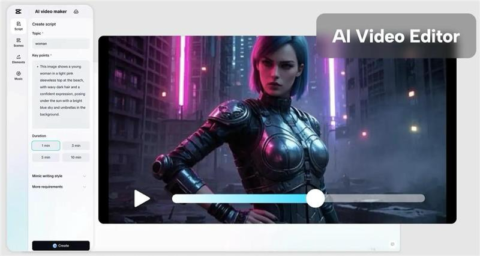
Thankfully, the upward push of AI-powered tools has modified the game. With the assistance of an AI video editor, textual content to audio free equipment, and clever voice changer functions, even solo trainers can now produce polished and engaging content. Among the most famous and on-hand tools leading this shift is CapCut Web—a user-friendly platform designed to simplify video creation and maximize impact.

This article explores how CapCut Web and similar gear can empower private trainers to create content faster, communicate greater sincerely, and reach larger audiences without sacrificing quality.

The Importance of Video for Personal Trainers

Video content has become the most effective way for personal trainers to connect with their audience. Platforms like Instagram, TikTok, and YouTube thrive on visual storytelling, and clients are increasingly attracted to trainers who constantly share real, educational, and visually dynamic videos. But with content trends shifting every day and interest spans shortening, keeping up can feel overwhelming.

For private running shoes, this makes streamlined content material introduction critical. You need to deliver valuable material constantly, without spending hours editing or scripting. That’s where AI video editor tools step in, assisting you to keep time whilst keeping an expert standard.

AI Video Editors: Your Editing Assistant

Editing used to require technical understanding, costly software, and a significant time commitment. Today, AI video editor tools like CapCut Web cast off those limitations through automating most of the modifying methods. This way, personal trainers can now transform uncooked exercise footage into attractive, expert-grade motion pictures in only a few minutes.

CapCut Web’s intuitive design makes it distinctly easy to use. After importing your photos, the app automatically detects key moments, adjusts lighting, adds transitions, or even complements motion. For trainers recording exercises by myself or in busy health club environments, those capabilities are a game-changer. Whether you’re demonstrating energy in sporting events, recording patron testimonials, or documenting progress updates, CapCut Web helps you produce smooth, impactful content without a steep learning curve.

This performance permits you to focus greater on schooling your clients and less on editing, while still retaining a consistent and polished online presence.

Creating Narration Without a Microphone: Text to Audio Free Tools

Narration plays an important role in fitness films. Whether you’re providing verbal cues, breaking down complicated moves, or supplying motivational commentary, a strong voiceover could make your content material more informative and personal. However, now not all trainers are comfortable recording voiceovers, stay—in particular in noisy gyms or on a tight timetable.

This is where the text to audio free equipment becomes fantastically useful. Built-in functions like CapCut Web’s text-to-speech generator can help you kind your coaching script and convert it into professional, human-like voice narration. You can choose from a whole lot of tones, accents, and languages, making it simpler to tailor your content material on your unique target audience.

For instance, if you’re creating a workout demo and need to walk your target audience through every motion, sincerely typing your instructions and letting the AI study them aloud maintains your production clean and constant. It also offers you the ability to revise the narration without having to re-document the whole thing.

This device is in particular useful for growing evergreen content, consisting of online schooling modules, where readability and consistency in training are key. And as it’s a text-to-audio choice, it makes expert narration reachable even on a tight budget.

Sounding Unique: The Role of Voice Changers in Creative Fitness Content

While a few motion pictures require an extreme and professional tone, others take advantage of a greater active or playful vibe. This is where a voice changer can come into play. Trainers growing fitness content for youth packages, social demanding situations, or topic-based workouts can use voice-changing functions to inject amusing and personality into their videos.

CapCut Web consists of integrated voice changer outcomes that can help you rework your voice in creative approaches, from deep, cinematic tones to light-hearted male or woman voices. While no longer important for each form of content material, voice changers can assist in diversifying your brand, specifically if you’re seeking to appeal to a broader or more youthful demographic.

In addition, trainers who are digicam-shy or decide on to relate off-screen can use those functions to experiment with one of a kind audio patterns without being too self-conscious. It’s a diffused but effective manner to preserve variety and freshness to your content without continually counting on on-digital camera overall performance.

How CapCut Web Streamlines Video Creation for Fitness Professionals

CapCut Web sticks out amongst other tools not handiest because it’s free and user-friendly, but additionally because it offers capabilities especially valuable to personal running shoes.

Efficient Editing Without the Technical Barrier

CapCut Web’s AI video editor equipment takes care of complicated obligations like colour correction, lighting modifications, and camera stabilization. You don’t want to recognise the way to work a timeline or splice photos manually. Just add your clips, follow the vital changes, and the software program will automatically do the rest. This considerably reduces the time needed to produce content, permitting trainers to submit regularly and keep a consistent logo presence.

Adding On-Screen Text for Clarity

Fitness movies regularly require additional cues for viewers to completely apprehend the physical games. CapCut Web helps you to overlay educational textual content, timers, reps, and sets at once on the display screen. This is specifically useful when demonstrating shape, guiding customers through circuits, or emphasizing key coaching recommendations. You can also include motivational rates, patron outcomes, or branded messages to enhance your enterprise identification in each video.

Seamless Audio Integration

With CapCut Web’s textual content to audio unfastened and voice changer capabilities, incorporating voice narration will become clean and flexible. Whether you’re narrating an energy exercise, explaining heat-up stretches, or giving a put-up consultation recap, you could do it all in the app, with no need for an outside microphone or studio setup. The ability to test with one-of-a-kind voices additionally provides flexibility, allowing you to tune your tone to the content’s power.

Content Optimized for Every Platform

CapCut Web mechanically resizes and formats your motion pictures for one-of-a-kind social structures, whether you’re posting on YouTube, Instagram Reels, TikTok, or your internet site. This guarantees your content seems professional and platform-suitable each time, without requiring additional editing for every output. For personal trainers seeking to grow across more than one channel, this built-in optimization is precious.

A Step-by means of-Step Guide to Using CapCut Web for Fitness Videos

The method of creating awesome health films with CapCut Web is both easy and effective. Start by recording your exercise or demonstration along with your telephone or digital camera. Once you’ve captured your pictures, open CapCut Web and add your clips into the editor. Let the AI video editor smooth up the visuals, observe automated cuts, and beautify the video satisfactorily.

Next, use the text-to-audio loose function to script and generate voiceovers, specifically in case you want easy narration but are filming in a noisy space. If you are looking to provide your video with a unique contact, try using one of the built-in voice changer effects. You can then upload instructional textual content, rep counts, or motivational activities immediately on the screen to help guide your viewers.

Once you’re glad with your edits, honestly export the video and share it across your social media platforms. CapCut Web guarantees your video is optimized for each format, assisting you in getting the most engagement with minimum effort.

Elevate Your Training Brand with Smart Tools

In a competitive enterprise like fitness, the best content sets you apart. With gear like CapCut Web, a sophisticated AI video editor, plus the added benefits of textual content to audio-free narration and voice changer functions, private trainers can now create compelling motion pictures quickly and effortlessly than ever before.

This equipment is not most effective to simplify your workflow—they assist you speak better, construct your emblem, and develop your influence. Whether you are filming exercise tutorials, building an online training software, or absolutely displaying up consistently on social media, clever content material advent is now not optional—it’s critical.

Now is the time to embody those effective gear and take your fitness content to the next level.

How a Personal Trainer Can Help You Overcome Different Health Conditions

Chronic pain, injuries, and long-term health conditions can interfere with everyday life. From struggling to walk upstairs to waking up stiff and sore, the effects can start to affect your whole life. While doctors and specialists are often the first stop for treatment, recovery rarely ends there. In many situations, pain management is more beneficial than taking medication to treat your pain or condition. In clinical settings, structured documentation and tracking also play an important role, which is why healthcare providers often use pain management emr software to monitor treatment progress and ensure continuity of care for patients with chronic conditions. It often requires movement and repetition, as well as personalized guidance for encouragement and a path forward.

This is where personal trainers come in. Whether someone is recovering from an ankle injury or managing chronic back pain, a certified trainer can assist an individual with a structured environment and a form of motivation, but also provide a safe movement plan going forward. This article explores how personal trainers support recovery and wellness, particularly when collaborating with specialists like a foot and ankle surgeon, physical therapist, or pain expert.

The Role of a Personal Trainer in Holistic Health Support

Personal trainers do far more than count reps and push you through workouts. The best ones help you manage pain, rebuild strength after injury, and preserve the physical function that keeps you living life on your own terms. When structured movement becomes part of a recovery or treatment plan, a skilled trainer isn’t a luxury they’re a critical part of your support team. They create a safe, progressive space where you can start moving again with confidence, free from the fear of re-injury or doing too much too soon.

Bridging the Gap Between Fitness and Medical Care

Finishing physical therapy or receiving medical clearance often feels like being handed the baton without knowing where to run. You’re better, but not quite back. That’s exactly where a personal trainer steps in. While they don’t diagnose or treat conditions, they work within the framework your healthcare providers establish and the best ones stay in close communication with your doctors or physical therapists to ensure nothing falls through the cracks.

Some trainers specialize specifically in corrective or post-rehab exercise. Take ankle surgery as an example: after working with a surgeon to repair a torn ligament or recurrent sprain, a knowledgeable trainer picks up where clinical care left off guiding you through targeted strength, mobility, and balance work that rebuilds the foundation for how you move every day.

Injury Recovery: Why Movement Is the New Medicine

The old advice was simple: rest until you heal. We now know better. Research consistently shows that smart, controlled movement often outperforms rest when it comes to musculoskeletal injuries and chronic pain. Movement reduces inflammation, restores range of motion, and dramatically improves long-term outcomes.

Your trainer becomes your guide in this process helping you find the right intensity, recognize your body’s signals, and build a progressive routine that keeps you moving forward without setbacks. Pain management through movement isn’t about pushing through it’s about moving smarter.

Personal Trainers and Chronic Pain Clients

The science is clear: movement heals. A 2020 study published in the International Journal of Musculoskeletal Pain Prevention found that regular, appropriately guided exercise significantly reduces chronic musculoskeletal pain and improves overall quality of life. For the millions living with arthritis, back pain, or fibromyalgia, that’s not just encouraging it’s a call to action.

But knowing you should move and knowing how to move safely are two very different things. That’s where a personal trainer becomes indispensable. For chronic pain clients, trainers design low-impact strength training, mobility work, and stretching routines that build confidence without triggering setbacks including on the tough days when a flare-up makes everything feel harder. The goal isn’t intensity; it’s consistency, sustainability, and progress on your terms.

Beyond programming, skilled trainers observe how you move. They identify muscle imbalances, compensatory patterns, and subtle movement substitutions that may actually be driving your pain rather than protecting you from it. With individualized programming, those faulty patterns get corrected often unlocking relief that clients had stopped believing was possible.

Targeting Lower Limb Conditions: Why Trainers Matter in Ankle Recovery

Ankle injuries are deceptively common and underestimated. Whether from a misstep on uneven ground, an overzealous sports session, or repetitive overuse, sprains and ligament tears can sideline you for weeks and without proper follow-up, they have a frustrating tendency to come back. Chronic instability after an ankle injury isn’t just inconvenient; it can alter your entire movement mechanics over time.

The American Orthopedic Foot & Ankle Society makes it plain: functional rehabilitation exercises for ankle sprains are significantly more effective than immobilization at preventing long-term instability. Rest alone isn’t the answer structured, progressive movement is.

This is where a personal trainer becomes a true game-changer in your recovery.

Exercises to Rebuild Strength and Stability

A skilled trainer will build a targeted program to restore joint strength, proprioception (your body’s innate sense of balance and position), and full ankle control. Here’s what that might look like in practice:

  • Resistance Band Flexion/Extension — Directly strengthens the muscles that support and stabilize the ankle joint
  • Toe Raises and Calf Raises — Rebuilds power and endurance in the lower leg, essential for everyday movement
  • Single-Leg Stands and Wobble Board Drills — Challenges your balance system, retraining the neuromuscular coordination that ankle injuries disrupt
  • Step-Ups and Controlled Lateral Movements — Reinforces natural walking and movement mechanics, preparing you for real-world demands

With proper instruction, progressive intensity, and a trainer guiding each phase of your recovery, the risk of re-injury drops significantly and full, confident leg function becomes an achievable goal, not just a hope.

Conditions That Personal Trainers Commonly Help With

Personal trainers work with a remarkably wide range of clients including those navigating some of life’s most physically challenging circumstances:

  • Arthritis (knee, hip, spine)
  • Lower back pain
  • Plantar fasciitis
  • Post-operative stiffness
  • Neurological conditions (e.g., mild stroke recovery)
  • Obesity-related mobility restrictions

In every one of these cases, the goal isn’t simply to “exercise.” It’s to move safely, reduce pain, and reclaim independence. For some clients, complementary approaches such as acupuncture can work alongside physical training to further manage pain and accelerate recovery.

Arthritis and Post-Surgical Recovery: A Specialized Approach

For clients with arthritis, the key is joint-friendly movement that builds strength without aggravating inflamed tissue. Aquatic training, bodyweight exercises, and resistance bands are powerful tools here they challenge the body while minimizing stress on vulnerable joints. A skilled trainer watches closely for signs of joint stress and advances the program gradually, always prioritizing how you feel over how fast you progress.

For post-surgical clients, the focus shifts to rebuilding what was lost. Immobilization takes a toll muscles weaken, joints stiffen, and confidence erodes. Once cleared by a surgeon or physical therapist, a personal trainer applies progressive overload to restore strength, prevent atrophy, and help you move with purpose again.

The Mental and Emotional Side of Recovery

Physical recovery is only half the story. A 2019 article published in Frontiers in Psychology found that exercise significantly improved emotional resilience and mental health in people living with chronic pain and that finding resonates deeply with anyone who has navigated a long recovery.

Injury and persistent pain don’t just limit your body they can isolate you, fuel anxiety, and chip away at your sense of self. Working with a personal trainer reintroduces structure, human connection, and a sense of forward momentum. Even small wins a little more flexibility, a slightly heavier lift, one more rep begin to rebuild the confidence and optimism that pain so often steals.

What to Look for in a Trainer When You Have a Health Condition

Not every personal trainer is equipped to work with complex health needs. If you’re managing an injury, chronic condition, or post-surgical recovery, here’s what to prioritize:

  • Credentials — Ask about certifications and specializations. Look for trainers with corrective exercise, special populations, or senior fitness credentials from reputable organizations like Fitness Mentors.
  • Experience — Find out if they’ve worked specifically with injury rehab, chronic pain clients, or medical referrals. Real-world experience matters as much as education.
  • Soft Skills — Patience, clear communication, and a genuine willingness to collaborate with your healthcare team aren’t optional they’re essential.

Final Thoughts

If you’re recovering from an injury, managing arthritis, or living with chronic pain, a qualified personal trainer may be the missing piece in your care plan. They don’t replace medical treatment they reinforce it. Through consistent movement, individualized programming, and close collaboration with your healthcare providers, a great trainer helps you feel stronger, more mobile, and genuinely more in control of your own recovery.

Whether you’re rebuilding stability after seeing an ankle specialist or managing the daily grind of a chronic condition, don’t underestimate what the right trainer standing in your corner, adapting to your needs, and celebrating every step forward can do for your body, your mindset, and your life.

Frequently Asked Questions

Can a personal trainer work with me if I have a medical condition?

Yes — and in many cases, they should. Personal trainers who specialize in corrective exercise, post-rehab, or special populations are trained to work alongside your healthcare team. They follow guidelines provided by your doctor or physical therapist and tailor every session to your specific condition, limitations, and goals.

Is it safe to exercise while recovering from an injury?

In most cases, yes — with the right guidance. Modern research consistently shows that controlled, progressive movement often leads to better outcomes than rest alone. A qualified trainer knows how to introduce movement gradually, monitor your response, and adjust intensity so you’re always moving forward safely.

What’s the difference between a physical therapist and a personal trainer?

Physical therapists diagnose and treat injuries and conditions — typically in a clinical setting. Personal trainers pick up where therapy leaves off, helping you rebuild strength, mobility, and confidence through ongoing exercise once you’ve been medically cleared. Think of them as two essential stages of the same recovery journey.

Can personal training help with chronic pain conditions like arthritis or fibromyalgia?

Absolutely. Low-impact strength training, mobility work, and stretching — when designed specifically for your condition — can significantly reduce pain, improve joint function, and enhance your overall quality of life. A skilled trainer also identifies movement patterns that may be contributing to your pain and works to correct them.

How do I know if a personal trainer is qualified to work with my health condition?

Ask directly. Look for certifications in corrective exercise, post-rehab training, or special populations from reputable organizations. Ask about their experience with clients who have similar conditions and whether they’re comfortable collaborating with your doctor or physical therapist. The right trainer will welcome that conversation.

How soon after surgery can I start working with a personal trainer?

This depends entirely on your procedure, recovery timeline, and your surgeon’s guidance. Most trainers require medical clearance before beginning any post-surgical program. Once cleared, a trainer can begin with gentle mobility and strength work, progressing carefully based on how your body responds.

Can a personal trainer help prevent future injuries?

Yes — this is one of their most valuable roles. By correcting muscle imbalances, improving proprioception, and building functional strength, trainers address the underlying weaknesses and movement dysfunctions that often lead to injury in the first place. Prevention is always more effective than recovery.

Brutal Celebrity Workouts: See If You Have What It Takes

When Mark Wahlberg shared his fitness routine on social media several years ago, people thought he was nuts. The Hollywood star who’s built his career as the tough guy revealed he rises before the crow flies.

A member of the “4 am club,” Wahlberg’s grueling routine starts with a cold plunge, hits the gym, and works every muscle.

During a 2023 interview with People, he said he initially started working out for aesthetic reasons. Now, it’s all about longevity. How’s that for dedication?

Mark Wahlberg’s brutal workouts had us thinking about other celebrities pushing their bodies to the max.

Jennifer Garner

The “Deadpool & Wolverine” star showed off her impressive abs in the latest Marvel installment. By her admission, the 52-year-old worked hard to achieve her toned physique.

In preparation for the movie, Garner shared her intense workouts with more than 16 million Instagram followers. According to HELLO!, her regime included boxing, high-intensity interval training (HIIT), and Peloton rides.

Her long-time fitness trainer, Beth Nicey, says the actress had no trouble handling the heavy work. She has only gotten stronger over the past few decades.

Feet Therapy

A few years back, Garner told Marie Claire she does basic physical therapy on her feet. Many pro athletes and other celebrities use physical therapy practitioners to help relieve aches or recover from an injury.

Through my expertise in the health, personal training and the fitness field, I’ve noticed an increased demand for Physical Therapy Nurses. Physical therapy (PT) nurses fall into this category and perform almost the same role as physical therapists in the healthcare industry. Their work involves aiding patients with physical limitations in regaining mobility.

Relying on health informatics, PT nurses collaborate with physical therapists, physicians, and health education specialists to create and implement personalized treatment plans. 

You can obtain various graduate health degrees to qualify as a PT nurse. Online graduate programs have proven a successful pathway for many students to further their studies in public health and health sciences.

A related Bachelor of Science degree is required for admission. According to Rockhurst University, many qualified registered nurses (RNs) with a commitment to patient education take this route when specializing in a field. When enrolling in an online program, the degree or certificate is recognized by the Commission on Collegiate Nursing Education.

If nursing school seems like it is not right for you, personal training can be a great option. 

Drake

Canadian rapper Drake’s physical workout routine is as much the talk of the town as his chart-topping hits.

The “Sticky” artist does intense circuit training with his trainer, Jonny Roxx. A 3:2:1 ratio of push-ups, dips, and pull-ups is his secret to getting in shape. Drake’s circuit includes three sets of push-ups, two sets of dips, and one set of pull-ups.

Compound exercises target multiple muscle groups. Sports medicine specialist Dr Lisa Chen tells Journee Mondiale that these workouts are crucial to building a strong, well-balanced physique.

Of course, Drake doesn’t stick to traditional cardio. The showman integrates dance routines that serve as cardio workouts. This approach boosts cardiovascular health while improving coordination and agility – key for Drake’s high-energy performances.

Chris Pratt

Before Chris Pratt became the shredded beast he is today, he was just your regular guy with a dad bod in “Parks And Recreation.”

Scoring the highly sought-after role as Star-Lord in “Guardians of the Galaxy” prompted the actor to find his inner buff god.

The transformation didn’t happen overnight. It took six months to shed 60 pounds and pack on the muscle.

Personal trainer Duffy Gaver and nutritionist Phil Goglia helped Pratt achieve the desired results. Goglia overhauled his diet by hiking his caloric intake to 4,000 calories a day and adding lots of H2O – one for every pound he weighed.

His workouts were as intense: sessions of P90X, running, swimming, boxing, kickboxing, and a triathlon. While preparing for “Jurassic Park,” the dad of three shared a rundown of his routine.

These days, Pratt doesn’t go as hard. He starts his morning with a 6:30 am session in his home gym and doesn’t eat before noon.

Feel the Burn

It takes perseverance and dedication to embark on a fitness journey. Unlike us mere mortals, many celebrities have a team behind them, from personal trainers to nutritionists to physical therapists.

If this is your first attempt at fitness training, ensure you have the proper resources. Join your local gym and consult a trainer on the correct exercises to achieve your fitness goals.

A ripped body doesn’t only encompass doing weights or cardio. Taking a holistic approach and incorporating a well-balanced diet is the healthiest route to success. Consistency and holding yourself accountable is key.

Don’t forget to pace yourself and trust your body to tell you when you’ve reached your physical limits.

Muscle, Mind, and Longevity – The Benefits of Strength Training

Are you aware that strength training can reverse your biological age? In 2026, personal trainer Noelle McKenzie reported reducing her biological age by four years through targeted fitness routines. This isn’t an isolated case. Gyms worldwide are adapting to a surge in demand for strength training equipment. Hence, it reflects a global shift toward prioritizing muscle health over traditional cardio. 

This evolution is backed by compelling research and has been acknowledged by diverse individuals. 

The Science Behind Strength Training and Longevity

Strength training, or resistance training, includes exercises designed to boost muscle endurance and strength. Making strength training a regular part of daily routine has been linked to numerous health benefits. The practice helps increase muscle mass, boost metabolic performance, and promote bone density. 

A study published in Scientific Reports in June 2023 found that weightlifting may increase skin elasticity. It also promotes dermal thickness, potentially contributing to a more youthful appearance. 

Moreover, strength training plays a crucial role in combating muscle loss associated with aging, called sarcopenia. After the age of 35, individuals can lose approximately 1% to 2% of muscle mass annually. Incorporating exercises like squats, which target major muscle groups (the gluteus maximus, quadriceps, and hamstrings), can help counteract this decline. 

Dr. Nick Pappas, a board-certified hand surgeon, emphasized in a New York Post article that performing squats can enhance core strength. Additionally, it burns calories and improves posture, stability, and balance. He also mentions that for older adults, recovery and comfort are equally important post strength training,  making the best mattress for bed sores a helpful addition to overall care, especially when managing reduced mobility.

Moreover, its advantages extend beyond the body, with clear implications for mental well-being and even professional success. Today’s workplace demands mental agility and physical resilience, and such training plays a key role in supporting both. 

With the rise of digital solutions, many individuals now turn to apps to stay consistent and track their workouts, making fitness app development services an increasingly valuable resource for coaches and fitness brands.

A Modern Approach to Functional Strength Training

Conventional weightlifting typically targets specific muscle groups, but there’s a growing emphasis on functional strength training. This approach prioritizes movement patterns that mimic everyday activities, enhancing overall mobility and reducing the risk of injury. 

This is particularly beneficial for individuals in professions that demand physical endurance and agility. A meta-analysis highlighted that high-intensity functional training significantly enhances physical fitness and sport-specific performance, underscoring its effectiveness in real-world applications.

Injury Prevention Through Strength Training

Strength training is a vital component of injury prevention, helping to strengthen muscles, ligaments, and tendons, which reduces the risk of strains and tears. A systematic review in the British Journal of Sports Medicine found that strength training reduced sports injuries by nearly one-third and overuse injuries by almost half. 

Qualified nurses, especially those with post-graduate nursing certificates, play a crucial role in promoting these benefits. They provide expert guidance on safe and effective strength-training routines tailored to individual health conditions.

According to Spring Arbor University, nurses who pursue these education become strong advocates for change within healthcare systems. Their expertise in both clinical care and preventive health enables them to design injury prevention programs that incorporate strength training into rehabilitation and wellness strategies. 

This personalized approach ensures that individuals, especially those recovering from injuries or managing chronic conditions, can safely integrate strength training into their daily routines.

Strength Training as a Holistic Wellness Approach

Beyond physical benefits, strength training contributes significantly to mental health. The discipline and routine of strength training can also enhance self-esteem. 

Regular strength training has been associated with improved cognitive function, including better memory and attention. This is particularly beneficial for older adults, as resistance exercises can help maintain cognitive health and reduce the risk of cognitive decline. 

As the fitness industry evolves, there is a growing shift toward wellness-focused strength programs. These programs integrate mindfulness, flexibility, and functional movement for a more holistic approach to fitness.

Further, bodyweight exercises (squats, lunges, and push-ups) can be performed at home and are effective in building strength and improving mental wellness. Additionally, combining strength training with other forms of exercise, like yoga or Pilates, can offer a balanced approach to fitness.

FAQs:

What is the connection between strength training and metabolic rate?

Strength training increases your resting metabolic rate, so you keep burning additional calories when you aren’t active. It creates lean body mass, which is more metabolically active than fat. This is an excellent solution for a healthy body and metabolic system in the long term.

How soon can someone see results from strength training?

Results of strength training show up based on individual factors such as fitness, age, and exercise consistency. In most cases, beginners notice improvements in strength in 4 to 6 weeks caused by changes in neuromuscular functions. Visible growth of muscles, however, is usually noticed once an individual trains for 6 to 8 weeks. 

How does strength training support women’s health?

Exercises involving strength training make bones denser, minimizing osteoporosis risk. The endocrine balance, reproductive system, and PCOS, or polycystic ovary syndrome, all benefit. The body composition is enhanced, and there is a boosted metabolism for women. They must indulge in such exercises for a minimum of two days in one week. 

Strength training is now an integral part of modern fitness, which provides a wide array of benefits beyond just bodybuilding. Embracing strength training can enhance a person’s total well-being, help in avoiding injuries, and increase longevity.

While studies continue to uncover the widespread benefits of resistance training, its contribution to all-round well-being is made clearer. This serves to reinforce the necessity of adding strength exercises in daily routines for all-round well-being.


Why More Fitness Trainers Are Exploring Higher Healthcare Education

The fitness industry is evolving as trainers recognize the benefits of advanced healthcare education. Beyond basic certifications, many professionals pursue degrees to expand their knowledge in rehabilitation and chronic disease management. 

A deeper understanding of human physiology allows trainers to develop more effective and safer workout plans. Clients often face health conditions requiring specialized expertise to prevent injuries and support recovery. Advanced education provides fitness professionals with opportunities to collaborate with medical experts. 

Career growth in the industry increasingly favors those with healthcare-related qualifications. Trainers who integrate medical knowledge enhance their credibility and impact. Higher education is transforming the future of fitness.

The Growing Demand for Medical Knowledge in Fitness

BLS notes that fitness trainers guide individuals or groups through exercise routines in various fitness facilities nationwide. The median annual wage for fitness trainers reached $46,480 in May 2023, reflecting industry growth. Employment is projected to increase 14% from 2023 to 2033, creating 73,700 job openings annually.

Fitness trainers are also expected to offer personalized programs tailored to individual health conditions and recovery needs. Many clients have chronic illnesses requiring specialized care to ensure safe and effective exercise routines. Trainers with medical expertise can create workouts that support rehabilitation and prevent future injuries. 

Professionals with knowledge of physical therapy principles can assist clients recovering from surgery or accidents. Fitness experts with medical education are valuable assets in rehabilitation clinics and wellness centers. 

Sports medicine and exercise physiology degrees equip trainers with the skills needed for injury prevention. Healthcare-focused education helps trainers understand the complexities of human movement and rehabilitation techniques. Integrating medical principles into fitness training leads to improved outcomes for clients. 

Can trainers with medical knowledge work with older adults?

Yes, fitness professionals with medical training are better equipped to design safe exercise routines for aging adults. They understand age-related issues like osteoporosis, arthritis, and cardiovascular concerns. Their expertise helps seniors maintain mobility, strength, and independence while minimizing the risk of exercise-related injuries.

Career Opportunities Beyond Traditional Fitness Roles

Higher healthcare education opens new career paths beyond traditional personal training and gym-based coaching roles. Trainers with medical knowledge can transition into careers in rehab therapy or health coaching. Professionals often pursue degrees in kinesiology or exercise science to expand career opportunities. 

Indeed states that a kinesiology degree covers human movement fundamentals and includes anatomy, exercise science, and rehab courses. Students specialize in exercise physiology, sports medicine, biomechanics, or athletic training to build focused career paths successfully. Kinesiology graduates work in fitness, healthcare, and research, using science-backed methods to enhance physical performance effectively.

A background in healthcare allows trainers to work in hospitals, wellness programs, and corporate health initiatives. Professionals with advanced degrees can specialize in injury rehabilitation and athletic performance optimization. Roles in healthcare management are available for trainers interested in overseeing wellness initiatives. 

Medical education provides opportunities to work alongside doctors and therapists in patient care settings. Research and academic careers are accessible to trainers with expertise in exercise science and medicine. Healthcare-focused education equips fitness professionals with valuable skills applicable in various environments.

How do fitness trainers contribute to public health initiatives?

Trainers can participate in government and nonprofit programs focused on preventing obesity, diabetes, and cardiovascular disease. They educate communities about physical activity’s role in long-term health. Their involvement in public health campaigns enhances community wellness by promoting sustainable lifestyle changes.

How Medical Training Strengthens Fitness Expertise

Higher education in healthcare enhances a fitness professional’s expertise in various essential areas, including:

  • Anatomy and biomechanics, which help trainers understand body mechanics and movement efficiency.
  • Chronic disease management, allows professionals to design safe workouts for clients with medical conditions.
  • Injury prevention and rehabilitation are covered in sports medicine degrees for athletes and active individuals.
  • Clinical expertise, gained through nursing and physical therapy programs, is useful for specialized coaching and rehabilitation.

The Acute Care Nurse Practitioner (AGACNP) Doctor of Nursing Practice program connects fitness training with medical expertise. Professionals earning an AGACNP doctor of nursing degree gain knowledge in acute and chronic disease management techniques. 

As per the American Nurses Association, the American Nurses Credentialing Center (ANCC) Adult-Gerontology Acute Care Nurse Practitioner (AGACNP) exam assesses clinical competency. This five-year credential follows the Consensus Model for Advanced Practice Registered Nurse (APRN) Regulation guidelines. 

Accreditation from the Accreditation Board for Specialty Nursing Certification (ABSNC) and the National Commission for Certifying Agencies (NCCA) ensures certification validity.

According to Baylor University, this expertise allows them to assess complex health conditions and recommend specialized treatments for recovery. The degree also enables collaboration with doctors, therapists, and healthcare teams in various settings. Traditionally focused on hospitals, this degree benefits those working in rehabilitation and preventive healthcare.

Why is knowledge of biomechanics crucial for personal trainers?

Biomechanics helps trainers understand how forces impact human movement. This insight allows them to optimize exercise techniques, prevent injuries, and enhance performance. Trainers apply these principles to improve posture, running mechanics, and strength training form, leading to better client results.

Fitness, Nutrition, and Preventive Healthcare

Fitness trainers increasingly recognize the importance of integrating nutrition and preventive healthcare into their programs. Many professionals pursue degrees in dietetics or public health to expand their knowledge. Understanding how nutrition impacts physical performance and recovery enhances a trainer’s ability to guide clients. 

MedlinePlus mentions that good nutrition improves athletic performance since athletes need enough calories, fluids, and nutrients for energy. Carbohydrates should make up over 50% of daily intake, while water intake must match sweat loss. Athletes training over 90 minutes need post-workout carbs with protein to replenish energy.

Preventive healthcare education helps trainers create holistic wellness programs focused on long-term health benefits. Functional medicine training allows fitness professionals to address the root causes of health issues. Clients benefit from personalized coaching that combines exercise, nutrition, and lifestyle modifications. 

The demand for trainers with expertise in disease prevention continues to rise. Higher education provides trainers with advanced knowledge of metabolic health and dietary science. Wellness coaching careers are accessible to professionals with degrees in nutrition or integrative health. Healthcare knowledge positions trainers as trusted advisors in fitness, nutrition, and overall well-being.

What is the importance of hydration in injury prevention?

Dehydration reduces muscle flexibility, increasing the risk of cramps, strains, and fatigue. In more severe cases, discussions around dehydration heart attack risk highlight how fluid imbalance can negatively affect cardiovascular function, particularly in vulnerable individuals.  

Trainers educate clients on hydration strategies tailored to workout intensity and climate. Proper hydration helps regulate body temperature, prevent overheating, and maintain muscle function, reducing the likelihood of exercise-related injuries.

Fitness and healthcare education are merging, turning trainers into well-rounded health professionals with medical expertise. This shift goes beyond workouts, creating experts who understand rehabilitation, chronic conditions, and injury prevention. Trainers with medical knowledge design safer, more effective programs tailored to individual health needs and recovery goals. 

Their expertise helps bridge fitness and healthcare, making preventative care a core focus in training programs. As demand for holistic wellness grows, trainers are becoming key players in healthcare teams. This trend reshapes the industry, positioning fitness professionals as essential to long-term health management and overall well-being in modern healthcare settings.


How Health Coaches and Personal Trainers Can Collaborate with California Home Care Businesses

California is a state of opportunity—with its rich culture, diverse population, and a climate that promotes healthy living. But like much of the nation, California is facing a major demographic shift: by 2040, its older adult population is expected to increase by 59%, creating new challenges—and opportunities—in healthcare and wellness.

This explosive growth isn’t just significant for home care providers. It also opens the door for health coaches and personal trainers to form strategic partnerships with home care businesses to offer holistic care that enhances both physical and emotional well-being for older adults.

Here’s how wellness professionals can align their services with home care providers to grow their impact and income.

Research Regional Demand and Identify Partnership Potential

Not all regions in California are aging at the same pace. Smart home care businesses are already doing the research to identify where demand is highest—but so should wellness professionals. If you understand where the aging population is growing fastest, you can align your services with home care providers in those areas.

How to get started:

Research counties with large or growing senior populations

Reach out to local home care agencies to learn about their services and see where you can fill in gaps—mobility training, fall prevention, nutrition support, or stress management

Understand Licensing and Insurance (Even If You’re a Partner)

Home care businesses must hold a Home Care Organization license and carry specific homecare insurance in California. As a partner, you don’t necessarily need these licenses yourself, but you do need to understand their legal environment and ensure your own professional liability insurance aligns with your services.

Why this matters:

  • Home care providers will be more willing to partner if you’re professionally insured
  • You’ll be protected and positioned as a reliable, professional extension of their services
  • This builds trust with clients and families—especially when dealing with older or medically vulnerable populations

Create a Partnership-Focused Business Plan

If you’re a health coach or personal trainer looking to serve older adults, your business plan should include a section dedicated to partnerships with home care providers. These businesses often seek value-added services that improve client outcomes and help them stand out in a competitive industry.

Ideas for collaborative offerings:

  • In-home fitness assessments and mobility programs
  • Weekly wellness check-ins via video
  • Nutrition guidance aligned with medical conditions
  • Joint care plans between caregivers and wellness professionals

This approach helps both parties grow their client base and improve outcomes.

Secure Funding Through Strategic Collaboration

Most health coaches and trainers don’t seek traditional investment—but partnering with a funded home care organization gives you access to clients and infrastructure without the upfront costs of building your own network from scratch.

Pro tip:

Show your value to home care providers through data—fall reduction rates, client testimonials, or case studies of improved mobility and energy. If you help them reduce hospital readmissions or boost satisfaction scores, they’ll want you on their team.

Provide Professional, Certified Services

Home care providers are required to hire certified caregivers. Similarly, your certifications (e.g., CPT, CNC, NBC-HWC) matter. Being credentialed not only builds trust with home care partners—it may also be required for insurance or liability reasons.

Next steps:

  • Make sure your certifications are current
  • Consider additional aging or functional training certifications (e.g., balance, fall prevention, senior fitness specialist)
  • Train in communication and collaboration so you can integrate smoothly with care teams
  • Stay Compliant with State Regulations

Even as a contractor or partner, you must understand the legal framework of California’s Home Care Services Consumer Protection Act. This helps you navigate ethical, privacy, and safety expectations when working with homebound or vulnerable adults.

Best practices:

  • Keep client data secure
  • Avoid offering any medical advice unless credentialed to do so
  • Align your services with those of the home care business to avoid duplication or conflict
  • Build a Client Base Through Strategic Networking

Home care agencies already have access to a network of clients, caregivers, families, and healthcare professionals. As a wellness partner, you benefit from that trust and visibility—while bringing added value to their service portfolio.

How to grow through partnerships:

  • Co-host workshops on senior health and wellness
  • Develop packages that agencies can offer to their clients
  • Ask for referrals in exchange for offering wellness education or added service hours

Final Thought

The senior care landscape in California is expanding rapidly—and it needs more than just medical support. It needs movement experts, nutrition coaches, and lifestyle mentors who can help older adults live stronger, longer, and more vibrant lives. By partnering with home care businesses, personal trainers and health coaches can play a vital role in that mission—while building sustainable, scalable businesses of their own.

Would you like help creating a pitch deck, email script, or service package to approach local home care companies? Let’s make your next partnership your most profitable yet.

How to Develop Your Expertise in the Health and Fitness Industry

Creating a successful career in the field of health and training requires only a love for exercise; This also requires continuous study, practical experience and capacity that fits the trends that develop. Whether your dream is of working as a specialist in running training plans, a group fitness instructor, or a personal trainer, you should start your career with great foundation. Improving your knowledge will differentiate you from the competitors and enable you to have more influence on the life of your customers.

Invest in Education and Certifications

Pursuing quality education is one of the first steps toward defining yourself in the health and fitness sector. This could lead to a degree in kinesiology, exercise science, or another allied discipline. For those interested in advancing their expertise in nutrition specifically, pursuing a master’s degree in nutrition online offers flexible options to deepen your knowledge and impact your clients’ health outcomes. 

Even if a complete degree is not your route, acknowledged certifications from respected companies will give your qualifications credibility. Certifications in strength training, nutrition, and specific fields, including Running Training Plans will increase your expertise and open new career paths. Still, education goes beyond credentials. Attending seminars, keeping current with the most recent studies, and reading trade magazines guarantees that you will always be knowledgeable about fresh ideas and approaches.

Gain Practical Experience

You need practical experience to hone your abilities; knowledge by itself will not make you an expert. Work first in a gym, helping with fitness programs, or providing training courses to friends and relatives. Experience in the real world helps you to handle a variety of customers, each with unique objectives, constraints, and problems. If your main concentration is on running training plans, for example, coaching runners with varying degrees, can help you to customize programs based on personal need. In your professional work, you will grow more certain and flexible the more events you come across.

Develop a Niche and Specialize

There is a broad spectrum of health and fitness; hence, specializing will help you stand out. Think about concentrating on a niche that delights you instead of striving to be a master in everything. Focusing on running training plans, for instance, enables you to serve a particular clientele aiming at better running performance. Establishing a reputation in a given field will enable you to be the go-to specialist, so facilitating client loyalty and marketing of oneself. Deeper knowledge in a targeted field also helps you to be more satisfied in your work.

Build Your Network and Learn from Others

Another very important step is surrounding yourself with other experts in the industry. Go to trade shows, join associations for professionals, and network with mentors ready to provide direction and encouragement. Working with other fitness professionals exposes you to many styles, approaches, and viewpoints. Learning from those who have already succeeded in fields including strength training, nutrition coaching, or running training plans will also inspire you. Creating a strong professional network might result in job recommendations, mentoring programs, and cooperative projects that advance your profession.

Learning about health and fitness is an ongoing path combining knowledge, experience, and specialization. Whether your area of expertise is running training plans or general fitness coaching, commitment to development and learning will differentiate you. Investing in yourself, learning useful skills, and developing solid professional contacts will help you create a significant and long-lasting career, enabling others to reach their best health and fitness targets.

How Artificial Intelligence is Transforming the Personal Training World

As a certified personal trainer, staying competitive means constantly adapting—not only with fitness science but also with technology. Over the past year, I’ve explored various tech tools to make my training content more engaging, accessible, and professional. Among the tools that truly elevated my services are text-to-speech, AI video generators, and voice changers. Today, I’ll share my real experiences using them and why they’re becoming essential for modern personal trainers.

Making Workouts More Accessible with Text-to-Speech Tools

When I first started creating online workout programs, I faced a common issue: not everyone consumes information the same way. Some clients preferred written plans, while others wanted audio instructions to listen to during warmups or commutes. That’s when I integrated text to speech technology into my content delivery.

Text to speech capcut

ext-to-speech tools transform written workout instructions into natural-sounding audio files. I used this feature to narrate exercise descriptions, motivational scripts, and even explain complex concepts like hypertrophy vs. strength training. This approach made my programs accessible to visually impaired clients and those who simply preferred learning by listening.

After trying a few different apps, I settled on a solution that offered realistic voices, customizable tones, and seamless file downloads. This way, I could quickly generate high-quality audio guides without hiring a voice artist. For trainers aiming to expand their reach and inclusivity, text-to-speech is no longer optional — it’s a necessity.

Pro Tip: Always test the generated audio yourself. Some voices sound more natural than others, especially during intense fitness descriptions.

Creating Professional Content Effortlessly with AI Video Generators

Another game-changing tool in my arsenal is the AI video generator. Before, creating even a simple instructional video meant hours of planning, shooting, editing, and voiceover work. Now, with an AI video generator, I can produce professional-quality videos without stepping into a studio.

AI video generator

One of my favorite tools in this space is CapCut – with its AI capabilities helps me create polished workout reels, client onboarding videos, and even nutrition advice shorts in a fraction of the time. I simply feed the app a script or concept, and it automatically selects visuals, animations, and transitions.

For personal trainers, video content is vital. Clients are more likely to engage with visual content, and videos boost credibility. Using an AI video generator allowed me to focus more on my clients rather than spending weekends stuck editing behind a screen.

What impressed me the most was how AI video generators adapt to brand aesthetics. I customized templates to match my brand colors and logo, giving my content a consistent and professional feel — something clients immediately noticed and appreciated.

Pro Tip: When creating fitness videos with AI, ensure you review all footage — sometimes the auto-selected clips need manual tweaking to match exercise demonstrations accurately.


Personalizing the Client Experience with Voice Changers

At first, I was skeptical about using a voice changer — it sounded gimmicky. But after a fellow trainer showed me how they used it to create personalized audio reminders and fun motivational messages, I gave it a try. It turned out to be a fantastic client engagement tool.

Using a voice changer, I customized motivational clips for clients. For example, I created “coach mode” messages with a deep, powerful voice for tough-love clients and a lighter, upbeat tone for those who thrive on positive reinforcement. It added a playful, human touch that boosted client morale significantly.

Voice changers also allowed me to create different personas for specialized content. When introducing beginner bootcamp sessions, I used a more relaxed, energetic voice style. For advanced strength training modules, I used a more serious, no-nonsense tone.

As a personal trainer, your voice is part of your brand. A good voice changer tool helps you adapt your vocal style to suit different client personalities and program goals without losing authenticity.

Pro Tip: Less is more. Subtle changes to pitch and tone are often more effective than dramatic voice transformations.


How These Tools Work Together for Maximum Impact

The real magic happened when I combined all three tools: text-to-speech, AI video generators, and voice changers.

Here’s an example from my real-life practice:

  • I wrote a detailed workout plan.
  • Used text-to-speech to create an audio version of the instructions.
  • Uploaded the script into CapCut’s AI video generator to create an engaging video, complete with animated exercise demos.
  • Added fun, personalized motivational audio clips using a voice changer layered into the video.

The result? A multimedia workout experience that clients could read, watch, and listen to — anywhere, anytime.

Clients reported feeling more connected, motivated, and understood. I saw a significant increase in client retention rates and engagement across my online training programs.


Why Personal Trainers Should Embrace These Technologies

At Fitness Mentors, we believe that personal training isn’t just about sets and reps — it’s about building strong relationships, communicating effectively, and delivering outstanding value.

Today’s clients expect high-quality, multi-format content. By using text-to-speech, AI video generators, and voice changers, you:

  • Increase accessibility for different learning styles
  • Save valuable time on content creation.
  • Elevate your brand professionalism.
  • Build stronger emotional connections with clients.

If you’re a trainer looking to grow your business, add polish to your content, and better serve your clients, these tools aren’t just nice-to-have — they’re essential. And best of all, they’re incredibly easy to learn and integrate.

I can confidently say that these tools have not only improved the quality of my offerings but also reignited my passion for creative client engagement. It’s a win-win for both trainers and clients.

Final Words:
If you’re ready to take your training services to the next level, start exploring these tools today. You don’t need a tech degree — just a willingness to adapt and a passion for helping people achieve their fitness goals.

Personal Trainers Guide to the Best Training Clothes for Every Weather and Season

As a personal trainer it is pivotal to understand the relationship between clothing and seasonal weather changes.

The interplay between weather conditions and athletic performance creates a unique set of challenges that demand thoughtful consideration of training apparel, from moisture-wicking technologies to layered clothing systems.

This guide explores how you as a personal trainer can assist your clients with athletic wear choices that can strategically enhance performance, improve temperature control, and optimize training year-round.


Performance Differences in Weather Conditions

Athletic performance fluctuates across different seasons. Strength training yields better results during cooler weather, while endurance gains peak in warmer months. These variations create unique challenges for athletes who need to maintain consistent training schedules throughout the year.

The right workout gear plays a key role in managing these seasonal changes. For example, athletes who choose premium customized polos with moisture-wicking technology can maintain comfort and style while training in various environments. These adaptable clothing options help regulate body temperature and enhance performance across seasons.

Smart clothing choices can make the difference between a productive workout and an uncomfortable experience. When it comes to knowing your requirements, you should never compromise on quality. Look for an activewear manufacturer that offers premium products for discerning consumers like you. Athletes who match their gear to seasonal conditions often report better focus during training sessions and improved recovery afterward. This strategic approach to workout attire helps maintain training momentum regardless of weather changes.


Membership Trends and Training Consistency

Active gym participation has become a cornerstone of modern fitness culture. Approximately 25% of Americans are members of fitness facilities, and many dedicated individuals stick to their workout routines year-round.

However, seasonal changes can pose unique challenges to staying consistent. Athletes and fitness enthusiasts who adjust their workout apparel to suit the weather often find it easier to stay motivated and reach their goals.

Wearing the right gear can mean the difference between a comfortable, effective workout and one cut short by discomfort. Smart clothing choices that keep you dry and regulate your temperature in any training condition include:

  • Clothes with multi-purpose layers that work both indoors and outdoors
  • Temperature-regulating fabrics for year-round comfort
  • Moisture-wicking fabric materials for sweat management
  • Breathable fabric options for high-intensity activities
  • Insulating pieces for cold-weather training


Adaptive Training for Athletic Development

Athletic development requires a strategic balance of strength training and the right gear, especially across changing seasons. Young athletes who engage in structured training programs often demonstrate improvements in performance and experience fewer injuries.

Introducing a 12-week strength training program during competitive seasons can lead to major gains in athletic ability.

Equally important is choosing the right athletic gear to support these programs. Athletes need flexible, breathable clothing that allows a full range of motion and adapts to varying weather conditions. Comfort during high-intensity training is key, and proper layering becomes essential as temperatures shift throughout the year.

Here’s what you need to know about effective layering:

  • Moisture-wicking base layers help regulate body temperature during high-intensity sessions
  • Compression garments support muscle stability and recovery between workouts
  • Breathable outer layers protect against weather elements while allowing freedom of movement
  • Season-specific footwear provides appropriate traction and support for different training surfaces

A well-designed training program and appropriate athletic wear lay the foundation for optimal athletic development. Each piece of gear plays a vital role, helping athletes stay cool during summer sessions and warm during winter workouts.

Together, training and gear form a holistic approach to year-round performance, supporting consistent progress no matter the season.

Variety in Workouts and Recovery

Shifting weather conditions often lead athletes to alternate between indoor and outdoor training routines.

This flexibility requires smart apparel choices that can adapt to various environments. Whether running outdoors, lifting weights in the gym, or playing team sports across seasons, athletes need gear that meets the demands of each setting while maintaining comfort and performance.

Here’s how different workout types need specific apparel features:

  • Running gear with advanced moisture control for outdoor cardio sessions
  • Breathable fabrics for high-intensity indoor training
  • Flexible materials that allow a full range of motion for strength training
  • Layered options for outdoor sports in changing temperatures
  • Quick-drying materials for swimming and water-based activities

The role of recovery wear changes with seasons, too. Winter training benefits from compression sleeves that maintain muscle warmth and boost blood flow, while summer workouts need ventilated shorts and tops to prevent overheating.

These seasonal adjustments in recovery garments play a key part in managing post-workout fatigue and supporting the body’s natural healing processes. Athletes who match their recovery gear to seasonal conditions often notice improved comfort and faster bounce-back between training sessions.

Preventing Injuries and Maximizing Longevity

Athletic success depends on maintaining optimal muscle temperature and staying protected from environmental conditions. Athletes who wear appropriate gear tend to perform better and suffer fewer injuries, regardless of the weather. By choosing clothing that aligns with seasonal demands, they can effectively regulate body heat and stay comfortable during high-intensity training.

Proper apparel controls temperature beyond comfort and is a key factor in injury prevention. Muscles function most efficiently within specific temperature ranges, and suitable gear helps maintain these ideal conditions in any climate.

The relationship between clothing choices and athletic longevity extends beyond short-term performance. Smart gear selection promotes proper movement, reduces strain, and supports consistent progress. Athletes who reliably choose the right apparel for their environment often experience fewer setbacks and maintain steady development throughout their careers.

Optimize Workouts and Minimize Risk With the Right Gear

Choosing the right training apparel for each season is essential for maintaining consistent athletic performance and achieving year-round fitness goals. Modern athletic wear with advanced moisture-wicking fabrics and versatile layering systems has transformed the way athletes train throughout the year.

Optimal performance isn’t just about wearing seasonal gear. It’s about understanding how different clothing technologies work together. When combined effectively, they enhance training efficiency, protect against environmental stressors, and support the body’s recovery process.

Battling Mental Fatigue as a Personal Trainer: How to Stay Sharp and Avoid Burnout

Being a personal trainer is more than just guiding clients through workouts. You’re a coach, motivator, sometimes even a therapist, all while managing your own fitness and business goals. The mental fatigue that comes with this level of responsibility can be overwhelming, and if not addressed, it can lead to burnout.

Understanding Mental Fatigue

Mental fatigue is different from physical exhaustion. It’s the constant feeling of mental drain, reduced motivation, and difficulty focusing. As trainers, we pour energy into every session, listen to clients’ struggles, and push them to improve. Over time, the emotional and cognitive load can take a toll, making it harder to stay engaged, creative, and enthusiastic.

The Unique Challenges Personal Trainers Face

Unlike traditional office jobs, personal training requires a high level of emotional and physical presence. You’re not just showing up and doing a task—you’re actively engaging, inspiring, and problem-solving in real time. Whether you’re helping a client push past a plateau, addressing their concerns about progress, or modifying workouts on the spot, your mental capacity is constantly being tested. Add in the business side of things—marketing, client acquisition, scheduling, and finances—and it’s easy to see how exhaustion can creep in.

Personal trainers also experience emotional fatigue from their close relationships with clients. Many trainers serve as unofficial therapists, listening to personal struggles, encouraging self-improvement, and offering emotional support. While this connection is rewarding, it can be draining when you don’t establish boundaries or take time to replenish your own energy.

Signs of Mental Fatigue in Trainers

Recognizing mental fatigue early is crucial to preventing full-blown burnout. Here are some warning signs to watch for:

  • Lack of motivation – You used to be excited for sessions, but now they feel like a chore.
  • Forgetfulness or lack of focus – Struggling to remember client details or plan engaging workouts.
  • Irritability – Feeling impatient or short-tempered with clients.
  • Physical symptoms – Headaches, trouble sleeping, or chronic fatigue not related to workouts.
  • Loss of passion – You feel like you’re just going through the motions rather than truly enjoying your work.
  • Avoidance behaviors – Finding yourself procrastinating on programming, dreading client sessions, or skipping self-care.

If these signs sound familiar, it’s time to take proactive steps before burnout sets in.

How to Combat Mental Fatigue

  • Set Boundaries – As much as you care about your clients, you need personal time. Set clear work hours and avoid answering messages outside of them. Establish firm policies on scheduling and cancellations to avoid last-minute stress.
  • Prioritize Self-Care – Exercise, nutrition, and recovery aren’t just for your clients. Make time for your own workouts, proper sleep, and stress management. Engage in activities outside of fitness that bring you joy, such as reading, hiking, or spending time with loved ones.
  • Delegate and Automate – Utilize scheduling software, online coaching tools, or even a virtual assistant to reduce administrative tasks. Investing in systems that streamline your workload can free up mental space and reduce stress.
  • Take new courses like anxiety management courses, specialize in a niche, or explore different training methodologies to keep your work engaging.
  • Change Your Environment – A fresh routine, different training spaces, or even a short break from work can help reset your mental energy. Consider attending a workshop or networking event to gain fresh insights and rekindle your passion for training.
  • Seek Professional Support – If you’re feeling persistently drained, reaching out to a mental health professional can help. The Delray Center for Healing specializes in mental health care, offering strategies to manage stress and regain balance. Therapy, mindfulness techniques, or even structured counseling can help you develop coping mechanisms.
  • Connect with Other Trainers – Sometimes, simply talking with fellow trainers who understand your challenges can provide relief and new perspectives. Join industry groups, attend conferences, or find a mentor who can offer guidance.
  • Adopt a Growth Mindset – Personal training is an evolving industry, and continuing education can be an exciting way to reignite your passion. Take new courses, specialize in a niche, or explore different training methodologies to keep your work engaging.
  • Take Time Off – Rest is a non-negotiable part of any training plan, and that includes mental rest. Schedule vacations, long weekends, or even just a day off to fully disconnect and recharge. Even short breaks can make a big difference in preventing burnout.

The Takeaway

Personal trainers give so much of themselves to others, but neglecting your own mental well-being won’t help anyone in the long run. Recognizing mental fatigue and taking active steps to address it will ensure that you continue to provide the best possible service to your clients while maintaining a fulfilling and sustainable career.

If you’re feeling overwhelmed, take it seriously. Reach out for support, whether it’s through a professional service like the Delray Center for Healing or a trusted mentor in the industry. Your clients need a strong, focused trainer—take care of yourself first so you can continue to show up at your best. Prioritizing mental health doesn’t make you weak; it makes you a better trainer and role model for your clients. In the long run, taking care of your mind will allow you to sustain your passion and longevity in the fitness industry.

How to Become a Fitness Nurse: A Career with Less Blood and More Gains

People passionate about fitness and health can find careers beyond traditional gym settings and coaching. Many fields integrate exercise science, emergency care, and wellness to create meaningful career opportunities in healthcare.

The following careers highlight areas where fitness and healthcare successfully intersect.

However, you’ll have to consider a path less traveled yet deeply rewarding: becoming a fitness nurse. You won’t have to deal with typical hospital drama. Instead, you’ll focus on wellness, strength, and empowering people to live healthier lives. It’s a fitness nurse’s life.

What Is a Fitness Nurse?

The term “fitness nurse” may sound new. It’s not a formally defined nursing specialty just yet.  However, it perfectly describes a growing trend in healthcare. Fitness nurses are registered nurses (RNs). They bring their nursing skills to promote fitness and well-being. They integrate exercise and healthy living principles into their practice.

You might not find fitness nurses only in gyms. They work in diverse settings. Think primary care clinics, corporate wellness programs, community health centers, and schools. They can even work with sports teams. Their focus is proactive. It’s about building health, not just reacting to illness. They guide individuals toward better health through fitness. 

It’s about helping them achieve real improvements in their lives. For example, they create fitness plans, educate clients on injury prevention, and monitor chronic health issues. This career minimizes exposure to blood or critical care, focusing instead on long-term wellness. Think of it as nursing with a proactive twist—you’ll help people stay healthy, rather than only treating them when they’re sick.

The Unique Appeal of Fitness Nursing

You may pursue this career if you dislike traditional nursing settings. Many who choose this path love helping others without constant exposure to trauma. Fitness nursing suits those who prefer predictable hours, hands-on client relationships, and a blend of clinical expertise with wellness coaching. 

It’s ideal if you resent the fast-paced, high-stress hospital environment but want to impact lives. You gain satisfaction by teaching safe exercise routines and creating wellness plans that improve long-term health. Some fitness nurses also stay updated on emerging supplements like Sabroxy Oroxylin A that may support cognitive function and focus for their clients’ overall wellness goals. Some might say fitness nurses enjoy a better work-life balance as they work in calm and controlled environments.

Moreover, the demand for these roles is rising as employers and insurers prioritize preventive care. For example, corporate wellness programs now hire fitness nurses to reduce workplace injuries and healthcare costs.

How to Become a Fitness Nurse?

First, you need a Registered Nurse (RN) degree. A Bachelor of Science in Nursing (BSN) is often preferred. It opens more career opportunities than an Associate’s Degree in Nursing (ADN). 

You’ll need to pass the NCLEX-RN exam to get your RN license. If you already have a bachelor’s degree in a different discipline, ABSN programs offer a faster path. Accelerated Bachelor of Science in Nursing programs allow you to earn your BSN in a shorter time, typically in about 12 to 20 months. This fast-track option is ideal for career changers eager to enter nursing.  

However, Online ABSN Programs reveals these programs are rigorous and focused, offering the same educational quality as their conventional peers. They quickly equip you with the necessary nursing knowledge and skills. After graduating from an ABSN program and passing the NCLEX-RN, you’ll be ready to pursue your passion for fitness nursing. Next, gain clinical experience. 

Work in orthopedics, cardiology, or community health for 1–2 years. This builds skills in patient education and chronic disease management, which are key in fitness nursing. Then, seek additional training in exercise science. IntelyCare says fitness nursing is still an emerging domain. Hence, there isn’t a licensed federal association of fitness nurses. However, you can enroll in workshops or courses focused on fitness nursing. Opt for the following certifications:

  • ACE Medical Exercise Specialist Certification
  • NSHC Certified Health Coach (CHC)
  • Certified Exercise Science Professional
  • Certified Nutrition Specialist (CNS)

Some employers may even offer in‑house training. These steps help you tailor your career to a fitness environment. Finally, gain work experience. Look for job roles in wellness clinics, sports clubs, or corporate wellness programs. Real-world experience strengthens your expertise. Over time, you may have to specialize further.

Fitness Nurse Practitioner Pathway

For advanced practice roles, some nurses choose to pursue a Fitness Nurse Practitioner career track. This involves earning a Master of Science in Nursing (MSN) or Doctor of Nursing Practice (DNP) degree, then integrating fitness and preventive health into nurse practitioner practice. This route opens additional opportunities in sports medicine clinics, corporate health leadership, and advanced patient care.

Earning Potential and Career Outlook for Fitness Nurses

As a fitness nurse, your salary is competitive. ZipRecruiter reports that as of 2026, the average US fitness nurse salary is about $38.62 per hour. However, some make around $65.38 while others take home as low as $17.31. Meanwhile, top earners make $56 per hour, or $118,000 annually.

As always, earnings can vary by industry, location, experience, and skills. For instance, an NFL nurse makes about $84,575 annually, or $40.66 an hour. However, top earners make as much as $117,000, while newbies make around $33,000. Regardless, the sector is enjoying a growing demand. 

This demand is reflected even at the highest levels of professional sports. For example, Tom Vandruff is making waves as a full-time nurse practitioner for the Washington Commanders. His groundbreaking position highlights how much value NFL teams, and the broader sports industry, by extension, are placing on highly skilled nurses.

According to the team’s official website, VanDruff makes players’ lives easier. He’ll offer treatment when someone falls ill or act as a liaison when they want a reference or opinion for a sick family member. VanDruff ensures no one on the team has to waste time by waiting for a doctor when they can be practicing. 

Moreover, he also supports the athletic training staff and the team’s orthopedic medicine doctors. This evolving landscape signals exciting possibilities for nurses wanting to combine their medical expertise with their passion for athletics.

Professional Associations and Recognition

While fitness nursing is still an emerging field, organizations are forming to provide structure and resources. The national association of fitness nurses advocates for the profession, creating standards and offering support for those pursuing this career. Involvement in such associations can provide networking, continuing education, and credibility in the industry.

People Also Ask

Q1. Can you work as a fitness nurse with an ADN?

A Bachelor of Science in Nursing (BSN) is increasingly preferred and opens more doors in nursing. However, some fitness-related roles might accept an Associate’s Degree in Nursing (ADN). To maximize your career options and demonstrate a strong foundation in both nursing and wellness, pursue a BSN. 

Q2. Can fitness nurses work with professional athletes?

Yes. NFL teams, for example, hire nurses to support injury prevention and recovery. Roles may require sports science certifications and experience in orthopedics. Such positions blend clinical knowledge with athletic performance, offering unique opportunities in competitive sports environments.

Q3. Is a fitness nurse the same as a sports medicine nurse? 

While both roles relate to physical activity, they aren’t the same. A sports medicine nurse focuses on treating athletes’ injuries. A fitness nurse takes a broader approach, promoting overall wellness and healthy habits for various individuals, not just athletes. There can be some overlap, but their primary focuses differ.

All in all, fitness nursing lets you blend clinical skills with a passion for wellness, offering a fulfilling alternative to traditional nursing. This role suits those who want to avoid conventional, blood‑intensive work environments. It also promises strong career growth and competitive earnings. With the right education, certifications, and experience, you can build an impactful and aligned career.


Optimizing Client Home Environments to Support Health and Fitness Goals

As a personal trainer, you know that fitness success isn’t just about what happens in the gym or during a session—it’s about the client’s entire lifestyle. One overlooked factor that can dramatically impact adherence, motivation, and results is the home environment. If a client’s space is cluttered, disorganized, or not set up to support their health goals, it creates barriers that make consistency harder.

By guiding clients in optimizing their home environments, you can set them up for success beyond your training sessions. In this article, we’ll explore how you can educate and assist clients in structuring their homes to reinforce healthy habits.

Why Home Organization Matters for Fitness Success

A well-organized home removes obstacles to exercise, nutrition, and recovery. It also reduces decision fatigue, making it easier for clients to stay consistent with their goals.

How Home Organization Impacts Client Success:
  • Encourages consistency – A dedicated workout space removes the mental barrier of “where should I train?”
  • Supports healthier eating – A well-organized kitchen makes meal prep easier and reduces reliance on processed foods.
  • Promotes recovery – An optimized sleep environment improves rest, which is essential for progress.

By addressing these areas, you can help clients create an environment that works for them, not against them.

Step 1: Assess Your Client’s Home Setup

Before recommending changes, take the time to understand how your client’s living space affects their fitness routine. You can ask:

  • Do you have a dedicated workout space, or do you have to clear a spot every time you train?
  • Is your kitchen set up to make healthy eating easy, or do you struggle with meal prep?
  • Do you have an environment that promotes good sleep and recovery?

Encouraging clients to assess their space helps them recognize problem areas and creates an opportunity for you to provide targeted solutions.

Step 2: Helping Clients Set Up a Workout Space

One of the biggest reasons clients struggle with home workouts is a lack of space or accessibility. If they have to move furniture or search for equipment before every session, they’re less likely to stay consistent.

How to Guide Clients in Creating a Home Workout Area:

  • Find a dedicated space – It doesn’t need to be an entire room; a small corner with a yoga mat and dumbbells can be enough.
  • Organize equipment efficiently – Encourage clients to use shelves, bins, or wall mounts to keep gear accessible but out of the way.
  • Create a visual trigger – Keeping equipment in sight (but neatly stored) serves as a reminder to stay active.

By removing friction, clients are more likely to follow through with their training plans.

Step 3: Optimizing the Kitchen for Nutrition Success

Nutrition plays a crucial role in fitness outcomes, and the kitchen setup can either make meal prep easy or frustrating. As a trainer, you can guide clients in making simple adjustments to support healthy eating.

Key Strategies for Kitchen Optimization:

  • Declutter and remove unhealthy temptations – Encourage clients to clean out processed foods and replace them with whole, nutrient-dense options.
  • Set up a meal prep station – Having a designated area for chopping, measuring, and storing prepped meals makes cooking more efficient.
  • Organize food for visibility – Placing healthy snacks at eye level in the fridge or pantry increases the likelihood of making better choices.

A streamlined kitchen setup reduces the temptation to default to convenience foods and helps reinforce long-term dietary changes.

Step 4: Creating a Recovery-Friendly Home Environment

Recovery is just as important as training and nutrition, yet many clients struggle with proper rest and stress management. Their home should support recovery, not hinder it.

Guidance for Enhancing Rest and Recovery at Home:

  • Optimize sleep quality – Suggest blackout curtains, a consistent bedtime routine, and removing electronics from the bedroom.
  • Designate a relaxation space – Whether it’s a quiet corner for meditation, stretching, or foam rolling, having a place for active recovery improves adherence.
  • Minimize clutter – A clean, organized space reduces mental stress, leading to better recovery and focus.

If a client isn’t sleeping well or managing stress, their progress will suffer. Addressing these factors will improve overall performance and results.

Step 5: Encourage Sustainable Organization Habits

A well-structured home is only effective if clients maintain it. Teaching them small, consistent habits ensures long-term success.

Simple Organizational Habits for Clients:

Weekly home reset – Encourage setting aside 10–15 minutes per week to tidy up fitness spaces and meal prep areas.

“One-touch” rule – Teach clients to put items back immediately after use to maintain organization effortlessly.

Fitness-friendly routines – Suggest preparing workout clothes and water bottles the night before to eliminate excuses.

By integrating organization into their lifestyle, clients will reinforce their fitness habits naturally.

Step 6: Maximizing Storage for a Clutter-Free, Fitness-Ready Home

One of the biggest obstacles clients face when maintaining a fitness-friendly home is a lack of organized storage. If their workout gear, meal prep tools, or recovery equipment are scattered and hard to find, it creates unnecessary friction that makes consistency harder. Helping clients implement smart storage solutions ensures they have easy access to everything they need to support their fitness journey.

Best Practices for Storage Optimization:

  • Use vertical space –  From built-in cabinets to modular shelving, these solutions cater to diverse needs while maintaining visual appeal.
  • Designate specific storage zones – A well-organized home gym area, meal prep station, and recovery corner prevent clutter from spreading throughout the house. When storage is used effectively, it creates a harmonious living environment.
  • Implement folding and organizing techniques – Guide clients on how to store workout clothes efficiently to save space and reduce decision fatigue. 
  • Invest in high-quality storage solutions or even hire a professional. Professionals bring a wealth of experience in designing storage systems that accommodate various needs and preferences.
  • Consider design and functionality – Storage solutions should be both practical and visually appealing to enhance a client’s home environment. 

Encouraging clients to improve their storage setup eliminates excuses, keeps their fitness goals top of mind, and creates an environment where healthy habits are easy to maintain. When their workout gear, nutrition essentials, and recovery tools are well-organized, fitness seamlessly integrates into their daily lives.

Final Thoughts

As personal trainers, our role isn’t just about writing workout programs—it’s about setting clients up for success in all aspects of their fitness journey. Helping them optimize their home environment removes unnecessary barriers and makes healthy choices the default.

By guiding clients in structuring their workout space, kitchen, and recovery areas, you can significantly improve adherence, motivation, and overall results. These small changes lead to long-term success and help clients integrate fitness seamlessly into their daily lives.

Encourage your clients to take action, and watch their consistency—and their results—transform.