How to Create a Lead Magnet to Grow Your Online Fitness Business

How to Create a Lead Magnet to Grow Your Online Fitness Business

How to Create a Lead Magnet to Grow Your Online Fitness Business

Ever wonder how to get people to your website and on your email list to land your first client and grow your online fitness business?

Search the depths of the Internet for answers, and you’ll probably dig up a million different ways to do this. But there’s a key feature to include on your website that can help you bring in leads, build authority as an online personal trainer, and grow your fitness business.

Turn prospects into clients with a lead magnet

Know what it is? A lead magnet is a marketing term for a document designed to generate interest, engage prospects, and start a conversation that can turn information seekers into paying clients.

Even if you haven’t created a lead magnet before, chances are pretty good that you’ve signed up and downloaded your fair share. Check out the online fitness business gurus and personal trainers who have been in the game a little longer, and you’ll see what I mean.
How to Create a Lead Magnet to Grow Your Online Fitness Business

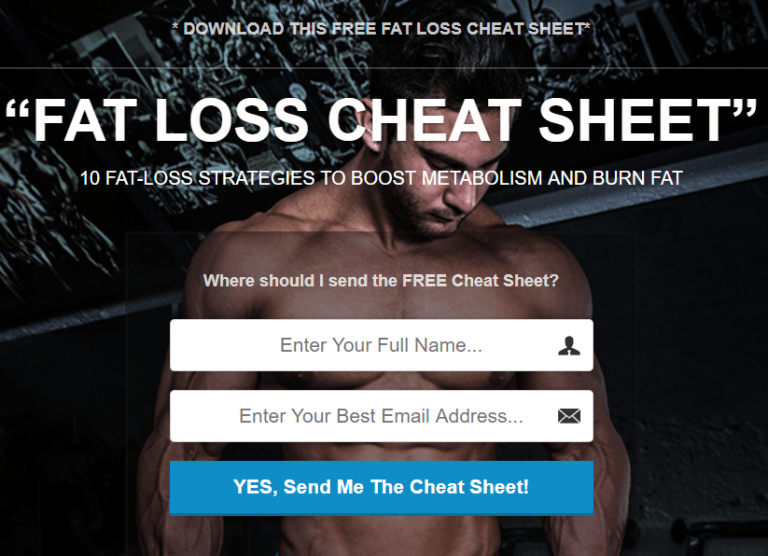
For example, transformation specialist and online personal trainer Ryan Spiteri created the Fat Loss Cheat Sheet as a lead magnet to connect with prospects. When someone signs up, they download this free PDF via email, get added to his email list, and receive weekly messages that provide useful information about things like working out, dieting, and fitness goals. And mixed in with those emails are opportunities to purchase a training program.

Create your own lead magnet for your fitness business

Now that you know what a lead magnet is and how it works to help build your online fitness business, you can create your own. But I’m not a writer, or designer? Don’t worry. It’s not as hard to create a lead magnet as you might think.

By following a few simple steps, you can create a lead magnet for your fitness business to connect with the type of clients you want to work with.

circles@2x 1
cross 1

1

Identify your niche

There was a time when the average personal trainer was in high-demand, had a solid book of business, and trained everybody from athlete to new mom, overweight or obese adults, and senior citizens. But online personal training has changed the game. It’s a lot harder to be successful as a general personal trainer when you’re running an online fitness business.

Here’s the reason. When people decide they want to get in shape, lose weight, train for a race, or even enter a bodybuilding competition, the Internet is typically one of the first places they look to find answers. Specializing in a specific area or niche, greatly increases your chances of being found when someone searches for, “weight loss coach,” for example.

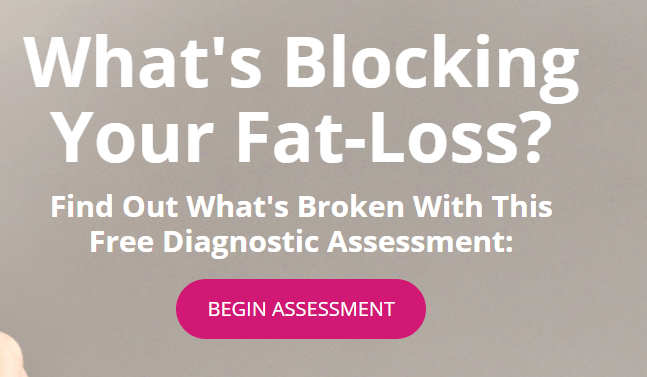
Specializing is how online personal trainer Dave Smith found his niche helping new moms and women with weight loss, dieting, and fitness goals.
lead magnets for personal trainers

2

Do your research

Take the time to figure your target audience or niche, and you’re one step closer to creating a lead magnet that converts. Once you know your niche, you can dig a little deeper to find out more about their goals, interests and concerns, and what your niche audience is looking for help with online.

Here are some questions to think about to help you develop a topic idea for your lead magnet.

  • Where do your ideal clients hang out online? (Facebook, Instagram, Twitter, Pinterest, etc.)
  • What are their concerns, issues, pain points about health and fitness?
  • What problems are they talking about in Facebook groups, niche specific websites, and online forums that your online fitness business can solve?

Find out what people are really searching for online. Here are a couple more ways to help you research your niche to develop a lead magnet.

  • Use Google Keyword Planner. This free tool allows you to see the search volume and trends for key phrases people are using to search for information online. For example, while writing this post, we found that only about 100 people search for “online fitness business” a month. But “fitness business” gets about 1,000 searches a month.
  • Type in search terms you think your target audience is using to help you find a key phrase to help shape your lead magnet.

3

Developing your lead magnet idea

With a well-defined niche and solid research, you can start developing an idea for your lead magnet. If you’re freaking out about this step, it’s pretty normal. Don’t overcomplicate it.

At this point, you know your niche. You’ve got the credentials to be a personal trainer and run an online fitness business. And you probably already have real-world experience training clients or working out yourself.

The biggest mistake people make at this point is thinking that the lead magnet needs to be a massive resource of information, an ebook hundreds of pages long, or a week-long mini course. Yes. You could spend the time to create these types of lead magnets. But you don’t have to.

Make it as simple as possible. For example:

These examples should give you some ideas to develop your own lead magnet. Obviously, you’ll need to spend some time writing or recording the content. It makes sense for most fitness business owners to try and control costs when starting out, but you could hire someone to create the content for your lead magnet.

You could also repurpose existing content (like a podcast episode, blog post, case study, series of emails, resources page, etc.) and turn it into a lead magnet

4

Designing your lead magnet

You’re a personal trainer and fitness business owner, not a graphic designer. How are you going to get your lead magnet designed (cover, page design, video/audio intro, etc.)?

Option #1. Be willing to learn something new. For example, you can use sites like Canva for free to design a lead magnet cover. And YouTube has its own video editing software and tutorials. You’ll have to spend some time learning how to use these tools, but they’re relatively user-friendly, and most are free.

Option #2. Pay someone to design your lead magnet. If you don’t already have a steady stream of personal training clients and income, you probably want to keep costs down when starting your online fitness business. But to get leads coming in, it might be worth it to pay someone to help you design your lead magnet. Fiverr.com is an affordable option, where you can find talented graphic designers with rates as low as $5 per project.

5

Go live, and start collecting leads

Once you’re done with your lead magnet, you’ll want to connect it to your website with an opt-in form to capture email addresses. You can find free WordPress plugins to do this, or pay to use lead generation tools like Lead Pages. Basically, these tools (free or paid) help automate the process. When someone submits their email address, they’ll receive your free lead magnet, and be added to your email list.

But you’ll need to do more than just post your lead magnet on your website. If you don’t have a massive email list or social media following, you need to help people find out about it. Here are some effective, and inexpensive ways to do this:

  • Send out an email. Even if you don’t have a big email list, you probably have a few contacts. Send an email and invite them to check out your lead magnet.
  • Reach out to bloggers/websites that already have a followingOffer to write a guest post about a health/fitness topic. Include a link to your lead magnet. (see tip #1 for specifics on this approach)
  • Be a guest on a podcast. About 57 million people a month listen to podcasts in the U.S. alone. And a lot of those podcasts cover health and fitness topics. Contact podcast hosts via email, Twitter, Facebook, Instagram, etc. Provide a brief bio that mentions you’re a personal trainer, and ask if they’d consider interviewing you. You’ll probably get a chance to plug your lead magnet and point people to your site in the show notes.
  • Answer questions on Quora. Create an account, and start answering questions about health and fitness. Include a link to your website in your bio.
  • Post a video on YouTube. It doesn’t have to be long. 1 to 3 minutes is fine. You can even record a decent video with your phone. Introduce yourself. Talk briefly about common health and fitness challenges people have, and how you can help. Or instead of a talking-head video, demonstrate an exercise, or how to cook a healthy dish. Encourage people to visit your site for more information.
  • If you do have a budget, consider spending a little money to run a Facebook ad campaign, for example, to promote your lead magnet. Or use social media to host a contest to get people to sign up for your lead magnet with a drawing for something of value like a gift card, fitness tracking device, or free coaching.

It might take a little time to develop an effective lead magnet and get it all set up on your site. But it’s a smart strategy that will help you grow your fitness business.

Have questions about creating a lead magnet for your fitness business? Let’s discuss. Leave a comment in the notes.

circles@2x 1
cross 1

Personal Trainer Career Roadmap

Featured Posts

Subscribe
To Our Blog

Personal Training Website Ideas

Personal Training Website Ideas

Best Personal Training Website Ideas

If you want to grow your career as a personal trainer, having a professional website is no longer optional. It is one of the most powerful tools you can use to attract new clients, build trust, and show people what you offer. Many people who are looking for a trainer today start their search online. If they cannot find you on the internet, they will most likely choose another trainer who has a strong online presence.

A well-designed personal trainer website works like your 24/7 marketing assistant. It can show your training services, share client success stories, display your certifications, and explain your fitness approach. Even when you are not working, your website can continue bringing in new leads and helping potential clients learn more about you.

The best personal trainer websites do more than just look good. They use smart design, clear messaging, and strong calls to action to guide visitors toward becoming clients. From powerful testimonials and transformation photos to helpful fitness content and easy booking options, these websites create trust and make it simple for visitors to take the next step.

In this guide, we will explore some of the best personal training website ideas and examples that can help you stand out in the competitive fitness industry. You will learn what makes a great personal trainer website, see inspiration from successful trainers, and discover practical ideas you can use to build or improve your own fitness website.

circles@2x 1
cross 1

What Makes a Great Personal Trainer Website?

A great personal trainer website is not just about looking nice. It should help you turn visitors into real clients. When someone lands on your website, they should quickly understand who you are, what you offer, and how you can help them reach their fitness goals.

The best personal trainer websites are simple, clear, and focused on the client. They guide visitors step-by-step toward taking action, like booking a consultation, joining a program, or contacting the trainer. If your site is confusing or slow, most people will leave within a few seconds.

Successful trainer websites usually share a few important elements. They have a strong message on the homepage, easy navigation, professional photos, and clear information about services. They also build trust with things like client testimonials, transformation photos, and trainer certifications.

Another key factor is usability. Your website should load fast, work well on mobile phones, and make it easy for visitors to find what they need. Many people search for trainers on their phones, so a mobile-friendly design is very important.

When these elements come together, your website becomes more than just an online page. It becomes a powerful tool that helps grow your personal training business and bring in new clients consistently.

Clear Value Proposition on the Homepage

Your homepage is the first thing most visitors will see, and you only have a few seconds to grab their attention. This is where your value proposition becomes very important. A value proposition simply explains what you do, who you help, and why someone should choose you instead of another trainer.

A strong homepage message should quickly answer three basic questions for visitors:

  • What kind of training do you offer?


  • Who is your training for?


  • What results can people expect?


For example, instead of just saying “Personal Trainer,” a stronger message might be something like helping busy professionals lose weight, helping athletes build strength, or helping beginners start their fitness journey safely. This makes your message clear and speaks directly to the people you want to attract.

Good personal trainer websites also support this message with strong visuals. Photos of real training sessions, client transformations, or a short introduction video can help visitors feel more connected to you and your brand.

Finally, the homepage should guide visitors toward the next step. This could be a button that says Book a Free Consultation, Start Your Program, or Get Your Custom Workout Plan. A clear direction like this makes it easier for visitors to become paying clients.

Professional Design and Strong Visual Branding

The design of your website plays a big role in how people see your personal training business. When someone visits your site, they quickly decide if it looks professional or not. A clean and modern design helps visitors feel confident that you are serious about your work and that you can help them reach their fitness goals.

One of the first things people notice is the color scheme of the website. Good personal trainer websites usually use a small set of colors that match their brand. For example, many fitness sites use strong and energetic colors like black, red, blue, or green. The goal is to create a look that feels powerful, clean, and easy on the eyes. Using too many colors can make the website feel messy and confusing.

Photos are another important part of visual branding. High-quality images can make a huge difference in how your website feels. Photos of real training sessions, happy clients, gym environments, or transformation results help visitors imagine themselves working with you. Real photos are always better than random stock images because they show your real work and build trust with potential clients.

The layout of your website should also be simple and easy to follow. Visitors should be able to scroll through the page naturally and quickly understand what your services are. Important sections like your services, testimonials, and contact information should be easy to find. A clear layout helps people stay longer on your site and explore what you offer.

Finally, the overall user experience should feel smooth and simple. Pages should load quickly, menus should be easy to use, and the website should work well on both computers and mobile phones. When visitors can easily move through your site without confusion, they are much more likely to trust your brand and take the next step toward becoming a client.

Simple Navigation and Fast Page Speed

A great personal trainer website should be easy to use from the moment someone lands on it. Visitors should not have to search around or feel confused about where to go next. This is why simple navigation is so important. A clean menu helps people quickly find the information they need, such as your services, training programs, pricing, testimonials, or contact details.

Most successful personal trainer websites keep their navigation menu short and clear. Instead of adding too many pages, they focus on the most important ones like Home, About, Services, Testimonials, Blog, and Contact. When visitors can easily move between these sections, they spend more time exploring your website and learning about your training services.

Another key factor is page speed. In today’s fast online world, people expect websites to load almost instantly. If your site takes too long to open, many visitors will simply leave and look for another trainer. A fast-loading website keeps people engaged and improves their overall experience.

Fast page speed is also important for search engines. Websites that load quickly often perform better in search results, which means more people can discover your personal training services online. Simple things like using optimized images, clean design, and reliable hosting can make a big difference in how quickly your pages load.

When your website combines simple navigation with fast page speed, visitors can easily explore your content, learn about your fitness programs, and take the next step toward working with you.

Email Lead Capture

Did you know that 91 percent of consumers check their email daily, 74 percent prefer to receive communications via email, and 66 percent have a made a purchase as a result of an email marketing message?

These are just a few of the amazing statistics behind email marketing that make it so important to your success. When a potential lead visits your site, odds are they won’t just pick up the phone and schedule a meeting with you.

However, if you can capture their email you can continue to stay in front of them with your blog or other interesting workout-related content and eventually build their trust.

Here are a few examples of email lead capture from other personal xenical in usa trainers that are a good idea to implement into your personal training website:

Examples of Email Lead Capture

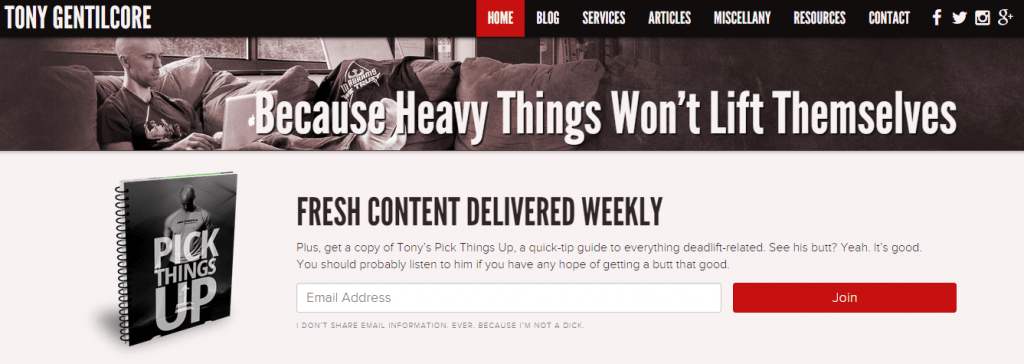
Right when you get to the http://tonygentilcore.com/ website one of the first things you see is your opportunity to get “fresh content.” A blog subscription is one of the ways Tony is getting leads who, over time, will learn to trust Tony while he stays top-of-mind each time they get an email with great content from him.

tonygentilcore.com

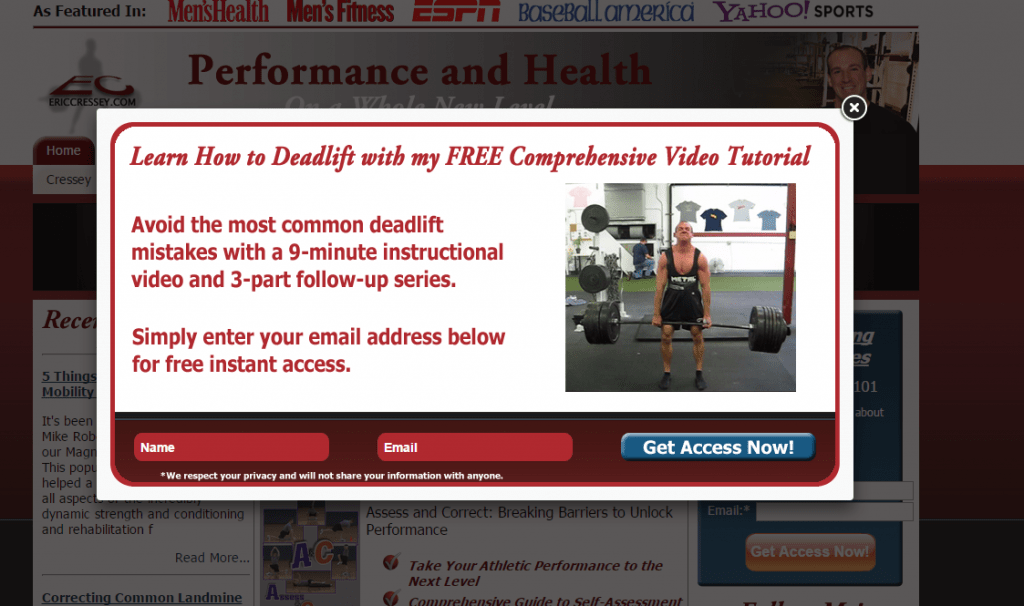
Another example of effective email lead capture is from the http://www.ericcressey.com/ website. Right when you get to the homepage this popup comes up with a free offer incentivizing something valuable – a free deadlift tutorial – in exchange for your email.

email popup lead capture for personal trainers

Podcast Lead Capture

If blog writing or the creation of video tutorials is not your thing, consider doing what http://www.jcdfitness.com/ did and create a podcast. You’ll be able to speak your mind and do things like JC where you field questions from your audience.

Plus you can post podcasts on iTunes and get even more exposure from searches there. Learn more about starting a podcast and marketing it here.

personal trainer website ideas podcast

Use Social Proof

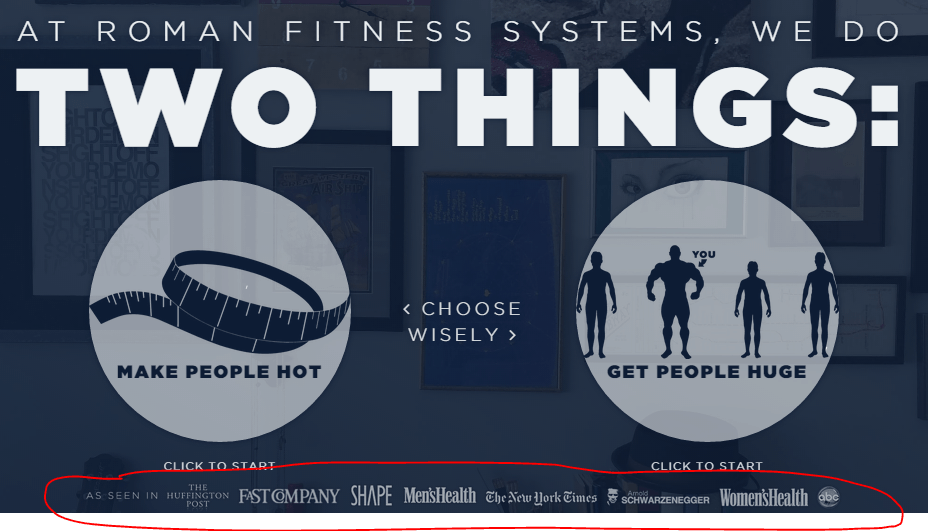
Although most new sites or trainers won’t have the kind of media exposure as John Romaniello of Roman Fitness Systems, any indications of your credibility as a personal trainer will help earn the trust of potential clients visiting your site.

This site, and many others, use the “As seen in” section in a place that is visible on their homepage to build instant credibility.

personal trainer social proof example as seen in

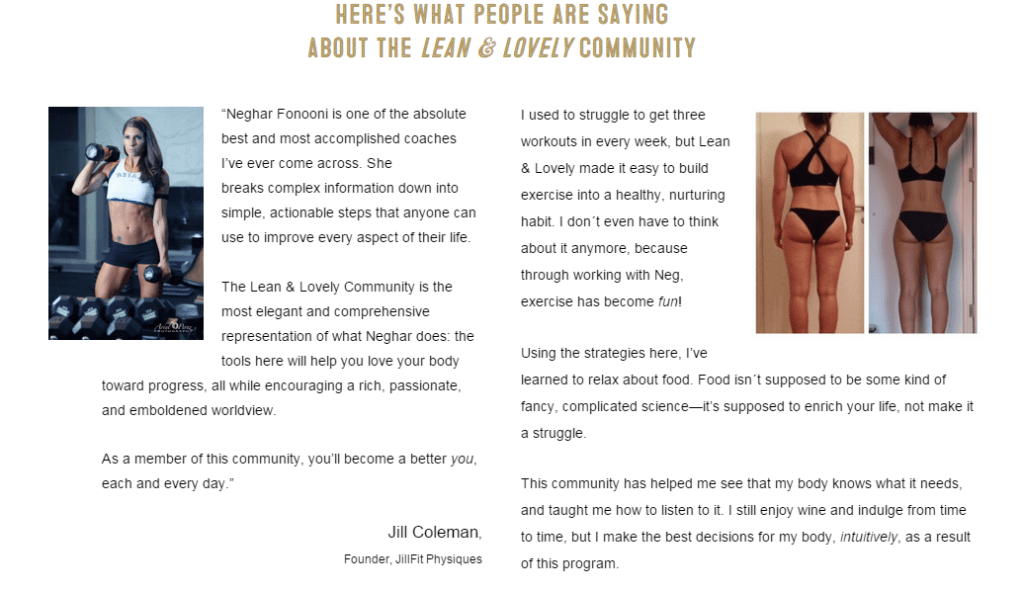
Social proof is not just limited to media exposure however, nearly any personal trainer can take advantage of the type of social proof that personal trainer Neghar Fonooni establishes on her http://www.negharfonooni.com/ site.

She uses testimonials to showcase what real people have said about her and backs up her results with actual before and after pictures of clients. This way her results can speak for themselves.

personal trainer social proof example

The Call-to-Action (CTA)

The CTA of a website is one of the most important components. It has been said that the average person now has the attention span of about 2.5 seconds, less than that of a goldfish.

When someone lands on your website you need to do two things, fast:

  1. Let them know what your site’s all about (in under 3 seconds)
  2. Tell them what to do next

Let’s look at some examples of sites that have strong CTAs.

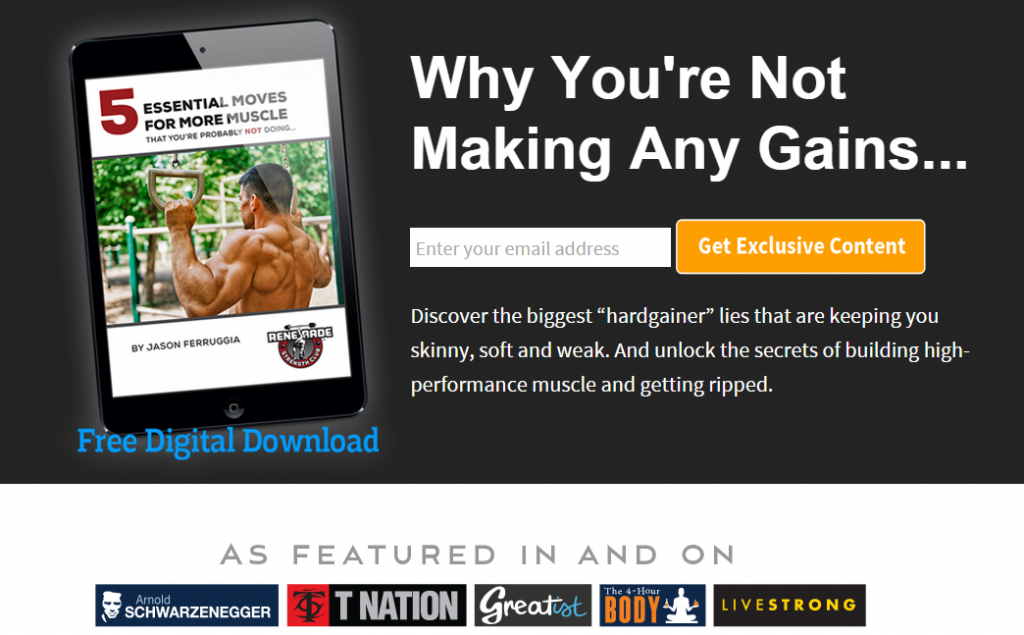
The site http://jasonferruggia.com/ has a really simple, yet genius homepage that helps Jason do a few things:

  1. The “Why You’re Not Making Any Gains” appeals to people who can relate to that and lets them know what the site is all about – helping clients get gains.
  2. The huge “Get Exclusive Content” button tells you exactly what you will be getting if you subscribe to the blog.
  3. By subscribing, Jason is also gathering lead information.
  4. Below the lead capture section we also see the often used social proof element of “As featured in…” that adds credibility.

Good job Jason!

personal trainer call to action example

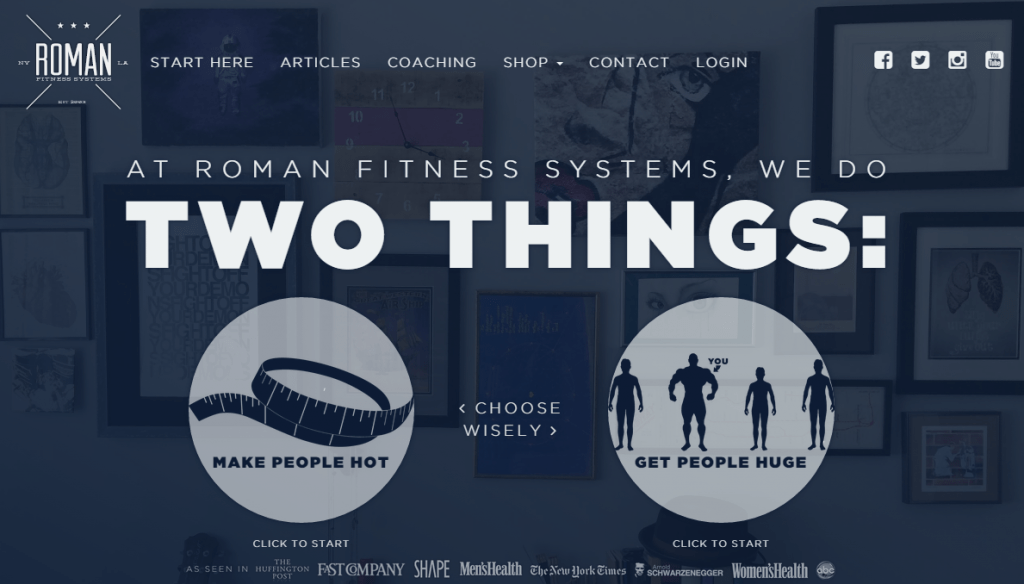
Again we look at the Roman Fitness Systems site, one of my favorites in terms of leading the customer down a path. For personal trainers who are just starting out or are not selling specific workout materials or products online, this is a good site to emulate.

In terms of the CTA, there are two:

  1. “Start Here”: It’s so simple yet efficient at helping guide people through the site. If you are a trainer and want to let people know where to find out more information about you, use your own “start here” button to lead them down your sales path.
  2. Two options: Also very simply done is the option to either get hot or get huge. This too is a CTA that helps lead people down a very specific sales path.
romanfitnesssystems.com 2

One thing you may have noticed from the above examples is that some personal trainers monetize their sites in different ways. That is something you’ll also have to consider when building your website.

Deciding on the Type of Site You Want

to Promote

Just like there are different types of personal trainers there can be different types of personal training websites. Obviously there can be some overlap between different areas of health and fitness but it’s usually easier to start narrow and deep rather than go broad and shallow.

Here are the three main types of personal trainer sites that you’ll want to consider and an explanation of their purpose:

  1. Client-centric and local: this is the type of site you’ll want to build if your goal is to get new personal training clients in your local area.
  2. Topic-specific: these sites focus on specific topics – like strength training, weight loss or bodybuilding – and usually have some type of monetization strategy that doesn’t involve one-on-one or group personal training.
  3. Brand-specific: the other type of personal training site is the brand-specific site. As the name implies, these are for brands with multiple trainers and/or facilities.

Client-centric and Local Personal Trainer Websites

With this type of website your main goal is to have people who are searching for personal trainers to find you or to have a place to collect leads. Here are some tips to have success with this type of website:

  • Get a professionally-designed personal training website: your website is a reflection of your brand and is also a reflection of the type of work you provide. If you have a badass website with cool pictures, lots of information on your process and other trust-building signals, you’ll look as if you have a successful personal training business even if you’re just starting out.
  • Don’t just build a site, build your personal brand: when building your client-facing site, you’ll have to consider how you’ll sell your fitness theory. This means having your website describe the following items so that clients know what to expect from you and can get excited about working with you:
    • What health means to you
    • What your daily routine is to promote health
    • What you eat and why
    • Your strategies to create a new habit or behavior
    • What exercises you use to get in the best shape
  • Marketing your website (SEO): the easy way to market your website is through your personal interactions, with business cards and through word-of-mouth referrals. But the long-term and personal-training-website-marketing-that-should-be-on-your-radar will come in the form of what’s called search engine optimization, or SEO. SEO, a form of marketing that sees your website will be found by people who are searching for personal trainers on search engines, is like personal training for websites. It helps them get strong, get attention, and become sexy in the eyes of Google. SEO will be one of your greatest assets if you are trying to get new clients on a continual basis.

For an example of a client-centric personal training website check out http://www.eddielester.com/, the website of Fitness Mentors founder Eddie Lester. Eddie’s site does a few things right: first, it is clear that it was designed by professionals and not by amateurs. Second, Eddie’s website focuses on images to tell the picture of what he is selling.

Eddie Lester website responsive mockup

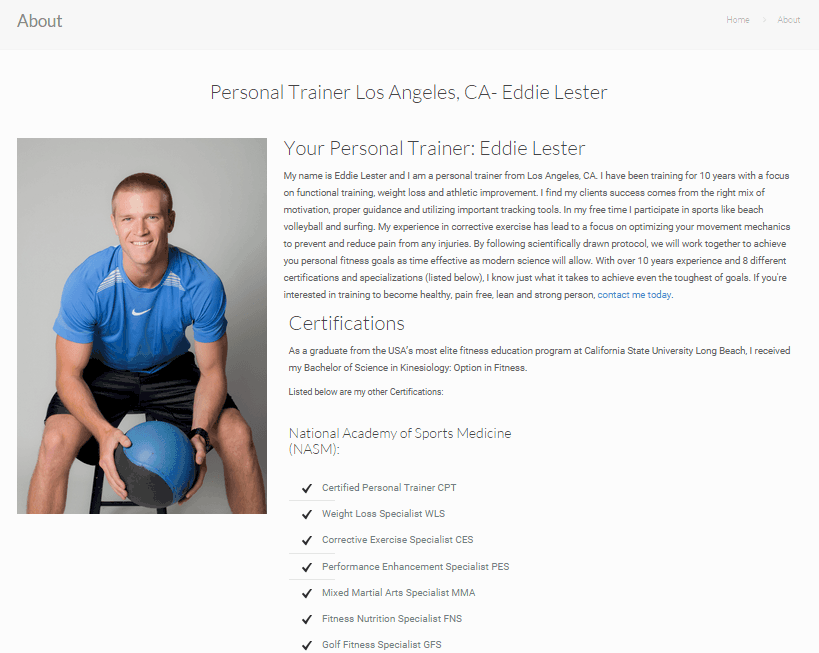
Thirdly, Eddie has a robust About page that talks about his background and as well as his certifications.

personal trainer about page example

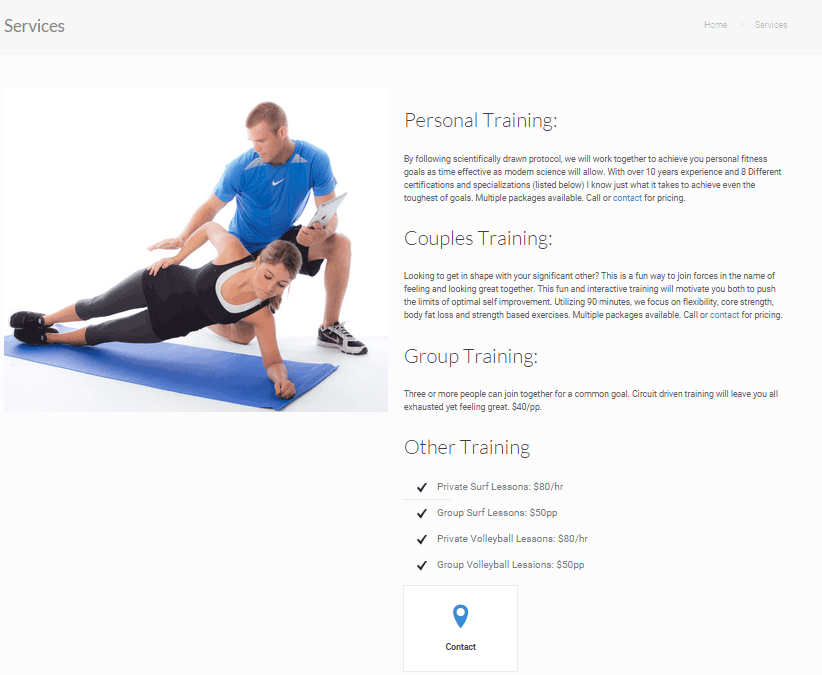
Fourth, Eddie makes good use of the services page and speaks about the services that are unique to his business. He also mentions his price points, something that most potential clients will want to know right off the bat.

personal trainer services page example

Finally, Eddie adds social proof with an up-to-date testimonial page. His contact information is also clearly displayed so that people can get in touch with him via phone, email or through social media.

personal trainer website example header

Topic-specific Personal Training Websites

personal trainer website ideas

One of the other, and perhaps most competitive, of personal training websites are the ones that cover specific topics. You know these sites well because the popular ones come up again and again when you do fitness-related searches.

These types of sites include, for example, Bodybuilding.com, MuscleandFitness.com, Shape.com and the more individualized versions of these sites like RomanFitnessSystems.com or JillianMicheals.com.

The difference between these websites and client-centric sites is that they create revenues in a different way than individual or group personal training sessions. In other words you can’t actually hire the trainers on these sites, they exist to sell you on something else.

What do these topic-specific sites sell? Let’s take a closer look at the examples of the sites to see if any of these relate to what you’d like to achieve:

  • com: Sells supplements from is online store.
  • com: Sells advertisements and magazine subscriptions as well as supplements.
  • com: Sells advertisements and magazine subscriptions.
  • com: Sells online coaching, books and gadgets.
  • com: Sells diet and exercise plans and ads.

While many of these sites feature personal trainers, the end goal of the sites is not to help the visitor’s book sessions with them. The personal trainers are mainly responsible for the content on the site or have a reputation that they use to sell products they put their names on.

If you are not yet a big name personal trainer but want to create a website that is monetized some other way, here are some website ideas that will get you on your way:

  • Amazing personal training websites start and end with great content: with the exception of Jillian Michaels site, all of the abovementioned sites all got to where they were by creating amazing content. Take Bodybuilding.com for example, do a Google search for almost any topic on workouts and you’ll find them in the first or second spot. This is because their content is superior to almost anything else on the web. This doesn’t only apply to written form, they also have loads of videos, pictures, graphs and illustrations to make their content even more appealing. Furthermore, the writers on their site are true authorities in the health and fitness field which only leads to their credibility.

If you are going to create a website with the goal of selling products or ads, you can follow Bodybuilding.com’s model of putting the content on your shoulders and moving ahead from there.

  • Outreach is just as important as content creation: after you begin to create really great content for your website you’ll want to start the outreach portion. Unlike in Field of Dreams, the “if you build it they will come” idea doesn’t work on websites. One way to start is to spread the word on social media but where you’ll really have success is by forming relationships with other personal trainers who have bigger networks. Asking them to share your content on their social networks is one way to get more eyeballs on your content and to expand the reach of your content.

Traffic is the Most Important Thing for Monetizing Topic-specific Personal Training Websites

The amount of visitors you get to any website is important but this is especially true for these topical sites. This is because the amount of ads you sell, or the amount of meal plans you sell, or the amount of books you sell, etc. will depend on your ability to drive big numbers of visitors to your site.

For comparison sake, the personal trainer who gets 1,000 people to visit their site will probably gain the interest of about 10%, or 100 of those people. Then, only about 10% of those 100, or 10 people might actually reach out to that personal trainer. If he or she is a good closer, they can expect to turn 10% of those 10, or 1, into a client.

But one new client a month for a personal trainer is probably something that could sustain a business that already had a decent number of clients (but not an entirely new business).

With a topic-specific personal training site you’ll need to have a lot more traffic to keep the money coming in which is why these types of sites are amongst the most challenging. As a rule of thumb, you’ll probably need to get your topic-specific personal training website into the 100,000 visitors per month range before you really start monetizing it.

For comparisons sake, Bodybuilding.com gets about 26 million hits per month and RomanFitnessSystems.com about 200,000 based on traffic estimates from https://www.websiteiq.com/.

In this case, you’ll probably also want to invest in search engine optimization marketing if you are looking to monetize your site.

Brand-specific Personal Training Websites

CrossFit Trifecta

These are the types of websites that are for multi-trainer personal training companies or for the personal trainer who has aspirations of growing their business beyond themselves.

Like the client-centric sites, these tend to market to clients in the local area but can grow to farther reaching chains not unlike a CrossFit or similar gym. These sites can also venture into group training or other trendy workout movements like yoga, Pilates or even sport-specific training.

Because the focus of these types of businesses tends to be narrow and deep, these websites should focus on the following approach:

  • A full explanation of the benefits: when people look for a specific type of training they are either a) very interested in that type of training and need to be persuaded why they will try it for the first time with you, or b) already love this type of training but need a reason to visit your facility/gym/experience to convince them it may be better than what they have done before.
  • Lots of pictures: going along with the above, making the change to your business is going to take some visuals of your operations to help seal the deal. Your website should be highly visual with professional-grade photographs of your equipment, people doing exercises and perhaps most importantly, the trainers who dedicate their lives to helping others.

You’ll Want Online Exposure Here Too

Yup, it’s that word again, SEO, the one you knew was coming. If you want more exposure than what you’re going to get from word-of-mouth you’ll want to take advantage of search engine optimization.

SEO will help you to rank for your specific services so that people who want them and don’t know about your brand will find you, call you and contribute to your continued success.

Personal Training Website Ideas Recap

Now you have learned a few things about personal trainer websites. You should be able to take this knowledge and decide the type of lead capture, marketing tools or call-to-actions you want to use.

You should also know the type of personal trainer website you want: local, topic-specific or brand-specific.

With these fundamentals you’ll be able to build a better website and a better career. Don’t forget, you can get a professionally-made website from a name you can trust – Fitness Mentors.

circles@2x 1
cross 1

Personal Trainer Career Roadmap

Featured Posts

Subscribe
To Our Blog