What Members Actually Get From Joining a Premier Athletic Club

How to Become a Nutritionist in Washington

A premier athletic club earns its place through repeated, measurable use. Members usually look for cardiovascular training, strength work, recovery space, family programming, and dependable social contact in one setting. Strong clubs support those needs without making daily health habits harder to maintain. The real return appears over months, as regular movement, better scheduling, and familiar community ties begin shaping sleep, stress levels, physical function, and long-term adherence.

Daily Access

Daily usefulness matters more than prestige. In practice, a well-run St. Louis athletic club can give members steady access to lap pools, resistance equipment, group sessions, court sports, dining areas, and quiet meeting rooms across a normal week. That mix supports routine adherence, which remains one of the strongest predictors of better fitness, weight control, and lower stress burden for busy adults and families.

For professionals interested in helping members build these habits, becoming a certified personal trainer can create opportunities to support people inside athletic club environments.

Training Variety

Variety protects the body from stale patterns and overuse strain. A club setting can support resistance training, racquet sports, swimming, mobility work, and instructor-led classes without requiring multiple memberships. That range helps members shift with age, injury history, season, or energy level. Someone rebuilding leg strength may choose water exercise first, then return later to loaded movement, tennis drills, or interval cycling.

Time Efficiency

Time pressure often disrupts healthy behavior before motivation fades. When exercise, meals, childcare, and social plans happen in one place, members face fewer logistical barriers each week. Less driving can mean better attendance and more consistent training frequency. Access to more than one location also improves scheduling flexibility, which helps people protect recovery time, maintain work obligations, and keep physical activity from slipping off the calendar.

Social Return

Exercise adherence improves when relationships support it. Familiar training partners can increase accountability, while repeated contact during classes or leagues may lower social isolation and improve mood. Those effects matter because emotional strain often weakens follow-through on sleep, movement, and nutrition goals. A club with shared spaces gives members regular, low-pressure ways to connect, which can make healthy routines feel steadier and less mentally taxing.

Family Use

Family participation changes the value equation. Parents often need safe youth programs, swim instruction, camps, or supervised activity while they train or meet friends. When one membership serves several age groups, scheduling conflict drops and attendance usually rises. Children also benefit from repeated exposure to active norms, structured play, and skill development, while adults gain a more realistic chance of protecting their own cardiovascular and musculoskeletal health.

This also creates demand for qualified fitness professionals. A personal trainer certification can help trainers understand how to work with different ages, goals, and fitness levels.

Service Standards

Health habits depend on predictability more than inspiration. Clean locker rooms, accurate reservations, functioning equipment, and well-managed programming remove the small irritants that often break consistency. Staff reliability matters because friction adds decision fatigue, and exhaustion reduces follow-through. Members usually notice strong service in indirect ways, through smoother transitions, shorter delays, safer conditions, and greater confidence that planned workouts or family activities will happen as expected.

Food And Meetings

A premier club often supports more than recreation. Members may use dining rooms for balanced meals, informal business conversations, or family dinners that fit around training sessions. Meeting and event space can also reduce the need for extra travel across town. That convenience has health value because compressed schedules often lead people to skip exercise, eat hastily, or trade sleep for social and professional obligations.

Tradition And Identity

Club identity can affect behavior in practical ways. A setting with visible standards, established customs, and multigenerational participation often encourages members to return regularly and take shared spaces seriously. That sense of continuity may strengthen belonging, which supports long-term attendance. For some households, the club organizes milestones, competitions, celebrations, and weekly rituals, giving health routines a stable social frame.

The Real Metric

The clearest measure of value is weekly impact. A membership works when it improves several parts of ordinary life at once, including exercise volume, schedule control, family coordination, social contact, and recovery time. People rarely keep paying for access they do not use. They stay when the club reduces friction, supports physical goals, and provides enough practical benefit to become part of a repeatable, health-supporting routine.

Conclusion

What members receive from a premier athletic club is rarely a single perk. The meaningful gain is a dependable setting for movement, recovery, family participation, social connection, and daily structure. Those combined functions can support better adherence, lower stress, and more consistent physical activity over time. When a membership fits ordinary life so well, its value becomes visible in weekly habits, functional health, and the ease of staying engaged year after year.

For trainers who want to build a career serving members in athletic clubs, earning a personal trainer certification through Fitness Mentors can be a strong first step.
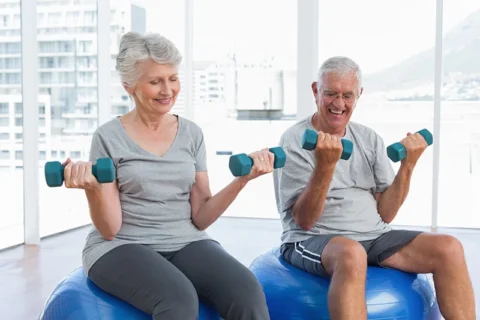
How Personal Trainers Can Build a Thriving Business Working with Assisted Living Facilities

For personal trainers looking to expand beyond traditional gym clients, one of the most overlooked opportunities is working with assisted living facilities. With Southern California’s aging population continuing to grow, senior fitness services are becoming increasingly valuable to both residents and facility operators.

Many assisted living communities are actively searching for qualified professionals who can help residents improve mobility, maintain independence, reduce fall risk, and enhance overall quality of life. For trainers, this creates an opportunity to build a rewarding business while making a meaningful impact on people’s lives.

Why Assisted Living Facilities Need Personal Trainers

Residents of assisted living communities often face challenges related to aging, including decreased muscle mass, reduced balance, limited mobility, and chronic health conditions. Regular exercise has been shown to help address many of these issues by improving strength, flexibility, coordination, and cardiovascular health.

While many facilities offer recreational activities, few have dedicated fitness professionals capable of creating structured exercise programs tailored to individual needs. This gap creates an opportunity for certified personal trainers to provide specialized services.

By partnering with assisted living facilities in Los Angeles, trainers can help residents:

  • Improve balance and reduce fall risk
  • Increase strength and mobility
  • Maintain independence longer
  • Improve mental health and cognitive function
  • Enhance social engagement through group exercise
  • Manage chronic conditions through movement

For facility administrators, these services can also serve as a valuable marketing tool when attracting prospective residents and their families.

Business Models for Personal Trainers

There are several ways trainers can structure their services within assisted living communities.

Group Fitness Classes

One of the most efficient business models is offering group fitness sessions. Trainers can lead classes focused on:

  • Balance training
  • Functional strength
  • Chair-based exercise
  • Stretching and flexibility
  • Low-impact cardio
  • Fall prevention programs

Facilities often pay trainers a flat fee per class, or residents may pay individually to participate.

One-on-One Personal Training

Many residents have unique needs that require individualized attention. Personal trainers can offer private sessions focused on:

  • Post-rehabilitation exercise
  • Strength training
  • Mobility improvement
  • Chronic disease management
  • Personalized fitness plans

Private sessions typically command higher rates and can create recurring monthly revenue.

Wellness Programs

Some trainers position themselves as wellness consultants rather than simply fitness instructors. This approach may include:

  • Resident fitness assessments
  • Staff education
  • Exercise program development
  • Wellness workshops
  • Family education sessions

This model can generate larger contracts with facility management groups.

How to Approach Assisted Living Facilities

Many trainers assume they need extensive medical experience to work with seniors. While additional education is helpful, many facilities are simply looking for qualified professionals who understand safe exercise principles.

When approaching assisted living facilities focus on the outcomes you can provide rather than simply selling personal training sessions.

Start by identifying facilities within your service area and contacting:

  • Executive Directors
  • Activity Directors
  • Wellness Coordinators
  • Resident Program Managers

Prepare a professional proposal that outlines:

  • Your certifications and experience
  • Insurance coverage
  • Sample exercise programs
  • Expected resident benefits
  • Pricing options

Offering a complimentary demonstration class can be an excellent way to showcase your expertise and build trust with both staff and residents.

Certifications and Education

Although a standard personal training certification may be enough to get started, additional education can help you stand out.

Consider certifications in:

  • Senior Fitness
  • Corrective Exercise
  • Functional Aging
  • Fall Prevention
  • Health Coaching

Understanding common age-related conditions such as arthritis, osteoporosis, Parkinson’s disease, and joint replacements will also improve your effectiveness and credibility.

Building a Scalable Business

One of the biggest advantages of working with assisted living communities is scalability. Rather than relying solely on individual client acquisition, trainers can secure contracts with multiple facilities and serve dozens of residents each week.

For example, a trainer teaching five classes per week across several communities could generate consistent recurring income while spending less time marketing and selling.

Many successful trainers eventually hire additional instructors and expand into multiple locations, creating a fitness business specifically focused on senior wellness.

Final Thoughts

The demand for qualified fitness professionals within assisted living facilities continues to grow as the senior population expands. For personal trainers seeking a meaningful niche with long-term potential, senior fitness offers an opportunity to build a sustainable business while helping older adults live healthier, more independent lives.

By combining professional fitness expertise with a genuine commitment to improving quality of life, trainers can establish valuable partnerships with assisted living communities and create a business model that benefits everyone involved.

Best Fitness Classes in NYC for Busy Professionals

Becom e a Personal Trainer in Albama

Working professionals in New York rarely have two hours to spend at the gym. Between commutes, calls, and the rest of the day, the question is not whether to train but how to make 45 to 60 minutes count. The city’s boutique fitness scene has matured around that exact constraint, with studios programming for efficiency rather than volume. Midtown East is one of the densest hubs for this kind of training, with options like Form50 Midtown East at 135 E 46th St running early-morning, lunch-hour, and post-work slots specifically built around the schedules of nearby office workers.

The format question matters as much as the timing. A 45-minute class that wastes 10 minutes on setup and instruction is functionally a 35-minute class. The best NYC studios for professionals have stripped that overhead down, briefing new clients ahead of time and running tight, coach-led sessions from the moment the door closes.

What Maximizes Results Per Minute

The formats that consistently deliver in shorter windows share three traits: they are progressive, they combine strength and conditioning in the same session, and they are coached. HIIT, reformer-based strength training, and boutique strength circuits all qualify. The studio matters more than the modality, since coaching quality varies more between studios than between categories. Outside Midtown, neighborhoods like Astoria have built their own dense boutique networks, including Form50 Astoria at 31-57 31st St, which serves residents who want to train close to home rather than commute back into Manhattan for class.

Cycling studios like SoulCycle and CycleBar remain a strong option for cardio-forward sessions. Barry runs a treadmill plus floor work for clients who want both modalities in one class. Solidcore and reformer-focused studios deliver lower-impact strength sessions that target stabilizers most weight rooms ignore. Each modality earns its place; the question is which fits the schedule and the recovery capacity.

Scheduling Around the Workday

The three peak slots for NYC boutique fitness are 6 to 8 AM, 12 to 1 PM, and 5:30 to 7:30 PM. Studios in commercial corridors lean heavily on the morning and lunch windows; studios in residential neighborhoods skew towards the evening. Booking patterns reward planning ahead by a week, particularly for the most popular instructors, since waitlists are routine in Midtown and Williamsburg.

Lunch-hour classes deserve a particular mention because they are the most underused slot. A 45 to 50-minute class with showers on-site means a professional can train without losing the morning or the evening to fitness. Studios in office-dense neighborhoods like Midtown East and the Flatiron have invested in shower facilities and turnaround logistics specifically to capture this slot.

Neighborhood Hubs for Boutique Training

Midtown East and Murray Hill cluster around the 40s and 50s east of Lexington, with reformer studios, HIIT formats, yoga, and barre all within a few blocks of each other. The mix supports cross-training across the week without long subway rides.

Flatiron and NoMad concentrate spin, barre, and Pilates options around the 20s. The Upper East Side and the Upper West Side both lean toward Pilates, yoga, and group strength formats with longer dwell time per client.

In the outer boroughs, Williamsburg in Brooklyn has built one of the most active boutique fitness scenes in the city, with reformer, HIIT, and cycling studios concentrated along Bedford Avenue and the surrounding streets. Astoria in Queens has done the same on a slightly smaller scale, with strong reformer and strength options along 30th Avenue and Steinway Street.

What to Look For Before Booking

Class size is the single most reliable indicator of coaching quality. Anything beyond 16 to 18 clients per coach starts to feel less like a class and more like supervised training. The best boutique formats cap at 12 to 16. That is also why drop-in rates are higher; the unit economics demand it.

Coaching staff turnover matters too. Studios with long-tenured coaches tend to have better programming, since coaches who stay have invested in the system. Reading the staff bios on a studio site, or asking at the front desk how long the senior coaches have been with the studio, is a faster filter than reading reviews.

Showers, towel service, and product on-site matter for the lunch and post-work slots. A studio without these forces a return home, which erases the time efficiency it was supposed to deliver. Most flagship NYC studios understand this; smaller neighborhood spots vary.

How to Build a Weekly Schedule

Most working professionals see the best results from three to four sessions per week, alternating high-intensity and lower-intensity days. A typical week might run a HIIT or reformer-strength class on Monday, a yoga or stretch class on Wednesday, another strength-conditioning class on Thursday, and a longer weekend session. That pattern fits around a five-day workweek without overcooking recovery.

Booking the same time slot most days makes adherence easier. The decision to go gets made once, not five times. The 6:30 AM crowd at most NYC studios is full of professionals who train at the same time, with the same coach, week after week, because that consistency is what produces results.

The Hidden Cost of Studio-Hopping

Class-pass platforms and discount aggregators make it tempting to bounce between studios week to week. The flexibility looks attractive, particularly when calendars shift unpredictably. The trade-off is that progression suffers. A coach who has never seen a client cannot adjust load, cue form, or push intensity in a meaningful way.

Most professionals who see real results in 12 to 16 weeks of training settle into one or two primary studios, with occasional drop-ins elsewhere for variety. The familiarity is what allows the coach to push and the client to keep growing.

Recovery and Why It Matters in the City

New York’s pace is its own challenge to recovery. Long workdays, late dinners, weekend travel, and the city’s general intensity all compete with sleep and downtime. For professionals training three to five times a week, recovery has to be active rather than assumed.

Some boutique studios in NYC now offer recovery services on-site, including infrared saunas, red light therapy, and stretch rooms. For clients who can spend an extra 20 to 30 minutes after class, these tools meaningfully shorten the rebound between sessions. They are particularly useful before back-to-back high-intensity training days.

Sleep is the recovery tool with the highest return. Professionals who consistently sleep seven to eight hours show measurably better training adaptation than those who train hard on six hours of sleep. The math is unforgiving; no amount of in-class effort compensates for insufficient recovery.

Choosing a Studio That Fits the Career

The best studio for a working professional is the one that disappears into the schedule rather than disrupting it. That usually means within a 10 to 15 minute walk of either home or office, with a schedule that supports the time slots that actually work week to week.

It also means a studio where missed classes are recoverable. Cancellation policies vary widely; some studios charge for late cancels, others offer a more flexible window. Professionals whose schedules shift on short notice should read these policies carefully, since the cost of two or three late cancels a month adds up quickly.

Closing Thought

New York’s boutique fitness landscape rewards professionals who pick a format and a neighborhood that fits their schedule, with studios like FORM50 in Midtown East and Astoria offering one example of how reformer-based, low-impact strength training can fit into a 50-minute window without compromising the work that gets done in that time.

Why Dubai Fitness Professionals Choose Car Leasing for Flexible Mobility

How-to-Become-a-Nutritionist-in-Hawaii

For fitness trainers, wellness coaches, and health entrepreneurs in Dubai, time management and reliability directly affect client trust. Between studio sessions, home visits, wellness events, and meetings across the city, mobility quickly becomes part of the job itself.

That’s why many professionals consider long-term car lease deals in Dubai a practical option. Car leases in Dubai via Renty.ae can suit fitness professionals who want predictable monthly costs and fewer disruptions while building momentum in the UAE.

Time Protection: Cut Admin, Keep Moving

For trainers working with packed schedules and clients in different parts of Dubai, avoiding delays and transport interruptions also helps maintain a professional and consistent client experience.

With a lease in place, routine mobility issues are handled through a defined process. For example:

  • Service scheduling and downtime planning are made by the car rental service.
  • Cost tracking across fuel, servicing, and admin is more comfortable because you know what to expect.
  • Unexpected car problems are solved on the spot with a 24/7 customer support manager.

If you’re scaling, your job is to make fewer low-value decisions per day. A structured car lease in Dubai helps you do that.

Money Protection: Treat Mobility as a System, Not a Purchase

Buying a car can feel like the simplest option: you pay once, you own it, and you expect the topic to be closed. In reality, ownership keeps reopening the conversation through insurance renewals, servicing, paperwork, depreciation, and the time you spend managing details that don’t move the business forward.

Car leasing plans shift the conversation from “asset” to “monthly operating cost.” That matters when cash flow is better deployed in marketing, hiring, inventory, or product iteration.

Also, depreciation is a real cost, even when it hides behind optimism. A long-term car lease moves that risk away from your balance sheet and into a predictable line item. Predictable beats hopeful.

Reputation Protection: Show Up Like You Meant To

Reputation compounds through small proofs, and punctuality is one of the most visible. In a city where client meetings can happen across districts, a mobility setup that causes delays becomes a credibility issue.

Sport entrepreneurs should ask themselves one direct question: “Does my mobility capability make me more reliable?” If you can’t say “yes” without hesitation, you’re not planning—you’re accepting preventable variance.

In client-facing wellness industries, punctuality and consistency are often associated with professionalism, discipline, and trust.

What You Should Check Before Signing a Lease

Most leasing disappointment comes from assumptions. Fix that by checking five points before you commit:

What Is Included in the Monthly Payment

Insurance, maintenance, and registration support can change the real cost significantly.

Contract Term and Flexibility

Early-stage growth is uneven. If your headcount changes, you need options.

Mileage Rules

A low headline price can become expensive if your driving pattern exceeds the cap.

Downtime Policy

Ask what happens when the car is in service. Replacement vehicle? Timeline? Process?

Billing Clarity

Your accountant will thank you for clean invoices. Your future self will likewise.

These checks separate a useful car lease from a stressful one.

Leasing vs. Short-Term Rental: Know Your Use Case

Long-term car leasing in Dubai is for those who value consistency over temporality. When “temporary” quietly becomes repeatable — you keep trying to rent a car, extend bookings, and then spend time reconciling scattered invoices and approvals across the month — it turns mobility into background admin.

Once travel becomes a steady part of operations, leasing is worth evaluating because it standardizes cost and process. It’s a system decision tied to time control and reliability, not a preference decision.

This becomes especially relevant for fitness professionals who regularly travel between gyms, private sessions, hotels, and wellness events throughout the week.

A Simple Mobility Policy for Founders

If you want a rule that survives busy weeks, use this:

  • Lease when you need consistency, predictable cost, and lower admin load.
  • Rent short-term when your need is temporary, irregular, or tied to one project.
  • Standardize when your team grows — same process, fewer exceptions, calmer operations.

You’re not buying a car. You’re buying back attention.

Closing Thought

In Dubai, entrepreneurs win by staying focused. Car leasing in the UAE won’t build your business for you. But it can remove friction that should never have been in your way.

Protect your time. Protect your money. Protect your reputation. And most importantly, protect the energy and focus you bring to your clients every day. Then go do the work that only you can do.

How a Sedentary Lifestyle Can Quietly Damage Your Veins: A Personal Trainer’s Perspective

How to Become a Nutritionist in Mississippi

As a personal trainer, I spend a lot of time talking to clients about strength, fat loss, posture, and cardiovascular health. But one topic that rarely gets enough attention is vein health. Most people never think about their veins until they notice swelling, varicose veins, leg discomfort, or circulation problems. What many don’t realize is that long periods of sitting and inactivity can quietly create the perfect environment for these issues to develop.

Modern life keeps people seated far longer than the human body was designed to handle. Whether someone works at a desk, drives for a living, spends hours gaming, or relaxes on the couch after work, prolonged inactivity places hidden stress on the circulatory system — especially the veins in the legs.

From a trainer’s perspective, movement is one of the body’s most powerful protective tools. When movement disappears from the daily routine, circulation begins to suffer.

Sitting Slows Blood Return

The calf muscles work together to assist each time a person walks. During prolonged sitting, the support drops off, and blood return slows. Vascular specialists, including those at Metro Vein Centers, often note that inactive calves allow blood to remain in leg veins longer than normal. Over time, pressure increases in the vessels, placing ongoing strain on valve leaflets and the vein wall itself.

I often explain to clients that the calves act like a “second heart” for the lower body. Every step helps push blood back upward toward the heart. When someone stays seated for hours at a time, that pumping action largely disappears, allowing blood to pool in the legs.

Why Pressure Builds in the Lower Legs

Leg veins already work against gravity every single day. They depend heavily on regular movement and healthy one-way valves to keep blood flowing properly. When people spend extended periods sitting, circulation slows and venous pressure begins building in the calves and ankles.

Many clients describe symptoms like:

  • Heavy legs
  • Mild swelling
  • Aching calves
  • Leg fatigue after work
  • Tight shoes by the evening

The problem is that these symptoms often get dismissed as normal fatigue. In reality, they may be early warning signs that circulation is becoming compromised.

How Inactivity Can Weaken Vein Valves

Inside the veins are tiny valves designed to keep blood moving upward. When pressure repeatedly builds from prolonged sitting, the veins can stretch slightly over time. That stretching makes it harder for the valves to close properly.

When valves stop sealing effectively, blood begins falling backward and pooling in the lower leg. This condition is called venous reflux. Unfortunately, the process tends to feed itself. More pooling creates more pressure, and more pressure continues weakening the veins.

As trainers, we usually focus on strengthening muscles and joints, but circulation is just as important for long-term health and mobility.

Visible Veins Often Start Gradually

One of the first visible signs clients notice is the appearance of spider veins or varicose veins. Varicose veins may appear raised, twisted, or bluish beneath the skin, while spider veins look smaller and web-like.

A sedentary lifestyle is not always the sole cause, but inactivity absolutely contributes to worsening venous pressure, especially for people with other risk factors such as:

  • Family history
  • Aging
  • Pregnancy
  • Excess body weight

For susceptible individuals, sitting for long hours every day can accelerate symptom progression significantly.

Swelling and Skin Changes Should Not Be Ignored

When pressure inside the veins remains elevated, fluid can begin leaking into nearby tissues. This often leads to swelling around the ankles and lower legs.

Clients may notice:

  • Deep sock indentations
  • Swollen ankles late in the day
  • Itchy or dry skin
  • Brown discoloration near the shin area
  • Increased skin sensitivity

Over time, poor circulation can affect the skin’s ability to heal properly because oxygen and nutrients are delivered less efficiently.

Reduced Movement Can Increase Blood Clot Risk

One of the more serious risks associated with prolonged inactivity is deep vein thrombosis (DVT), which is a blood clot forming in a deep vein of the leg.

As a trainer, this is something I especially discuss with:

  • Frequent travelers
  • Office workers
  • Older adults
  • Post-surgery clients
  • Individuals recovering from illness

While sitting alone is rarely the only cause, inactivity can significantly increase risk when combined with other factors. Symptoms such as sudden swelling, warmth, redness, or calf pain should always be evaluated immediately by a medical professional.

Certain Lifestyles Carry Higher Risk

Some people naturally face greater exposure simply because movement is limited throughout the workday.

Higher-risk groups include:

  • Office employees
  • Truck drivers
  • Gamers
  • Frequent flyers
  • Older adults
  • Pregnant women
  • Individuals with obesity
  • People with prior clotting history

From a fitness standpoint, these are the exact populations that benefit most from intentional movement breaks and circulation-focused exercise habits.

Small Daily Habits Can Improve Vein Health

The encouraging part is that vein health often improves through relatively simple lifestyle changes. Small movement breaks throughout the day can dramatically improve circulation and reduce blood pooling.

Some strategies I regularly recommend to clients include:

  • Standing every 30–60 minutes
  • Taking short walking breaks
  • Using stairs more often
  • Performing heel raises throughout the day
  • Stretching the calves and hamstrings
  • Staying hydrated
  • Maintaining a healthy body weight

Even ankle pumps under a desk can help restart circulation during long work sessions.

Exercise Is One of the Best Tools for Circulation

From a trainer’s perspective, regular exercise is one of the most effective long-term strategies for supporting vein health.

Activities that help improve circulation include:

  • Walking
  • Cycling
  • Swimming
  • Resistance training
  • Mobility work
  • Calf strengthening exercises
  • Low-impact cardio

The goal is not extreme training. The goal is consistency. Regular movement keeps blood flowing efficiently and reduces prolonged pressure buildup inside the veins.

Compression socks may also help some individuals during travel or extended sitting periods, but movement remains the foundation of healthy circulation.

Final Thoughts

Sedentary habits place a steady and often overlooked burden on the venous system. Without regular muscle contractions to assist circulation, blood return slows, pressure rises, and vein valves may gradually weaken over time.

This process can eventually contribute to:

  • Swelling
  • Venous reflux
  • Varicose veins
  • Skin damage
  • Blood clots

The good news is that prevention often starts with simple, consistent movement. As a personal trainer, I encourage clients to think beyond calories burned or muscles built. Daily movement is also one of the best ways to protect circulation, support vein function, and maintain long-term health.

When symptoms like persistent swelling, visible veins, skin discoloration, or leg discomfort continue despite lifestyle changes, seeking evaluation from a qualified medical specialist is an important next step.

How Fitness and Exercise Can Support Alzheimer’s Care

As a personal trainer, I’ve seen firsthand how movement can transform not only the body, but also the mind. While exercise is often associated with weight loss, strength, or athletic performance, its impact on brain health is becoming impossible to ignore. For seniors living with Alzheimer’s disease or cognitive decline, structured fitness and movement routines can play a major role in preserving independence, improving mood, and slowing functional decline.

Alzheimer’s disease rarely follows a predictable path. Families often begin searching for ways to improve quality of life and maintain connection for as long as possible. While no exercise program can cure Alzheimer’s, research continues to show that physical activity, social interaction, and mentally engaging routines can meaningfully support cognitive function and emotional well-being.

From my perspective as a trainer, one of the most important things families can understand is this: movement is medicine for the brain.

Families researching options like Alzheimer’s care assisted living in Albuquerque often find that structured, professionally guided environments support these multi-layered approaches more effectively than isolated home care settings.

Why Exercise Matters for Brain Health

Exercise increases blood flow to the brain, improves oxygen delivery, and stimulates the release of brain-derived neurotrophic factor (BDNF), a protein associated with neuroplasticity and healthy neural connections. Even in older adults experiencing cognitive decline, the brain retains some ability to adapt and create new pathways.

Studies have linked regular movement to:

  • Slower cognitive decline
  • Better memory retention
  • Improved mood and reduced anxiety
  • Lower rates of agitation and wandering
  • Improved sleep quality
  • Better balance and reduced fall risk

As trainers, we often focus on helping clients improve physical function, but with Alzheimer’s clients, we’re also training the nervous system and supporting mental resilience.

The Power of Structured Daily Movement

One of the biggest challenges with Alzheimer’s disease is unpredictability. Seniors can become anxious, confused, or overwhelmed when routines constantly change. Structured exercise sessions create familiarity and consistency, both of which are incredibly valuable for cognitive health.

A simple routine might include:

  • Morning walks
  • Gentle mobility work
  • Chair exercises
  • Resistance band training
  • Balance drills
  • Stretching sessions
  • Light recreational activities

These sessions do not need to be intense to be effective. In fact, consistency matters more than intensity. The goal is to keep the body moving safely while engaging the mind through repetition, coordination, and social interaction.

Strength Training and Cognitive Function

Many people underestimate the role strength training can play in Alzheimer’s care. Resistance training improves posture, coordination, and overall independence. When seniors maintain the ability to stand up from a chair, carry groceries, or walk confidently, they preserve more dignity and autonomy in daily life.

From a neurological standpoint, strength training also challenges motor learning pathways and coordination systems in the brain. Simple movements like squats, step-ups, and resistance band exercises require concentration, sequencing, and body awareness, all of which stimulate cognitive engagement.

For many clients, exercise sessions become one of the few parts of the day where they feel confident, successful, and encouraged.

Cardio Exercise and the Alzheimer’s Brain

Aerobic exercise has consistently shown strong links to brain health. Walking programs, stationary cycling, aquatic exercise, and low-impact cardio routines can help preserve hippocampal volume, one of the brain regions most affected by Alzheimer’s disease.

Even 20–30 minutes of moderate movement several days per week can positively influence:

  • Blood circulation
  • Insulin sensitivity
  • Inflammation levels
  • Stress hormone regulation
  • Sleep quality

As a trainer, I often tell families that movement helps create “better brain conditions.” While exercise cannot stop Alzheimer’s entirely, it can help the brain function more efficiently with the resources it still has.

Social Fitness Matters Too

One area families sometimes overlook is the social aspect of exercise. Isolation accelerates cognitive decline. Group fitness sessions, walking clubs, partner exercises, and interactive activities encourage communication and emotional connection.

Many seniors who resist traditional therapy willingly participate in movement sessions because they feel more natural and enjoyable. Music-based exercise classes, dance sessions, and guided stretching can unlock emotional responses and memories that structured conversation sometimes cannot.

This is one reason professionally guided programs are so valuable. Exercise becomes more than physical activity — it becomes routine, interaction, stimulation, and emotional support all at once.

Nutrition and Hydration Support Exercise Outcomes

Exercise works best when paired with proper nutrition. Brain-supportive dietary approaches such as the MIND diet emphasize:

  • Leafy greens
  • Berries
  • Whole grains
  • Healthy fats
  • Lean proteins
  • Omega-3-rich foods

Hydration is equally important. Dehydration can worsen confusion, fatigue, and disorientation in older adults. Trainers and caregivers should encourage consistent water intake throughout the day, especially before and after exercise sessions.

Adapting Fitness as Alzheimer’s Progresses

One of the most important skills a trainer can develop is adaptability. Alzheimer’s clients may have excellent days followed by difficult days. The goal is not perfection. The goal is preserving engagement and creating positive experiences through movement.

As the disease progresses, workouts may evolve from structured strength sessions into:

  • Assisted walking
  • Guided stretching
  • Sensory movement exercises
  • Hand-eye coordination drills
  • Breathing exercises
  • Music-assisted movement

Success is measured differently in Alzheimer’s care. Sometimes a successful session simply means reduced anxiety, improved mood, or a smile during exercise.

Final Thoughts

As personal trainers, we have an opportunity to impact far more than aesthetics or athletic performance. Exercise can help seniors with Alzheimer’s maintain confidence, mobility, emotional stability, and social connection longer into the progression of the disease.

Fitness is not a cure for Alzheimer’s, but it can absolutely become part of a powerful support system that improves quality of life for both seniors and their families. Structured movement, thoughtful routines, and compassionate coaching can create more good days, more meaningful interactions, and greater independence throughout every stage of care

The Science of Enclomiphene: Why Some Choose SERM Over Traditional TRT

AI Face

Understanding Hormone Therapy Conversations as a Personal Trainer

As a personal trainer, one of the biggest shifts I’ve seen over the past few years is how much more informed clients are becoming about their hormone health.

Conversations around men’s hormone health continue to evolve, and more clients are coming into sessions asking smarter, more nuanced questions. They’re not just asking about training or nutrition anymore—they’re asking how hormones like testosterone impact energy, recovery, body composition, and long-term performance.

While traditional testosterone replacement therapy (TRT) remains widely recognized, there’s growing attention around alternative approaches that work differently within the body’s hormone signaling system. This is where topics like enclomiphene SERM comparison start entering the conversation.

From a coaching standpoint, it’s important to understand how these discussions show up for clients—and how to guide them toward better questions, not quick answers.

Why Treatment Approach Matters to Clients

Not every client who brings up hormone health is looking for the same outcome.

Some are struggling with low energy in workouts. Others are frustrated with stalled fat loss despite consistent effort. And some are simply trying to understand why their body isn’t responding the way it used to.

As a trainer, you start to see patterns: hormones don’t just affect how a client feels—they influence how they perform, recover, and adapt to training.

This is one reason alternative approaches to TRT are gaining attention. Clients researching hormone health are often trying to understand how different therapies interact with their body’s natural hormone production and long-term health.

Understanding the Difference in Approach

One of the most common questions clients ask is:

“What’s the difference between enclomiphene vs testosterone therapy?”

From an educational standpoint, it’s important to keep this simple and accurate.

Traditional testosterone replacement therapy is generally discussed as a form of direct testosterone replacement. In contrast, enclomiphene is often introduced in conversations around selective estrogen receptor modulator (SERM) therapies, which may influence hormone signaling pathways differently.

As a coach, you don’t need to prescribe or recommend—but understanding the distinction helps you guide clients toward more informed discussions with their providers.

Why Clients Are Interested in Alternatives

In the gym, I often see clients exploring alternatives not because they’re chasing a shortcut—but because they’re trying to better understand how their body works.

Interest in SERM therapy benefits often comes from clients who want to learn how different approaches may interact with natural hormone signaling and long-term health strategies.

Common questions I hear include:

  • How does enclomiphene differ from traditional testosterone therapy?
  • Why do some people avoid direct testosterone replacement?
  • How do hormones impact training performance and recovery?
  • What role does lifestyle play alongside therapy?

These are good questions—and they show that clients are thinking beyond surface-level fitness.

The Role of Natural Hormone Signaling

From a training perspective, hormone signaling matters more than most people realize.

Testosterone, cortisol, and other hormones directly influence muscle growth, fat loss, sleep quality, and recovery capacity.

This is why some clients become interested in alternatives to traditional TRT—because they’re hearing discussions around preserving aspects of natural hormone signaling.

That said, it’s important to reinforce this:

There is no one-size-fits-all solution.

As trainers, our role is to help clients understand how lifestyle factors—sleep, stress, nutrition, and training load—already influence their hormone profile before they even consider medical interventions.

Why Online Comparisons Can Be Misleading

One challenge I see often is clients coming in with information from social media or forums that oversimplify complex hormone topics.

Many online discussions frame enclomiphene vs testosterone therapy as a simple “this vs that” decision.

In reality, hormone-related care is far more nuanced.

Factors that influence provider discussions include:

  • Client symptoms
  • Lab results
  • Training volume and recovery capacity
  • Long-term goals
  • Lifestyle habits
  • Medical history

As a trainer, helping clients understand this complexity is one of the most valuable things you can do.

What I Tell Clients to Look For

When clients ask me how to evaluate hormone-related information, I always point them toward a few key principles:

1. Clear Explanations Over Hype

If it sounds too good to be true, it usually is. Look for education, not promises.

2. Context Around Comparisons

Different therapies exist for different situations. There is no universal “best option.”

3. Emphasis on Medical Guidance

Hormone health is not DIY. It requires proper evaluation and monitoring.

4. Realistic Expectations

Hormones can support progress—but they don’t replace training consistency, nutrition, or recovery habits.

Why This Matters for Trainers

The fitness industry is blending more with health and performance than ever before.

Clients are no longer just hiring trainers for workouts—they’re looking for guidance across the full spectrum of performance, including hormone health.

That doesn’t mean stepping outside your scope of practice. It means understanding enough to:

  • Recognize when hormones may be impacting results
  • Educate clients on lifestyle factors that influence hormones
  • Guide clients toward better questions, not quick fixes

Final Thoughts

The growing interest in enclomiphene SERM comparison discussions reflects a bigger shift in fitness and health.

Clients want to understand not just what works—but why it works.

As a personal trainer, your role isn’t to replace medical advice—it’s to connect the dots between training, recovery, lifestyle, and the body’s underlying systems.

Because at the end of the day, hormones don’t operate in isolation.

They respond to how your clients live, train, recover, and think—and that’s where great coaching makes the biggest impact.

For readers exploring alternative approaches to hormone-related care, learning more about enclomiphene vs testosterone discussions can provide additional insight into SERM therapy benefits, hormone signaling conversations, and how different treatment approaches may fit into broader wellness goals.


The Science of Cold Water Therapy: How Cold Plunge Tubs Transform Your Health (The Personal Trainers Perspective)

graham-mansfield-E8VOttj22s4-unsplash

Cold water therapy is best understood not as a wellness ritual, but as a precise interaction with human physiology. When the body is exposed to cold water, it does not interpret the experience in abstract terms. It responds through deeply established biological systems that regulate survival, adaptation, and recovery. These systems operate automatically, shaped by evolutionary necessity rather than modern context. A controlled cold plunge simply activates them in a deliberate and repeatable way.

The Immediate Physiological Response

As a personal trainer I highly recommend ice baths for recovery. At the most immediate level, immersion in cold water triggers a rapid constriction of blood vessels throughout the skin and peripheral tissues. This process, known as vasoconstriction, is the body’s first line of thermal defense. Blood is redirected away from the extremities and toward the core in an effort to preserve internal temperature stability. This shift is not subtle, it is a full systemic adjustment that alters circulation patterns within seconds. Heart rate increases, breathing becomes more intentional, and the nervous system transitions into a heightened state of alertness.

This initial response is often misunderstood as discomfort alone, but physiologically it represents a coordinated survival mechanism. The autonomic nervous system, particularly the sympathetic branch, becomes dominant in this phase. That shift is measurable in heart rate variability and catecholamine release, including hormones such as norepinephrine. These biochemical changes are not incidental. They are central to why cold exposure has been studied in relation to alertness, mood regulation, and stress adaptation.

Adaptation and Nervous System Regulation

As exposure continues within a controlled timeframe, the body does not remain in this heightened state indefinitely. Instead, it begins to regulate itself against the external stressor. This regulation is where adaptation begins. The nervous system learns that the stress is finite, predictable, and survivable. Over repeated sessions, this recalibration becomes more efficient. Heart rate stabilizes more quickly, breathing patterns normalize with less effort, and the subjective intensity of the experience gradually decreases even when the temperature remains unchanged.

The Post-Exposure Recovery Phase

When the individual exits the cold environment, a second physiological phase begins. Blood vessels dilate again, allowing oxygen-rich blood to return to previously restricted peripheral areas. This rebound effect supports circulation and creates a flushing mechanism that is often associated with post-exposure recovery benefits. Muscles receive renewed blood flow, metabolic byproducts are redistributed, and tissue temperature normalizes in a controlled manner. This cycle of constriction and dilation is one of the core mechanisms behind cold immersion’s role in recovery practices.

Inflammation and Recovery

Inflammation is another key area of interest in cold water exposure. Physical activity, repetitive strain, and even daily mechanical stress create localized inflammatory responses in muscle tissue. Cold exposure does not eliminate inflammation entirely, nor should it. Inflammation is a necessary part of tissue repair. However, controlled cold immersion may help modulate excessive inflammatory activity by temporarily reducing metabolic rate in targeted tissues and limiting fluid accumulation. This creates a more balanced environment for recovery processes to occur without unnecessary prolongation of swelling or discomfort.

Long-Term Nervous System Adaptation

The nervous system response extends beyond immediate stress regulation. Repeated exposure to cold water influences autonomic balance over time. One of the most studied indicators of this balance is heart rate variability, which reflects the body’s ability to transition smoothly between stress and recovery states. Higher variability is generally associated with greater resilience and adaptive capacity. Cold exposure, when applied consistently, appears to train this flexibility by repeatedly activating and then resolving sympathetic nervous system dominance in a controlled setting.

Neurochemical Effects

There is also a neurochemical dimension that contributes to the experience. Cold exposure has been associated with increased levels of norepinephrine, a neurotransmitter involved in attention, focus, and mood regulation. This is one reason many individuals report a sense of clarity following immersion. It is not simply a psychological reaction to discomfort; it is a measurable shift in brain chemistry that influences cognitive state. The mind feels sharper not because of motivation, but because the underlying neurochemical environment has changed.

Metabolic Adaptation and Brown Fat

Another physiological adaptation linked to cold exposure involves brown adipose tissue, a metabolically active form of fat that generates heat through energy expenditure. Unlike white adipose tissue, which stores energy, brown fat consumes energy to produce thermal output. Cold exposure activates this thermogenic process. Over time, repeated exposure may enhance the efficiency of this system, contributing to improved cold tolerance and metabolic responsiveness. While the magnitude of this effect varies between individuals, the underlying mechanism is consistent.

Equipment Matters: Ice Baths vs Cold Plunge Systems

Despite these biological effects, the quality of cold water therapy is not determined solely by physiology. It is also determined by environmental control. This is where the distinction between improvised ice baths and engineered cold plunge systems (ice bath tub) becomes significant. Ice baths are inherently variable. Temperature fluctuates as ice melts, distribution of cold water is uneven, and consistency across sessions is difficult to maintain. Each session becomes a different stimulus, which limits the body’s ability to adapt predictably over time.

Consistency Drives Results

A purpose-built cold plunge system eliminates much of this variability. Temperature is regulated within a defined range, ensuring that each exposure delivers a consistent physiological signal. Circulation systems maintain uniform thermal distribution, preventing hot or cold pockets that alter the experience. Filtration ensures water quality remains stable over repeated use, reducing the need for constant reconstruction of the setup. These factors are not secondary conveniences. They directly influence the repeatability of the physiological stimulus, which is essential for adaptation.

Consistency is a central principle in biological training. The human body responds most effectively to signals that are stable and repeatable. When cold exposure varies significantly from session to session, adaptation becomes inconsistent. When exposure remains controlled, the body begins to recognize patterns and adjust accordingly. This is where long-term benefits are most likely to emerge, not from intensity alone, but from structured repetition.

The Psychological Component

There is also a psychological component that develops alongside the physiological effects. Voluntary entry into cold water requires a deliberate override of instinctive avoidance behavior. The initial response is resistance, driven by protective mechanisms that prioritize comfort and thermal stability. Remaining in the water requires the individual to regulate breathing, control tension, and maintain composure in the presence of discomfort. Over time, this process builds familiarity with stress itself, not by removing it, but by reducing its perceived unpredictability.

This familiarity has broader implications. The nervous system begins to interpret stress signals with less immediate reactivity. Instead of triggering prolonged sympathetic activation, the body becomes more efficient at returning to baseline. This does not eliminate stress responses in other areas of life, but it may improve the speed and smoothness of recovery from them.

Design and Long-Term Adoption

Design plays an important role in sustaining this practice, especially for cold plunge for businesses. A cold plunge system that is engineered for reliability removes friction from the experience. When temperature control is stable, maintenance is minimal, and usability is straightforward, the likelihood of consistent use increases. Over time, this consistency is what determines whether cold exposure remains an occasional experiment or becomes an integrated performance tool.

The Bottom Line

Ultimately, the science of cold water therapy is not defined by a single mechanism. It is defined by the interaction of multiple systems, circulatory, neurological, hormonal, and metabolic, all responding to a controlled environmental stressor. The value of a cold plunge lies not in intensity, but in precision. It is the ability to deliver a consistent, measurable, and repeatable stimulus to the body, allowing adaptation to occur gradually and predictably.

When viewed through this lens, cold immersion is not a dramatic intervention. It is a structured practice in physiological regulation. The body responds each time in accordance with its design. Over repeated exposure, those responses become more efficient, more controlled, and more integrated into overall recovery and performance capacity.

Recovery Tools That Set Elite Trainers Apart From the Competition

How to Become a Nutritionist in New Hampshire

Recovery is the secret weapon that most trainers still ignore.

The world’s top trainers understand that what you do AFTER your workout is as important as what you do DURING it. And the results their athletes achieve speak for themselves.

The past couple of years, recovery has gone from “nice to have” to the number one variable between average and elite trainers. With an effective recovery stack you can:

  • Get your athletes back in the gym faster
  • Reduce injury rates
  • Unlock bigger performance gains

Here’s how the best in the business are doing it…


Inside This Guide:

  • Why Recovery Tools Are The New Edge
  • Pressurized Oxygen Treatment: The Elite Favourite
  • The Top 5x Recovery Tools Elite Trainers Actually Use
  • How To Build A Recovery Stack That Wins


Why Recovery Tools Are The New Edge

The recovery industry is booming.

In fact, the global sports recovery technology market is estimated to grow from $3.1 billion in 2025 to $10.5 billion by 2033.

Why the explosion?

Because elite trainers finally figured out something the average gym owner hasn’t:

You don’t get better from training. You get better from recovering from training.

Training is the stimulus. Recovery is where the magic happens. If your athletes can’t recover, all of those hard sessions are going to be for naught.

That’s why pro sports teams invest millions into recovery rooms. Recovery tools give them:

  • Faster return to play times
  • Fewer soft tissue injuries
  • A competitive edge their rivals don’t have

And the best part? Many of these tools are now available outside of pro locker rooms.


Pressurized Oxygen Treatment: The Elite Favourite

If you’ve been anywhere near the performance scene recently, you’ve no doubt heard of pressurized oxygen treatment.

Meet hyperbaric oxygen therapy (HBOT) — the only recovery tool that separates the pros from the wanna-be pros.

Here’s how it works: Your athlete sits in an airtight chamber where the air pressure is increased to be higher than normal atmospheric pressure. The athlete breathes oxygen that has been concentrated to a higher level than normal air, quickly filling up their bloodstream, tissues and muscles with it.

That extra oxygen turns recovery up to 11.

Want to get one for your facility? The hyperbaric chamber cost is nowhere near as crazy as it used to be. You can pick up a top shelf model for a small fraction of what the top teams were paying a few years back.

Results are pretty wild. A 2024 meta-analysis on pressurized oxygen treatment found significant recovery benefits for elite athletes with exercise induced muscle injury. Faster return to pre-injury performance levels, less muscle damage and inflammation.

Top trainers love pressurized oxygen treatment because it:

  • Speeds up soft tissue healing
  • Reduces inflammation
  • Boosts energy and focus
  • Gets athletes back to training faster

It’s one of those tools you start using and wonder how you ever trained without it.


The Top 5x Recovery Tools Elite Trainers Actually Use

Pressurized oxygen treatment may be the diamond in the rough… But it is not the only tool in the elite trainers arsenal.

Here’s what else the pros are using every single day.

Cold Plunges

Cold plunges have gone completely mainstream, and for good reason.

Dropping into cold water, 50°F or below, for 2-5 minutes can:

  • Reduce muscle soreness
  • Lower inflammation
  • Sharpen mental focus

A Jitsu Bow is an essential at every top-notch gym. No questions asked.

Percussion Therapy Guns

Percussion guns have largely supplanted the foam roller of yesteryear for many elite trainers. Why? Because they are quicker, more focused, and infinitely easier to use on yourself.

A short 5-10 minute application post training can split up tight fascia, clear out metabolic waste and leave your athletes feeling rejuvenated for their next workout.

Compression Boots

Pneumatic compression boots are a mechanical form of extremity fluid management which use pressurized air to expel fluid from the legs.

You put them on for 20-30 minutes after workouts and wake up the next day feeling like you didn’t even train. They are the standard of almost every legitimate recovery lab and are one of the main growth drivers in the recovery game.

Red Light Therapy

Red light therapy, also known as photobiomodulation, is the newest modality to join the party. It involves exposing the body to specific wavelengths of red and near-infrared light.

The benefits?

  • Faster muscle recovery
  • Better sleep quality
  • Reduced joint pain

Pair it with pressurized oxygen treatment and you’ve got a serious recovery combo.

Sauna Sessions

Heat therapy is one of the oldest recovery tools in the book… Elite trainers are using it smarter than ever.

Short, regular sauna sessions, 15-20 minutes, 3-4x per week, have been shown to:

  • Improve cardiovascular health
  • Boost growth hormone
  • Reduce muscle soreness

Pretty simple. Pretty powerful.


How To Build A Recovery Stack That Wins

Don’t just throw every recovery tool at your athletes and hope for the best.

The best trainers have intentional recovery stacks customized to the athlete’s actual needs. Here’s the rough recipe they use:

  • Daily recovery: Percussion gun + compression boots
  • Weekly recovery: Cold plunge + sauna + red light therapy
  • Heavy session recovery: Pressurized oxygen treatment

This is why top trainers achieve top results. They don’t rely on hunches… They use a cumulative system of proven tools in a proven sequence.

They’re logging it all, too. HRV, sleep scores, soreness ratings. All the data is used to further tweak the recovery plan.

The coaches who neglect recovery are the ones left with a group of fatigued, beat-down athletes mid-season. The coaches who get recovery dialed are the ones producing year after year.


The Bottom Line

Recovery is no longer optional.

If you want to coach at the elite level, or get elite-level results for your own athletes, you need to invest in a real recovery stack. That means:

  • Pressurized oxygen treatment for serious recovery days
  • Cold plunges and saunas for general stress management
  • Percussion guns and compression boots for daily maintenance
  • Red light therapy for the extra edge

The trainers that take this to heart are the ones who are building the best gyms and the best athletes year after year.

Begin with one tool. Use it daily. Add another. Before you know it, you’ll have a recovery stack unlike any other trainer in your region.

Because these days, recovery isn’t just part of the game. It IS the game.


7 Sleep and Recovery Tools Serious Athletes Are Adding to Their Training Stack in 2026

How to Become a Nutritionist in Mississippi

You trained hard. You ate clean. Your numbers still stalled. That gap between effort and results is almost always a recovery problem, not a training problem. The top performers in 2026 have figured out what most weekend warriors still miss: recovery is a skill, and the right gear makes you better at it.

TL;DR: Serious athletes now build recovery stacks around seven tools in 2026: grounding mats, smart sleep rings, active cooling mattress covers, red light therapy panels, pneumatic compression boots, cold plunge tubs, and percussive massage guns. Each one targets a different part of the nervous system or tissue repair cycle. Start with two, run them for six weeks, then add a third.

1. Grounding Sleep Mats for Overnight Cortisol Control

Nighttime cortisol wrecks recovery. When it spikes at 3 a.m., deep sleep collapses, and the next day’s session suffers. Conductive sleep mats connect the body to the earth’s surface charge through a grounded outlet. According to a 2023 paper in the Journal of Inflammation Research, the protocol correlates with reduced nocturnal cortisol and improved markers of muscle repair.

Earthbound Grounding makes mats that slide under a sheet, so the stack runs passively while you sleep. No app. No notifications. Just eight hours of quiet signal.

2. Smart Rings and Straps for Sleep Architecture Data

A good recovery score means nothing without the story behind it. The Oura Ring Gen 4, released in late 2025, tracks REM duration, heart rate variability, and skin temperature trends with near clinical accuracy. WHOOP 5.0 layers strain and recovery into daily training decisions. Skip the single-night panic. Read the two-week trend.

3. Active Cooling Mattress Covers

Core body temperature controls slow-wave sleep. Drop it, and you enter deep sleep faster. The Eight Sleep Pod 4 and Chilipad Dock Pro pull heat from the body through cooled water circulation. Athletes in hot climates and heavy volume blocks benefit most. If you wake up warm at 2 a.m., this is the fix you keep avoiding.

4. Red Light Therapy Panels for Mitochondrial Recovery

Red and near infrared light at wavelengths around 660 and 850 nanometers reaches muscle tissue and stimulates cellular energy production. The real-world effect is faster soreness clearance and better joint mobility after heavy sessions. Ten minutes in front of a panel after training, three to four times a week, is the protocol most coaches now recommend. Mito Red and Joovv lead the 2026 panel market.

5. Pneumatic Compression Boots for Circulation

Normatec 3 and Hyperice X compression systems use timed air pulses to flush lactate and move lymph through the legs. Twenty minutes after a long run can make next-day soreness noticeably better. NBA and NFL training rooms have relied on these for years. Home units now cost less than a year of physio sessions. 

As lymphatic recovery becomes a bigger focus in performance circles, some athletes are also adding low-impact mobility and breathwork routines such as Leaply lymphatic drainage practices alongside compression work to help reduce that heavy, sluggish feeling between training days.

6. Cold Plunge and Contrast Therapy

Cold exposure still polarizes the science, especially after a tough personal training session. The nervous system benefits are real, especially for stress recovery and sleep onset. Morning plunges at 50 to 55 degrees Fahrenheit for two to three minutes work for most athletes. Skip cold exposure within an hour of strength work if hypertrophy is the goal. That window blunts muscle protein synthesis.

7. Percussive Therapy Devices for Fascia Release

Theragun Pro and Hypervolt 2 Pro remain the gold standard for fascia work. Used correctly, five minutes of tight tissue releases trigger points and restores the range of motion before a session. Used incorrectly, they bruise.

Two rules: never on bone, and never hold a single spot for longer than 30 seconds. Most serious athletes run them twice a day through peak training blocks.

How to Build a Recovery Stack That Actually Moves the Needle

Start with sleep. If nights are fragmented, cold water and red light fix nothing. A grounding mat plus a sleep tracker gives you the foundation and the data to prove it. Add one tissue tool and one nervous system tool next. Run the stack for six weeks before judging results. Two tools used daily beat six tools used twice a month.

FAQ

Do grounding mats actually work, or is it a placebo?

Published studies on grounding show measurable changes in cortisol rhythm, HRV, and inflammatory markers. Athletes with high training loads tend to notice the biggest shift in sleep quality within the first two weeks.

Which recovery tool gives the fastest results?

Grounding mats and compression boots produce the clearest change in the first week. Sleep tracker insights build over 14 to 30 days. Red light and cold plunge benefits compound slowly over several weeks.

Are any of these tools overkill for amateur athletes?

Smart rings and grounding mats deliver value at any level. Compression and cold plunges pay off once you train more than five hours a week. Below that, fix sleep hygiene and daily walking first.

9 Things Fitness Coaches Can Learn From Elite Nutrition Performance Experts

When a client stalls, most fitness coaches look at the programme, but a more strategic move is to look at the communication. Nutrition performance experts have built entire methodologies around a problem you face weekly: why do informed, motivated people still not follow through?

Noticing how the best nutritional speakers operate can show you transferrable skills and methods that have nothing to do with macros, and everything to do with behaviour design.

What They Do Right


1. They Start With the Client’s World

The best-performing nutritionists focus less on research and more on relatable scenarios that connect on a personal level, so their audience thinks, that’s me. Frame a protein recommendation around your client’s actual Tuesday, not a hypothetical one with a free lunch hour and a meal-prepped fridge, and it gets followed. Spend five minutes explaining the anabolic window in detail, and it usually doesn’t.

2. They Use Story to Make Science Stick

Citing a detailed study transfers the facts, but describing a story tells people what’s possible. Build a library of real client outcomes and stories, and you close the gap between equipping them with knowledge and inspiring them to act. “Studies suggest” disconnects, but “here’s what happened when my client made this change” connects quickly to the emotional reason they hired you in the first place.

3. They Make Behaviour Change the Focus

Knowledge rarely produces change on its own. If you design your programmes around the assumption that a well-informed client is a compliant one, you’re solving the wrong problem. The coaching challenge is primarily behavioural, not informational, and the best practitioners build from that reality outward.

This is also why many coaches are learning from nutrition experts beyond their immediate network. Platforms like PepTalk provide access to performance nutritionists and behaviour specialists who work at the highest level and who know how to communicate it in a way that drives follow-through.

4. They Reframe the Goal

Rather than leading with weight loss or body composition, elite nutrition communicators speak in terms of energy at 3pm, sleep quality and focus under pressure. A recent study published in The National Library of Medicine found that health interventions framed around functional outcomes consistently outperform those focussing on body composition alone. Expand your language beyond physical metrics and you connect to a more committed client. The type of client who stays past the point where the mirror stops being enough motivation.

5. They Diagnose the System First

When someone falls off, performance experts examine the plan first. Was it too complex? Were touch points too infrequent? Did the recommendation ignore your client’s actual constraints? Starting with design before questioning your client will produce a better result than jumping to an “accountability” conversation.

6. They Work Around Real Constraints

A programme that assumes perfect conditions, like a well-stocked fridge, a flexible schedule and low ambient stress, isn’t a recommendation. It’s a fantasy version of your client that could be setting them up to fail. The plan that works is the one built around their actual Monday, not a best-case.

7. They Earn Trust Through Honesty

Keynote nutrition experts speaking to senior audiences know that authenticity builds credibility. Saying “the evidence here is genuinely mixed” or “this varies significantly by individual” builds more trust than presenting every position as finite. Do the same with your clients and you will build trust through intellectual honesty.

8. They Think in Phases, Not Sessions

Performance nutrition practitioners structure guidance across distinct stages such as building, consolidating, and recovering, rather than optimizing each session in isolation. Adopt the same long-view approach and you make better decisions about load and lifestyle guidance across the full arc of a client relationship, not just the next four weeks.

9. They Treat Simplicity as a Skill

Distilling dense research into one sentence a client can remember after a long week is a honed craft. The nutrition experts that do it well, the ones commanding serious keynote fees, rehearse it. They test their explanations against non-experts and revise until the idea lands cleanly. Treat communication as a craft to be developed, not a given, and your clients will stay with you for longer; they’ll actually understand what they’re doing and why it matters.

What Separates the Best

The coaches building the most sustainable practices aren’t always the most technically advanced in the room. They’re the ones who understand that coaching is, at its core, a communication and behavior design problem. They treat client behavior as a design challenge, speak in outcomes that matter to the person in front of them, and stay honest when the science is uncertain. The performance nutrition world built its credibility on those principles. The fitness coaches who borrow them are already ahead

How a Supportive Fitness Environment Drives Better Training Outcomes

How to Become a Nutritionist in South Carolina

Want to unlock a faster weight loss transformation?

Here’s the thing most people get wrong when they start training…

They fixate on the perfect programme. The perfect diet. The perfect split. But they completely ignore the one thing that can make or break their results before they’ve even picked up a weight:

The environment they’re training in.

A motivating gym environment does more than make the gym a nicer place to be. It has a direct effect on the intensity of your workout, your attendance, and ultimately the success of your weight loss transformation.

What’s Inside:

  • Why Your Gym Environment Matters More Than You Think
  • The Accountability Effect: How Community Changes Everything
  • What a Supportive Gym Actually Looks Like
  • How to Choose the Right Environment for Your Goals

Why Your Gym Environment Matters More Than You Think

Most people underestimate the role their surroundings play in their training outcomes.

Consider this. You walk into a gym that feels cold, judgmental and overcrowded — what ensues? Motivation plummets. Workouts get shorter. And at some point the membership gets cancelled.

This isn’t a willpower problem. It’s an environment problem.

The data supports that as well. Almost half of gym users feel watched and judged while at the gym — what researchers are now calling “gymtimidation.” Over 40% of those individuals have felt that way for over five years. That kind of anxiety doesn’t just make the gym unpleasant. It actively sabotages consistency, which is the single most important variable in any weight loss transformation.

And without consistency? Nothing else matters.

The Accountability Effect: How Community Changes Everything

Here is the biggest secret in fitness…

Accountability doesn’t come from willpower. It comes from people.

Imagine a world where you feel embraced by a community of people. You have coaches who remember your name. Members that notice when you’re missing. Training partners who push you harder. The gym suddenly goes from a task you have to show up for, to a place you want to show up at.

Research is clear on this point. Data repeatedly demonstrate that social support is one of the primary factors in long-term weight loss success, and peer support interventions have led to significant short-term weight loss in diverse samples of people.

And it makes complete sense, right?

When training by yourself, it’s tempting to go easy. Drop a set. Call it a day. But when there’s a coach’s eye on you — or a training partner counting — that’s no longer an option.

That’s why the environment one trains in is so directly correlated with their results. A good supportive gym does the accountability part for you.

Consider what that means in the context of a weight loss transformation in particular. The single biggest reason people derail from their goals is not for lack of information — most people know that they need to eat less and move more. The issue is that they just can’t quite bring themselves to do it. Accountability from a supportive environment bridges that gap without demanding additional willpower. It builds the habit through the people around it.

What the accountability effect looks like in practice:

  • Coaches who track progress and call out improvements
  • Group training sessions that create friendly competition
  • Members who encourage each other through tough sets
  • Check-ins that keep people on track between sessions

What a Supportive Gym Actually Looks Like

Not all gyms are created equal. And “supportive” doesn’t mean soft.

A positive and motivating gym environment is one in which everyone feels like they fit in. Whether they are working on an extreme weight loss goal or are brand new to starting out, no judgment, no intimidation, just hard work toward a realistic goal.

Here’s what separates a great gym environment from an average one:

  • Qualified coaching on the floor. Not someone at a desk staring at their phone — a real, live coach who can adjust form, recommend progressions, and hold members accountable. The ACSM listed having certified exercise professionals as a perennial top 10 fitness trend for this very reason.
  • Inclusive programming. A good gym will have programmes in place that are structured for all fitness levels. The idea is to ensure all members feel competent, not confused.
  • A community feel. Group classes, challenges and events build connection between members. When people feel part of something, they stay. Studies show that training above eight sessions per month increases the likelihood of staying at a gym by over 50% — and supportive environments are the biggest driver of that consistency.
  • Clean, well-maintained facilities. An environment that is kept to a high standard is a reflection that the people in charge of the place care about the experience — and that is infectious. Members reflect the standards of the space they train in.

In combination, these aspects make the gym itself the most important tool of any weight loss transformation. Not the treadmill. Not the diet. The environment.

How to Choose the Right Environment for Your Goals

Ready to find the right gym for your transformation?

It’s not just about the equipment list. Take note of the gym — not just what it has, but how it feels.

Ask yourself:

  • Do the coaches acknowledge new members and offer help?
  • Are there structured programmes or just equipment to figure out alone?
  • Does the community feel welcoming, or is there a clear “in crowd”?
  • Are there accountability tools like progress tracking or goal reviews?

When serious about a weight loss transformation, one of the first smartest moves is to find a gym nearby that prioritizes coaching, community and a structured training environment. A gym that invests in those three things is one that will invest in you.

Wrapping Things Up

A supportive fitness environment is not a luxury. It’s an absolute necessity.

The best program in the world will collapse without consistency. And consistency is what a great environment delivers — through accountability, community, and coaches who actually care about outcomes.

To quickly recap:

  • Intimidating gym environments silently kill results before they start
  • Social support and accountability are proven drivers of real, lasting weight loss
  • The right gym creates the consistency that makes every other training variable work
  • Choose an environment based on coaching quality, community feel, and structured support

Stop looking for the perfect training program. Start looking for the right place to train.

That’s where the real, lasting transformation begin