Use this simple guide to jumpstart your personal training career in 2026. Here are the steps needed to go from personal training weakling to personal training career beast mode in no time:
- Start at the Beginning
First things first, know that before you get into personal training you need to be 18 or older, have a high school diploma or GED and be CPR certified.
- Get Credentials
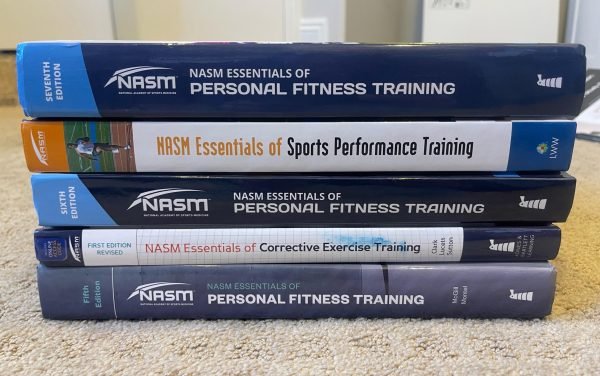
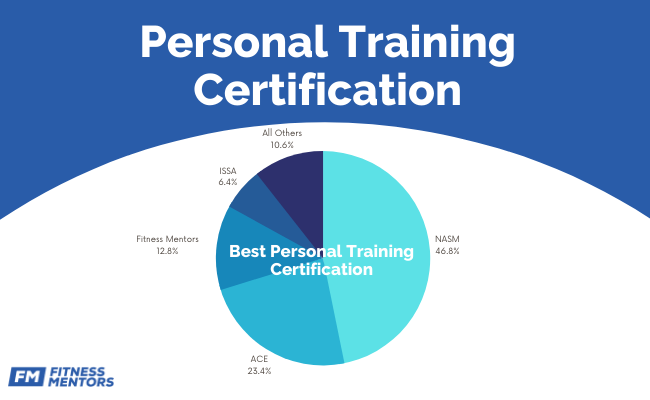
There are many personal training accreditation bodies. Find one that works for you and study for the test. Our personal favorite is the NASM. Study for the NASM-CPT.
- Extra Credentials
Extra credentials will set you apart from the pack and allow you hone in on the areas of personal fitness that you are most interested in.
- Build on Your Foundation
Most really successful personal trainers find a niche that they excel at. This can be yoga, buy xenical online discount power lifting or martial arts. Whatever yours is, become the best at it.
- Your Fitness Theory
This is what really defines you as a personal trainer. Your thoughts and feelings about health, how you promote it, the exercises you recommend and your nutritional habits all define your fitness theory.
- Personal Branding
You are a reflection of your product. Make sure your personal brand reflects someone who is strong, healthy and fit.
- Product Branding
This is where you tell your story and show the world what being a client of yours will bring to the table. It also incorporates branded exercises or fitness strategies unique to your name.
- Business Registration
While not necessarily the last item you should tick off this list, registering your business and making it all legal is a top priority.


Personal Trainer Career Guide: Beyond Your CPT
Earned your CPT now what? Whether you’re training clients at a commercial gym, running outdoor boot camps, coaching at a CrossFit box, or building a private studio from scratch, one thing is certain: getting certified is just the starting line.
The real challenge and the real opportunity is what comes after the cert. How do you market yourself in a crowded fitness industry? How do you stand out, build a loyal client base, and actually grow a career you love?
This guide was built for that exact moment. Whatever your environment, your goals, or your training style, you’ll find actionable strategies here to help you evolve from certified trainer to thriving fitness professional. Feel free to jump to the sections most relevant to where you are right now.
Beyond the PT Certification
Your CPT gets you in the door. But here’s the hard truth: no client has ever chosen a trainer based on which certification body issued their card. Think about it when was the last time a prospect asked, “So, are you NASM or ACE certified?” It just doesn’t happen.
What does move the needle? Specialized credentials that signal expertise, build trust, and make you the obvious choice for the clients you actually want to work with.
Why Stacking Credentials Within One Authority Makes Strategic Sense
When we work with trainers advancing beyond their initial CPT, we typically recommend staying within the same certification authority NASM being a prime example for two practical reasons:
- You’re already fluent in their methodology, so the learning curve is lower.
- Add-on certifications count toward your Continuing Education Credits (CEUs), making recertification smoother and more cost-effective.
This logic applies no matter which body you’re certified through not just NASM.
Choosing the Right Add-On Certifications
The best additional credentials aren’t the most prestigious ones they’re the ones that make you most valuable to your ideal client. Ask yourself: Who do I want to serve, and what problems do they need solved?
- Corrective Exercise Specialist (CES) — ideal if you want to help clients move better, recover from injury, or train around chronic pain. This is a massive differentiator as more clients deal with desk-job posture issues and past injuries.
- Fitness Nutrition Specialist (FNS) — perfect if your clients want a complete transformation, not just a workout plan. Being able to guide nutrition puts you miles ahead of trainers who can only touch one side of the equation.
- Performance Enhancement Specialist (PES) — the go-to if you’re working with athletes or clients chasing peak performance. Speed, power, agility this cert speaks the language serious athletes respect.
- Mixed Martial Arts Specialist (MMAS) — a standout niche credential for trainers working with combat sports athletes or clients who want high-intensity, functional conditioning with real-world application.
Your extra certifications are your competitive edge. Choose them intentionally, align them with the clients you want to attract, and watch how they transform both your confidence and your reputation.
What Exactly Is a "Fitness Theory"- and Why Does It Matter?
Your fitness theory is your core belief about what true health really is. It’s your why the philosophy that drives every workout you program, every habit you recommend, and every conversation you have with a client.
Think about how Coca-Cola operates. They’re not selling carbonated sugar water they’re selling happiness, nostalgia, and connection. The product is just the vehicle.
As a personal trainer, the same principle applies. You’re not selling sweat, sore muscles, or early morning wake-up calls. You’re selling confidence. You’re selling the feeling of walking into a room and owning it. You’re selling the version of your client they’ve always wanted to become. Your fitness theory is what makes that transformation feel real and it’s also your most powerful sales tool.
Why Most New Trainers Get This Wrong
Here’s something most trainer education programs won’t tell you: when you’re just starting out, it’s easy to borrow someone else’s philosophy and run with it. That’s exactly what I did early in my career. I was selling a theory I didn’t fully believe in piggybacking off respected trainers, going through the motions, and wondering why my sessions felt hollow.
The turning point came when I stopped performing someone else’s playbook and started building my own. The moment I began training clients through the lens of my beliefs about health, everything shifted my confidence, my client relationships, and my results.
The lesson? If you don’t believe what you’re selling, your clients won’t either. Authenticity isn’t a nice-to-have it’s your foundation.
5 Questions to Help You Define Your Fitness Theory
Set aside 10 minutes and write down your honest answers to these:
- What does health truly mean to me? Beyond aesthetics — physical, mental, emotional?
- What does my daily routine look like to actively promote health? Be specific.
- What types of training have delivered the best results in my own body? What worked, and why?
- What do I eat — and what’s the reasoning behind those choices?
- How do I believe lasting habits and behavior change are created?
Don’t rush this. These answers are the raw material of your brand, your messaging, and your client experience.
You Are Your Own Best Case Study
Once you’ve written your answers do you believe them? You should. Because your clients are watching you far more closely than you realize. You are the living proof that your theory works.
If you believe health is the alignment of physical strength, mental clarity, and nutritional balance does your lifestyle reflect that? If you preach whole foods, consistent training, and recovery are you walking that talk?
Unlike the overweight physician advising patients to “eat better,” you have the rare opportunity to be the embodiment of your message. Your body, your energy, your daily habits they are your most persuasive marketing asset. Own them
Why Documenting Your Fitness Theory Is a Game-Changer
Why Documenting Your Fitness Theory Is a Game-Changer
You’ve done the hard work of defining what you believe about health and fitness. Now it’s time to turn those beliefs into tangible assets your clients can hold, follow, and refer back to long after your session ends.
There’s a significant difference between telling a client what to eat and handing them a personalized nutrition document that lays it all out clearly. One is forgotten by Tuesday. The other becomes a reference they return to again and again. Documentation transforms your expertise from a conversation into a system and systems build trust, consistency, and results.
What to Create and Why
Start building a library of core documents that bring your fitness theory to life:
- Fitness Programs — structured, progressive training plans tailored to your methodology. These aren’t generic templates; they should reflect your training philosophy and the specific goals of your client base.
- Meal Plans — practical, realistic nutrition guides aligned with your dietary beliefs. Whether you advocate for whole foods, flexible dieting, or performance-based nutrition, your meal plans should feel like an extension of your brand.
- Behavioral Change Strategies — this is where most trainers fall short. Physical transformation is 20% exercise and 80% mindset and habit. Documenting strategies for building consistency, overcoming setbacks, and rewiring daily routines sets you apart as a coach, not just a trainer.
- Exercise Charts & Reference Guides — visual, easy-to-follow resources clients can use independently. These build confidence between sessions and reinforce your value even when you’re not in the room.
Your Documents Are Also a Revenue Stream
Here’s something worth sitting with: the documents you create to serve your clients can also become products you sell. A well-crafted 4-week meal plan, a beginner strength training program, or a habit-building workbook can be packaged and sold to clients, online audiences, or the general public generating income that doesn’t require you to be physically present.
You’re in the business of transforming lives and building a sustainable career. Your intellectual property has real value treat it that way.
Build for Consistency, Not Perfection
Ground every document in research, your own expertise, and real client outcomes. The goal isn’t to create a perfect masterpiece on the first try it’s to build replicable systems that deliver consistent results across every client you work with.
Think of it like a great restaurant chain: whether a customer walks into a location in New York or Dubai, the experience should feel identical. Your documentation is what makes that level of consistency possible and consistency is what builds an undeniable reputation.
Personal and Product Branding
Remember when you answered the question above “What is my daily routine to promote health?” This is essentially your own personal version of branding.
Personal branding is a fairly easy concept to grasp but one that you should be conscious of and evoke in your day-to-day life. For example, people in your local community that see you at the grocery or health foods market will see the food choices you make.
They’ll notice that you make healthy food choices and that McD’s isn’t part of your diet. They’ll also notice, if you’re anything like 90 percent of the personal trainers out there, that you are always wearing fitness clothes, probably because you just got out of the gym or engaged in some type of training. With all this healthy eating and training you are doing you are probably looking pretty good.
You know what, people who look good get a lot of attention and your attractiveness has a lot to do with your personal brand. Extend your personal brand to your clients and encourage them to eat like you, workout like you and let their friends know what they are doing to live this great life of health and fitness.
Product Branding
Product branding is equally as important to personal branding but will take a bit more consideration and implementation. Above we mentioned that you’re selling the confidence, self-esteem and attractiveness that comes with being in shape in your personal brand.
Let’s think about some ways that can translate into selling your product.
First, let’s consider what a personal trainer’s product could look like. Again, keeping in mind that what you are really selling is a lifestyle change, let’s look at what the tangible objects are that will get you there. What better place to look than what the 10 highest paid personal trainers are selling.
Here’s some examples of what a few of these personal trainers “sell” to get the reputation they have (based on an article from WeightTraining.com).
Bernardo Coppola– along with training celebrities, Coppola is known for challenging his clients to eat less sugar, processed foods, avoid caffeine, alcohol and sodium and has even developed a catering company and restaurant around this product.
Tracy Anderson– creator of the “Tracy Anderson Method,” a Pilates-style program that introduces members to new exercises, stretches and lots of reps.
David Buer– often recognized for selling his story of being bullied for being fat as a boy, Buer now has his own fitness blog in the Huffington Post. He is also known for helping clients with injuries and post-surgical rehab.
Can you see how these famous personal trainers sell not only their personal brands but also their own product based on their beliefs and expertise? How can you incorporate your interests, certifications and desires of your clients into a product brand that is targeted and desirable?
Here are some tips to help you get started:
- Define Your Brand
- Use your fitness theory to clearly define what it is that can help make a difference in people’s fitness and health. Above, Coppola’s brand involved a clearly defined way of eating or put another way, not eating.
- Define Your Audience
- Who are the types of people who would benefit from your fitness theory? What demographic research can you find on them that is quantifiable? Address specific ages, incomes, occupations, personality types and any other data you can get your hands on to learn about who you will be appealing to.
- Create Your Brand Name
- Will it be like the “Tracy Anderson Method,” the “Booty Fit Club,” “Five Minute Abs” or some other type or personal name? Keep it simple and use your fitness theory as a basis.
- Tell Your Story
- Were you once a chubby little kid with an accent that got picked on like Buer? What is it that motivated you to create your product?
- Create a Logo and Tagline
- Keep it simple here too. Hire a professional graphic designer and pay attention to color schemes and psychology.
- Create Your Image
- Your branding should be consistent across all mediums so that you become instantly recognizable. Use the same color schemes, fonts and layouts whenever possible. In the design world this is called a “style guide.” Use a graphic designer who understands this.
Your Certification Was the Starting Line - Not the Finish Line
Getting certified as a personal trainer is an achievement worth celebrating. But in a market full of certified trainers, your CPT alone won’t make clients choose you over the competition. It simply makes you eligible to play the game.
What separates the trainers who struggle to fill their schedule from those who build thriving, in-demand careers comes down to three things and they’re exactly what this guide has been building toward.
1. Strategic Credentials That Signal Real Expertise
Advanced certifications aren’t just boxes to check for CEU requirements. They’re a declaration of who you serve and how well you serve them. Every specialized credential you earn whether in corrective exercise, nutrition, performance, or a specific population tells your ideal client: “I was built for exactly what you need.” Choose them with intention, and they become one of your most powerful marketing tools.
2. A Fitness Theory That Makes You Unforgettable
Your fitness theory is the heartbeat of your brand. It’s what clients feel when they work with you, talk about when they refer their friends, and come back to when life gets hard and they need a reason to stay consistent. The trainers who build lasting careers aren’t just knowledgeable they’re believable. They live their philosophy out loud, and their clients feel the difference.
3. A Brand – Personal and Product – That Works for You 24/7
Your personal brand is how you show up in the world: the choices you make, the physique you maintain, the energy you bring. Your product brand is the specific transformation you promise and deliver. Together, they tell a story that no certification can tell for you.
Look at the trainers who have built recognizable names in this industry. They didn’t get there by being the most certified person in the room. They got there by being crystal clear on their story, their audience, and their unique value and then showing up consistently until the world took notice.
The Road Ahead
Building a personal training career you’re proud of won’t happen overnight. Like the transformation you create in your clients taking someone from the couch to genuinely chiseled it requires patience, persistence, and an unshakeable belief in the process.
You now have the roadmap. The credentials to pursue, the philosophy to develop, and the brand to build. The only variable left is your commitment to seeing it through.
The fitness industry needs more trainers who are truly great at what they do. Go be one of them