Personal Training Marketing Ideas that will get You More Clients

19 PERSONAL TRAINING MARKETING IDEAS THAT WILL GET YOU MORE CLIENTS

Why Most Personal Trainers Struggle to Get Clients

You can be an amazing trainer.
You can know everything about fat loss, muscle gain, and meal plans.

But if no one knows you exist… you don’t get clients.

And that’s the hard truth.

Being certified is not enough

Getting certified feels like the finish line.
You study hard. You pass the exam. You feel ready.

But here’s the problem.

A certification teaches you how to train people.
It does not teach you how to find people.

And without clients, even the best trainer struggles to survive.

Most CPT programs don’t teach marketing

Most personal training programs focus on:

  • Anatomy

  • Exercise science

  • Programming

  • Safety

All important.

But almost none of them teach:

  • How to get your first 5 clients

  • How to build trust online

  • How to use referrals

  • How to market yourself locally

So new trainers leave certified… but confused.

They sit in a gym waiting for leads.
Or they post randomly on Instagram and hope someone messages them.

Hope is not a strategy.

Great trainers fail because no one knows they exist

There are thousands of skilled trainers right now who:

  • Care deeply about their clients

  • Get real results

  • Work hard every day

But they struggle because they are invisible.

Meanwhile, average trainers who know basic marketing often win more clients.

Not because they are better.

But because they are seen.

If people don’t see you, they can’t hire you.

What this guide will help you do

This guide is here to change that.

You’ll learn:

  • Simple marketing ideas that actually bring clients

  • Free strategies you can start this week

  • Online and offline methods that still work

  • Smart ways to grow without spending tons of money

No fancy tricks.
No complicated business talk.

Just real strategies that personal trainers are using right now to grow.

If you’re ready to stop waiting and start getting clients,
this is where it begins.

circles@2x 1
cross 1

If You Need Clients Fast, Start Here

If you don’t want theory…
If you don’t want long plans…
If you just want clients now…

Start with these four.

They are simple.
They work.
And you can begin this week.

#1 Referral System

This is the fastest way to get warm clients.

Why?

Because people trust their friends more than ads.

Instead of hoping clients refer you, create a simple system.

Here’s what to do:

  • Tell every happy client: “If you bring a friend, you both get a free session.”

  • Give them a small reward (discount, bonus workout, free meal plan).

  • Remind them once a month.

  • Make it easy send them a simple message they can copy and share.

Warm leads convert much faster than cold ones.

One good client can bring you three more.

#2 Free Session Strategy

Free does not mean desperate.
Free means smart.

People are scared to commit.
A free session removes fear.

How to do it right:

  • Offer a “Free 30-Minute Strategy Workout”

  • Focus on giving value, not selling

  • At the end, show them what their 4-week plan would look like

  • Ask: “Would you like help reaching this goal?”

Keep it simple.

When they feel your coaching style and energy, many will say yes.

#3 Social Media Short Videos

You don’t need fancy edits.
You don’t need 10,000 followers.

You need trust.

Short videos build trust fast.

Post 3–4 times a week:

  • Quick fat-loss tips

  • Common workout mistakes

  • Client wins (with permission)

  • Simple home workouts

Keep videos under 60 seconds.

Talk like you’re helping a friend.

People hire trainers they feel connected to.

#4 Group Challenge Idea

This works great for quick client growth.

Instead of selling training, sell a challenge.

Example:

  • 21-Day Fat Loss Challenge

  • 30-Day Strength Builder

  • 14-Day Summer Shred

How to launch it:

  • Low entry price

  • Create a WhatsApp or Facebook group

  • Post daily tips and workouts

  • Celebrate progress publicly

At the end, offer your full coaching program.

Many challenge members will upgrade.

Simple Action Plan (Do This This Week)

  • Set up your referral reward

  • Post 3 short videos

  • Announce a free session offer

  • Plan a 21-day challenge launch

Don’t try everything at once.

Pick one.
Start today.

Clients come when you take action not when you wait

Free Personal Training Marketing Ideas That Work

You don’t need a big budget to grow.
You need smart moves.

These ideas cost little to nothing.
But if you do them right, they can bring real clients.

Let’s break them down.

Referral Marketing System That Brings Warm Leads

Referrals are powerful because trust is already there.

When a friend recommends you, the hard part is done.

How to set it up:

  • Tell every client about your referral reward.

  • Offer something simple (1 free session or small discount).

  • Send a reminder text once a month.

  • Thank clients publicly (with permission).

Keep it clear and easy.

One happy client can turn into three new ones.

Bring-a-Friend Session Strategy

This works great inside gyms or studios.

Instead of asking for referrals, create an event.

What to do:

  • Pick one day each month.

  • Let clients bring one friend for free.

  • Run a fun, high-energy group workout.

  • Talk to the guests after the session.

  • Offer them a beginner package.

No pressure. Just value.

People feel safer when they come with someone they know.

Host a 30-Day Fitness Challenge

Challenges create excitement.

They give people a short goal and clear finish line.

How to run it:

  • Pick one result (fat loss, strength, steps, etc.).

  • Set simple daily tasks.

  • Use a group chat for support.

  • Post daily motivation and tips.

  • Offer a prize at the end.

At the end of 30 days, invite them into your coaching program.

Many will want to continue.

Offer Free Live Zoom Workouts

Online exposure is powerful.

Free live workouts show your energy and style.

Simple steps:

  • Pick one day per week.

  • Promote it on social media.

  • Keep it 30–40 minutes.

  • Collect emails when they sign up.

  • Follow up after the session.

Even if only 5 people show up, that’s 5 warm leads.

Partner with Local Businesses

Local partnerships can bring steady referrals.

Look for businesses that serve your ideal clients.

Examples:

  • Smoothie shops

  • Chiropractors

  • Physical therapists

  • Health food stores

What to do:

  • Visit in person.

  • Offer a free workshop for their clients.

  • Create a small referral deal.

  • Share each other on social media.

When two local businesses support each other, both grow.

Online Marketing Strategies for Personal Trainers

If you want steady clients, you need an online presence.

Most people search online before hiring a trainer.
If you’re not visible there, you’re missing easy opportunities.

Here’s how to do it the smart way.

Social Media Content That Builds Trust

You don’t need to go viral.
You need to build trust.

People hire trainers they feel connected to.

Focus on simple, helpful content.

Instagram Reels

Short videos work best.

Keep them under 60 seconds.

Post things like:

  • 3 fat loss tips

  • 1 common squat mistake

  • A quick home workout

  • A healthy meal idea

Talk clearly. Keep it simple. Post 3–4 times per week.

Consistency matters more than perfection.

TikTok Quick Tips

TikTok is great for fast advice.

You can post:

  • “Stop doing this if you want abs”

  • “Beginner leg workout at home”

  • “Why your diet is not working”

Keep it real. No fancy editing needed.

Just give one helpful tip per video.

Before/After Stories

Results build trust fast.

Share:

  • Client transformations (with permission)

  • Progress photos

  • Strength improvements

  • Real stories about their journey

Explain what they did and how you helped.

People want proof that your system works.

Email Marketing to Stay Top of Mind

Social media is good.

But email is stronger long term.

Why?

Because you own your email list.
No algorithm can hide your message.

Simple steps:

  • Offer a free workout guide to collect emails.

  • Send one email per week.

  • Share tips, client wins, and small lessons.

  • Add a clear call to action.

Even if someone is not ready now, they may join later.

Email keeps you in their mind.

Local SEO & Google Business Profile

When someone searches:

“personal trainer near me”

You want to show up.

Start by setting up your Google Business Profile.

Make sure you:

  • Add clear photos

  • Write a simple description

  • Choose the right category

  • Ask happy clients for reviews

  • Post updates weekly

Reviews are powerful.

More positive reviews = more trust.

Get Listed in Personal Trainer Directories

Directories help people find trainers fast.

Many people search inside these platforms.

What to do:

  • Create a complete profile.

  • Add strong photos.

  • Write clear services.

  • Include your specialties.

  • Keep contact info updated.

Make your profile stand out by being specific.

Instead of saying “weight loss,” say “help busy moms lose 15–20 pounds safely.”

Clear beats generic.

Write for Fitness Blogs (Authority Strategy)

If you want to look like an expert, write like one.

Guest posts build authority.

You can:

  • Write fat loss tips

  • Explain beginner workout mistakes

  • Share healthy meal ideas

When your name appears on trusted blogs, people take you more seriously.

It also helps your website rank better.

One strong article can bring traffic for months.

Offline Marketing That Still Works in 2026

Online is powerful.

But offline still works especially for personal trainers.

Why?

Because fitness is personal.
People like to meet you face-to-face before they trust you.

Here are simple offline strategies that still bring clients.

Local Events & Health Fairs

Health fairs are full of people already thinking about fitness.

That’s a warm crowd.

What to do:

  • Set up a small booth.

  • Offer free body fat checks or posture tests.

  • Run a quick fitness challenge at your table.

  • Collect emails with a free workout guide.

  • Hand out a limited-time offer card.

Smile. Be friendly. Start conversations.

One good event can bring 5–10 strong leads.

Chamber of Commerce Strategy

Your local Chamber of Commerce connects business owners.

Business owners often:

  • Want to get in shape

  • Need stress relief

  • Have money to invest in health

Simple plan:

  • Join your local chamber.

  • Attend networking meetings.

  • Introduce yourself clearly.

  • Offer a free workshop for members.

  • Follow up with contacts after events.

When people meet you in person, trust builds faster.

Corporate Wellness Packages

Companies care about employee health.

Healthy staff = fewer sick days.

You can offer simple corporate packages like:

  • Weekly group workouts

  • Lunch-and-learn fitness talks

  • 6-week office fitness challenges

  • Online coaching for employees

Start small:

  • Reach out to local businesses.

  • Speak to HR or office managers.

  • Offer a free trial session.

One company contract can mean multiple steady clients.

Distributing Smart Flyers

Flyers still work — if done right.

Don’t just hand out random papers.

Be smart about it.

Tips:

  • Keep the design clean and simple.

  • Add one clear offer (like a free session).

  • Include a QR code using free tools like The QR Code Generator (TQRCG).

  • Place them in high-traffic areas:

    • Coffee shops

    • Apartment buildings

    • Community boards

    • Local stores

Clear message. Clear benefit. Clear next step.

Charity Event Exposure

Charity events are powerful for visibility.

You show that you care about the community.

And people remember that.

You can:

  • Host a charity workout class.

  • Sponsor a local 5K run.

  • Offer warm-up sessions before races.

  • Donate a free training package for auction.

This builds goodwill and trust.

When people see you helping others, they feel more comfortable hiring you.

Offline marketing works best when you show up consistently.

Be visible.
Be helpful.
Be real.

People hire trainers they’ve met not just ones they’ve scrolled past.


Marketing Strategies That Increase Revenue Per Client

Getting clients is step one.

Making more from each client is step two.

If you only focus on getting new people, you will always feel stressed.
But when you increase the value of each client, your income grows faster — without chasing new leads every week.

Here’s how to do it smartly.

Package Pricing Offers

Selling single sessions keeps you stuck.

Packages create commitment and better results.

When clients commit longer, they:

  • Show up more

  • Take it seriously

  • Get better results

  • Stay longer

Instead of this:

  • $60 per session

Try this:

  • 12 sessions for a set price

  • 3-month transformation package

  • 6-month coaching program

You can also add bonuses:

  • Meal plan

  • Progress tracking

  • Weekly check-ins

  • Private support chat

When you bundle services, the value feels bigger.

People don’t just buy workouts.
They buy results.

Small Group Training Model

One of the smartest ways to earn more per hour.

Instead of training 1 person for $60…

Train 4 people at $30 each.

Now you make $120 in the same hour.

Clients also like group energy.

They feel:

  • Motivated

  • Supported

  • Less nervous

How to start:

  • Create a “4-Week Strength Group”

  • Limit it to 4–6 people

  • Offer lower price than private sessions

  • Keep sessions structured and focused

Small group training increases:

  • Your income

  • Client retention

  • Community feeling

And it saves your time.

Branded Workout Programs

This moves you from “trainer” to “brand.”

Instead of only selling time, sell programs.

Examples:

  • 8-Week Fat Loss Blueprint

  • 12-Week Muscle Builder Plan

  • Busy Moms Home Workout System

  • Beginner Strength Starter Program

Give your program a name.

People remember names.

You can sell these as:

  • PDF guides

  • Online coaching

  • Hybrid programs (online + in-person)

Now you are not just selling sessions.
You are selling a system.

And systems feel more professional.

Specialization Certifications (Niche Positioning)

General trainers compete with everyone.

Specialized trainers stand out.

When you focus on one group, your value goes up.

For example:

  • Weight loss for busy moms

  • Strength training for men over 40

  • Post-injury fitness

  • Youth athletic performance

  • Online coaching for remote workers

When you specialize:

  • Your marketing becomes clearer.

  • Your message becomes stronger.

  • You attract the right clients.

  • You can charge more.

People pay more for experts, not generalists.

Instead of saying:
“I help people get fit.”

Say:
“I help busy dads lose 20 pounds and gain strength in 16 weeks.”

Clear sells better.

When you combine:

  • Packages

  • Group training

  • Branded systems

  • Clear niche

You stop thinking only about “more clients.”

You start building a real fitness business.

And that’s where income becomes stable and predictable.

How to Stand Out as an Expert Personal Trainer

There are many trainers out there.

So why should someone choose you?

To stand out, you must look like an expert — not just someone who likes fitness.

This is your branding layer.

It builds trust before people even talk to you.

Compete in Fitness Competitions

You don’t have to become a pro athlete.

But competing shows discipline and commitment.

It tells people:

  • You practice what you teach

  • You push yourself

  • You live the lifestyle

You can compete in:

  • Local bodybuilding shows

  • Powerlifting meets

  • Cross-training events

  • Community fitness competitions

Share your journey online.

Post your training, your prep, your struggles.

People respect trainers who walk the walk.

Share Client Transformations

Nothing builds trust faster than real results.

Before and after photos are powerful.
But also share the story behind them.

Talk about:

  • Where the client started

  • What problems they faced

  • What changed

  • How long it took

Use real numbers if possible:

  • Pounds lost

  • Inches reduced

  • Strength gained

Always get permission first.

When people see real results, they believe you can help them too.

Post Educational Content

If you teach, people see you as a leader.

Don’t just post selfies or workouts.

Share knowledge.

For example:

  • Why protein matters

  • How to fix bad posture

  • Simple fat loss mistakes

  • Beginner gym tips

Keep it easy to understand.

When people learn something from you, they start to trust you.

And trust leads to sales.

Cross-Referrals with Health Pros

Build relationships with other health experts.

For example:

  • Chiropractors

  • Physical therapists

  • Nutritionists

  • Massage therapists

When you refer clients to them, they can refer clients to you.

It also makes you look more professional.

You become part of a trusted health network.

That raises your status.

Use Fitness Forums Smartly

Online communities are full of people asking for help.

Join:

  • Fitness Facebook groups

  • Local community groups

  • Q&A platforms

  • Reddit fitness threads

But don’t spam.

Instead:

  • Answer questions clearly

  • Give real advice

  • Be helpful

  • Add value first

Over time, people will check your profile.

And some will message you directly.

When you show up as helpful and knowledgeable, people see you as the expert.

Standing out is not about being loud.

It’s about being clear, helpful, and consistent.

When people see:

  • Real results

  • Real knowledge

  • Real effort

They stop seeing you as “just another trainer.”

They start seeing you as the expert.

30-Day Personal Training Marketing Plan

If you feel stuck, follow this simple 30-day plan.

No overthinking.
No fancy tools.
Just clear steps.

If you do this properly, you can see real momentum in one month.

Week 1 – Fix Your Online Presence

Before you chase clients, make sure you look professional online.

When someone searches your name, they should see trust.

Do this first:

  • Clean up your Instagram bio (clear result + location).

  • Add a simple call to action (DM me “START”).

  • Post 3 helpful short videos.

  • Update your profile photo (clear, friendly, professional).

  • Set up or improve your Google Business Profile.

  • Ask 3 happy clients for reviews.

Keep it simple.

Your goal this week is clarity and trust.

Week 2 – Launch Your Referral System

Now it’s time to activate your current clients.

Warm leads convert faster than strangers.

This week’s actions:

  • Announce a referral reward.

  • Offer 1 free session for every new signup.

  • Send a message to all current clients.

  • Remind them in person after sessions.

  • Post about it once on social media.

Make it easy for them to share.

One happy client can bring you two more.

Week 3 – Run a Challenge or Free Event

Now you create attention.

Excitement brings leads.

Choose one:

  • 21-Day Fat Loss Challenge

  • Free Saturday Bootcamp

  • 5-Day Home Workout Challenge

  • Free Zoom Workout Week

Steps:

  • Announce it 7 days before launch.

  • Keep entry simple.

  • Collect emails or phone numbers.

  • Show energy and leadership.

  • Deliver strong value.

Your goal is not just participants.

Your goal is future paying clients.

Week 4 – Follow Up + Upsell

This is where most trainers fail.

They don’t follow up.

Following up makes money.

This week:

  • Message every challenge participant.

  • Ask how they felt.

  • Offer a clear next step (package or program).

  • Create a limited-time offer.

  • Check in with referral leads.

Simple question works:

“Would you like help reaching this goal in the next 8 weeks?”

Keep it natural.

No pressure.

Just offer help.

What Happens After 30 Days?

If you complete all 4 weeks:

  • Your online presence looks stronger.

  • Your referral system runs in the background.

  • New leads enter from events or challenges.

  • Some convert into paying clients.

This is not magic.

It’s action.

Follow the system.
Repeat it next month.
Improve it each time.

Step-by-step marketing always beats random posting.


Frequently Asked Questions

How do personal trainers get clients fast?

Start with warm leads: current clients, friends, and family. Use referral programs and free sessions to create buzz. Combine this with short social media videos or a group challenge to attract attention quickly. Focus on action, not perfection.

What is the best free marketing strategy?

The referral system wins every time. Happy clients bring new clients naturally. Pair this with free live workouts, social media tips, and partnerships with local businesses. It costs nothing, but the results can be immediate.

Is social media enough to grow a PT business?

No. Social media builds trust and visibility, but it won’t fill your schedule alone. Combine it with referrals, local events, email marketing, and offline strategies for steady, predictable growth.

How much should trainers spend on marketing?

Start small. Many strategies are free. If you invest, spend on online ads only after your referral system, social media, and local presence are in place. Focus first on actions that convert rather than just spending money.

Do online trainers need local SEO?

Yes! Even online trainers benefit from local SEO. People search for trainers “near me” or in their city. Optimizing your Google Business Profile and being listed in directories helps attract leads in your area while boosting online credibility.

 

circles@2x 1
cross 1

Personal Training Website Ideas

Personal Training Website Ideas

Best Personal Training Website Ideas

If you want to grow your career as a personal trainer, having a professional website is no longer optional. It is one of the most powerful tools you can use to attract new clients, build trust, and show people what you offer. Many people who are looking for a trainer today start their search online. If they cannot find you on the internet, they will most likely choose another trainer who has a strong online presence.

A well-designed personal trainer website works like your 24/7 marketing assistant. It can show your training services, share client success stories, display your certifications, and explain your fitness approach. Even when you are not working, your website can continue bringing in new leads and helping potential clients learn more about you.

The best personal trainer websites do more than just look good. They use smart design, clear messaging, and strong calls to action to guide visitors toward becoming clients. From powerful testimonials and transformation photos to helpful fitness content and easy booking options, these websites create trust and make it simple for visitors to take the next step.

In this guide, we will explore some of the best personal training website ideas and examples that can help you stand out in the competitive fitness industry. You will learn what makes a great personal trainer website, see inspiration from successful trainers, and discover practical ideas you can use to build or improve your own fitness website.

circles@2x 1
cross 1

What Makes a Great Personal Trainer Website?

A great personal trainer website is not just about looking nice. It should help you turn visitors into real clients. When someone lands on your website, they should quickly understand who you are, what you offer, and how you can help them reach their fitness goals.

The best personal trainer websites are simple, clear, and focused on the client. They guide visitors step-by-step toward taking action, like booking a consultation, joining a program, or contacting the trainer. If your site is confusing or slow, most people will leave within a few seconds.

Successful trainer websites usually share a few important elements. They have a strong message on the homepage, easy navigation, professional photos, and clear information about services. They also build trust with things like client testimonials, transformation photos, and trainer certifications.

Another key factor is usability. Your website should load fast, work well on mobile phones, and make it easy for visitors to find what they need. Many people search for trainers on their phones, so a mobile-friendly design is very important.

When these elements come together, your website becomes more than just an online page. It becomes a powerful tool that helps grow your personal training business and bring in new clients consistently.

Clear Value Proposition on the Homepage

Your homepage is the first thing most visitors will see, and you only have a few seconds to grab their attention. This is where your value proposition becomes very important. A value proposition simply explains what you do, who you help, and why someone should choose you instead of another trainer.

A strong homepage message should quickly answer three basic questions for visitors:

  • What kind of training do you offer?


  • Who is your training for?


  • What results can people expect?


For example, instead of just saying “Personal Trainer,” a stronger message might be something like helping busy professionals lose weight, helping athletes build strength, or helping beginners start their fitness journey safely. This makes your message clear and speaks directly to the people you want to attract.

Good personal trainer websites also support this message with strong visuals. Photos of real training sessions, client transformations, or a short introduction video can help visitors feel more connected to you and your brand.

Finally, the homepage should guide visitors toward the next step. This could be a button that says Book a Free Consultation, Start Your Program, or Get Your Custom Workout Plan. A clear direction like this makes it easier for visitors to become paying clients.

Professional Design and Strong Visual Branding

The design of your website plays a big role in how people see your personal training business. When someone visits your site, they quickly decide if it looks professional or not. A clean and modern design helps visitors feel confident that you are serious about your work and that you can help them reach their fitness goals.

One of the first things people notice is the color scheme of the website. Good personal trainer websites usually use a small set of colors that match their brand. For example, many fitness sites use strong and energetic colors like black, red, blue, or green. The goal is to create a look that feels powerful, clean, and easy on the eyes. Using too many colors can make the website feel messy and confusing.

Photos are another important part of visual branding. High-quality images can make a huge difference in how your website feels. Photos of real training sessions, happy clients, gym environments, or transformation results help visitors imagine themselves working with you. Real photos are always better than random stock images because they show your real work and build trust with potential clients.

The layout of your website should also be simple and easy to follow. Visitors should be able to scroll through the page naturally and quickly understand what your services are. Important sections like your services, testimonials, and contact information should be easy to find. A clear layout helps people stay longer on your site and explore what you offer.

Finally, the overall user experience should feel smooth and simple. Pages should load quickly, menus should be easy to use, and the website should work well on both computers and mobile phones. When visitors can easily move through your site without confusion, they are much more likely to trust your brand and take the next step toward becoming a client.

Simple Navigation and Fast Page Speed

A great personal trainer website should be easy to use from the moment someone lands on it. Visitors should not have to search around or feel confused about where to go next. This is why simple navigation is so important. A clean menu helps people quickly find the information they need, such as your services, training programs, pricing, testimonials, or contact details.

Most successful personal trainer websites keep their navigation menu short and clear. Instead of adding too many pages, they focus on the most important ones like Home, About, Services, Testimonials, Blog, and Contact. When visitors can easily move between these sections, they spend more time exploring your website and learning about your training services.

Another key factor is page speed. In today’s fast online world, people expect websites to load almost instantly. If your site takes too long to open, many visitors will simply leave and look for another trainer. A fast-loading website keeps people engaged and improves their overall experience.

Fast page speed is also important for search engines. Websites that load quickly often perform better in search results, which means more people can discover your personal training services online. Simple things like using optimized images, clean design, and reliable hosting can make a big difference in how quickly your pages load.

When your website combines simple navigation with fast page speed, visitors can easily explore your content, learn about your fitness programs, and take the next step toward working with you.

Email Lead Capture

Did you know that 91 percent of consumers check their email daily, 74 percent prefer to receive communications via email, and 66 percent have a made a purchase as a result of an email marketing message?

These are just a few of the amazing statistics behind email marketing that make it so important to your success. When a potential lead visits your site, odds are they won’t just pick up the phone and schedule a meeting with you.

However, if you can capture their email you can continue to stay in front of them with your blog or other interesting workout-related content and eventually build their trust.

Here are a few examples of email lead capture from other personal xenical in usa trainers that are a good idea to implement into your personal training website:

Examples of Email Lead Capture

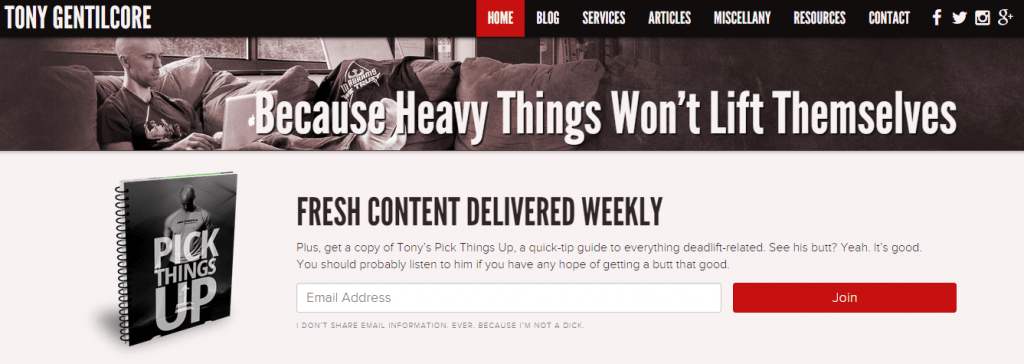
Right when you get to the http://tonygentilcore.com/ website one of the first things you see is your opportunity to get “fresh content.” A blog subscription is one of the ways Tony is getting leads who, over time, will learn to trust Tony while he stays top-of-mind each time they get an email with great content from him.

tonygentilcore.com

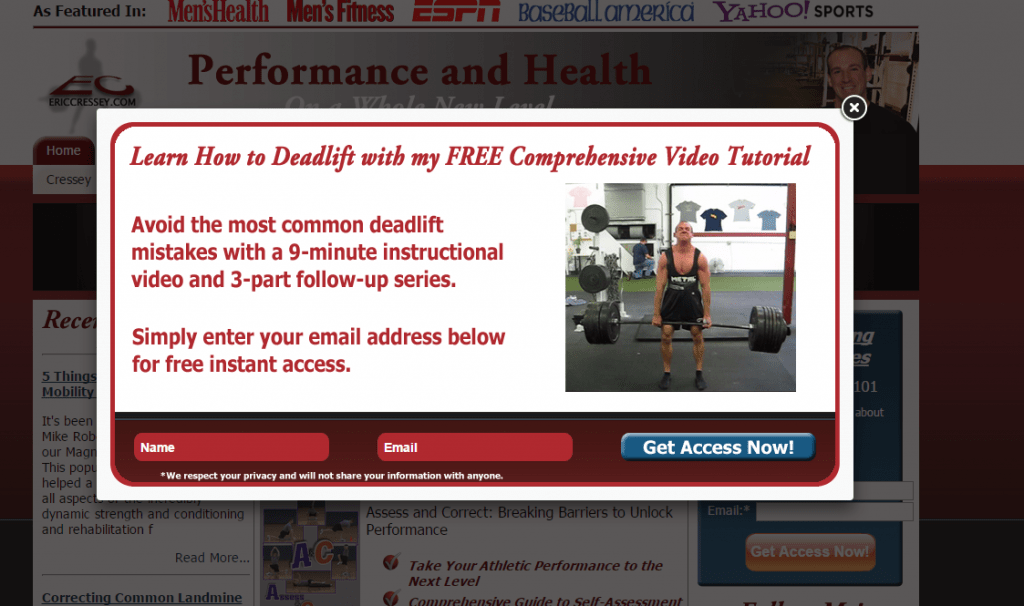
Another example of effective email lead capture is from the http://www.ericcressey.com/ website. Right when you get to the homepage this popup comes up with a free offer incentivizing something valuable – a free deadlift tutorial – in exchange for your email.

email popup lead capture for personal trainers

Podcast Lead Capture

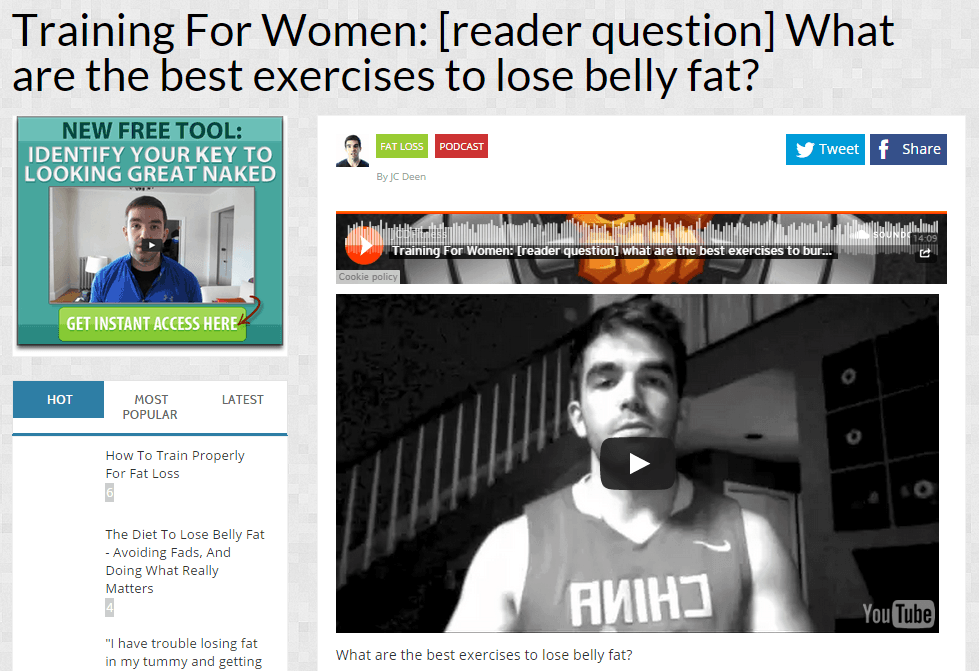
If blog writing or the creation of video tutorials is not your thing, consider doing what http://www.jcdfitness.com/ did and create a podcast. You’ll be able to speak your mind and do things like JC where you field questions from your audience.

Plus you can post podcasts on iTunes and get even more exposure from searches there. Learn more about starting a podcast and marketing it here.

personal trainer website ideas podcast

Use Social Proof

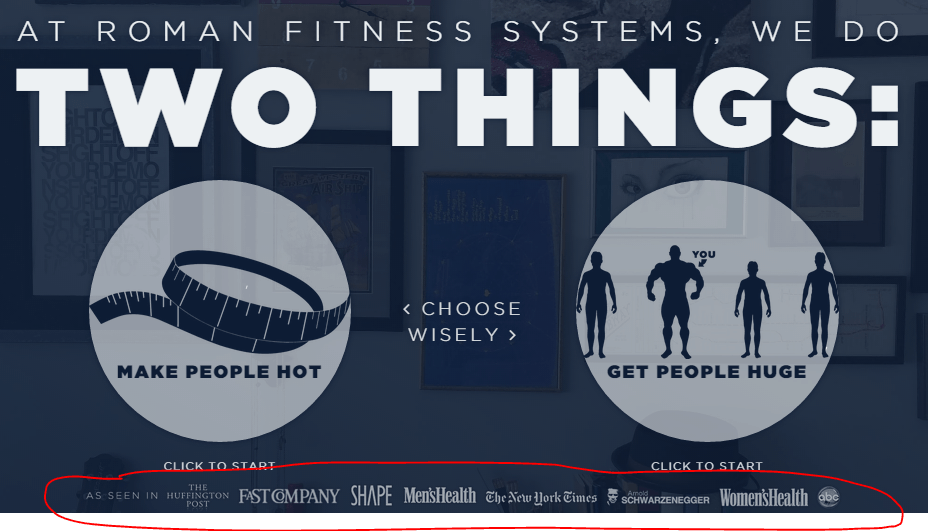
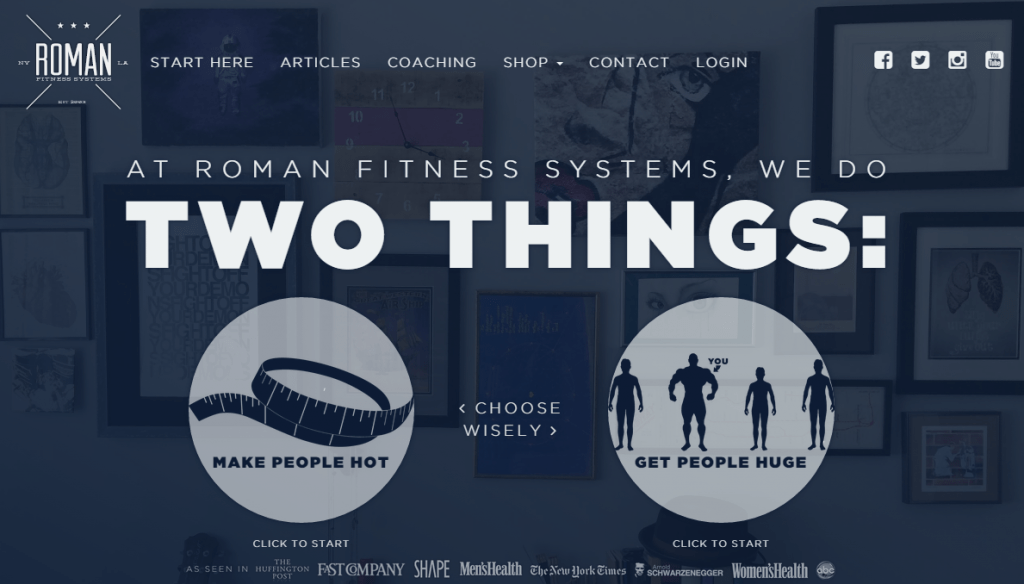
Although most new sites or trainers won’t have the kind of media exposure as John Romaniello of Roman Fitness Systems, any indications of your credibility as a personal trainer will help earn the trust of potential clients visiting your site.

This site, and many others, use the “As seen in” section in a place that is visible on their homepage to build instant credibility.

personal trainer social proof example as seen in

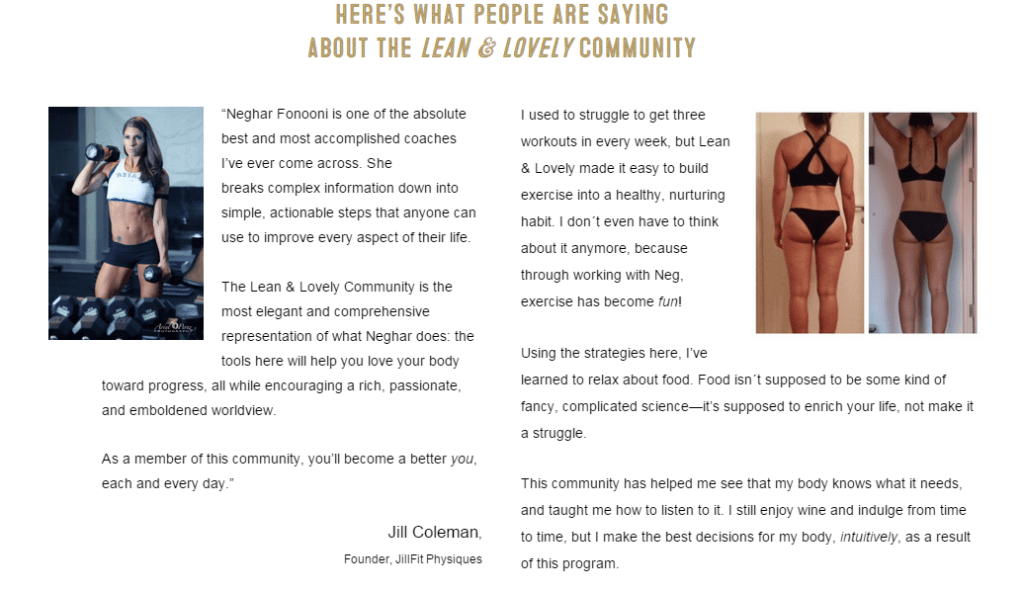
Social proof is not just limited to media exposure however, nearly any personal trainer can take advantage of the type of social proof that personal trainer Neghar Fonooni establishes on her http://www.negharfonooni.com/ site.

She uses testimonials to showcase what real people have said about her and backs up her results with actual before and after pictures of clients. This way her results can speak for themselves.

personal trainer social proof example

The Call-to-Action (CTA)

The CTA of a website is one of the most important components. It has been said that the average person now has the attention span of about 2.5 seconds, less than that of a goldfish.

When someone lands on your website you need to do two things, fast:

  1. Let them know what your site’s all about (in under 3 seconds)
  2. Tell them what to do next

Let’s look at some examples of sites that have strong CTAs.

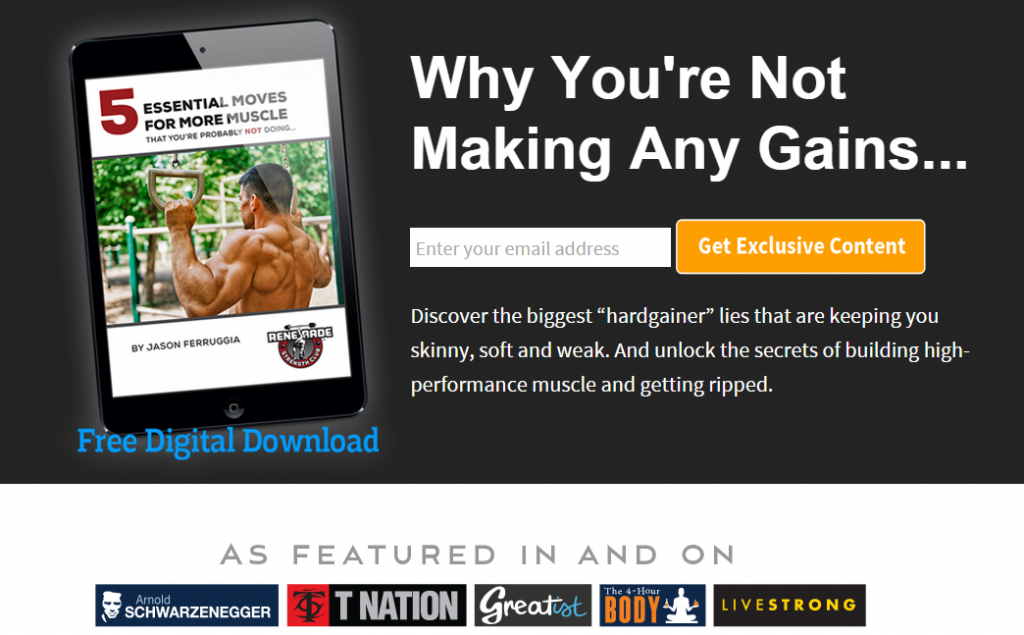
The site http://jasonferruggia.com/ has a really simple, yet genius homepage that helps Jason do a few things:

  1. The “Why You’re Not Making Any Gains” appeals to people who can relate to that and lets them know what the site is all about – helping clients get gains.
  2. The huge “Get Exclusive Content” button tells you exactly what you will be getting if you subscribe to the blog.
  3. By subscribing, Jason is also gathering lead information.
  4. Below the lead capture section we also see the often used social proof element of “As featured in…” that adds credibility.

Good job Jason!

personal trainer call to action example

Again we look at the Roman Fitness Systems site, one of my favorites in terms of leading the customer down a path. For personal trainers who are just starting out or are not selling specific workout materials or products online, this is a good site to emulate.

In terms of the CTA, there are two:

  1. “Start Here”: It’s so simple yet efficient at helping guide people through the site. If you are a trainer and want to let people know where to find out more information about you, use your own “start here” button to lead them down your sales path.
  2. Two options: Also very simply done is the option to either get hot or get huge. This too is a CTA that helps lead people down a very specific sales path.
romanfitnesssystems.com 2

One thing you may have noticed from the above examples is that some personal trainers monetize their sites in different ways. That is something you’ll also have to consider when building your website.

Deciding on the Type of Site You Want

to Promote

Just like there are different types of personal trainers there can be different types of personal training websites. Obviously there can be some overlap between different areas of health and fitness but it’s usually easier to start narrow and deep rather than go broad and shallow.

Here are the three main types of personal trainer sites that you’ll want to consider and an explanation of their purpose:

  1. Client-centric and local: this is the type of site you’ll want to build if your goal is to get new personal training clients in your local area.
  2. Topic-specific: these sites focus on specific topics – like strength training, weight loss or bodybuilding – and usually have some type of monetization strategy that doesn’t involve one-on-one or group personal training.
  3. Brand-specific: the other type of personal training site is the brand-specific site. As the name implies, these are for brands with multiple trainers and/or facilities.

Client-centric and Local Personal Trainer Websites

With this type of website your main goal is to have people who are searching for personal trainers to find you or to have a place to collect leads. Here are some tips to have success with this type of website:

  • Get a professionally-designed personal training website: your website is a reflection of your brand and is also a reflection of the type of work you provide. If you have a badass website with cool pictures, lots of information on your process and other trust-building signals, you’ll look as if you have a successful personal training business even if you’re just starting out.
  • Don’t just build a site, build your personal brand: when building your client-facing site, you’ll have to consider how you’ll sell your fitness theory. This means having your website describe the following items so that clients know what to expect from you and can get excited about working with you:
    • What health means to you
    • What your daily routine is to promote health
    • What you eat and why
    • Your strategies to create a new habit or behavior
    • What exercises you use to get in the best shape
  • Marketing your website (SEO): the easy way to market your website is through your personal interactions, with business cards and through word-of-mouth referrals. But the long-term and personal-training-website-marketing-that-should-be-on-your-radar will come in the form of what’s called search engine optimization, or SEO. SEO, a form of marketing that sees your website will be found by people who are searching for personal trainers on search engines, is like personal training for websites. It helps them get strong, get attention, and become sexy in the eyes of Google. SEO will be one of your greatest assets if you are trying to get new clients on a continual basis.

For an example of a client-centric personal training website check out http://www.eddielester.com/, the website of Fitness Mentors founder Eddie Lester. Eddie’s site does a few things right: first, it is clear that it was designed by professionals and not by amateurs. Second, Eddie’s website focuses on images to tell the picture of what he is selling.

Eddie Lester website responsive mockup

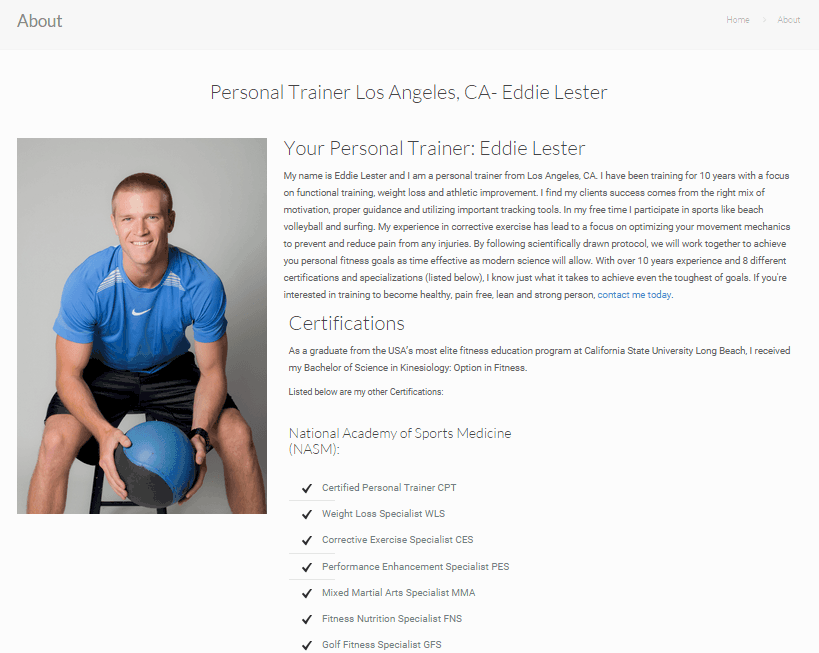
Thirdly, Eddie has a robust About page that talks about his background and as well as his certifications.

personal trainer about page example

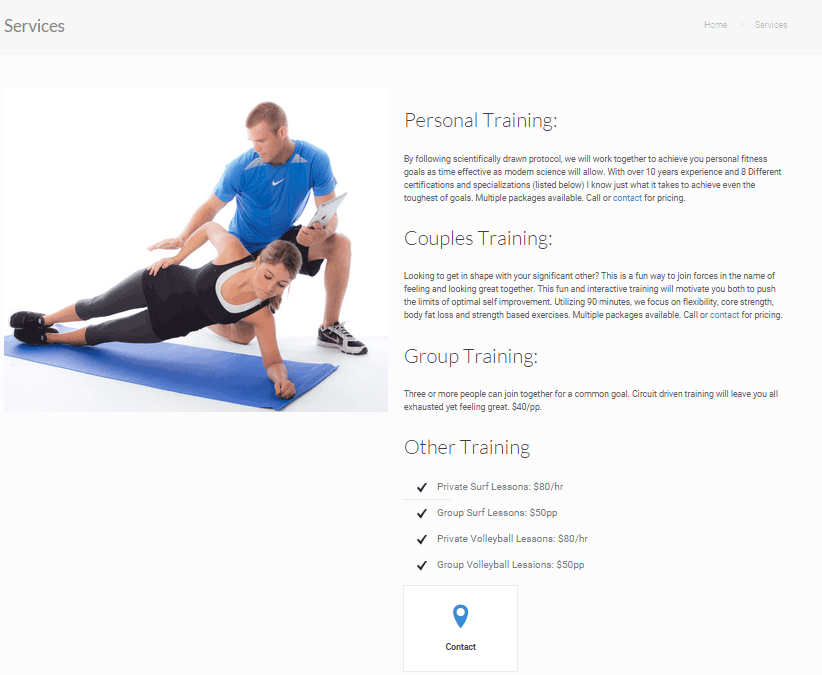
Fourth, Eddie makes good use of the services page and speaks about the services that are unique to his business. He also mentions his price points, something that most potential clients will want to know right off the bat.

personal trainer services page example

Finally, Eddie adds social proof with an up-to-date testimonial page. His contact information is also clearly displayed so that people can get in touch with him via phone, email or through social media.

personal trainer website example header

Topic-specific Personal Training Websites

personal trainer website ideas

One of the other, and perhaps most competitive, of personal training websites are the ones that cover specific topics. You know these sites well because the popular ones come up again and again when you do fitness-related searches.

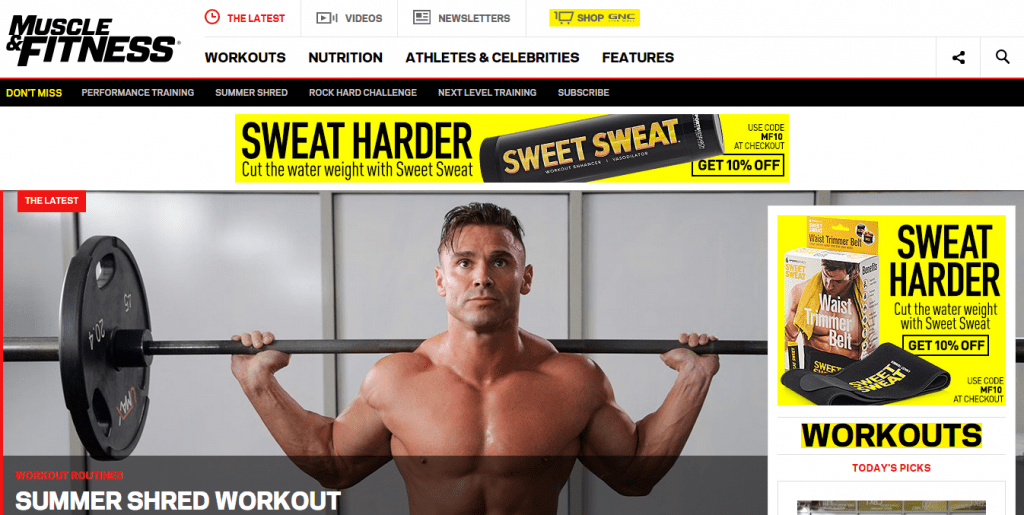
These types of sites include, for example, Bodybuilding.com, MuscleandFitness.com, Shape.com and the more individualized versions of these sites like RomanFitnessSystems.com or JillianMicheals.com.

The difference between these websites and client-centric sites is that they create revenues in a different way than individual or group personal training sessions. In other words you can’t actually hire the trainers on these sites, they exist to sell you on something else.

What do these topic-specific sites sell? Let’s take a closer look at the examples of the sites to see if any of these relate to what you’d like to achieve:

  • com: Sells supplements from is online store.
  • com: Sells advertisements and magazine subscriptions as well as supplements.
  • com: Sells advertisements and magazine subscriptions.
  • com: Sells online coaching, books and gadgets.
  • com: Sells diet and exercise plans and ads.

While many of these sites feature personal trainers, the end goal of the sites is not to help the visitor’s book sessions with them. The personal trainers are mainly responsible for the content on the site or have a reputation that they use to sell products they put their names on.

If you are not yet a big name personal trainer but want to create a website that is monetized some other way, here are some website ideas that will get you on your way:

  • Amazing personal training websites start and end with great content: with the exception of Jillian Michaels site, all of the abovementioned sites all got to where they were by creating amazing content. Take Bodybuilding.com for example, do a Google search for almost any topic on workouts and you’ll find them in the first or second spot. This is because their content is superior to almost anything else on the web. This doesn’t only apply to written form, they also have loads of videos, pictures, graphs and illustrations to make their content even more appealing. Furthermore, the writers on their site are true authorities in the health and fitness field which only leads to their credibility.

If you are going to create a website with the goal of selling products or ads, you can follow Bodybuilding.com’s model of putting the content on your shoulders and moving ahead from there.

  • Outreach is just as important as content creation: after you begin to create really great content for your website you’ll want to start the outreach portion. Unlike in Field of Dreams, the “if you build it they will come” idea doesn’t work on websites. One way to start is to spread the word on social media but where you’ll really have success is by forming relationships with other personal trainers who have bigger networks. Asking them to share your content on their social networks is one way to get more eyeballs on your content and to expand the reach of your content.

Traffic is the Most Important Thing for Monetizing Topic-specific Personal Training Websites

The amount of visitors you get to any website is important but this is especially true for these topical sites. This is because the amount of ads you sell, or the amount of meal plans you sell, or the amount of books you sell, etc. will depend on your ability to drive big numbers of visitors to your site.

For comparison sake, the personal trainer who gets 1,000 people to visit their site will probably gain the interest of about 10%, or 100 of those people. Then, only about 10% of those 100, or 10 people might actually reach out to that personal trainer. If he or she is a good closer, they can expect to turn 10% of those 10, or 1, into a client.

But one new client a month for a personal trainer is probably something that could sustain a business that already had a decent number of clients (but not an entirely new business).

With a topic-specific personal training site you’ll need to have a lot more traffic to keep the money coming in which is why these types of sites are amongst the most challenging. As a rule of thumb, you’ll probably need to get your topic-specific personal training website into the 100,000 visitors per month range before you really start monetizing it.

For comparisons sake, Bodybuilding.com gets about 26 million hits per month and RomanFitnessSystems.com about 200,000 based on traffic estimates from https://www.websiteiq.com/.

In this case, you’ll probably also want to invest in search engine optimization marketing if you are looking to monetize your site.

Brand-specific Personal Training Websites

CrossFit Trifecta

These are the types of websites that are for multi-trainer personal training companies or for the personal trainer who has aspirations of growing their business beyond themselves.

Like the client-centric sites, these tend to market to clients in the local area but can grow to farther reaching chains not unlike a CrossFit or similar gym. These sites can also venture into group training or other trendy workout movements like yoga, Pilates or even sport-specific training.

Because the focus of these types of businesses tends to be narrow and deep, these websites should focus on the following approach:

  • A full explanation of the benefits: when people look for a specific type of training they are either a) very interested in that type of training and need to be persuaded why they will try it for the first time with you, or b) already love this type of training but need a reason to visit your facility/gym/experience to convince them it may be better than what they have done before.
  • Lots of pictures: going along with the above, making the change to your business is going to take some visuals of your operations to help seal the deal. Your website should be highly visual with professional-grade photographs of your equipment, people doing exercises and perhaps most importantly, the trainers who dedicate their lives to helping others.

You’ll Want Online Exposure Here Too

Yup, it’s that word again, SEO, the one you knew was coming. If you want more exposure than what you’re going to get from word-of-mouth you’ll want to take advantage of search engine optimization.

SEO will help you to rank for your specific services so that people who want them and don’t know about your brand will find you, call you and contribute to your continued success.

Personal Training Website Ideas Recap

Now you have learned a few things about personal trainer websites. You should be able to take this knowledge and decide the type of lead capture, marketing tools or call-to-actions you want to use.

You should also know the type of personal trainer website you want: local, topic-specific or brand-specific.

With these fundamentals you’ll be able to build a better website and a better career. Don’t forget, you can get a professionally-made website from a name you can trust – Fitness Mentors.

circles@2x 1
cross 1

Personal Trainer Career Roadmap

Featured Posts

Subscribe
To Our Blog