NASM Reviews: Personal Trainer Certifications – CES, CNC, PES, WLS, MMAS, GPT, YES, WFS, SFS, GFS

NASM Reviews: Personal Trainer Certifications –

CES, FNS, PES, WLS, MMAS, GPT, YES, WFS, SFS, GFS


This is the heading
Fitness Mentors NASM
Watch Our Video: ACE vs NASM: Which CPT is Right for You?

NASM Reviews | How to become a certified personal trainer

Certified Personal Trainer, CPT The NASM-CPT is the most widely chosen certification among fitness professionals, making it the most widely accepted in the industry. As a future personal trainer it is important to align yourself with the most reputable certification and we believe that NASM is just that, which is why we are giving you an objective way to learn about NASM reviews. 

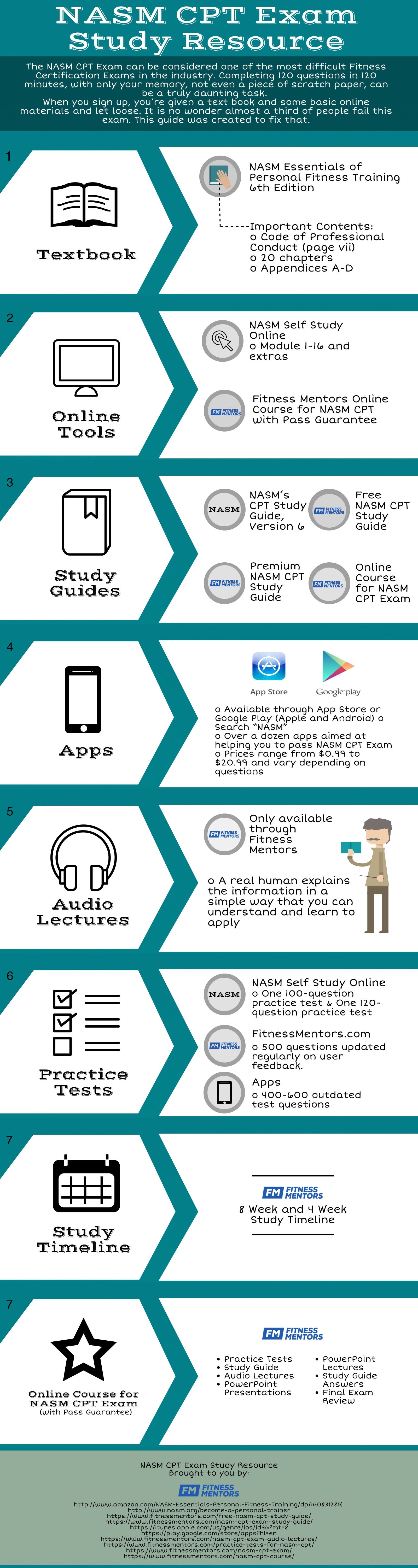
The way that you receive your CPT credential is by passing the NASM CPT Exam. This is done by learning the information from the NASM CPT Textbook that is most relevant to succeeding as a personal trainer. NASM will provide you with education packages ranging from $800 – $2500 dollars, but most people agree that their education is confusing, which is probably why the pass rate is at 79% (proctored/accredited) and 90% (non-proctored/non-accredited). 

The best and least expensive way to pass their exam and learn the information you need to be successful, is by taking our Free NASM Study Course (we use to charge $500 for this course) and then purchasing the exam and textbook separately. Our course goes into specific detail regarding what makes it onto the test so you can better prepare yourself for what to expect. The course also adds real world experiences and examples that teach you how to use the material to train your clients more effectively. Whichever way you chose to learn, the NASM certification should be your top choice as it is accepted at almost any training facility.

circles@2x 1
cross 1

Other NASM Reviews for Specialty Certifications

circles@2x 1
path-6-1.png
path 6@2x 1

Convinced NASM is the way to go?

Your next steps for NASM certification:

  1. Get Fitness Mentors’ Free NASM CPT Study Course
  2. Begin Your Studies Using the Fitness Mentors’ 4 & 8-week Study Timeline
  3. Purchase NASM’s Cheapest Study Package Here
  4. Begin Your Career as a NASM Certified Personal Trainer!

Written by:

Eddie Lester BS, NASM-CPT, CES, PES, FNS, WLS, MMAS, GFS, YES, SFS

circles@2x 1
cross 1

Five Secrets to Passing your NASM-CPT Exam

Featured Posts
Subscribe
To Our Blog

Extra Credentials are like super setting your favorite two body parts, it pumps you up! (insert Arnold voice). When you are already a NASM Certified Trainer, I highly recommend focusing your continuing education on sales or sticking with their other certifications, as they transfer to equal the amount of CEU’s you need to recertify (1.9 CEU’s + 0.1 CEU for CPR). When choosing your additional certs, think purpose. What credential is going to make you more valuable to the type of clientele you want to attract? Below is an honest breakdown:

Corrective Exercise Specialist, CES

Train people in pain

The CES certification is far and away NASM’s best cert, as you will learn extremely applicable information. It forces you to understand origins of pain and how to fix it. My biggest concern with my training was learning how to always progress in strength, athleticism and body image, while avoiding any training associated injury. Here’s the truth, if you don’t have perfect flexibility and muscle balance, you are on your way to finding injury. In the CES materials you learn about all the mobility issues that can lead to these injuries. Beyond this, the value you can build knowing and understanding your clients’ pain is immense. Imagine you look at the most basic movement patterns of someone in their everyday life and are able to tell them about how their overactive Pec Major is giving them that shoulder pain they have been dealing with for months. They are blown away. Another great thing about this cert is that the test you have to pass, which is NASM’s hardest by far, makes sure you have completed your studies and understand these difficult topics. All of this combined makes the Corrective Exercise Specialist Certification a true educational experience that is held to the highest standard.

Certified Nutrition Coach, CNC:

With a huge mess of information out there on nutrition, it is extremely important to be able to differentiate the good from the bad. When put simply we can say things like, avoid processed food; eat whole foods; avoid Trans fats, but we need to understand why these things are important. The Certified Nutrition Coach by NASM takes a detailed college level textbook and goes to town on understanding everything you need to know about PRO, CHO and FAT, as well as all of the vitamins and minerals, what they do and where to get them. Although there is no definitive way to eat (some may argue otherwise), being able to analyze the true nutritional content of what you are eating and understand why you are eating it, the knowledge gained through the Certified Nutrition Coach will help you to boost your own and your clients’ fitness goals.

Performance Enhancement Specialist, PES

Unless you are planning on focusing your fitness career in sports specific training or you are a competitive athlete yourself, the Performance Enhancement Specialist may be of little use. The market for sports training is not a large one, and typically caters to high school and college aged clientele, which usually don’t have room in their budget for private training.  It’s not too frequent that business men come to personal trainers looking to become a better running back or shortstop. In review of what you are learning there are great things about the PES. Through the assessments chapter you are introduced to some great sports specific assessments that can expand your repertoire when considering performance as a goal. Also they have a great Olympic Lifting chapter that is essential to understand for improving explosiveness and power in sports that have those needs. Same goes for the plyometric chapter. If you like understanding concepts behind why these types of training will benefit athleticism, then the science based information throughout the book will be a great resource. Overall the PES is great, but remember it has a very specific and small market. Certifications to explore that will benefit your sports based training knowledge would be the USA-Weightlifting’s (USAW) Sports Performance Coach and National Strength and Conditioning Association’s (NSCA) Certified Strength and Conditioning Specialist. These certifications are very focused on the college and pro level setting and it would not be easy to carry out their training programs in your typical commercial gym.

Weight Loss Specialist, WLS

I may sound a little harsh towards this certification, only because they beat the law of thermodynamics to death (calories in vs calories out). When will NASM jump off the government recommended nutrition band wagon and realized there is more to altering body composition; ie. Hormonal OptimizationMacronutrient Ratios, and eating low inflammatory profile foods to name a few. Unfortunately they don’t discuss any alternative methods to weight loss, and just repeat what you already know, to slightly more detail. I do have to say that having this title will make you sound great, but recognize your investment in furthering your education provides little return.

Mixed Martial Arts Specialist, MMAS

Is this your target audience? Then get it. Similar to the Weight loss Specialist, if you expect to get great insight into how to train someone like MMA fighters you are understandably misled. Mixed Martial Artists are athletes and you are better off applying the PES principles to understand and program toward the demand of the sport, rather than take them through circuit training with added kicks, knees and elbows. I really only see this as a clever way to capitalize on the recent MMA influenced fitness training boom. Once again the education is lacking, so the title is all you’re really paying for.

Group Personal Training Specialist, GPT:

 Did you know that no gyms require you to have this to train their group exercise classes? I can only see this benefiting you in a few ways; one of them being that you’re starting a boot camp or private group class and want to bring attention to the fact that you are qualified, and the other being that you really suck at training groups and you need more insight, which is unlikely. If you fall into one of these categories I guess you could try it?

Women’s Fitness Specialist, WFS:  

If this is your target market, adding this certification may be of value. It dives a bit deeper into the uniqueness of female clients including monthly cycles and hormonal factors. Sounds okay but you decide. I will be waiting for the Men’s Fitness Specialist to arrive. Any day now…

Youth Exercise Specialist, YES

Teach them how to play and perform speed, agility and quickness drills. Once again if this is your target market it may hold value. The special considerations for youth can be found in chapter 16 in the NASM Essentials of Personal Fitness Training Textbook. The additional information in this cert does not add to much benefit beyond what the basic standards are for youth training.

Senior Fitness Specialist, SFS:

Great title if this is your main focus for your business. Besides that your money is better spent on the CES, learning ways to address musculoskeletal pain.

Golf Fitness Specialist, GFS

Do you already kick ass at golf? Is this your Target Market? I love golf. If you love golf this does provide some great baseline knowledge for you to build upon in the real world, but check out the Titleist Performance Institute if you are serious about getting to golf training.

Highly Recommended: CES, CNC, PES
Honorable Mention: MMAS, WLS 

Personal Trainers Studio: How To Create Your Own

Personal Trainers Studio: How To Create Your Own

Personal Trainers Studio: How To Create Your Own

Opening your own personal training studio is one of the most rewarding moves a certified fitness professional can make. Instead of splitting your session fees with a commercial gym, you build equity in your own brand, control your client experience, and create a training environment tailored to your exact methodology.

But launching a private personal training studio successfully requires more than passion. You need a solid business plan, the right location, compliant insurance coverage, proper licensing, and a client acquisition strategy from day one.

This guide walks you through every step — from choosing a location and calculating startup costs to equipping your space, marketing your services, and managing operations with the right fitness studio software.

circles@2x-1
cross-1

Step 1: Write a Business Plan for Your Personal Training Studio

Before signing a lease or buying a single dumbbell, write a business plan. Research consistently shows that fitness business owners who draft a formal plan are significantly more likely to succeed than those who skip this step.

Your personal training business plan should cover:

  • Executive summary: your studio concept, target market, and mission statement
  • Market analysis: local competition, demand for personal training services, demographic trends
  • Business model: one-on-one training, small group fitness classes, semi-private sessions, or hybrid coaching
  • Financial projections: startup costs, monthly operating expenses, break-even analysis, and revenue targets
  • Marketing strategy: how you’ll attract and retain clients
  • Operational plan: staffing, scheduling, and client management systems

A thorough business plan also helps when applying for a small business loan or seeking investors for your private gym startup.

Step 2: Choose Your Personal Training Business Model

There are three primary models for personal training studios, each with different cost structures and growth potential.

In-Person Personal Training Studio

A physical studio lets you train clients face-to-face, deliver real-time feedback, and build stronger accountability relationships. It’s the traditional model and still the most profitable per client. However, it carries the highest startup costs, including rent, build-out, and equipment investment.

Online Personal Training Business

Online coaching removes geographic limits and dramatically reduces overhead. You can coach clients globally using video calls, programming apps, and fitness tracking software. The COVID-19 pandemic accelerated adoption of online fitness services, with reported triple-digit increases in virtual session attendance. The challenge is maintaining client motivation and accountability remotely.

Hybrid Personal Training Model

The hybrid model blends in-person and online training, letting you maximize revenue per trainer hour while reducing reliance on studio capacity. Many boutique fitness studios launch as hybrid operations to lower fixed costs while growing their client base.

Step 3: Should You Rent or Buy a Personal Training Studio?

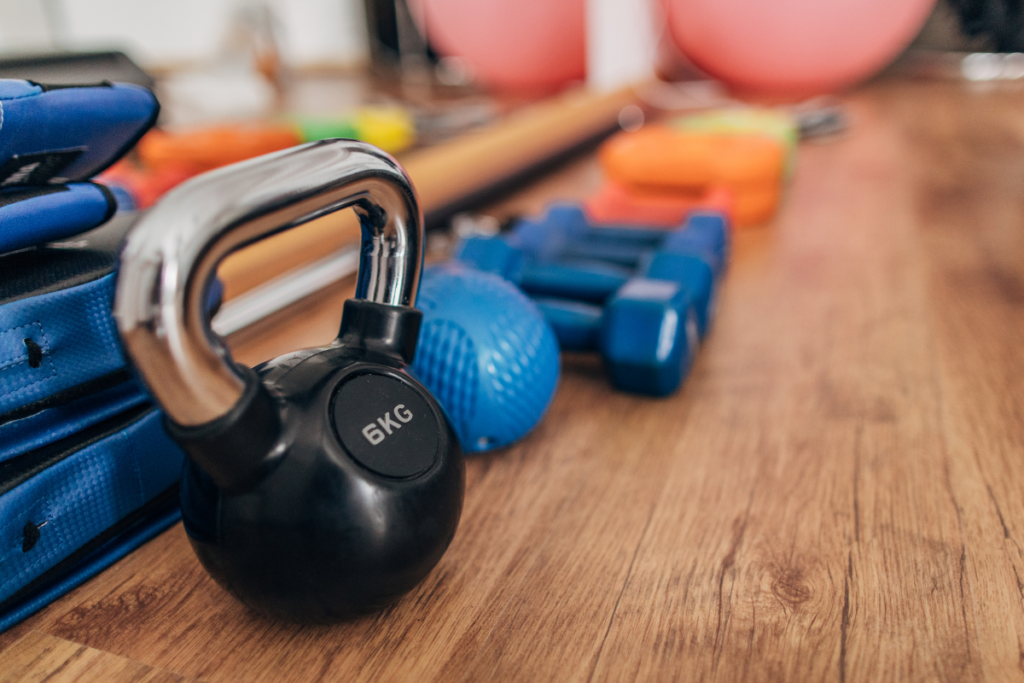
kettlebell for personal trainer studio

One of the first major decisions you’ll face is whether to lease or purchase commercial property for your studio. Both options have distinct advantages depending on your stage of business growth.

Renting a Personal Training Studio Space

Leasing is the most common starting point for new studio owners because it requires less upfront capital and carries less long-term risk. Key advantages include:

  • Lower initial investment compared to purchasing commercial real estate
  • Flexibility to relocate if your business outgrows the space or needs a better location
  • No responsibility for major structural repairs or building maintenance
  • Faster move-in timeline, so you can start generating revenue sooner

Rental rates for commercial fitness space vary significantly by market. For a reference point, small studio spaces in secondary markets can list as low as $8 per square foot per year, though prime urban locations command significantly higher rates. Use platforms like LoopNet.com to research current lease rates for commercial property in your area.

Buying a Personal Training Studio

Purchasing your space makes sense once your business is established and you plan to stay in a fixed location for at least five to seven years. Benefits include full control over studio design and layout, the ability to build equity, and freedom from rent increases. However, a commercial mortgage typically requires a credit score above 680 and a minimum 25% down payment, making it an unrealistic option for many first-time studio owners.

Pro tip: Start by renting a smaller space, prove your concept, then consider purchasing once your client base and revenue are stable.

Step 4: How Much Space Does a Personal Training Studio Need?

The right square footage depends on your training format, the number of clients you’ll serve simultaneously, and the equipment you need.


Space Requirements by Training Format

  • One-on-one personal training sessions: 400–600 square feet minimum. This accommodates a training floor, a check-in area, and a bathroom.
  • Small group fitness training (2–5 clients): 600–800 square feet, allowing room for multiple workout stations without crowding.
  • Group exercise classes (6+ clients): 1,000–1,500 square feet, including a dedicated group fitness area, reception, and restroom facilities.
  • Multi-trainer boutique studio: 1,500–3,000+ square feet if you plan to hire additional certified personal trainers or offer specialty programs like strength and conditioning, corrective exercise, or yoga.

Also factor in space for specialty equipment. Squat racks, cable machines, and sled tracks require significantly more floor area than free weight and resistance band setups.

Starting small is smart: You can always upgrade to a larger facility as your studio membership and revenue grow. Many successful studio owners launched in 400–600 sq ft spaces before expanding.

You can purchase personal trainer insurance from a variety of companies. Some companies that offer personal trainer insurance include:

  1. Insure Fitness Group
  2. NEXT Insurance
  3. InterWest Insurance
  4. Sadler Insurance

You can read more about these personal trainer insurance options here.

Step 5: Obtain Business Licenses and Permits

Before opening your doors, you must comply with local, state/provincial, and federal business regulations. Requirements vary by location, but typically include:

  •   Business registration (LLC, sole proprietorship, or corporation)
  •   Employer Identification Number (EIN) from the IRS (U.S.)
  •   Local business operating license
  •   Certificate of occupancy for your commercial space
  •   Health and safety permits (some municipalities require fitness     facility inspections)
  •   Zoning compliance for a fitness studio in your chosen location

If you plan to serve food or supplements on-site, additional food handling permits may apply. Research your specific local requirements thoroughly before signing a lease, since some commercial spaces may not be zoned for fitness studio use.

Step 6: Separate Your Business and Personal Finances

Open a dedicated business checking account before you make your first business purchase. Mixing personal and business finances creates accounting headaches, complicates tax filing, and can jeopardize your legal liability protection as an LLC.

Compare business banking options from several providers, looking at monthly fees, transaction limits, and integration with accounting software like QuickBooks or FreshBooks. A business credit card also helps build your company’s credit profile for future financing.

Step 7: Essential Equipment for a Personal Training Studio

Your equipment list should reflect your training philosophy, your client demographics, and your space. Overspending on equipment before you have a full client roster is a common and costly mistake.

Core Personal Training Equipment

  •   Free weights: dumbbells (5–75 lb range), barbells, and weight plates
  •   Resistance bands and cable systems
  •   Kettlebells (various weights)
  •   Suspension trainers (TRX or equivalent)
  •   Adjustable bench and flat bench
  •   Squat rack or power cage (if space allows)
  •   Medicine balls and slam balls
  •   Exercise/stability balls
  •   Yoga and stretching mats
  •   Jump ropes and agility ladders

Cardio Equipment

  •   Treadmills (1–2 for a small studio)
  •   Rowing machine or ski erg
  •   Assault bike or stationary bike
  •   Elliptical trainer

Recovery and Mobility Tools

  •   Foam rollers and massage balls
  •   Resistance loop bands
  •   Stretching straps

Prioritize versatile, multi-use equipment first. A fully equipped personal training studio doesn’t need to replicate a commercial gym — it needs to deliver outstanding results for your specific client population.

Step 8: Studio Design, Layout, and Flooring

Your studio’s physical environment directly impacts client experience, safety, and your brand perception. A well-designed space communicates professionalism and attention to detail before a single training session begins.


Flooring

Rubber floor tiles are the industry standard for personal training studios. They provide impact absorption, noise reduction, traction, and durability under heavy equipment. Options include:

  •   Interlocking rubber tiles: flexible, easy to install, and replaceable
  •   Rolled rubber flooring: seamless look, ideal for larger open areas
  •   Foam tiles: suitable for stretching and mobility zones, not for heavy weights

Studio Design Essentials

  • Mirrors: full-length wall mirrors for form correction and client feedback
  • Lighting: bright, even lighting without harsh glare
  • Ventilation and air conditioning: critical for client comfort and air quality
  • Sound system: background music improves training energy and client experience
  • Storage: organized storage for equipment keeps the training floor safe and professional
  • Changing area and restroom: required for client retention

If the space you lease requires significant renovation to meet these requirements, factor renovation costs into your startup budget before signing.

Step 9: Insurance Requirements for Your Personal Training Studio

Operating your own studio means you’re fully responsible for liability coverage there’s no gym owner policy to fall back on. Adequate insurance is not optional; it’s a legal and financial necessity.

Types of Insurance Personal Trainers Need

  • General liability insurance: covers client injuries on your premises and protects against property damage claims
  • Professional liability insurance (errors & omissions): covers claims related to your training advice or programming
  • Workers’ compensation insurance: required if you employ other trainers or staff
  • Commercial property insurance: covers your equipment and studio contents
  • Business interruption insurance: replaces lost income if your studio is temporarily forced to close

Providers specializing in fitness business insurance include Insure Fitness Group, NEXT Insurance, InterWest Insurance, and Sadler Insurance. Compare policies carefully, as coverage limits and exclusions vary significantly.

If you hire additional certified personal trainers, confirm that each trainer carries their own professional liability coverage or is listed under your studio policy.

Step 10: Pricing Your Personal Training Services

Setting the right pricing is critical to your studio’s financial sustainability. Charge too little and you can’t cover operating costs; charge too much early on and you’ll struggle to build a client base.

Key pricing considerations:

  • Market rate research: analyze what local personal trainers and boutique studios charge for comparable services
  • Your cost basis: calculate your monthly fixed costs (rent, insurance, software, utilities) and determine the minimum sessions needed to break even
  • Session format: one-on-one coaching commands the highest per-session rate, typically $60–$150/hour in most U.S. markets; small group and semi-private sessions offer lower per-person rates but higher revenue per trainer hour
  • Package pricing: session bundles (e.g., 10-session or 20-session packages) improve cash flow and reduce client churn
  • Monthly membership models: recurring revenue provides predictability and supports business planning.

As you gain experience, testimonials, and specialization credentials (such as corrective exercise specialist or sports nutrition certifications), you can progressively raise your rates.

Step 11: Marketing Your Personal Training Studio and Attracting Clients

Your studio’s success depends on a consistent pipeline of new clients and strong client retention. A multi-channel marketing approach works best for boutique fitness businesses.

Digital Marketing for Personal Trainers

  • Build a professional website that showcases your training philosophy, client results, services, pricing, and an easy online booking process
  • Optimize your website for local SEO so prospective clients searching “personal trainer near me” or “personal training studio [your city]” can find you
  • Create and maintain a Google Business Profile for visibility in local search results and Google Maps
  •   Use social media (especially Instagram and TikTok) to share client transformations, training tips, and behind-the-scenes studio content
  • Collect and display Google and Facebook reviews — potential clients frequently search for personal trainer studio reviews before making a decision

Community and Referral Marketing

  • Network with local healthcare providers (physical therapists, chiropractors, physicians) who can refer clients seeking fitness-based rehabilitation or injury prevention
  • Partner with nearby businesses for cross-promotional opportunities
  •   Offer a referral incentive program for existing clients who bring in new members
  • Participate in local health fairs, community events, and charity fitness challenges

Retention Strategy

Client retention is as important as acquisition for a sustainable studio business. Strategies that reduce churn include:

  •   Progress tracking and regular fitness assessments
  •   Personalized programming that evolves with each client’s goals
  •   Strong community culture, especially for group training clients

Consistent communication through email newsletters or a client app

Step 12: Fitness Studio Software and Business Management

Managing scheduling, billing, client communication, and progress tracking manually becomes unsustainable as your studio grows. Dedicated fitness studio management software automates these processes and creates a more professional client experience.

Key features to look for in personal training business software:

  •   Online booking and appointment scheduling
  •   Automated billing and recurring membership payments
  •   Client progress tracking and workout logging
  •   Digital intake forms and liability waivers
  •   Email and SMS client communication
  •   Reporting and revenue analytics

Popular platforms used by boutique fitness studios include Mindbody, Trainerize, PT Distinction, and GlofoxGlofox. Many offer free trials, so test a few before committing.

How Much Does It Cost to Open a Personal Training Studio?

Startup costs vary considerably depending on location, studio size, and the scope of your build-out. Here’s a general framework:

  •   Rent deposit (first + last month): $2,000–$10,000+
  •   Studio renovation and flooring: $1,500–$15,000
  •   Equipment purchase: $3,000–$30,000 depending on scope
  •   Business licensing and legal fees: $500–$2,000
  •   Insurance (annual): $500–$2,500
  •   Branding, website, and marketing launch: $1,000–$5,000
  •   Studio management software (monthly): $50–$300
  •   Miscellaneous (office supplies, furniture, signage): $500–$2,000

A small one-on-one personal training studio can realistically launch for $10,000–$30,000 in the U.S. A larger boutique studio with group fitness capacity could require $50,000–$100,000 or more. Whatever your estimate, financial advisors consistently recommend budgeting at least 20–30% more than you expect to account for unforeseen expenses.

Frequently Asked Questions

While a personal trainer certification is not required to open your own studio, it may give you a competitive edge, as, without certification, you will not be considered reputable.

Read More: Do You Have To Be Certified To Be A Personal Trainer?

The cost of opening a personal trainer studio will vary depending on factors like whether you buy or rent, the size of the space, and the equipment you purchase. f you plan to charge memberships, research the average personal trainers studio membership cost in your market to stay compet

Some benefits of opening your own personal trainer studio include having more control over your business, building your personal brand, and investing in a long-term growth opportunity. Financially, you won’t have to split your revenues with a gym.

Takeaway

Opening your own personal trainer studio can be a great way to build your business and brand. It’s important to do your research and plan ahead to ensure a successful launch. Use the tips in this blog to get started on creating your own personal trainer studio today!

Featured Posts
Subscribe
To Our Blog
Your subscription could not be saved. Please try again.
Your subscription has been successful.

How Personal Trainers Can Create Personalized Workout Plans for Clients

Create Personalized Workout Plans for Clients

How Personal Trainers Can Create Personalized Workout Plans for Clients

By the end of this guide, you will have a bulletproof, step-by-step blueprint for assessing every client’s needs and building a personalized workout plan that actually delivers results. You will learn how to evaluate their starting point, define their goals, design their training split, program cardio, and use nutrition to put the finishing touch on a plan built for long-term success.

“A generic workout plan will get generic results. The trainers who build lasting careers in the U.S. fitness industry are the ones who master personalization.”
Eddie Lester, Fitness Mentors

Why Personalized Workout Plans Matter More Than Ever

The U.S. fitness industry generates over $35 billion annually, yet a significant percentage of gym-goers quit within the first three months. Why? Because they follow cookie-cutter programs that were never designed for them. A 52-year-old office worker in Chicago and a 24-year-old college athlete in Los Angeles cannot follow the same program and expect the same results.

Personalized workout plans bridge that gap. They account for a client’s fitness history, injury background, schedule, preferences, and the specific physiological demands of their goals. When clients see real progress tailored to their life, they stay consistent and that consistency is what produces transformation.

As a certified personal trainer in the United States, your ability to create these individualized plans is not just a service differentiator. It is your most powerful retention tool.

5-Step Plan Catered to Each Client's Specific Needs

To be the best trainer you can be, you need a repeatable system that works for every single client regardless of their starting point, genetics, or preferences. The following five-step framework is built from over 17 years of practical experience training clients across the United States.

STEP 1: Assess Your Client's Abilities

No two clients walk through the door the same way. Your first job is to objectively understand where they are starting from. A thorough initial assessment gives you the baseline data you need to build a plan that is safe, effective, and progressive.

A comprehensive fitness assessment for a new client in the U.S. should include:

  • Resting heart rate and blood pressure (critical for older clients or those with health conditions)
  • Body composition analysis — body fat percentage, lean mass, and weight
  • Postural and movement screening — identify imbalances, compensations, and injury risk
  • Flexibility and mobility testing — sit-and-reach, shoulder mobility, hip flexor length
  • Cardiovascular fitness baseline — a simple step test or submaximal aerobic assessment
  • Strength benchmarks — push-ups, bodyweight squat form, core endurance
  • Health history and PAR-Q (Physical Activity Readiness Questionnaire) required for liability in the U.S.

Understanding your client’s body composition gives you insight into areas they need to focus on most, whether that is losing body fat, building lean muscle, or improving functional movement. Identifying postural deviations early helps you incorporate corrective exercises, which is especially valuable for desk workers one of the most common client profiles in the U.S. market.

Pro Tip: Always have clients complete a PAR-Q and a signed informed consent form before any fitness assessment or training session. This protects both you and your client, and is standard practice for certified trainers across the country.

STEP 2: Define Their Goals

Once you know where your client is, you need to establish exactly where they want to go. Many clients walk in with vague goal, ‘I want to get fit’ or ‘I want to look better.’ Your job is to help them define SMART goals: Specific, Measurable, Achievable, Relevant, and Time-bound.

For example, many clients come in wanting to lose weight. Rather than leaving it at that, work with them to define a concrete target: ‘I want to lose 15 pounds of body fat in 12 weeks by training 4 days per week and following a caloric deficit nutrition plan.’ That is a goal you can build a plan around.

Common goal categories for U.S. clients include:

  •       Fat loss and body recomposition
  •       Muscle gain and hypertrophy
  •       Improved athletic performance
  •       Functional fitness and everyday movement
  •       Post-rehabilitation strength and mobility
  •       Cardiovascular health and endurance
  •       Stress relief and mental wellness

Understanding the goal category shapes every decision you make in steps 3, 4, and 5. A client training for a 5K in Seattle has completely different programming needs than a client trying to put on 10 pounds of muscle in Miami. Personalization starts at the goal-setting stage.

STEP 3: Create a Personalized Workout Plan

Now that you know where your client is and where they want to go, it is time to build their training plan. This is the core of your work as a personal trainer, and it requires you to apply your knowledge of exercise science to design a program that is both structured and flexible.

Start with their weekly training split. The split you choose should be based on how many days per week they can realistically commit to training, their recovery capacity, and their primary goal. Below is a proven 5-day split that serves as an excellent starting template for most general fitness clients:

Sample Weekly Training Split;

Day

Focus

Monday

Upper Body (Push) – Chest, Shoulders, Triceps

Tuesday

Lower Body – Quads, Hamstrings, Glutes

Wednesday

Active Recovery / Cardio (20–30 min)

Thursday

Upper Body (Pull) – Back, Biceps, Rear Delts

Friday

Full Body Functional + Core

Saturday

Cardio / HIIT (Client Goal Dependent)

Sunday

Rest & Recovery

Adapt this split based on your client’s availability, recovery needs, and goals. This is the master template you work from — every part of the body receives adequate stimulation, and each muscle group has sufficient time to recover before being trained again.

Once you have the split, determine the appropriate sets, reps, and rest periods based on their primary goal. Use the table below as your programming guide:


Training Variables by Goal

Goal

Sets

Reps

Rest

Strength / Muscle Gain

3–5

6–8

2–3 min

Hypertrophy (Muscle Growth)

3–4

8–12

1–2 min

Muscular Endurance

2–3

12–15+

30–60 sec

Fat Loss / Cardio Circuit

3–4

15–20

30–45 sec

Always prioritize proper form over volume. It is better to do fewer repetitions with correct technique than to sacrifice form for more reps, which significantly increases injury risk.

If you need a head start, our pre-designed workout templates give you a professional foundation you can customize in minutes for any client type.

Key Insight: Progressive overload is the engine of every effective personalized workout plan. Every 2–4 weeks, revisit the plan and increase the challenge whether through adding weight, increasing reps, shortening rest periods, or introducing more complex movement patterns.


Sample Personalized Fitness Plan
For those who want a general workout split, the one below is a staple that allows for 4 days of working out, 3 days of rest and hits every part of the body. This can be the master split that you work off of.
Sample Advanced Weekly Split:
However, you may have clients that come to you and emphasize that they really want to grow specific body parts. For example, a client may want to enhance their chest and legs. What you can then do, is sacrifice one of the rest days and make the split look something like this:
Sample Advanced Weekly Split:

There is no perfect way to structure a workout split. Just make sure that every part of the body is being adequately stimulated and that each of your muscle groups has sufficient time to recover before you hit them again. Other than that, it is extremely customizable and you can use it to build your body however you feel is best!

If you are having some trouble putting this together on your own, you can get some help from our, predesigned workout templates

How to Choose the Right Exercises For Your Client
Select exercises that align with their goals, fitness level, and equipment availability.

Consider compound exercises that work for multiple muscle groups simultaneously, such as squats, deadlifts, bench presses, and overhead presses. Additionally, incorporate isolation exercises to target specific muscles that they are trying to enhance.

Choose Rep Ranges, Sets, and Rest Time

  • For strength and muscle gain, aim for 6-8 reps per set for 3-5 sets with 2-3 minutes of rest between sets.
  • For hypertrophy (muscle growth), aim for 8-12 reps per set for 3-4 sets with 1-2 minutes of rest between sets.
  • For endurance, aim for 12-15+ reps per set for 2-3 sets with 30 seconds to 1 minute of rest between sets.

Quality over Quantity
Emphasize to your client to focus on performing exercises with proper form and technique. It’s better to do fewer repetitions with proper form than to sacrifice form for more reps, as this can lead to injuries.

STEP 4: Create a Cardio Workout Plan

Even if your client’s primary goal is to build muscle, cardio is a non-negotiable component of any well-rounded fitness program. Cardiovascular exercise supports heart health, accelerates recovery, improves work capacity, and contributes to the caloric deficit needed for fat loss. The American Heart Association recommends at least 150 minutes of moderate-intensity cardio per week for the average American adult.

How you structure cardio within your client’s program depends entirely on their goal:

  • Fat loss goal: Program cardio before the main workout when possible. Your client will have more energy available for calorie burning, and the elevated heart rate primes their metabolism for the session ahead.
  • Muscle gain goal: Program cardio after the main workout. Performing cardio first depletes glycogen and reduces energy available for hypertrophy-focused lifting the opposite of what your muscle-building client needs.
  • General health and endurance: Cardio can be performed on its own dedicated days or as a finisher after resistance training, depending on preference and schedule.

Start with lower-intensity options for deconditioned clients steady-state walking, cycling, or elliptical work and progressively build toward higher-intensity formats like HIIT as their fitness improves. Cardio should be implemented for at least 20–30 minutes per session to produce meaningful cardiovascular adaptations.

Variety matters here too. Mixing modalities treadmill, rowing machine, cycling, stair climber, outdoor running keeps sessions engaging and challenges the cardiovascular system in different ways, which is especially important for long-term adherence.

STEP 5: Create a Personalized Nutrition Plan

There is a reason fitness professionals say that results are made in the kitchen. You can design the most effective workout program in the country, but if your client’s nutrition is not aligned with their goals, their progress will stall. As a certified trainer with a nutrition specialization, supporting your clients with basic nutrition guidance is one of the most impactful services you can offer.

Key nutrition principles to build into every client’s plan:

  • Caloric alignment: Clients pursuing fat loss need a moderate caloric deficit (typically 300–500 calories below maintenance). Clients pursuing muscle gain need a slight caloric surplus, prioritizing protein intake.
  • Protein as the foundation: Recommend 0.7–1.0 grams of protein per pound of body weight per day for most active clients. Protein supports muscle repair, recovery, and satiety.
  • Whole food prioritization: Emphasize lean proteins, complex carbohydrates, healthy fats, and an abundance of vegetables. Minimize processed foods and added sugars.
  • Hydration: Proper hydration supports performance, recovery, and metabolism. Recommend at least half a client’s body weight (in ounces) of water daily. For clients who struggle with plain water, sugar-free electrolyte additions are a practical solution.
  • Flexible eating: Acknowledge that perfection is not sustainable. Allow room for a cheat meal now and then this approach actually improves long-term adherence by removing the all-or-nothing mindset that causes so many Americans to abandon their programs.

If putting together a comprehensive nutrition plan feels overwhelming, point your clients toward our proven nutrition plans, specifically designed for the most common U.S. fitness goals fat loss, muscle gain, and performance.

Adapting Personalized Plans for Special Populations

One of the most important competencies for any U.S.-certified personal trainer is the ability to modify programs for clients with specific health conditions, injuries, or unique life circumstances. This is not just good training it is a legal and ethical responsibility.

Clients with Injuries or Chronic Pain

Work in collaboration with your client’s healthcare provider or physical therapist. Identify movement limitations, avoid aggravating exercises, and substitute alternatives that train the same muscle group without loading the affected area. For example, a client with a knee injury can build quad strength through seated leg extensions or hip-dominant movements like Romanian deadlifts rather than deep squats.

Corrective exercise protocols drawn from certifications like NASM-CES are especially valuable here. Incorporating mobility work, foam rolling, and targeted activation drills into your warm-up sequences helps address underlying dysfunction before it becomes a bigger problem.

Older Adults (50+)

The over-50 population is one of the fastest-growing client demographics in the U.S. fitness industry. These clients benefit enormously from personalized training, but their programs require thoughtful adjustment. Prioritize functional movement patterns, balance training, and joint-friendly exercises. Longer warm-up and cool-down phases are essential. Recovery between sessions takes longer, so 2–3 training days per week with active recovery on off days is typically ideal.

Resistance training is especially important for older adults it combats age-related muscle loss (sarcopenia), supports bone density, and maintains the functional independence that directly impacts quality of life.

Beginners Starting Their Fitness Journey

New clients are the most vulnerable to dropout, and the most in need of a personalized approach. The first four to six weeks should focus on building movement competency, not maximizing volume or intensity. Master the foundational patterns first squat, hinge, push, pull, carry with bodyweight or light resistance before adding load.

Set realistic short-term milestones that give beginners early wins. Celebrating small victories completing a full workout, adding five pounds to a lift, walking a mile without stopping builds the intrinsic motivation that fuels long-term commitment.


Tracking Progress and Evolving the Plan

A personalized workout plan is not a static document. It is a living roadmap that should evolve as your client progresses. The most effective trainers in the U.S. market schedule formal progress check-ins every 4–6 weeks to reassess the key metrics established in Step 1.

What to track and reassess:

  • Body composition changes — weight, body fat percentage, measurements
  • Strength benchmarks — are they lifting more, moving better, recovering faster?
  • Cardiovascular capacity — resting heart rate improvement, performance on cardio assessments
  • Subjective feedback — energy levels, sleep quality, stress, enjoyment of workouts
  • Goal proximity — are they on track, ahead, or behind their original timeline?

Use this data to make intelligent adjustments. If a client has plateaued on fat loss, it may be time to increase cardio frequency, introduce a refeed day, or reassess their nutrition compliance. If a client is consistently exceeding their rep targets, it is time to increase load. Continuous monitoring ensures your clients never hit a plateau that lasts long enough to derail their motivation.

Remember: The plan that got your client to week six is not the plan that will get them to month six. Adaptability is the hallmark of elite personal trainers.

Using Technology to Deliver and Manage Personalized Plans

The modern personal trainer in the United States has access to a powerful ecosystem of technology that can dramatically improve the quality and consistency of personalized programming. Whether you train clients in-person in New York, remotely in Denver, or in a hybrid model across multiple time zones, the right tools make personalization scalable.

Consider integrating the following into your practice:

  • Personal training software platforms: Tools like Trainerize, TrueCoach, or Fitness Mentors’ own resources allow you to build, deliver, and track personalized workout plans digitally — making it easy for clients to access their program from their phone anywhere in the country.
  • Wearable integration: Encourage clients to use fitness trackers or smartwatches to monitor daily steps, heart rate, sleep, and recovery data. This real-world data informs your programming decisions between sessions.
  • Nutrition tracking apps: Apps like MyFitnessPal help clients track their intake, giving you accountability data and objective insight into whether their nutrition is aligned with their goals.
  • Video demonstrations: Record short instructional videos of key exercises and attach them directly to workout plans. This is especially valuable for remote or hybrid clients who need form guidance without a trainer present.

Technology does not replace the relationship between trainer and client it enhances it. Use these tools to stay connected, deliver a more professional experience, and demonstrate measurable value that justifies your rates.

Reaching Health and Fitness Goals Is Tough – But You Can Help

Creating a truly personalized workout plan for your client is the single most important thing you can do to help them achieve their health and fitness goals. It is also the difference between a client who quits after 30 days and one who trains with you for years.

The five-step framework outlined in this guide assess, define, design, program cardio, and support with nutrition gives you a repeatable, professional system for delivering elite results to every client who walks through your door, regardless of their starting point.

Acknowledge that the journey is not always linear. There will be setbacks, missed sessions, and hard weeks. Your job is to be the consistent, knowledgeable, and encouraging presence that helps clients navigate those challenges and keep moving forward.

If you are ready to take your personal training career to the next level, Fitness Mentors offers everything you need from NASM and ACE exam preparation to advanced certifications in nutrition, corrective exercise, and performance training. Join tens of thousands of U.S. personal trainers who have built successful, sustainable careers with Fitness Mentors

Frequently Asked Questions:

How long does it take to create a personalized workout plan?

With the right assessment process, an experienced personal trainer can create an initial personalized workout plan in 45–60 minutes. The initial assessment session collects the data you need, and the plan itself can be built using a structured template tailored to the client’s goals. As you work with more clients, this process becomes faster and more intuitive.

How often should a personalized workout plan be updated?

Most personal trainers formally reassess and update their client’s workout plan every 4–6 weeks. However, minor adjustments adding weight, modifying exercise selection, tweaking rest periods happen on an ongoing basis as the trainer monitors session performance. The rule of thumb: if a client can comfortably complete all sets and reps with perfect form for two consecutive sessions, it is time to increase the challenge.

Do personal trainers need a nutrition certification to provide nutrition guidance?

In the United States, the scope of practice for personal trainers regarding nutrition varies by state. In general, certified trainers can provide general nutrition education and guidance, but diagnosing medical conditions or providing specific therapeutic meal plans falls within the scope of a licensed dietitian. Earning an additional nutrition certification such as NASM’s Fitness Nutrition Specialist (FNS) equips you to provide valuable nutrition support within legal and ethical boundaries.

Can I create personalized workout plans for online clients?

Absolutely. Online and hybrid personal training is one of the fastest-growing sectors of the U.S. fitness industry. With the right software platform, you can conduct remote fitness assessments via video call, deliver digital workout plans, and track client progress just as effectively as in-person. The key is using technology to maintain the personal connection and accountability that drives results.

What is the most common mistake trainers make when creating workout plans?

The most common mistake is starting with the program before fully understanding the client. Many trainers default to templates they are comfortable with rather than building from the client’s individual assessment data. A client with knee dysfunction, poor sleep, and a high-stress job requires a completely different approach than a healthy 25-year-old with no limitations. Always let the assessment drive the program.

Instructor

CEO of fitnessmentors.com – Teaching 30,000+ students how to become CPT’s


BS Kinesiology, NASM-CPT, CES, PES FNS, MMAS, WLS, FM-CPT, ACE-CPT, Master Personal Trainer

Eddie Lester is the founder and CEO of Fitness Mentors. With more that 17 years experience in the health, fitness and athletics field, he has helped tens of thousands of personal trainers transform their careers and reach their business goals. With a background in Kinesiology and Exercise Physiology Eddie has assisted in research that is spearheading the exercise science field.

His in-depth knowledge of the Health, Wellness and Fitness industry has earned him a place as a regular contributor on high profile sites such as the Personal Trainer Development Center, (Dan to list top sites) online where he writes about nutrition and personal training.

His contributions to help personal trainers include a weekly blog, podcast, youtube channel and multiple books including: Business and Sales: the Guide to Success as a Personal Trainer.

Eddie’s Philosophy often times includes focusing on the bigger picture in which daily positive contributions lead to a major impact on himself, his family, his community and the world.

Eddie is commonly found at the beaches of Southern California with his wife Courtney and five kids.

Best Online Yoga Teacher Training & Certifications of 2026

With this accelerated rise in the demand for virtual fitness comes the need for online yoga instruction. But all training is not created equally.

Here, we’ll explain how to become a certified yoga instructor – including the requirements. Then we will show you some of the best online yoga teacher training options that exist today. 

Here are the certifications we’ll explore:

  1. Yoga 200
  2. Movement Wisdom
  3. Yoga Farm Ithaca
  4. My Vinyasa Practice
  5. Uplifted
  6. YogaRenew
  7. Santosha
  8. Drishti Beats
circles@2x 1
cross 1

How to Become a Yoga Instructor

Formed in 1997, the Yoga Alliance® is a nonprofit organization that sets a standard in yoga education and offers accreditation for various teaching institutions. Many gyms and studios require their yoga instructors to be certified with a Yoga Alliance approved curriculum. This type of education comes from an RYS®, a Registered Yoga School that meets the Yoga Alliance standards. Other fitness facilities may simply require that you register with the organization.

While it is not a requirement to have any sort of certification to teach yoga privately, the certification adds credibility to your effectiveness to share your knowledge and technique with others. 

You also do not have to be trained by an Alliance approved Yoga Teacher Training to provide yoga instruction. Yoga is an unregulated segment whereby anyone can share their knowledge in a group or private setting. But since many training options are currently virtual, Yoga Alliance accredited certification is much more accessible and highly recommended.

To become certified, you need to enroll in Yoga Teacher Training (YTTs). While some trainings are Alliance approved and some are not, a true certification should be. Recent changes resulting from the pandemic have allowed many more virtual options to be available. The Yoga Alliance has extended their provision to enable an RYS to facilitate their training entirely online through December 31, 2021.

So what exactly is required to become certified?

Requirements to Become a Certified
Yoga Instructor

While we’ve mentioned that anyone can be a yoga teacher if they’re working for themselves, you must complete 200 hours of YTT from a Yoga Alliance approved program to become certified. 300-hour and 500-hour programs also exist if you wish to advance your expertise or specialize in the types of individuals you work with.

It’s also important to note that if you choose to work virtually for a gym or yoga studio, many may have their own requirements as to what certifications and which yoga instructor training you should possess. It’s best to check with your potential employer to determine what you need to be eligible for work.

Much like becoming a personal trainer, insurance is also requir44ed to shield yourself from any mishaps or liabilities. Without liability insurance, you are not legally protected.

Now that you have an understanding of what you’ll need to become a certified yoga instructor, read on for some of the best online options for your training.

Best Online Yoga Instructor Training Certifications

With many training options available, and some not accredited, we’ve narrowed it down to some of the best options for the best online yoga teacher certification, with many approved by the Yoga Alliance.


Yoga 200

 
Yoga 200 is the International Sports Sciences Association’s (ISSA) 200-hour yoga certification. Under the guidance of industry-leading yoga experts, you can gain the knowledge, skills, and confidence to build a professional yoga career.
 
In this comprehensive online yoga course, you will learn pose sequencing inspired by the 7 body chakras to confidently lead Hatha and Vinyasa-style classes. The Yoga 200 course is divided into 10 weeks, each week building upon the previous week. The course content and their yoga experts encourage a deeper connection with yourself and provide you with the tools to create a strong foundation for a professional yoga career.
 
You will develop the skills to design your own yoga class, identify your unique class style, and build an impactful practice. Students who complete ISSA’s Yoga 200-Hour Teacher Training are eligible to register with Yoga Alliance as a Registered Yoga Teacher (RYT).
 

Movement Wisdom

Movement Wisdom provides a host of education and courses for current and aspiring yoga teachers, including their flagship 200-hour online Yoga Teacher Training with Deluxe and Lite options available.
 
This program’s edge is its focus on anatomy, biomechanics, alignment, and working with injuries. All of this training is through the understanding that everyone steps onto their mat with a unique bone structure and body. The lead trainer, Jess Rose, specializes in helping students utilize yoga in a way that’s best for them by understanding a variety of modifications and adaptations to existing practices. It’s ideal if you want to become the best online yoga teacher for beginners, with tools for modifications and accessible practice design.
 
Having this skill set in your toolbox is a step toward becoming a highly respected, in-demand yoga teacher who is able to work with anyone on their yoga journey.
 

Yoga Farm Ithaca

The Radiant Warrior Online Yoga Teacher Training offers high engagement. Yoga Farm Ithaca is a 501c3 nonprofit organization with a focus on mindfulness. 

The 12-week program boasts being the most ‘in-person’ online yoga teacher training in the world. Also available is a shorter, 8-week accelerated course. All courses have specific start dates with live classrooms, but some self-paced components, like teaching videos that you have up to 1 year to complete.

Topics covered include anatomy and physiology, breathwork and meditation, mindfulness, teaching in schools, ethics, history and philosophy, Asana, and the business of yoga.

My Vinyasa Practice

Offering 200, 300, and 500-hour training and many other specialty programs, My Vinyasa Practice is currently wholly online, and Alliance approved. The RYS maintains its integrity in training and depth of learning while teaching entirely through a virtual platform.

You can work at your own pace and complete training in as little as eight weeks. Training covers Yoga Sutras of Patanjali, the history and philosophies of yoga, energetics, meditation, dharma and karma, chakras, anatomy, Ayurveda, and practices to elevate consciousness.

This YTT also guarantees job placement once you’ve graduated and continues to offer career counseling as guidance if needed.


Uplifted

Brett Larkin, a veteran yoga teacher and an award-winning yoga instructor, boasts 15 years of teaching experience and 5+ years of leading online training.

While many yoga schools are just now accommodating for the new online curriculum, she has been training in a virtual setting for half a decade.

Uplifted takes pride in a high-impact online learning experience with award-winning video content, a 600-page physical manual, and accountability with a set group of classmates.

Training includes anatomy, meditation, Asana, Yin, Ayurveda, Fascia, injury management, social media marketing, chakras, and more. This course is not “go at your own pace,” so it’s suitable for anyone who prefers structure. Every student graduates together.


YogaRenew

This comprehensive YTT provides a strong foundation for yoga philosophy. The entire yoga certification is self-paced, so you can finish as quickly as you’d like or take your time to let it all sink in.

Topics covered include history and philosophy, anatomy, Asanas, Pranayama, meditation, business & marketing, Mudras, teaching tips, chakra, and more.

Your enrollment includes access to an active Facebook group full of students and graduates offering support from all over the world and lifetime access to the course materials.


Santosha

Santosha proclaims their course is “so much more than just a yoga training… this is a physical, emotional, and spiritual journey, from our heart to yours.”

As an established RYS with 12+ years of Yoga Teacher Training experience, the online training courses are fully flexible to fit your schedule. 

Santosha offers the ability to start right away with immediate access to the course material. With interactive live classes via Zoom, you’ll receive extensive support from your teachers and peers alike. 

The curriculum includes anatomy, postures, philosophy, therapeutic application, meditation, yoga business, Pranayama, Mantra & Kirtan, Yoga Nidra, and more.


Drishti Beats

This 200-hour Yoga Teacher Training is a globally connected teacher training filmed worldwide, creating an immersive training experience at your own pace.

With beautiful videos and a logical structure, you’ll learn vinyasa flow, Asana, meditation, anatomy, Pranayama, Sanskrit, Mantras, Mudras, Dharma, Krias, learn how to treat injuries, and work with special populations.

Drishti Beats offers internationally recognized training, which is key to having your work valued and your skills acknowledged.

A Final Word From a Fitness Professional

Whichever Yoga Teacher Training you choose, now is a great time to get on board with the online fitness teaching trend. While virtual training has skyrocketed since the beginning of COVID-19 in early 2020, studies show the movement is here to stay. 

In the aforementioned MindBody study, 46% of survey participants said they would continue to make virtual training a part of their routine, even after gyms and studios reopen and they’re comfortable returning in-person.

With so many people in the world looking to continue reaching their fitness goals in an at-home setting, there is no better time to get certified in online training.  And if you’re just starting out, even the best yoga instructors on YouTube for beginners can inspire your path before you commit to formal training.

Are you looking to go beyond a yoga specialty? Check out Fitness Mentors’ Ultimate Virtual Bundle to become a certified online personal trainer and fulfill your dreams of financial freedom!

Personal Trainer Job Outlook 2026: What To Expect In the Coming Years

What Is the Personal Trainer Job Outlook for 2026?

According to the U.S. Bureau of Labor Statistics (BLS), employment for fitness trainers and instructors is projected to grow faster than the national average for most occupations over the next decade. Growth rates are commonly cited around 8–12% over a 10-year span, depending on reporting year and data updates.

This steady expansion is fueled by:

  • Rising obesity and chronic disease rates
  • Increased focus on preventative healthcare
  • An aging population seeking active lifestyles
  • Growth in online and hybrid coaching models
  • Corporate wellness programs

Unlike trend-based industries, fitness has shown consistent resilience because health remains a long-term societal priority.

Employment Numbers

Current national estimates place the number of employed fitness trainers and instructors in the hundreds of thousands across the U.S., with projections continuing upward through 2026 and beyond.

Large metropolitan areas such as:

  • California
  • New York
  • Texas
  • Florida

employ the highest concentration of personal trainers due to population density and gym accessibility. However, growth is occurring nationwide, including suburban and rural markets thanks to online coaching platforms.

Importantly, self-employment is common in this field, meaning official employment figures often underrepresent the true number of working professionals.

5–10 Year Forecast

Looking ahead 5–10 years, the career outlook remains highly favorable.

Key long-term trends include:

  • Expansion of virtual training and app-based coaching
  • Increased specialization (corrective exercise, senior fitness, youth performance)
  • Medical-fitness integration with healthcare providers
  • Greater demand for credentialed and educated trainers

The industry is shifting toward credentialedspecialized professionals rather than general gym-floor trainers. Those who invest in education, certifications, and niche expertise are expected to see the strongest job security and earning potential.

Overall, the personal trainer job outlook for 2026 and beyond suggests a stable, expanding career path with room for growth, specialization, and entrepreneurship.

circles@2x 1
cross 1

Why Is the Personal Trainer Job Outlook Growing So Fast?

The rapid growth in the personal trainer job outlook for 2026 isn’t accidental it’s driven by powerful demographic, health, and technological shifts occurring simultaneously. Fitness has fundamentally moved from appearance-focused to health-focused, creating sustained long-term demand for qualified professionals across multiple settings.

The aging population is one of the biggest structural drivers. The U.S. population over age 50 continues to grow, and older adults today are far more active than previous generations. Many are prioritizing strength training for bone density, balance and fall prevention, joint mobility, and chronic disease management. As people live longer and demand higher quality of life in their later years, trainers who specialize in senior fitness, corrective exercise, and functional movement are seeing consistent, long-term demand.

Rising obesity and chronic disease rates compound this need. Lifestyle-related conditions including type 2 diabetes, heart disease, and metabolic syndrome remain major public health concerns in the United States. While awareness has increased, most individuals still struggle to create effective, sustainable fitness programs on their own. Certified personal trainers fill this gap by providing accountability, customized programming, injury prevention guidance, and the habit development strategies that actually produce lasting results.

Corporate wellness has opened an entirely new employment channel. Companies increasingly recognize that healthier employees reduce healthcare costs, increase productivity, and take fewer sick days. Many organizations now hire trainers directly or contract fitness professionals to run on-site classes, virtual programs, or one-on-one coaching for employees often at rates that exceed traditional gym work.

Online fitness demand has perhaps been the most transformative force of all. Technology has removed geographic limitations entirely. Online coaching platforms, training apps, video programming, and hybrid memberships have expanded the total addressable market for personal trainers in ways that simply weren’t possible a decade ago. Trainers who understand digital coaching tools and can deliver value remotely are no longer limited to local clients they can build practices with global reach.

Youth and school fitness initiatives are also gaining momentum. Childhood obesity rates have climbed over the past decade, prompting schools, sports programs, and community organizations to place greater emphasis on physical activity. Trainers who specialize in youth strength and conditioning, athletic performance, and foundational movement education are accessing a growing niche that connects them with schools, clubs, and sports academies.


Personal Trainer Job Outlook 2026: Salary Breakdown

Understanding salary trends is essential for anyone evaluating personal training as a career path. Income varies considerably based on experience level, geographic location, specialization, and whether you work for a gym or operate independently.

The national average fitness trainer salary typically falls between $45,000 and $70,000 per year, with a median annual figure around $65,566 according to current salary benchmarks. However, this range only tells part of the story. Specialized trainers in corrective exercise, performance, or rehabilitation as well as online coaches with scalable program models can significantly exceed this range. Top earners in major metro areas or with established niche expertise regularly surpass six figures annually.

Most personal trainers working in gym settings are paid hourly, typically between $15 and $30 per hour. Private or independent trainers commonly charge $40 to $100 or more per session. Annual income ultimately depends on weekly session volume: a trainer running 30 sessions per week at $50 per session generates approximately $78,000 annually, while someone at $25 per session and 25 weekly sessions lands closer to $32,500.

The income gap between gym-employed and self-employed trainers is substantial. Gym-employed trainers benefit from built-in client traffic and lower business responsibility, but they typically work on a revenue-split commission structure often a 40/60 or similar division per session. Self-employed trainers take home the full session rate, maintain complete pricing control, and have a significantly higher income ceiling, but must also manage marketing, client acquisition, and business operations. Many experienced professionals transition to hybrid or fully independent models over time specifically to increase profitability.

Entry-Level Personal Trainer Salary Expectations

For those entering the industry, starting pay in commercial gym settings typically ranges from $15 to $22 per hour, with some higher-end facilities starting closer to $20–$25. In practical terms, first-year annual earnings for full-time trainers commonly fall between $30,000 and $45,000, though this varies by market, certification quality, and how quickly a trainer builds their client base.

Income during the first year often fluctuates as new trainers develop their sales skills, retention strategies, and referral networks. Those who actively market themselves and build genuine client relationships tend to accelerate earnings much faster than trainers who rely solely on gym foot traffic. Moving beyond the session-based employee model toward value-based coaching through multi-session packages, small group training, specialty add-ons, or hybrid online services is typically the fastest path to meaningful income growth in the early years.

Fitness Trainer Salary by Location and Experience

Personal-Trainer-Job-Outlook

Geography plays a significant role in earning potential. States with larger populations and higher costs of living California, New York, Texas, Florida, and Illinois consistently offer stronger compensation due to greater client density, higher-end gym environments, and access to corporate wellness contracts. In major metro areas like New York City, Los Angeles, Chicago, Miami, and Dallas, experienced trainers frequently charge $75-$150 per session in boutique studio or private settings.

Experience is equally decisive. A trainer with one year in the field typically earns $15–$25 per hour in a gym setting, focused primarily on building their client base. By the five-year mark, strong referral networks and the beginnings of specialization commonly push hourly rates to $30–$60. After ten or more years, independent trainers with established brands and loyal client rosters frequently earn $60–$100 per hour, with six-figure annual income entirely achievable. The difference isn’t just time served it’s the reputation, specialized expertise, and business development skills accumulated along the way.

Female Personal Trainer Job Outlook 2026

The female personal trainer job outlook for 2026 is particularly strong. Women increasingly seek female trainers for comfort, relatability, and specialized expertise in areas specific to their health needs making this a genuinely high-demand career path, not simply an emerging niche.

Female trainers are finding exceptional opportunity in prenatal and postnatal fitness, women’s strength training and weight management, boutique fitness formats like Pilates, barre, and yoga, sports performance for female athletes across age groups, and nutrition and wellness coaching tailored to female physiology. These specializations allow female trainers to command premium rates, build deeply loyal client relationships, and differentiate themselves in crowded markets.

Income potential for female trainers is fully comparable to their male counterparts when leveraging private training, small-group programs, online coaching, specialty certifications, and personal branding through social media and community platforms. Experienced female trainers in metropolitan areas or established niches routinely earn $75,000–$100,000 annually, with top performers in private or online coaching models reaching and exceeding six figures.

Personal Trainer Education and Certification Requirements

Becoming a certified personal trainer requires meeting specific educational and credential standards to ensure safe, effective, and professional service delivery. These requirements matter both for career entry and for long-term advancement in the field.

To work professionally, you must earn a recognized certification from a reputable organization. The most widely accepted include Fitness Mentors (FM), NASM (National Academy of Sports Medicine), ACE (American Council on Exercise), ISSA (International Sports Sciences Association), and NCSF (National Council on Strength & Fitness). Most gyms and corporate wellness programs require at least one active certification, and specialty credentials in corrective exercise, youth fitness, senior training, or nutrition open additional niche opportunities and often justify higher session rates.

A formal degree in exercise science, kinesiology, or a related field is optional but genuinely beneficial for trainers who plan to work with special populations, pursue clinical or sports performance roles, or advance into leadership positions. For most career paths, however, certification is the mandatory entry point — it demonstrates foundational competency in anatomy, physiology, program design, and client safety. Many successful trainers combine a certification with a degree or additional credentials to establish credibility and expand their competitive positioning.

CPR and AED certification is universally required across all work settings, ensuring trainers can respond appropriately to emergencies during sessions, group classes, or corporate programs. Beyond initial credentialing, most certifications require continuing education credits (CECs) for renewal typically every two to four years depending on the organization. Trainers commonly pursue advanced coursework in corrective exercise, sports performance, nutrition coaching, and group fitness to stay current, remain competitive, and expand their service offerings.

Personal Trainer Job Description

A personal trainer’s role extends well beyond guiding someone through a workout. At its core, the profession involves designing personalized fitness programs based on each client’s goals, current fitness level, and health history; demonstrating exercises and monitoring proper form to prevent injury; tracking progress and adjusting programs as clients develop; educating clients on nutrition, lifestyle habits, and sustainable behavior change; and providing the accountability and motivation that keeps people engaged long enough to see real results.

On a daily basis, this translates to conducting one-on-one sessions or small group training, warming up clients and ensuring safe equipment use, maintaining detailed records of workouts and performance metrics, communicating with clients via phone, email, or digital platforms, and staying current through ongoing education and professional development.

Personal trainers work across a wide range of environments. Commercial gyms offer access to large client pools and established infrastructure. Private studios provide a more intimate, niche-focused environment. Corporate wellness programs connect trainers with employer-based clients. Online and virtual coaching enables flexible scheduling and global reach. Home visits and community programs round out a diverse set of options that allow trainers to build practices matching their own lifestyle and professional goals.

Online vs. In-Person Training: Career Growth Comparison

As the fitness industry evolves, the question of whether to focus on in-person, online, or hybrid training has real career implications. In-person training generates $15–$50 per hour depending on experience and location, but revenue is constrained by available hours and geographic proximity. Online training enables trainers to charge $50–$150 or more per program while reaching clients globally and unlike hourly sessions, digital programs can be sold repeatedly to multiple clients simultaneously, creating genuine scalability.

In-person training remains essential for hands-on instruction, building client rapport, and working with specialty populations like seniors, athletes, and rehabilitation clients. Online training, meanwhile, is expected to continue growing rapidly as consumer preference for flexibility increases and delivery technology improves. Trainers who build competency in both leveraging in-person relationships for trust and retention while using digital platforms for reach and passive income consistently demonstrate the strongest long-term career trajectories. Combining in-person expertise with online scalability isn’t just a strategic option; for many trainers, it’s becoming the professional standard.

New Career Opportunities for Certified Personal Trainers

The personal training profession now encompasses far more than traditional one-on-one gym sessions. Corporate wellness has become a major employment channel, with companies hiring trainers to design on-site fitness classes, virtual employee wellness programs, and individual coaching typically at rates above conventional gym work. Group personal training allows trainers to serve more clients per session, increase hourly revenue, build community, and develop branded formats that attract retention. Adding nutrition coaching credentials opens the door to holistic health services, recurring program subscriptions, and premium package pricing. Youth performance training addresses growing concerns about childhood obesity and athletic development, connecting trainers with schools, sports clubs, and community organizations. And hybrid coaching models combining in-person and online services allow trainers to build passive income through digital programs and subscriptions while maintaining the client relationships that drive referrals.

Additional career paths open to certified trainers through continued education include nutrition coachinghealth coachingweight loss specializationsenior fitness instruction, corrective exercise, sports performance coaching, group fitness instruction, and wellness consulting.

Is Becoming a Personal Trainer Worth It in 2026?

The fitness industry is projected to grow faster than the average occupation, driven by rising health awareness, aging demographics, expanding corporate wellness investment, and the continued adoption of online and hybrid training. Demand for qualified trainers is structurally unlikely to diminish health is a long-term societal priority, not a cyclical trend.

The income ceiling in personal training is genuinely high for those who specialize, build strong client relationships, develop scalable digital services, and approach their career with business acumen. Entry-level salaries are modest, but trainers who invest in their education, develop multiple revenue streams, and stay adaptable to industry changes consistently build careers that are financially rewarding, professionally fulfilling, and structurally flexible. The ability to set your own schedule, choose your client base, work across multiple environments, and build an independent business makes personal training one of the more entrepreneurially open career paths in the health and wellness sector.

For anyone seriously considering the profession, 2026 represents one of the better entry points in the industry’s recent history.

Personal Trainer Job Outlook FAQs

Yes. Employment for fitness trainers is projected to increase faster than the average for all occupations. Certified trainers who specialize and continuously update their skills remain consistently in high demand across gym, corporate, online, and clinical settings.


Absolutely. While entry-level annual earnings typically fall between $30,000 and $45,000, experienced trainers especially those who offer online or hybrid coaching, run small group or corporate programs, or specialize in high-demand niches like corrective exercise, sports performance, or nutrition commonly earn $75,000–$100,000 or more per year, with top independent trainers surpassing six figures through scaled business models.

Certifications with the strongest income impact typically include NASM (particularly with the Corrective Exercise Specialization), ISSA (popular for online and hybrid coaching), ACE (widely recognized in gyms and corporate programs), and Fitness Mentors (focused on the online personal training market). Trainers who stack certifications or combine fitness credentials with nutrition or youth performance specializations consistently command the highest rates.


Standard certification programs typically require three to six months of study at a self-directed pace. Accelerated online courses can be completed in six to twelve weeks. CPR/AED certification is a universal prerequisite. Most credentials require continuing education renewal every two to four years, ensuring trainers stay current as the field evolves.


The Only NASM CPT Exam Study Resource You’ll Ever Need (infographic)

The Only NASM CPT Exam Study Resource You’ll Ever Need (infographic)

Bonus: FREE NASM CPT Study Course

The NASM CPT Exam can be considered one of the most difficult Fitness Certification Exams in the industry.

Completing 120 questions in 120 minutes, with only your memory, not even a piece of scratch paper, can be a truly daunting task.

When you sign up, depending on the package you get, you’re given a text book and some basic online materials and let loose without much direction. It is no wonder almost a third of people fail this exam.

As a college professor, I have had the opportunity to assist over 1,000 students in their pursuit of the NASM CPT Certification. With some trial and error I have been able to determine the best study materials that will lead to your success.

Like any major career-changing certifications the right study tools and a plan of action can be a godsend. For this reason Fitness Mentors brings a list of the best study tools with an 8 and 4 week study timeline for you to plan accordingly.

But first, here is an infographic you can use to help you determine the study materials you want to use:

circles@2x 1
cross 1
NASM CPT Exam Study Guide Infographic

Here’s our take on the study resources tips from the infographic: NASM CPT Textbook:

The NASM Essentials of Personal Fitness Training 6th Edition is obviously going to be your best tool, as all information that makes it onto the NASM CPT Exam can be found inside.

It is composed of the Code of Professional Conduct (page vii), 20 chapters, and Appendices A-D. All of these sections need to be read to ensure you have covered all potential information that makes it onto the test.

This includes about 650 total pages of information. Because of the vast array of topics covered, and the sheer density of that information, it is not recommended that the book be your only tool for studying, unless you have a photographic memory.

The Code of Professional Conduct section in the preface of the book is important to read as NASM does ask a question or two regarding its contents. There is no need to memorize it, but have a general idea of what each code means and how to apply it in the real world of personal training.

Regarding the chapters, some are more important than others, for the real world and then for the test. When it comes to the total package of testing and understanding the real world application of the content, every chapter is important to read. Although questions come from all chapters, if you were to focus on chapters that were most important to the test I would recommend the following be read thoroughly or even twice:

Fitness Assessment

Flexibility Training Concepts

Core Training Concepts

Resistance Training Concepts

Integrated Program Design and the Optimum Performance Training (OPT) Model

Nutrition

Lifestyle Modification and Behavioral Coaching

Developing a Successful Personal Training Business

As far as the Appendices go, understanding the muscles from Appendix D: Muscular System is most important. My suggestion would be to focus on the large muscles of the major joints and understand their joint motions during eccentric and concentric muscle actions (Integrated Function). Also, the stabilizer muscles of the core and shoulder do come into play in the real world and on the exam.

Reading can be a grueling process and isn’t the best way to learn for some, but is necessary. Along with reading be sure to highlight important topics and make flash cards for terms that are tough to memorize. The NASM Essentials of Personal Fitness Training textbook should be used as the primary source of studying, but there are other great tools to make studying easier and also more fun.

Jones & Bartlett Learning (www.Jblearning.com)

With your book comes some great online tools, offered by the publisher Jones & Bartlett Learning. Although these are not the greatest tools you can use, they do come free with your textbook, located on the inside of the front cover.

Visit their site listed above and activate your account using your access code (found inside the front cover of the text under the scratchable silver lining) and email. Inside you will find a plethora of unique study programs, most of which make you feel like you’re back in the first grade, although some are great. For example, the practice quizzes and lab activities.

The Practice Quizzes located on JB Learning are great questions, but they tend to leave people feeling overconfident. In saying this, I am referring to the simplicity of the topics and wording of the questions. The actual NASM CPT Exam will throw you for a loop if you go in expecting those type of questions. Use these practice quizzes after completing your reading for each chapter as a way to ensure proper comprehension of the basic topics and ideas.

Lab Activities from this site are going to give you an opportunity to express your knowledge and show your understanding on given topics. Open your book and locate the information being requested, then do your best to put it in your own words.

Unfortunately there is no one to tell you how accurate you are being in your explanation. In my opinion, these feel like busy work a teacher would give you in class so they can browse Facebook and see how much fun their friends are having on vacation. But, (don’t start your sentences with a conjunction [another thing your teacher would tell you]) putting the knowledge you gain on paper can be a way that some of you might learn best, although not too many of these specific subjects make the actual exam, hence the busy work comment.

circles@2x 1
path-6-1.png
path 6@2x 1

Interactive CPT Online

Most often when purchasing the NASM CPT Exam, NASM is going to recommend study materials along with it. The cheapest package with study materials is $699 and it includes the Exam, Textbook, Interactive CPT Online, and Online Flashcards. Assuming you purchased this package, the Interactive CPT Online can be found in your NASM account under My Courses. Note: most people do not purchase the exam alone, even though it may be a cheaper/better option (blog post on that coming soon). NASM eTeach, priced at $999, is also a commonly purchased package. Most who purchase this seem frustrated at the fact that they do have much for human interaction and no human lecturing. If you’re budgeting, factor in the NASM CPT exam cost early on, as packages that include study tools like Interactive CPT Online can range from $699 to $999.

The Interactive CPT Online utilizes PowerPoint style slides with voice-overs to deliver the information (summarized) from most the topics present in the textbook. The voice over is done by a man in a pretty monotone voice, making it quite boring, but it gets the information across decently. Within this Interactive CPT Online, you also get pages that have interactive puzzles for you to solve to encourage retention. All of the voice-overs and slides lead to a 100 question practice exam. The unfortunate thing is that they prepare you decently well for the practice exam, which provides a little too much false confidence towards testing for the actual exam.

This is a great tool and works very well in conjunction with the textbook. When I originally took the NASM CPT Exam over 8 years ago I utilized the textbook and this as my only source of information, which I thought prepared me well. NASM has since changed the test over 5 times, but hasn’t done much to improve upon the Interactive CPT Online content, leading to their recent increase in failed official exams.

NASM’s CPT Study Guide, Version 7

This Study Guide was created by NASM for use in conjunction with their textbook, to allow students to target specific sections of the text that will help them in passing the actual exam. Like I mentioned in the previous section, NASM regularly changes the questions on the actual exam and fails to update their suggested study materials.

Yes, a certain amount of the information listed in this guide will make it onto the test and it will allow you to build your knowledge base, but it might not be worth the time. (NASM might say that all information is covered in those recommended sections, but since they are so broad you don’t really know what exactly they are referring to. This will lead to uber frustration on test day.)

Fitness Mentors has done the work for you and grants you free access to a completed version of this study guide right here. Utilizing this tool allows you to study exactly what NASM recommends without taking too much study time away, increasing the efficiency of your study process. I do agree that taking the time to complete this guide on your own would give you a better understanding of the material, but is the expended time worth receiving only a tidbit of the required knowledge? That will be for you to decide.

A version of the incomplete study guide is available to download here. Complete this study guide as you get to each suggested topic during your reading.

Fitness Mentors Free Book Notes:

Like one instrument cannot create an orchestra, it is important to realize that one form of instruction cannot educate as well as many. Different perspectives and inputs may be necessary to fully comprehend this information. Offered for free at https://www.fitnessmentors.com/nasm-study-guide/, is notes from all 20 chapters of the NASM Essentials of Personal Fitness Training 6th Edition.

The Chapter Notes are going to give you the perspective of what one individual thought was most important from each chapter. Totaling 144 pages, this will give you a great overview of all topics in different wording, which may trigger better understanding. This was created before the actual exam was taken and can be seen as a summary of the book including a broad inclusion of all topics.

I suggest using these notes as a summary of each chapter to follow the reading of the text. It can be a great refresher when time has passed from breaks due to life occurrences.

Apps from the App Store

The Only NASM CPT Exam Study Resource You’ll Ever Need infographicv3

When looking through the App Store, whether Android or Apple, there are more than a dozen apps that aim to assist students in passing their NASM CPT Exam. Most of these are just test questions and/or flashcards created from or taken from older versions of the material. The subjects don’t change a whole lot as far as the information, but the questions from the actual exam change significantly. That being said, utilizing these tools to improve your test-taking ability and question comprehension can be useful to someone who struggles at test taking in general.

A simple search of “NASM” brings up apps that range from $0.99 to $20.99, so the investment is minimal. The only thing that separates the apps is the number of questions they offer. Some say 400 questions, some say 600; some say 250 questions with 250 flashcards. Keep in mind that these questions were released by NASM to the general public after they updated their materials and exams, so the questions will be similar no matter what app you choose (they just put them together and are selling them to you as a matter of convenience). In purchasing a few of them in research for this review, I feel as if every test question from my original exam almost 9 years ago was included. That being said, like the practice questions in the Interactive CPT Online and JB Learning, if you are extremely successful at these practice apps and their questions or flashcards, don’t let that build too much confidence, as NASM knows these questions are out there and will make damn sure they don’t repeat them on the actual exam.

If you’re looking for a NASM CPT exam practice test, these apps, combined with Fitness Mentors’ guides, can be a great way to check your readiness.

When using any practice questions to study, be sure to quiz yourself after having a decent understanding of the material; chapter by chapter or at the end of the book. The bad thing about most of these apps is that none of them break the questions down in a chapter by chapter standpoint, but by subject (this how they get away with using older versions). Some tell you a page number, but since they pulled it from older versions of the text, it is not on the given page in the updated version. From a learning/teacher perspective, if you quiz yourself before you truly understand the material, the words sound like gibberish and you may lack efficiency and waste study time, so use these apps accordingly.

Fitness Mentors Study Guide for the

NASM CPT - NOW FREE

CPT Study Guide 1

Now you may be thinking I am now going to boast about how amazing our products are just so you go and buy them, but I am only going to be honest about how they can help you, as they have helped hundreds before you.

In the game of studying, it is the exam creators’ job to attempt to test your knowledge of the information in a way that applies to how you would use it in the field. Therefore the studier must attempt to understand all topics in an applicable way.

In reality, reading one book for 6 months straight in an attempt to understand all the information thoroughly is a dead end street. After 5 years of teaching this information in a college setting, I truly feel that I have only recently mastered all the information, as its detail makes comprehension very difficult.

The student needs the information to be presented in a way that challenges the thought process and encourages understanding; this is exactly what Fitness Mentors provides. FM’s Study Guide brings the most important topics to the forefront of your studying, and promotes optimal comprehension by asking you questions about the information that get you to think about the material differently.

The Study Guide is a tool that can be used in multiple ways. Using the study guide during your initial reading can enhance the focus of each chapter helping you to focus your retention on the most important topics (recommended 2 months of studying). It can also be used towards the end of your studying as a way to go back over the information to revisit the most important topics and lock them in your memory for the test (recommended 1 week to 1 month of studying).

The Guide does not give away any information, as memorization fails to optimize full comprehension. Instead, the study guide allows the student to create their own idea of what the information means in their own words, garnered by specific questions.

Fitness Mentors Audio Lectures for the NASM CPT - NOW FREE

The Only NASM CPT Exam Study Resource You’ll Ever Need infographic

Why NASM does not have this sort of educational tool boggles my mind. People learn best when a real human explains the information to them in a simple way that they can understand and learn to apply. Students need teachers, not more information in writing, or spoken to them from Mr. Monotone.

When initially reading the text you might come across something like Altered Reciprocal Inhibition.

The book will explain this in a scientific way and define it as “the concept of muscle inhibition, caused by a tight agonist, which inhibits its functional antagonist”.

Blah, blah, blah most of you will scratch your head and wonder what that even means; or if you do get the definition, applying it may be difficult.

In the Audio Lectures you can have an extremely good looking professor explain how what they are referring to is as simple as if one muscle is tight or shortened due to overuse or injury, you can bet that the muscle on the opposite side (antagonist) is going to be “inhibited” or weakened.

In example, in your typical want-to-look-good-to-get-chicks, beach muscle, frat bro that works out chest 3 times/week and back and legs only once maybe (only if they ran out of beer money), their Pec Major and Anterior Deltoid are tight/overactive pulling their shoulders forward into a rounded position. This will guarantee a lengthening/weakening position for the muscles on the opposite side of the body being the middle/lower traps and rhomboids, leading to shoulder pain, elbow pain and other issues. This is what Altered Reciprocal Inhibition actually is. Then as a bonus the lecturer will even tell you how to fix Altered Reciprocal Inhibition for different muscle groups, which tends to be absent in the textbook.

The Audio Lectures can be used similarly to the Study Guide, as you study for the first time chapter by chapter (recommended 2 months of studying), or after you have read you go back and review the material in a different light (recommended 2 weeks to 1 month of studying).

When you combine the explanation of the over 40 hours of Audio Lectures with the further comprehension of the Study Guide, you get a study package set up for true understanding and success. As a teacher and continuous student of all things fitness, it is easy to stand by the 99% pass rate as a measure of effectiveness. (Shameless plug) Click here to learn more about the Audio Lectures of the NASM CPT.

Fitness Mentors Practice Tests of the

NASM CPT

Where would we be if we gave you all the proper education without testing your understanding of the topics we recommend focusing on? Like any good educator, it is important to test the effectiveness of your teachings with exams and quizzes to ensure comprehension. Now there are plenty of cheap and/or free practice questions for you to dive into, which were mentioned above, none of them will test you from the newest edition of the book with the most relevant, test specific information in mind.

The Practice Tests should be used after completing your reading and other study materials on a chapter by chapter basis or at the finish of all studying. Once again, if you test yourself before you know anything it might not do much good. The Practice Tests for the NASM CPT should be used anywhere from 1-3 days before the exam, to 2 months prior if you choose to test yourself after each chapter you complete.

Online Course

This may sound like another shameless plug, but we are confident in our products and have worked really hard making them the best ACE study materials out there.

The Fitness Mentors’ Online Course for the NASM CPT Exam includes all the stuff we’ve discussed above — practice tests, study guides, audio lectures — plus a bunch of bonus stuff we only offer in this package: PowerPoint Presentations, PowerPoint Lectures, Study Guide Answers, and a Final Exam Review. We are so confident in it we even offer a pass guarantee.

If you have any questions or concerns, please call us or feel free to leave a comment below.

8 Week and 4 Week Study Timeline

As NASM Gives you at least 6 months of study time before you test, there are a lot of options for you to choose. A thorough read with just the book can be totally acceptable as a way to pass the test, but for most of you, life will get in the way.

Since life gets in the way more often then we might like when studying, below we have developed an 8 and 4 Week Study Timeline for those of you that either want to dive in to complete the certification ASAP, or struggled and have limited time left. Studying within these limited time-frames is enough for success, but don’t fall behind or you might end up in super cram mode, in which you better be using our practice tests and study guide or your probably screwed. You can also call us anytime if you have a special scenario so we can point you in the right direction and tailor a specific study program that fits your needs (424) 675-0476. Complete the form below to access the 8 and 4 Week Study Timelines for the NASM CPT Exam.

circles@2x 1
cross 1

Five Secrets to Passing your NASM-CPT Exam

Featured Posts

Subscribe
To Our Blog

ACE vs NASM: What’s the Best CPT for You?

ACE vs NASM: What’s the Best CPT for You?

You’ve made the wise decision to pursue a career in personal training. Fantastic!

Now, on to the next major decision. Which certification should I pursue, ACE or NASM?

I’ll detail some very important factors regarding ACE vs NASM, and by the end of this post you’ll be able to determine which CPT is right for you. It should also preface that I have a certification in both, so I can provide realistic views of which cert may be better for who.

NASM vs ACE Video Review

ACE VS NASM VS CPT Overview

Before you make a decision on your CPT, it pays to know a little bit about what makes each organization unique.

The American Council on Exercise (ACE) was founded in 1985 under the name IDEA Foundation, with the goal of becoming one of the first major fitness education bodies with national credibility. ACE places a strong commitment to create global impact and “facilitate partnerships with policymakers, fitness industry leaders, community organizations and the Healthcare Industry.”

The National Academy of Sports Medicine (NASM), the younger of the two at its 30th year, is a global leader in fitness certifications with recognition all over the world. NASM certification is built on evidence-based science. They focus their health and fitness solutions on evidence and research that they use to craft their training and knowledge programs. NASM boasts that their certifications “require the most comprehensive knowledge of human movement science, functional anatomy, physiology and kinesiology, as well as functional assessment and program design.”

Both organizations are NCCA-certified, the gold standard for fitness certifications.

ACE vs NASM: An Objective Look into Other CPT Considerations

Price of ACE & NASM Study Packages and Exam

We did some research into the cost of the cheapest study package and test. Here’s what we found:

ACE is the cheaper of the two CPTs, coming in at $599*. (Click here for 30% Off) Their most basic package includes:

  • ACE Personal Trainer Manual
  • ACE Personal Trainer Manual Study Companion
  • ACE’s Essentials of Exercise Science for Fitness Professionals
  • ACE Academy Elite 2018 (Interactive Study Platform)
  • Access to Personal Trainer Resources
  • ACE certification exam
  • ACE Personal Trainer Manual eBook

NASM comes in at $799 (Click here for 30% Off) and is the most expensive of all CPTs that we evaluated in our initial best personal trainer certification analysis. This cost includes:

  • NCCA Accredited Exam
  • Textbook (hard copy and PDF)
  • Lectures Videos
  • Exercise Library
  • Cueing Library
  • Practice Exams
  • Quizzes
  • Study Guide

*Note: these prices are subject to change and sale prices may reflect different numbers.

WinnerACE

Pass Rate of ACE & NASM Exam

Both ACE and NASM are known for having somewhat difficult exams that require extensive study, as well as knowledge, on challenging topics such as anatomy, physiology and biomechanics. While there are tests with significantly higher pass rates in the industry (ISSA’s pass rate is 89.9%), these certification bodies ensure you obtain the knowledge necessary to become a stellar trainer.

The focus of education:

  • ACE: Program Design, Implementation, and Modification
  • NASM: Exercise technique and training instruction

NASM Exam Pass Rate: 64.3%

ACE Exam Pass Rate: 65%

Winner: Tie

Number of Test Questions on the ACE & NASM Exam

NASM has the fewest test questions in the industry as a whole, whereas ACE has amongst the most. If you are the type of test taker who’s mind goes blank due to testing anxiety, you may want to consider a shorter test.

BelowNumber of test questions / total test time / minimum passing score

NASM: 120 questions / 120 minutes/ 70% or higher is passing

ACE: 150 questions / 180 minutes / 62.5% or higher is passing. 800 points available based on scaled questions 500 points needed to pass

Winner: NASM

CEU Requirements for ACE & NASM

Maintaining your certification via continuing education is required by both ACE and NASM as well as all other personal trainer certification bodies. The more CEU hours you need to get within a certification period, the more time and money you have to spend.

Fortunately, both ACE and NASM have similar recertification requirements as well as similar costs.

NASM: 20 hours of CEUs and $99 to recertify every 2 years

ACE: 20 hours of CEUs and $129 to recertify every 2 years

Winner: Tie

Certification Popularity for ACE & NASM

This factor is based on the number of trainers with a given certification, something to consider if you are looking for evidence as to what other trainers are doing in the industry.

Unfortunately, when we called NASM they said they don’t publish numbers on how many trainers have earned their CPT. They did, however, mention that they have twice as many as their competitors combined. We do have data on ACE that showcases they have about 45,000 trainers certified.

Without throwing out some unverifiable number, let’s just say NASM has 50,000 trainers with their CPT.

WinnerNASM

Average Income of ACE or NASM Personal Trainers

How much will I make as an ACE trainer? How much will I make as a NASM trainer?

These are common answers that I get that I have an answer for! While ACE and NASM don’t publish this information I was able to extrapolate it from self-reported data on reputable websites such as payscale.com. These incomes are averages of 30+ different people holding the same certification currently working as fitness professionals.

To me, this consideration may outweigh some of the others study materials cost, pass rate, CEUs, etc. because an upfront investment can pay dividends down the road.

Unsurprisingly, NASM and ACE are at the top tiers of average incomes for personal trainers.

NASM average income: $41,598

ACE average income: $41,546

Winner: Tie

It should be noted that the mere acquisition of a NASM or ACE CPT doesn’t mean you’ll make $41k, nor does it mean you’ll be limited by that income amount. Your success as a personal trainer is dependent on a lot of other factors including your business acumen, how you market yourself as a trainer, and other factors like geography and approach.

slider Female PT1

Which CPT is Better ACE or NASM?

Now you have some objective (and subjective) data for which to make a decision about moving forward with an ACE or NASM CPT. Based on the above data, NASM gets a slight nod based on the popularity of the certification. However, this factor can be considered subjective, and is unlikely to affect your ability to get a job or train.

That said, these certifications are both fairly even in the areas of exam difficulty, CEU requirements, and average income.

The bottom line is that you need to identify which factors are the most important to you and determine how the career path you want to follow necessitates one CPT over the other.

ACE vs NASM: Thoughts from a trainer with both certifications

When considering either certification it is first important that you check with the employer you’d like to work for to ensure they accept one or both of the certifications, as that can provide the direction you need.

As stated above, both certifications are nationally accredited which will get your foot in the door almost anywhere. What truly matters is what elements from above have the biggest impact on you? Cost, test-length, income, popularity/reputation? They both require abundant study time and are difficult to pass. (If it’s grasping the material is a concern we have you covered as we provide the best study tools to help you easily pass either test and become a successful personal trainer.)

My final thought would be that NASM provides an easier to use programming model (the OPT Model) that is great for new trainers, while ACE focuses their education on working to assist clients in optimizing their behaviors. If you feel you would struggle with the coaching of clients and want to improve in that area, go with ACE. If you feel you want to have more knowledge of how to design an effective workout program, go with NASM. For more information on how to become a personal trainer, check out our post on that topic.

Feel free to give us a call and we can always help point you in the right direction (424) 675-0476.

Reviews of our ACE & NASM Study Materials

Personal Trainer Career Roadmap

Featured Posts

Subscribe
To Our Blog

ACE CPT Review 2026 | Pass Rates, Study Guides & More

ACE Personal Trainer Certification Review

Considering getting your CPT with the American Council on Exercise (ACE)? Here’s an ACE CPT review to help you decide if this certification is right for you.

First and foremost, ACE is NCCA accredited, meaning the National Commission for Certifying Agencies has identified their coursework as reputable and meets the criteria for what is considered a high-quality program within the personal training industry. This also means that this CPT gives you a high likelihood of getting you a job within a gym.

It is also one of the most popular of the personal trainer certifications, with our research indicating that there are over 13,100 tests taken each year, second only to NASM. Like NASM, the cost of ACE’s study materials and test are a bit higher than most. The cheapest study package and test sits at $599, whereas some of the other CPTs fall around the $500 range.

While slightly more expensive up front, ACE looks to be a good investment as the average income of an ACE personal trainer is amongst the best in the industry. ACE personal trainers, on average, make $41,546 per year, second to only NASM trainers. Of course, there are a lot of other factors that allow a trainer to earn more, and we recommend this online course for learning many of them.

ACE also has modest continuing education (CEU) requirements. Trainers are required to take 20 hours of CEUs and the current cost is $129 to recertify every 2 years.

The exam is comprised of 150 questions, and a 62.5% or higher gets you an ACE CPT. The focus of ACE’s education is Program Design, Implementation, and Modification, meaning you’ll learn how to design programs for your clients, help them achieve success within them, and modify them as necessary as their skillsets improve.

General Consensus on Difficulty of the ACE CPT Exam

In our analysis of personal trainer exam pass rates we found that ACE was sort of middle of the road at 65%. The exam with the highest pass rate is ISSA at 89.9%, but that exam is open book.

The consensus we have heard about the exam from actual test takers is that the questions are subjective and there always seems to be more than one right answer. Another thing we frequently hear is that the ACE study materials are somewhat inconsistent with the information that is provided on the exam, making some feel inadequately prepared after solely relying on these.

This is why we recommend learning how to study for the ACE CPT but also what to study to ensure you pass the first time. The Fitness Mentors’ free ACE Study Guide will help you along your path. If you really want to get serious, check out our Premium Study Guide that focuses on the subjects that are most important to pass the ACE CPT.

circles@2x 1
cross 1

Five Secrets to Passing your ACE-CPT Exam

Featured Posts

Subscribe
To Our Blog

Personal Trainer Stats 2026

Personal Trainer Stats 2018

Personal Trainer Statistics 2026: Salary, Job Growth & Career Outlook

Now is one of the best times in recent history to pursue a career as a personal trainer in the United States. The fitness industry has demonstrated remarkable resilience and continued expansion, fueled by growing public awareness of preventable chronic diseases, surging demand for personalized wellness programs, and a post-pandemic fitness boom that has kept gym memberships and one-on-one coaching in high demand.

Many personal trainers are drawn to the profession because it offers a rare combination: a career with genuine purpose helping clients transform their health, confidence, and quality of life alongside a flexible, active work environment. Whether you prefer working on the gym floor, training clients outdoors, running virtual sessions, or building a private practice, few careers offer this level of variety.

With the right credentials particularly a nationally accredited personal training certification you can capitalize on strong projected job growth, competitive salaries, and a field that genuinely needs skilled professionals. Below, we break down the key personal trainer statistics you need to know before starting your career.

Personal Trainer Job Growth: 330,000+ Jobs Forecasted

According to the U.S. Bureau of Labor Statistics (BLS), employment of fitness trainers and instructors is projected to grow approximately 14 percent through 2032 significantly faster than the average for all occupations. This translates to tens of thousands of new personal training jobs entering the market each year, with the total number of active positions expected to surpass 330,000 nationwide.

The BLS identifies a broad range of work settings where personal trainers find employment, including:

  •   Health clubs, fitness centers, and commercial gyms
  •   Hospitals and rehabilitation centers
  •   Corporate wellness programs
  •   Country clubs and resort spas
  •   Group fitness studios and boutique gyms
  •   Private in-home training
  •   Online and virtual coaching platforms

The diversification of training environments especially the rise of remote and hybrid fitness coaching accelerated by the COVID-19 pandemic means that today’s personal trainers have more pathways to build a sustainable career than ever before. Virtual training alone has opened up a national (and even international) client base for trainers willing to work online.

Personal Trainer Salary: What You Can Realistically Earn

Median Annual Income: $58,000–$62,000

According to salary data aggregators including Salary.com, the national average annual salary for a full-time personal trainer in the United States currently sits between $58,000 and $62,000. Roughly half of all personal trainers in the U.S. earn within this range, while the upper quartile typically those with several years of experience, specialty certifications, or high-demand clientele can earn $75,000 to $83,000 or more per year.

It is worth noting that the Bureau of Labor Statistics still publishes an older median pay figure closer to $40,000 for fitness trainers and instructors as a broad category. This figure includes part-time workers and group fitness instructors, which significantly drags down the average. Full-time personal trainers working in premium settings or running independent businesses tend to earn considerably more.

Salary by Experience Level

Experience is one of the strongest predictors of earning potential in personal training. Here is a general breakdown of what trainers can expect at different career stages:

  • Entry-level (0–2 years): $35,000–$45,000 per year often working at gyms on an hourly basis while building a client base
  • Mid-level (3–5 years): $53,000–$62,000 per year established clientele, potentially supplemented by group fitness or small group training
  • Senior/Specialist (5+ years): $65,000–$85,000+ per year typically hold advanced certifications, run independent businesses, or work in clinical or corporate settings

Geography also plays a major role in personal trainer compensation. Trainers working in high cost-of-living metros such as New York City, San Francisco, Los Angeles, Boston, and Seattle routinely command higher session rates and annual salaries than the national median. Using salary lookup tools filtered by zip code is a recommended step when evaluating the income potential in your local market.

How Specialty Certifications Increase Earning Potential

One of the most effective strategies for increasing your income as a personal trainer is to pursue additional specialty certifications beyond your initial CPT credential. Specialty certifications signal expertise to clients and employers, justify higher session rates, and open doors to niche markets that are often underserved and willing to pay a premium.

High-value specialty areas include:

  •   Pain Management and Corrective Exercise
  •   Special Populations (seniors, prenatal/postnatal clients, clients with chronic illness)
  •   Sports Performance and Athletic Conditioning
  •   Nutrition Coaching
  •   Group Fitness and HIIT

Online Training and Digital Program Design

circles@2x 1
cross 1

Personal Trainer Quality of Life and Job Satisfaction

Personal training consistently ranks among the highest-rated careers for overall quality of life. In an assessment by CNN Money and PayScale, personal training was ranked among the top 20 best jobs in America with strong marks across multiple quality-of-life dimensions:

  •   Personal Satisfaction: B — Trainers consistently report a high sense of fulfillment from helping clients reach meaningful health goals
  •   Stress Level: A — Compared to most professional fields, personal training is considered low-stress, particularly for self-employed trainers who control their own schedule
  •   Benefit to Society: A — With chronic disease, obesity, and mental health challenges on the rise, personal trainers are increasingly recognized as essential health professionals
  •   Flexibility: B — Personal trainers can often set their own hours, choose their clients, and determine where and how they work

Beyond the numerical rankings, personal training offers intangible rewards that are hard to quantify: watching a previously sedentary client complete their first 5K, helping an older adult regain mobility after surgery, or supporting someone through a complete lifestyle transformation. For many trainers, these moments are the real return on their professional investment.

The active nature of the job also means personal trainers are rarely sitting at a desk. Most trainers maintain a high level of physical activity themselves, are immersed in a health-positive environment daily, and frequently report better physical and mental health outcomes compared to sedentary desk-based careers.

The Obesity Crisis in America: Why Personal Trainers Are More Essential Than Ever

According to the Centers for Disease Control and Prevention (CDC), more than 40 percent of American adults are currently classified as obese a figure that has continued to rise steadily over the past two decades. When overweight adults are included, the proportion climbs to over 70 percent of the adult population.

Obesity is directly linked to an increased risk of type 2 diabetes, cardiovascular disease, hypertension, certain cancers, and mental health conditions including depression and anxiety. The economic cost to the U.S. healthcare system is estimated in the hundreds of billions of dollars annually.

Personal trainers occupy a uniquely powerful position in the fight against this public health crisis. Unlike physicians, who typically have only minutes to spend with patients, personal trainers spend hours each week with clients building trust, educating them on movement and nutrition, and providing the accountability and motivation that makes long-term behavior change possible. As trainers continue to expand their knowledge into evidence-based nutrition and lifestyle coaching, their role in preventive health care becomes increasingly significant.

For aspiring trainers, this public health context provides both a moral mandate and a commercial opportunity: the population that most needs help is large, growing, and increasingly aware that professional guidance is a key ingredient in sustainable weight management and lifestyle improvement.

How to Start Your Personal Training Career: Get Certified

The first step toward a career in personal training is earning a nationally accredited certification from a recognized certifying body. The most respected and widely accepted personal training certifications in the United States include:

  • NASM-CPT (National Academy of Sports Medicine Certified Personal Trainer) widely regarded as the gold standard for corrective exercise and functional training methodology
  • ACE-CPT (American Council on Exercise Certified Personal Trainer) known for its well-rounded, science-based curriculum and emphasis on behavior change
  • FM-CPT (Fitness Mentors Certified Personal Trainer) a competitively priced, comprehensive option with strong study support resources

These credentials are recognized by employers, health clubs, and clients nationwide. Holding a certification from one of these bodies demonstrates that you have met a baseline standard of knowledge in exercise science, program design, anatomy, nutrition basics, and client communication.

Once certified, the most ambitious trainers do not stop there. Pursuing continuing education units (CEUs) and specialty credentials throughout your career keeps your knowledge current, expands the client populations you can serve, and provides a concrete competitive advantage in an increasingly credentialed field

circles@2x 1
cross 1

The 5 Hardest NASM CPT Test Questions (and Answers)

The NASM CPT exam is notorious for being one of the most difficult fitness certification exams out there. They purposely try to make it difficult in many ways, like reaching into the depths of the text book to locate the one sentence where that test question can be found [take our free NASM CPT Exam Study Course and we’ll show you each sentence]. They also have many questions that you must truly understand the concept to get right. Regardless of the reason for these questions being hard, let us help you by explaining the top 5 hardest questions from the NASM CPT Exam. (This has been updated to reflect the newest version of the exam: Version 6). If you are preparing, using a NASM CPT practice exam can give you a realistic sense of what to expect.

BONUS!

Try our free NASM Practice Test below to see how you’d fair on the real exam:

circles@2x 1
cross 1

1. Which of the following is released into the synaptic terminal to stimulate muscular contraction?

  1. Calcium
  2. Troponin
  3. Acetylcholine
  4. Actin

To immediately analyze this question, it is a science-based and from chapter two, which they do point out in their study guide. Specifically, they tell you to memorized Figure 2.38. When memorizing this chart, the answer is only 1 of the 10 steps in initiating a muscular contraction. All of the above answers are also located in this chart, making it that much more difficult. Thirdly, the actual answer is abbreviated in the text, making you second guess yourself. All of these answers participate in muscular contraction, but the key words you must look at in the question is the ‘synaptic terminal’, as this will tell you which part of the muscular contraction they are focusing on.

Answer:  C : Acetylcholine

Many students prepare by reviewing NASM exam questions in addition to the book for extra clarity.

2. Get ready for the exam by using practice questions and mock tests that closely reflect the actual format and content

To vent a smidge, they don’t tell you what these topics are when you are reading in the book. They discuss the Length Tension Relationship and Force Couple, but never define what an altered version of either actually is. Yes, you could say its common sense, but the way they ask the questions leaves a little room for argument as to what the correct answer is. For example, “When the feet turn out due to tightness in the calves, which of the following has occurred? A. Altered Reciprocal Inhibition B. Altered Length Tension Relationship C. Altered Force Couple Relationship D. Muscle Imbalance”. Well we definitely know that this is an example of a muscle imbalance. But by definition, which they do not have in the book, misaligned joints or poor posture is an Altered Length Tension Relationship. This is your correct answer. My guess is they are trying to get you to use the principles they discuss as opposed to just saying it is a muscle imbalance. Tough stuff, but you just got it right for reading this. A CPT practice test is an excellent way to sharpen your ability to recognize subtle differences in phrasing.

3. Which muscle can internally rotate the hip when the foot is in the planted position touching the floor?

  1. Gluteus Maximus
  2. Adductor Longus
  3. TFL
  4. Vastus Medialis

Overall just a tough question as this would require you to memorize all the concentric actions of most the muscles in Appendix D. Luckily they don’t ask many muscle action questions, so don’t waste too much time, but knowing the basics to the larger muscles can help. In the back of the book the TFL does perform internal rotation, but adding, “when the foot is in the planted position touching the floor” throws most people off. The others are going to be external rotators of the hip or perform no rotation of the hip at all. The TFL is also associated with many muscle imbalances, so be aware this is not the only place that the TFL makes an appearance on the NASM CPT Test. While fewer questions ask about muscle actions, knowing the basics helps. Reviewing a NASM study guide can simplify these challenging sections.

4. Which exercise follows the Half Foam Roll in the lower extremity proprioceptive progression continuum?

  1. Bosu Ball
  2. Balance Beam
  3. Foam Pad
  4. Balance Disc

This question is one of the questions that point to a very specific section of the book that you would not think to memorize. Most of us have some basic training sense that would give us a good guess, but the answer can be found in table 10.1 in Balance Training Program Design section. The correct answer is the Foam Pad, but noting the asterisk at the bottom, “theses modalities come in many shapes and sizes that will dictate proper progression”. This tricks many test takers as the balance disk and foam pad are tough to choose from when thinking of the next progression logically. Studying the right material is sometimes better than relying on logic, (insert shameless plug here) and that’s why we highly encourage checking out Free Fitness Mentors Study Guide for the NASM CPT Exam. Some students even search for a NASM CPT exam answers PDF to cross-check their knowledge, but structured practice materials are far more effective.

5. Which of the following supplements have the greatest potential for excess dosage in adults?

  1. Selenium, Magnesium, Vitamin D and Thiamin
  2. Vitamin A, Vitamin D, Iron and Zinc
  3. Vitamin A, Iodine, Potassium, Vitamin K
  4. Vitamin E, Vitamin B12, Biotin and Manganese

Uggghhhh. Pure agony. Of course you studied this, right? Well you know a few that might be considered toxic in excess amounts, but you can’t recall all of them can you? I know the feeling and this one gets most all test takers. Looking to Chapter 18 – Nutrition and Supplementation. You’re going to find this in the first two paragraphs after Table 18.3 – Comparison of Dietary Reference Intake Values (for adult men and women) and Daily Values for Micronutrients with the Tolerable Upper Intake Levels, Safe Upper Levels, and Guidance Levels; they couldn’t have named that chart any better. Every supplement has the potential for excess dosage when taken in extreme amounts, but NASM is looking to make sure you know the ones that are most common for our society, eating the American diet. Looking at the paragraph below Table 18.3, they list 3 vitamins and 2 minerals that specifically that can cause serious adverse effects, which are Vitamins A, D, B6, Iron and Zinc. For preparation, resources like NASM CPT Quizlet can be useful for quick review, but be sure to rely on official materials for accuracy.

These questions will now be a ton easier once they show up on the test. 5 questions down, 115 to go. NASM can pull questions from any sentence in the book which makes the 600+ pages daunting for the unmotivated reader (Our Free Audio Lectures take you page by page through the text and explain everything to make this process easier). Check out more of our tips and tricks to passing the exam by signing up to receive the “5 Secrets to Passing Your NASM CPT Exam”. Also if you need more help we have some great premium materials, like our Practice Tests for the NASM CPT Exam that make this test a breeze. Check them out here. (If you can score above a 108 out of 120 on all three of our practice final exams you are ready to test.)

circles@2x 1
cross 1

Five Secrets to Passing your NASM-CPT Exam

Featured Posts

Subscribe
To Our Blog

8 Ways to Jumpstart Your Personal Training Career in 2026

Fitness Mentors 8 Ways to Jumpstart Your Personal raining Career

Use this simple guide to jumpstart your personal training career in 2026. Here are the steps needed to go from personal training weakling to personal training career beast mode in no time:

  1. Start at the Beginning

First things first, know that before you get into personal training you need to be 18 or older, have a high school diploma or GED and be CPR certified.

  1. Get Credentials

There are many personal training accreditation bodies. Find one that works for you and study for the test. Our personal favorite is the NASM. Study for the NASM-CPT.

  1. Extra Credentials

Extra credentials will set you apart from the pack and allow you hone in on the areas of personal fitness that you are most interested in.

  1. Build on Your Foundation

Most really successful personal trainers find a niche that they excel at. This can be yoga, buy xenical online discount power lifting or martial arts. Whatever yours is, become the best at it.

  1. Your Fitness Theory

This is what really defines you as a personal trainer. Your thoughts and feelings about health, how you promote it, the exercises you recommend and your nutritional habits all define your fitness theory.

  1. Personal Branding

You are a reflection of your product. Make sure your personal brand reflects someone who is strong, healthy and fit.

  1. Product Branding

This is where you tell your story and show the world what being a client of yours will bring to the table. It also incorporates branded exercises or fitness strategies unique to your name.

  1. Business Registration

While not necessarily the last item you should tick off this list, registering your business and making it all legal is a top priority.

circles@2x 1
cross 1

Personal Trainer Career Guide: Beyond Your CPT

Earned your CPT now what? Whether you’re training clients at a commercial gym, running outdoor boot camps, coaching at a CrossFit box, or building a private studio from scratch, one thing is certain: getting certified is just the starting line.

The real challenge and the real opportunity is what comes after the cert. How do you market yourself in a crowded fitness industry? How do you stand out, build a loyal client base, and actually grow a career you love?

This guide was built for that exact moment. Whatever your environment, your goals, or your training style, you’ll find actionable strategies here to help you evolve from certified trainer to thriving fitness professional. Feel free to jump to the sections most relevant to where you are right now.

Beyond the PT Certification

Your CPT gets you in the door. But here’s the hard truth: no client has ever chosen a trainer based on which certification body issued their card. Think about it when was the last time a prospect asked, “So, are you NASM or ACE certified?” It just doesn’t happen.

What does move the needle? Specialized credentials that signal expertise, build trust, and make you the obvious choice for the clients you actually want to work with.

Why Stacking Credentials Within One Authority Makes Strategic Sense

When we work with trainers advancing beyond their initial CPT, we typically recommend staying within the same certification authority NASM being a prime example for two practical reasons:

  1. You’re already fluent in their methodology, so the learning curve is lower.
  2. Add-on certifications count toward your Continuing Education Credits (CEUs), making recertification smoother and more cost-effective.

This logic applies no matter which body you’re certified through not just NASM.

Choosing the Right Add-On Certifications

The best additional credentials aren’t the most prestigious ones they’re the ones that make you most valuable to your ideal client. Ask yourself: Who do I want to serve, and what problems do they need solved?

  • Corrective Exercise Specialist (CES) — ideal if you want to help clients move better, recover from injury, or train around chronic pain. This is a massive differentiator as more clients deal with desk-job posture issues and past injuries.
  • Fitness Nutrition Specialist (FNS) — perfect if your clients want a complete transformation, not just a workout plan. Being able to guide nutrition puts you miles ahead of trainers who can only touch one side of the equation.
  • Performance Enhancement Specialist (PES) — the go-to if you’re working with athletes or clients chasing peak performance. Speed, power, agility this cert speaks the language serious athletes respect.
  • Mixed Martial Arts Specialist (MMAS) — a standout niche credential for trainers working with combat sports athletes or clients who want high-intensity, functional conditioning with real-world application.

Your extra certifications are your competitive edge. Choose them intentionally, align them with the clients you want to attract, and watch how they transform both your confidence and your reputation.

What Exactly Is a "Fitness Theory"- and Why Does It Matter?

Your fitness theory is your core belief about what true health really is. It’s your why the philosophy that drives every workout you program, every habit you recommend, and every conversation you have with a client.

Think about how Coca-Cola operates. They’re not selling carbonated sugar water they’re selling happiness, nostalgia, and connection. The product is just the vehicle.

As a personal trainer, the same principle applies. You’re not selling sweat, sore muscles, or early morning wake-up calls. You’re selling confidence. You’re selling the feeling of walking into a room and owning it. You’re selling the version of your client they’ve always wanted to become. Your fitness theory is what makes that transformation feel real and it’s also your most powerful sales tool.

Why Most New Trainers Get This Wrong

Here’s something most trainer education programs won’t tell you: when you’re just starting out, it’s easy to borrow someone else’s philosophy and run with it. That’s exactly what I did early in my career. I was selling a theory I didn’t fully believe in piggybacking off respected trainers, going through the motions, and wondering why my sessions felt hollow.

The turning point came when I stopped performing someone else’s playbook and started building my own. The moment I began training clients through the lens of my beliefs about health, everything shifted my confidence, my client relationships, and my results.

The lesson? If you don’t believe what you’re selling, your clients won’t either. Authenticity isn’t a nice-to-have it’s your foundation.

5 Questions to Help You Define Your Fitness Theory

Set aside 10 minutes and write down your honest answers to these:

  1. What does health truly mean to me? Beyond aesthetics — physical, mental, emotional?
  2. What does my daily routine look like to actively promote health? Be specific.
  3. What types of training have delivered the best results in my own body? What worked, and why?
  4. What do I eat — and what’s the reasoning behind those choices?
  5. How do I believe lasting habits and behavior change are created?

Don’t rush this. These answers are the raw material of your brand, your messaging, and your client experience.

You Are Your Own Best Case Study

Once you’ve written your answers do you believe them? You should. Because your clients are watching you far more closely than you realize. You are the living proof that your theory works.

If you believe health is the alignment of physical strength, mental clarity, and nutritional balance does your lifestyle reflect that? If you preach whole foods, consistent training, and recovery are you walking that talk?

Unlike the overweight physician advising patients to “eat better,” you have the rare opportunity to be the embodiment of your message. Your body, your energy, your daily habits they are your most persuasive marketing asset. Own them

Why Documenting Your Fitness Theory Is a Game-Changer

Why Documenting Your Fitness Theory Is a Game-Changer

You’ve done the hard work of defining what you believe about health and fitness. Now it’s time to turn those beliefs into tangible assets your clients can hold, follow, and refer back to long after your session ends.

There’s a significant difference between telling a client what to eat and handing them a personalized nutrition document that lays it all out clearly. One is forgotten by Tuesday. The other becomes a reference they return to again and again. Documentation transforms your expertise from a conversation into a system and systems build trust, consistency, and results.

What to Create and Why

Start building a library of core documents that bring your fitness theory to life:

  • Fitness Programs — structured, progressive training plans tailored to your methodology. These aren’t generic templates; they should reflect your training philosophy and the specific goals of your client base.
  • Meal Plans — practical, realistic nutrition guides aligned with your dietary beliefs. Whether you advocate for whole foods, flexible dieting, or performance-based nutrition, your meal plans should feel like an extension of your brand.
  • Behavioral Change Strategies — this is where most trainers fall short. Physical transformation is 20% exercise and 80% mindset and habit. Documenting strategies for building consistency, overcoming setbacks, and rewiring daily routines sets you apart as a coach, not just a trainer.
  • Exercise Charts & Reference Guides — visual, easy-to-follow resources clients can use independently. These build confidence between sessions and reinforce your value even when you’re not in the room.

Your Documents Are Also a Revenue Stream

Here’s something worth sitting with: the documents you create to serve your clients can also become products you sell. A well-crafted 4-week meal plan, a beginner strength training program, or a habit-building workbook can be packaged and sold to clients, online audiences, or the general public generating income that doesn’t require you to be physically present.

You’re in the business of transforming lives and building a sustainable career. Your intellectual property has real value treat it that way.

Build for Consistency, Not Perfection

Ground every document in research, your own expertise, and real client outcomes. The goal isn’t to create a perfect masterpiece on the first try it’s to build replicable systems that deliver consistent results across every client you work with.

Think of it like a great restaurant chain: whether a customer walks into a location in New York or Dubai, the experience should feel identical. Your documentation is what makes that level of consistency possible and consistency is what builds an undeniable reputation.

Personal and Product Branding

Remember when you answered the question above “What is my daily routine to promote health?” This is essentially your own personal version of branding. 

Personal branding is a fairly easy concept to grasp but one that you should be conscious of and evoke in your day-to-day life. For example, people in your local community that see you at the grocery or health foods market will see the food choices you make. 

They’ll notice that you make healthy food choices and that McD’s isn’t part of your diet. They’ll also notice, if you’re anything like 90 percent of the personal trainers out there, that you are always wearing fitness clothes, probably because you just got out of the gym or engaged in some type of training. With all this healthy eating and training you are doing you are probably looking pretty good. 

You know what, people who look good get a lot of attention and your attractiveness has a lot to do with your personal brand. Extend your personal brand to your clients and encourage them to eat like you, workout like you and let their friends know what they are doing to live this great life of health and fitness.

Product Branding

Product branding is equally as important to personal branding but will take a bit more consideration and implementation. Above we mentioned that you’re selling the confidence, self-esteem and attractiveness that comes with being in shape in your personal brand. 

Let’s think about some ways that can translate into selling your product.

First, let’s consider what a personal trainer’s product could look like. Again, keeping in mind that what you are really selling is a lifestyle change, let’s look at what the tangible objects are that will get you there. What better place to look than what the 10 highest paid personal trainers are selling. 

Here’s some examples of what a few of these personal trainers “sell” to get the reputation they have (based on an article from WeightTraining.com).

Bernardo Coppola– along with training celebrities, Coppola is known for challenging his clients to eat less sugar, processed foods, avoid caffeine, alcohol and sodium and has even developed a catering company and restaurant around this product.

Tracy Anderson– creator of the “Tracy Anderson Method,” a Pilates-style program that introduces members to new exercises, stretches and lots of reps.

David Buer– often recognized for selling his story of being bullied for being fat as a boy, Buer now has his own fitness blog in the Huffington Post. He is also known for helping clients with injuries and post-surgical rehab.

Can you see how these famous personal trainers sell not only their personal brands but also their own product based on their beliefs and expertise? How can you incorporate your interests, certifications and desires of your clients into a product brand that is targeted and desirable? 

Here are some tips to help you get started:

  • Define Your Brand
    • Use your fitness theory to clearly define what it is that can help make a difference in people’s fitness and health. Above, Coppola’s brand involved a clearly defined way of eating or put another way, not eating.
  • Define Your Audience
    • Who are the types of people who would benefit from your fitness theory? What demographic research can you find on them that is quantifiable? Address specific ages, incomes, occupations, personality types and any other data you can get your hands on to learn about who you will be appealing to.
  • Create Your Brand Name
    • Will it be like the “Tracy Anderson Method,” the “Booty Fit Club,” “Five Minute Abs” or some other type or personal name? Keep it simple and use your fitness theory as a basis.
  • Tell Your Story
    • Were you once a chubby little kid with an accent that got picked on like Buer? What is it that motivated you to create your product?
  • Create a Logo and Tagline
    • Keep it simple here too. Hire a professional graphic designer and pay attention to color schemes and psychology.
  • Create Your Image
    • Your branding should be consistent across all mediums so that you become instantly recognizable. Use the same color schemes, fonts and layouts whenever possible. In the design world this is called a “style guide.” Use a graphic designer who understands this.
 

Your Certification Was the Starting Line - Not the Finish Line

Getting certified as a personal trainer is an achievement worth celebrating. But in a market full of certified trainers, your CPT alone won’t make clients choose you over the competition. It simply makes you eligible to play the game.

What separates the trainers who struggle to fill their schedule from those who build thriving, in-demand careers comes down to three things and they’re exactly what this guide has been building toward.

1. Strategic Credentials That Signal Real Expertise

Advanced certifications aren’t just boxes to check for CEU requirements. They’re a declaration of who you serve and how well you serve them. Every specialized credential you earn whether in corrective exercise, nutrition, performance, or a specific population tells your ideal client: “I was built for exactly what you need.” Choose them with intention, and they become one of your most powerful marketing tools.

2. A Fitness Theory That Makes You Unforgettable

Your fitness theory is the heartbeat of your brand. It’s what clients feel when they work with you, talk about when they refer their friends, and come back to when life gets hard and they need a reason to stay consistent. The trainers who build lasting careers aren’t just knowledgeable they’re believable. They live their philosophy out loud, and their clients feel the difference.

3. A Brand – Personal and Product – That Works for You 24/7

Your personal brand is how you show up in the world: the choices you make, the physique you maintain, the energy you bring. Your product brand is the specific transformation you promise and deliver. Together, they tell a story that no certification can tell for you.

Look at the trainers who have built recognizable names in this industry. They didn’t get there by being the most certified person in the room. They got there by being crystal clear on their story, their audience, and their unique value and then showing up consistently until the world took notice.

The Road Ahead

Building a personal training career you’re proud of won’t happen overnight. Like the transformation you create in your clients taking someone from the couch to genuinely chiseled it requires patience, persistence, and an unshakeable belief in the process.

You now have the roadmap. The credentials to pursue, the philosophy to develop, and the brand to build. The only variable left is your commitment to seeing it through.

The fitness industry needs more trainers who are truly great at what they do. Go be one of them

circles@2x 1
cross 1

Kickboxing Certification: How to Get It and Become an Instructor

kickboxing certification post image

Kickboxing Certification: How to Get It and Become an Instructor

Are you passionate about kickboxing and dream of turning that energy into a rewarding career? Imagine stepping into a class full of eager students, guiding them through dynamic routines, and helping them build strength, confidence, and discipline all while doing what you love. Earning a kickboxing certification is your first step toward making that vision a reality. Certification not only validates your skills and knowledge but also ensures the safety of your students, enhances your professional credibility, and opens doors to a variety of teaching opportunities.

Whether your goal is to instruct at fitness centers, martial arts studios, community programs, or even launch your own classes, becoming certified gives you the tools and recognition you need to stand out in the competitive fitness and martial arts industry. With so many options available, from fully online programs to hands-on in-person courses, it can be overwhelming to know where to start.

In this comprehensive guide, we’ll break down everything you need to know about kickboxing certification: program types, costs, prerequisites, advanced certifications, and potential career paths. You’ll learn how to evaluate programs, choose the one that best fits your goals, and gain actionable steps to launch a fulfilling career as a certified kickboxing instructor. By the end, you’ll have a clear roadmap to not only earn your certification but also inspire and empower others through the art of kickboxing.

If you’ve ever dreamed of turning your passion for kickboxing into a professional adventure, this guide is your ultimate starting point.

Why Kickboxing Certification is Essential

A kickboxing instructor certification is more than just a piece of paper; it represents a commitment to professional standards, student safety, and effective teaching practices. In today’s fitness and martial arts industry, both clients and employers prioritize working with certified professionals who have proven their expertise and knowledge.

Earning certification ensures that you fully understand the mechanics of strikes, proper form, injury prevention, and class structure, while also equipping you with the skills to motivate and engage your students effectively. This foundation not only enhances the quality of your instruction but also builds trust and confidence among those you train, positioning you as a credible and reliable authority in kickboxing and fitness.

For instructors looking to broaden their professional horizons, recognized certifications such as ISSA Kickboxing Certification or ACE Kickboxing Certification can be transformative. These credentials open doors to a variety of opportunities, including teaching at gyms, martial arts studios, specialized fitness programs, corporate wellness initiatives, or even launching online coaching platforms. In short, kickboxing certification is an investment in your knowledge, credibility, and career growth, providing the tools to lead others safely and confidently while advancing your professional journey.

Understanding the Different Types of Kickboxing Certifications

Kickboxing certifications vary in format, intensity, and focus. Understanding the differences can help you choose the program that best aligns with your personal and professional goals.

Kickboxing Certification Online

Online programs have revolutionized the fitness certification landscape. A kickboxing certification online offers the flexibility to learn at your own pace while accessing extensive resources, including video tutorials, exercise demonstrations, and interactive learning modules.

These programs are ideal for: busy professionals who need schedule flexibility, fitness enthusiasts who prefer self-paced learning, and instructors aiming to earn a recognized certification without relocating. Advanced online programs also integrate theoretical knowledge with practical guidance, ensuring that students gain not only technique but also effective class management and instructional skills.

In-Person Kickboxing Certification

For those who prefer hands-on experience, in-person kickboxing certifications provide an immersive learning environment. Practicing techniques under the guidance of an experienced instructor allows for immediate feedback, correction of form, and enhanced understanding of body mechanics.

In-person certification is especially beneficial for beginners, those seeking to teach physically intensive classes, or individuals who want to build strong professional networks. Many programs also offer hybrid approaches, combining online theoretical modules with live workshops for practical skills.

Top Kickboxing Certification Programs

Choosing the best kickboxing certification requires evaluating reputation, curriculum depth, format, and career impact. Here’s a detailed breakdown of leading programs:

ISSA Kickboxing Certification

The International Sports Sciences Association (ISSA) offers a highly regarded online kickboxing instructor program. The curriculum covers:

  • Striking techniques, defensive moves, and class flow
  • Safety and injury prevention strategies for diverse student groups
  • Program design, motivational strategies, and fitness integration

ISSA’s certification is globally recognized, making it ideal for instructors seeking international credibility. Its online format allows for flexible study schedules while ensuring comprehensive knowledge acquisition.

ACE Kickboxing Certification

The American Council on Exercise (ACE) offers a certification focused on cardio kickboxing. The program emphasizes teaching methodology, practical class management, and evidence-based training. Students learn to:

  • Integrate kickboxing with cardiovascular fitness
  • Adapt exercises to different skill levels and populations
  • Design structured, high-energy classes that maximize results

ACE is widely respected in the US fitness industry, making it an excellent option for instructors looking to enhance credibility and career opportunities.

NCCPT Kickboxing Instructor Certification

The National Council for Certified Personal Trainers (NCCPT) offers a challenging, in-depth program. The curriculum focuses on both theoretical knowledge and practical application, covering:

  • Advanced kickboxing techniques and strategies
  • Class planning, progression, and modification for safety
  • Networking and career placement support

This program is ideal for individuals seeking a rigorous certification that emphasizes skill mastery, professional recognition, and career advancement.

Kickboxing Certification NASM

While NASM does not offer a dedicated kickboxing certification, its personal trainer programs support specialty CEUs that complement kickboxing instruction. For certified NASM trainers, these credits can enhance credibility, provide continuing education opportunities, and allow instructors to integrate kickboxing into broader fitness programs.

Prerequisites and Educational Requirements

Most kickboxing certification programs are designed to be accessible, requiring minimal formal prerequisites while emphasizing dedication and a genuine interest in teaching. Typical requirements include a minimum age of 18, a high school diploma or equivalent, and a passion for fitness and helping others achieve their health goals. These basic standards ensure that candidates are ready to engage fully in both the physical and educational components of the program.

While prior martial arts or kickboxing experience can be an advantage, it is not strictly necessary. Many certification programs are structured to provide comprehensive foundational training, guiding beginners through the essential techniques, class management skills, and safety practices needed to become confident and effective instructors. This approach allows aspiring instructors to build strong technical knowledge and teaching proficiency from the ground up.

In addition to initial certification, many programs offer advanced modules and continuing education opportunities. These are designed to help instructors stay up to date with the latest trends in fitness, safety protocols, and motivational strategies, ensuring that your teaching remains effective and relevant. By meeting these prerequisites and engaging with ongoing education, certified instructors not only demonstrate professionalism and competence but also gain the tools needed to lead successful classes, inspire students, and advance their careers in the dynamic field of kickboxing instruction.

Understanding Kickboxing Certification Costs

Now, let’s talk about the certification costs that come with being a kickboxing instructor. While cost can vary based on factors such as location, experience, and the type of facility you work in, the average salary for kickboxing instructors in the United States ranges from $30,000 to $60,000 per year. According to Glassdoor, the average salary for a kickboxing instructor is $47,749.

Moreover, the job outlook for fitness professionals is projected to grow steadily in the coming years. So, pursuing this certification can lead to a stable and fulfilling career.

Factors That Affect Certification Costs

The cost of kickboxing certification depends on the program provider, curriculum depth, and training format (online vs. in-person). Programs range from affordable entry-level courses to comprehensive certifications that require a larger investment.

  • Entry-level or free courses: Provide basic fundamentals but may not qualify instructors for professional positions.

  • Mid-range programs: Examples include ACE Kickboxing Certification, which focuses on cardio and fitness integration and typically costs around $169.

  • Comprehensive programs: Certifications like ISSA Kickboxing Certification offer international recognition, extensive coursework, and in-depth instruction, costing $399 or more.

  • Moderate programs: NCCPT certifications balance theoretical knowledge with practical training and usually cost around $239.

Choosing the Right Program

Selecting the best program depends on your budget, career goals, and preference for online or in-person training. While costs vary, the investment often pays off through enhanced credibility, broader career opportunities, and the ability to offer specialized and high-quality kickboxing classes.

Step-by-Step Process to Get Certified

Earning your kickboxing certification involves a structured and purposeful pathway designed to prepare you for a successful career as an instructor.

1. Research and Select a Program

Begin by evaluating available certification providers. Consider factors such as curriculum content, cost, delivery format (online vs. in-person), and overall reputation. Look for programs that align with your career goals, whether you aim to teach at gyms, martial arts studios, community centers, or launch your own classes. Reading reviews and comparing options can help you make an informed decision.

2. Complete Training

Once enrolled, engage fully with the program’s training modules. This includes mastering techniques, learning proper form, understanding injury prevention, and developing class management strategies. Many programs now feature video demonstrations, interactive assessments, and practice exercises to ensure hands-on competency. This stage builds both your technical skills and teaching confidence.

3. Pass the Exam

Certification typically requires passing a written and practical exam to demonstrate both theoretical knowledge and applied proficiency. These assessments ensure you are prepared to teach safely and effectively while meeting industry standards.

4. Receive Certification and Start Teaching

After successful completion, you receive your credential, officially qualifying you to teach kickboxing in gyms, studios, fitness centers, or independently. From here, you can continue professional growth through advanced courses, specializations, or ongoing education to stay current with trends and best practices.

Following this process ensures you gain more than just a certificate you acquire the knowledge, skills, and confidence needed to lead engaging, safe, and effective kickboxing classes.

Career Opportunities and Salary Outlook

A certified kickboxing instructor has a wide range of career opportunities across different environments. You can work in gyms, fitness centers, martial arts schools, corporate wellness programs, community recreation centers, or even offer private coaching. This flexibility allows instructors to tailor their careers to their interests, whether focusing on cardio kickboxing, self-defense training, youth programs, or specialized fitness classes for adults. Many instructors also have the option to launch their own classes or studios, creating entrepreneurial opportunities in addition to traditional employment.

The average salary for kickboxing instructors in the United States ranges from $30,000 to $60,000 annually, with potential for higher earnings in premium gyms, boutique studios, specialized programs, or through private coaching. Instructors who gain additional certifications, teach advanced classes, or build a strong client base can further increase their income.

The career outlook for fitness professionals, including kickboxing instructors, is promising. As health, wellness, and fitness awareness continues to grow, the demand for qualified instructors is projected to rise steadily. This makes kickboxing certification not just an investment in skills but also a pathway to a stable and fulfilling career. Beyond financial rewards, the profession offers the satisfaction of helping others improve their health, build confidence, and achieve their fitness goals, making it a truly rewarding career choice.

Table of Contents