How to Become an Exercise Physiologist

How to Become an Exercise Physiologist

How to Become an Exercise Physiologist in 2026

This is the heading

Table of Contents

Exercise physiologists are professionals who specialize in designing and implementing exercise programs to promote physical fitness, health, and well-being. They help individuals and groups improve their physical performance, manage health conditions, prevent chronic diseases, and maintain an active lifestyle. 

Exercise physiologists work in a variety of settings, including hospitals, clinics, fitness centers, universities, and research labs. To become a certified exercise physiologist, one needs to meet specific education and certification requirements. 

In this blog, we will discuss the steps to become a certified exercise physiologist and explore the career opportunities in this field.

Explanation Of What An Exercise Physiologist Is And What They Do

Exercise physiologists are experts in the science of exercise and human physiology. They use their knowledge of how the body works to develop exercise programs that meet the unique needs of each individual. Exercise physiologists work with people of all ages and fitness levels, from professional athletes to patients recovering from injuries or managing chronic diseases. An exercise physiologist job description typically includes conducting fitness assessments, creating tailored exercise plans, and monitoring progress.

The role of an exercise physiologist can vary depending on the setting in which they work. In a clinical setting, exercise physiologists may work with patients who have chronic conditions such as heart disease, diabetes, or obesity. They assess the patient’s fitness level, design an exercise program that meets the patient’s needs and limitations, and monitor their progress over time. In a fitness center or university setting, exercise physiologists may work with athletes or individuals who are looking to improve their overall health and fitness.

Importance Of Certification In The Field

Certification is essential in the field of exercise physiology because it demonstrates that an individual has the knowledge and skills necessary to provide safe and effective exercise programming. It also ensures that the exercise physiologist has met a certain level of education and professional experience. Most employers require certification, and many insurance companies will only cover exercise programs provided by certified professionals.

Education and Prerequisites

To become a certified exercise physiologist, one must have a Bachelor’s degree in exercise science, kinesiology, or a related field. These degrees provide a foundation in exercise physiology, biomechanics, and anatomy, among other subjects. In addition to a degree, there are prerequisite courses that must be taken before applying for certification. These courses typically include biology, anatomy, physiology, and chemistry.

Graduate degree programs are available for individuals who wish to advance their education and obtain additional certifications. These programs can help individuals specialize in areas such as sports performance, clinical exercise physiology, or rehabilitation.
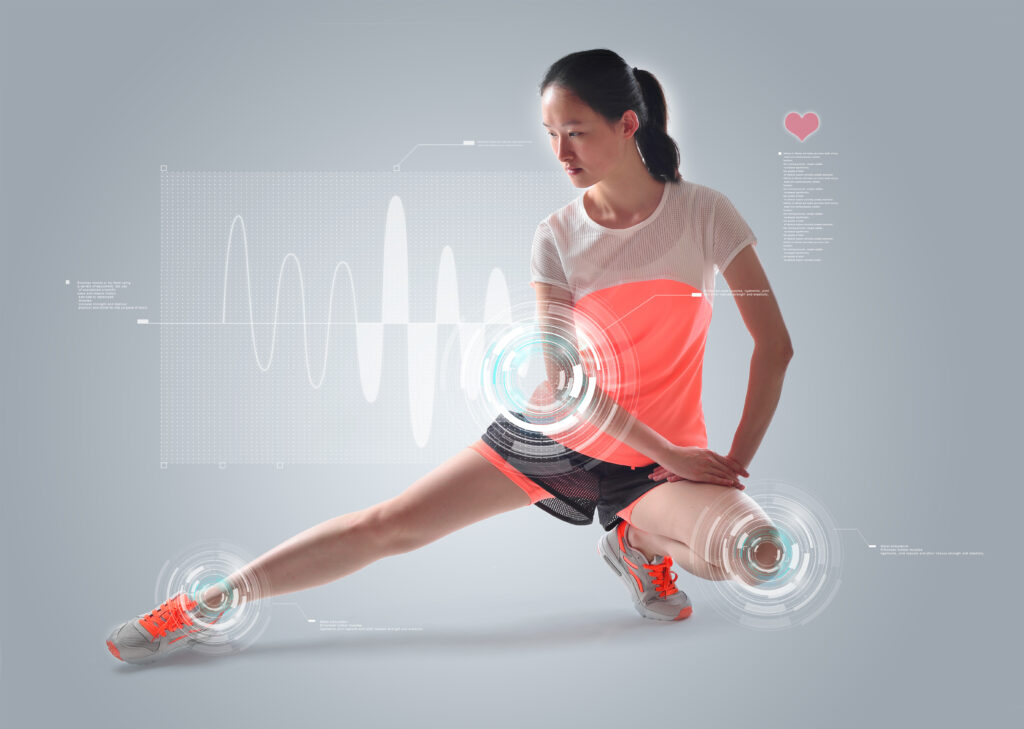
exercise physiology

Exercise Physiologist Certification Process

There are two main organizations that offer certification for exercise physiologists. These include ASEP (American Society of Exercise Physiologists) and the American College of Sports Medicine (ACSM). Each organization has specific eligibility requirements and examination formats.

The ACSM offers the Certified Exercise Physiologist (CEP) certification, which is designed for individuals who work in clinical settings. To be eligible for this certification, candidates must have a Bachelor’s degree in a related field, completed specific coursework, and have 600 hours of professional experience. The exam consists of 125 multiple-choice questions and is administered over a three-hour period.

Continuing education requirements for maintaining certification

To maintain certification, exercise physiologists are required to complete continuing education units (CEUs) to keep up with the latest research, techniques, and industry standards. The number of CEUs required varies depending on the certifying organization, but typically, exercise physiologists must complete between 20 and 30 CEUs every two to three years. CEUs can be obtained by attending conferences, completing online courses, or publishing research.

Career Opportunities

Where do exercise physiologists work? Exercise physiologists are employed in a variety of environments, including hospitals, clinics, fitness centers, universities, and research labs. The demand for exercise physiologists is growing as more people seek to improve their health and well-being. According to the Bureau of Labor Statistics, the employment of exercise physiologists is projected to grow 11 percent from 2020 to 2030, which is faster than the average for all occupations.

In hospitals and clinics, exercise physiologists work with patients who have chronic conditions such as heart disease, pulmonary disease, and diabetes. They develop exercise programs to help manage these conditions, improve patients’ quality of life, and reduce the risk of complications.

In fitness centers and universities, exercise physiologists work with athletes, fitness enthusiasts, and individuals who are looking to improve their overall health and well-being. They design exercise programs that meet the unique needs and goals of each client, monitor their progress, and adjust the program as needed.

The profession offers steady demand and rewarding opportunities. Searching for “Exercise Physiologist jobs near me” online often reveals openings across healthcare facilities, sports organizations, and academic institutions.

Average salary and job outlook

The average salary for exercise physiologists varies depending on the setting in which they work. According to the Bureau of Labor Statistics, the median annual wage for exercise physiologists was $50,280 in May 2020. The highest-paid exercise physiologists worked in research and development, with a median annual wage of $72,680. The lowest-paid exercise physiologists worked in fitness and recreational sports centers, with a median annual wage of $43,020.

In hospitals and clinics, the Clinical Exercise Physiologist salary is often higher than in recreational fitness settings, reflecting the specialized knowledge required to manage complex health conditions.

The job outlook for exercise physiologists is positive, with job growth projected to be faster than the average for all occupations. As more people seek to improve their health and well-being, the demand for exercise physiologists is likely to continue to grow.

Steps to Become an Exercise Physiologist

  1. Complete a Bachelor’s degree in exercise science, kinesiology, or related field.

  2. Gain practical experience through internships, labs, or volunteer programs.

  3. Choose a certification pathway (ACSM or ASEP).

  4. Complete required clinical or practical hours.

  5. Pass the certification exam.

  6. Maintain certification with continuing education.

  7. Explore career paths in clinical, research, fitness, or educational settings.

Conclusion

Becoming a certified exercise physiologist is a rewarding career path that allows individuals to help others improve their health and well-being. To become certified, individuals must have a Bachelor’s degree in a related field, complete specific coursework, and pass an examination. Continuing education is also required to maintain certification. Exercise physiologists work in a variety of settings and have a positive job outlook, with job growth projected to be faster than the average for all occupations. If you have a passion for exercise, health, and helping others, a career as an exercise physiologist may be right for you.

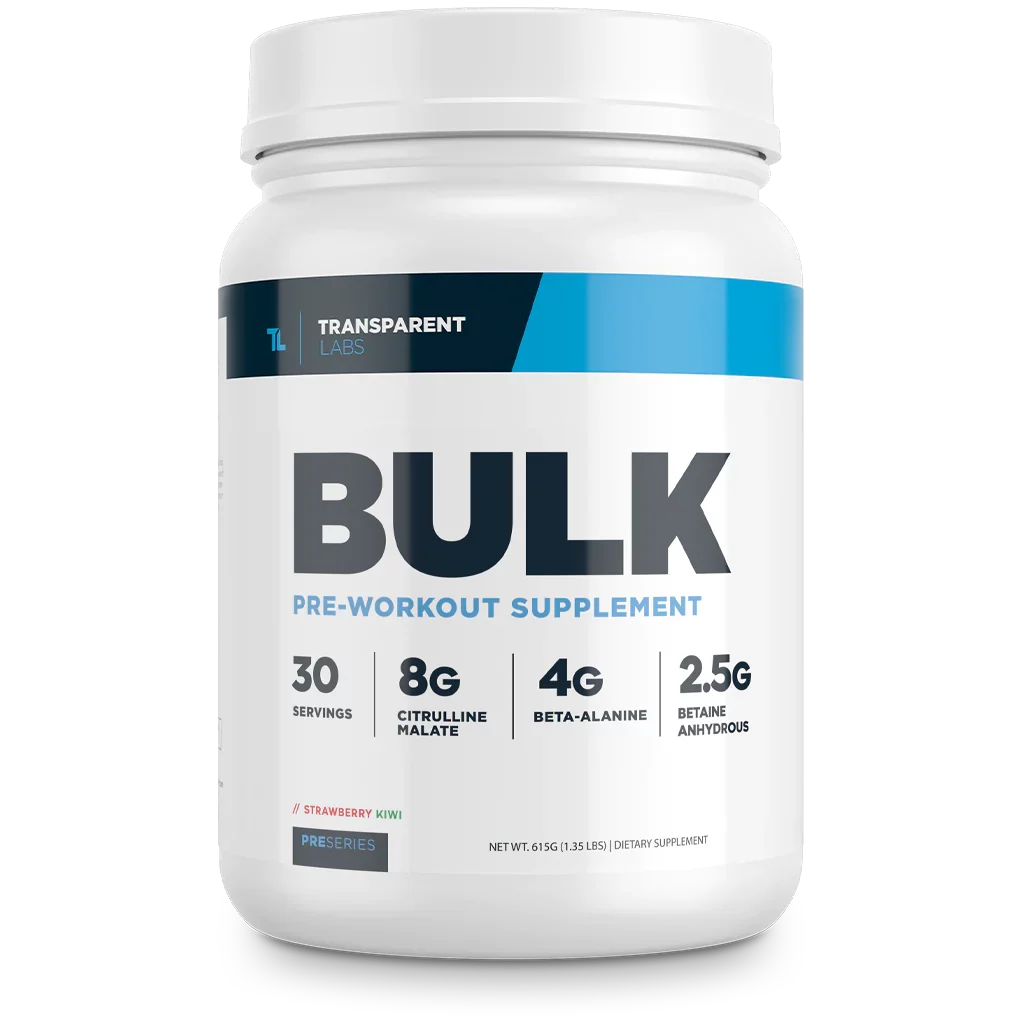
Table of Contents

Best Nitric Oxide Supplements

Best Nitric Oxide Supplements

Table of Contents

Nitric oxide (N.O.) is a vital molecule produced by our body, and it plays a crucial role in maintaining good health. It helps in relaxing blood vessels, regulating blood pressure, and improving circulation. Low levels of nitric oxide can lead to various health issues, including high blood pressure, cardiovascular disease, and erectile dysfunction.

If you’re interested in enhancing your athletic performance, you may have heard about nitric oxide supplements. While these supplements don’t actually contain N.O., they do include compounds like l-arginine and l-citrulline that can boost the body’s production of this important molecule. 

While the research on the effects of increased N.O. levels on athletic performance s ongoing and not conclusive, there is some evidence to suggest that it may be helpful for high-intensity interval training (HIIT) and prolonged aerobic activity. 

Some athletes also use N.O. supplements for the “pump” and vascularity they feel during workouts.  This is where many look for the best nitric oxide supplements for working out to maximize endurance and performance benefits.

Why We Know What We’re Talking About

To help you navigate the world of N.O. supplements, we’ve tested and compiled a list of some of the best nitric oxide supplements on the market, taking into account ingredients, reputable brands, and the latest research. 

But why trust us? As certified personal trainers, we have extensive knowledge and experience in the field of fitness and nutrition. We understand the importance of using safe and effective supplements to support our clients’ health and fitness goals. Note that it’s always best to consult your physician before taking any new supplements, as many can interact with current medication or cause adverse effects if you have certain health conditions. 

When it comes to ranking the best nitric oxide supplements, we rely on our expertise and research to provide reliable recommendations. We take into consideration factors such as ingredient quality, dosage, and customer feedback to ensure that we are providing accurate and trustworthy information. Our goal is to help you make informed decisions for yourselves and for your clients about their supplement choices, and we take pride in being a reliable source of information in this area.

Transparent Labs Citrulline Powder

Here is a quick summary of our findings:

  • Best Pre-Workout Nitric Oxide: Transparent Labs Bulk Pre-Workout supplement
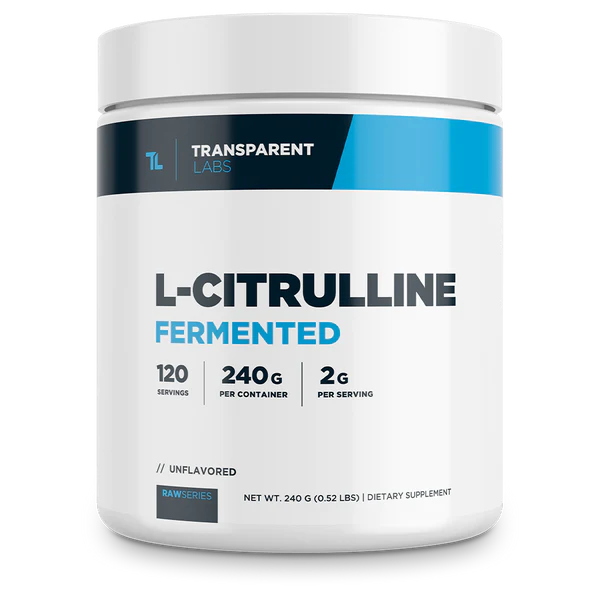
  • Best Nitric Oxide Supplement For Vascularity: Transparent Labs Citrulline powder
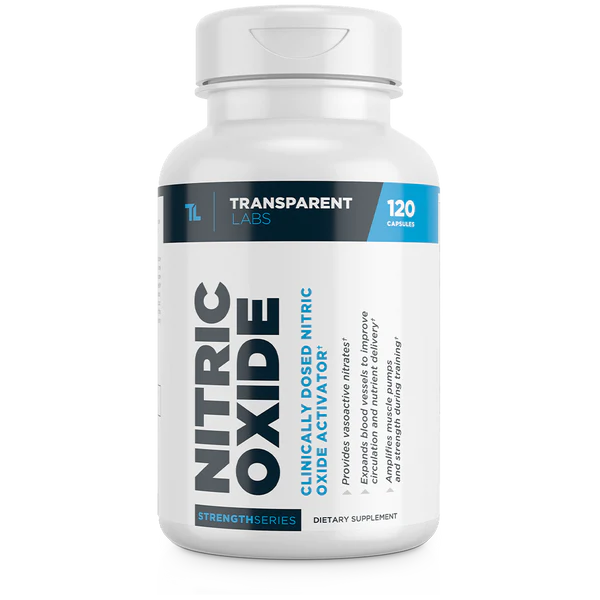
  • Best Nitric Oxide Supplement For Bodybuilding: Transparent Labs Nitric Oxide Capsules
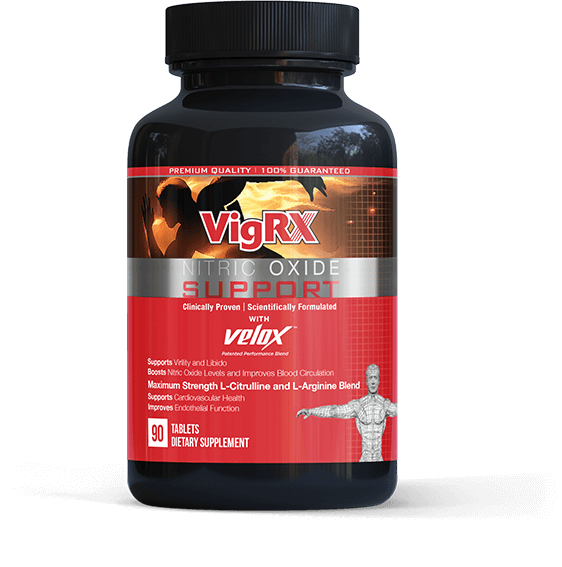
  • Best Nitric Oxide Supplement For ED: VigRX N.O. Support

For athletes focused on strength and hypertrophy, some products stand out as the best nitric oxide supplements for muscle growth because of their targeted ingredient profiles and dosing.

Best pre-workout nitric oxide

Transparent Labs Bulk Pre-Workout Supplement

PRICE

Rated 5 out of 5

QUALITY

Rated 5 out of 5

FLAVORS

Rated 5 out of 5

OVERALL

Rated 5 out of 5

Pros

Cons

BULKSTRAWBERRYKIW_424a88ac-9c4e-43a7-b999-bf737e4b936b

Ingredients

Citrulline Malate 

Beta-Alanine

BetaPure™ Betaine Anhydrous

Taurine 

L-Tyrosine 

AlphaSize® Alpha-GPC

PurCaf® Organic Caffeine

L-Theanine

Theobromine 

SenActiv®

BioPerine® Black Pepper Fruit Extract

With a scientifically-backed blend of ingredients, fully transparent labeling, and no artificial additives, this powder is the perfect choice for anyone looking to improve their strength, energy, and focus in the gym. Plus, with its proven ability to enhance muscle pumps, stamina, and lean muscle growth, BULK is the ultimate pre-workout supplement for serious athletes and fitness enthusiasts alike.

From my personal experience, the supplement helped me feel more energized and focused during workouts, allowing me to push harder and achieve better results. The supplement also has a good taste and mixes well with water or other liquids. While some customers feel that the supplement is too expensive compared to other pre-workout products on the market, I found the price well worth it.

Best nitric oxide supplement for vascularity

PRICE

Rated 5 out of 5

QUALITY

Rated 5 out of 5

FLAVORS

Rated 4.5 out of 5

OVERALL

Rated 4.5 out of 5

Pros

Cons

L-CITRULLINEFINALVIEW1-3_800x600

Ingredients

L-Citrulline

Transparent Labs Citrulline powder is made with high-quality ingredients and is designed to be easily absorbed by the body. It is a popular choice among athletes and fitness enthusiasts looking to enhance their workouts and improve their overall performance.

I recently tried Transparent Labs Citrulline powder, and I have to say I was impressed. Each scoop contains a whopping 2,000 mg of fermented L-citrulline, which can do wonders for increasing blood flow, muscle pumps, and recovery.

What’s great about L-citrulline is that it’s an amino acid that is easy for the body to absorb and convert into L-arginine, one of the building blocks of nitric oxide. This is why it’s become so popular in recent years as a top nitric oxide booster.

One of the things I found interesting about L-citrulline is that it was first isolated from the rind of watermelon, which is where it gets its name. And while the kidneys can store large amounts of citrulline but not arginine, citrulline is considered to be the most important endogenous regulator of nitric oxide production.

Best nitric oxide supplement for bodybuilding

Transparent Labs Nitric Oxide Capsules

PRICE

Rated 5 out of 5

QUALITY

Rated 4.5 out of 5

FLAVORS

Rated 3.5 out of 5

OVERALL

Rated 4 out of 5

Pros

Cons

NITRICOXIDEFINALVIEWNEW_800x600

Ingredients

NO3-T® Arginine Nitrate and Betaine Nitrate 

Setria® L-Glutathione 

Pine Bark Extract 

Vitamin C 

AstraGin™

The TL Labs formula contains clinical doses of several hyperemic ingredients, including patented NO3- T® arginine nitrate and betaine nitrate, Setria® reduced L-glutathione, AstraGin™, pine bark proanthocyanidins, and vitamin C.

What I found most impressive was how quickly these ingredients went to work, bolstering my body’s nitric oxide production and facilitating robust blood flow to my skeletal muscle tissue during my workouts. This ultimately led to better performance and faster recovery times.

I particularly appreciated the inclusion of Setria® reduced L-glutathione, which is known for its antioxidant properties and ability to support immune health. And with pine bark proanthocyanidins and vitamin C added to the mix, I felt confident that I was getting a comprehensive blend of ingredients that could support my overall health and fitness.

Best nitric oxide supplement for ED

PRICE

Rated 5 out of 5

QUALITY

Rated 4 out of 5

FLAVORS

Rated 3.5 out of 5

OVERALL

Rated 4 out of 5

Pros

Cons

vigrx-nitric-oxide-bottle

Ingredients

Velox (L-Citrulline, L-Arginine)

Gelatin

Magnesium Stearate

Silica

VigRX N.O. Support is a formula that contains a powerful, patented extract of L-Citrulline and L-Arginine in the maximum safe dose, providing you with the benefits of both amino acids. By taking VigRX N.O. Support regularly, you can likely improve blood flow to the penis, aiding with a symptom of ED.

The supplement was highly effective at increasing nitric oxide levels, which can lead to improved blood flow and better oxygen delivery to the muscles. I especially appreciated that the supplement is made with high-quality ingredients and is free from unnecessary fillers or additives. I also felt a vast mprovements in overall energy levels and recovery times when using the product.

Nitric Oxide Supplements and ED

Studies have shown that the combination of L-Citrulline and L-Arginine significantly improves blood flow and can enhance erectile function. In fact, research suggests that supplementing with just L-Arginine alone may be nearly useless, while the combination of both ingredients has been found to be highly effective.

Numerous studies have been conducted on the effectiveness of L-Citrulline and L-Arginine for improving blood flow and erectile function. One study published in the Journal of Sexual Medicine found that a combination of L-Citrulline and L-Arginine significantly improved erectile function in men with mild to moderate erectile dysfunction. This supports the important connection between nitric oxide and improved nitric oxide erection responses.

Another study, published in the International Journal of Cardiology, found that combining L-Citrulline and L-Arginine improved blood flow and reduced blood pressure in healthy men. This study also found that the effects of the supplement were seen within just eight days.

Nitric oxide supplements for high blood pressure

As fitness professionals, we tend to stay in our lane in terms of supplement recommendations and as such won’t make a recommendation related to medical conditions such as high blood pressure. While we know many people take nitric oxide supplements for high blood pressure, it is generally under the care of their physician.

According to MayoClinic, here’s a summary of what they advise.

L-arginine supplements are sometimes taken by individuals to relax and widen their arteries, potentially helping to reduce blood pressure. However, these supplements are generally unnecessary and may only be beneficial for individuals who have a genuine deficiency.

Research on L-arginine has produced conflicting results. Recent studies suggest that L-arginine may decrease blood pressure, improve cholesterol levels, and improve the overall health of blood vessels. A review of multiple studies revealed that adults with high blood pressure who took daily L-arginine supplements experienced a reduction in their diastolic blood pressure.

L-arginine may work more effectively in promoting heart health when used in conjunction with other vitamins, such as B6 and B12. However, more extensive and well-designed studies are required to confirm these results before experts can endorse regular use of these supplements.

L-arginine drug interactions

It is essential to be aware that L-arginine supplements can interact with certain medications, including blood thinners like aspirin and warfarin, specific diuretics, nitroglycerin, some high blood pressure medications, erectile dysfunction drugs, and diabetes medications.

Individuals who have experienced a heart attack should avoid taking L-arginine, as there are concerns that the supplement may increase the risk of death. Additionally, those with allergies and asthma should exercise caution when using L-arginine supplements.

Individuals who have experienced cold sores or genital herpes should not take L-arginine supplements, as excessive L-arginine levels may activate the virus responsible for these conditions.

Again, if you have high blood pressure and are interested in nitric oxide supplementation, consult with your healthcare provider.

Understanding the Role of Citrulline and Arginine in the Body

Here’s a brief primer on pre-workout supplements and nitric oxide supplementation and why we recommend a product that has high levels of citrulline, a key ingredient in in improving nitric oxide synthesis

These days, it can be challenging to differentiate between pre-workout powders and nitric oxide supplements, as they all appear to be identical. To verify this, you can simply walk into your local supplement store and browse through the pre-workout section, and you’ll quickly discover that every product has only minor variations in their components.

Many pre-workouts are “concentrated” formulas that deliver a small rush of “pseudo-energy” through the use of harsh stimulants. It’s no wonder that people feel like they “work.” (You might as well drink a pot of coffee before hitting the gym, which is more cost-effective and has similar effects.)


The issue with stimulant-heavy pre-workout formulas is that anything that stimulates the nervous system will constrict blood vessels, increase blood pressure, and counteract nitric oxide production. It’s acceptable to consume caffeine in moderation before working out, but consuming large quantities of stimulants will inevitably reduce the benefits of nitric oxide supplements.

L-Citrulline is a non-essential amino acid that is naturally found in watermelon, among other foods. It is also commonly used as a dietary supplement, particularly for its potential benefits as a nitric oxide supplement.

Nitric oxide is a gas that is naturally produced in the body and is involved in many physiological processes. One of its main roles is to dilate blood vessels, which helps to increase blood flow and oxygen delivery to the body’s tissues. This increased blood flow can improve exercise performance, reduce muscle soreness, and improve overall cardiovascular health.


L-Citrulline is converted in the body into another amino acid called L-arginine, which is a precursor to nitric oxide production. By increasing the availability of L-arginine, L-Citrulline can help to increase nitric oxide production and promote blood vessel dilation.

In addition to its potential benefits for cardiovascular and exercise performance, L-Citrulline may also have other health benefits. It has been studied for its potential role in improving erectile dysfunction and reducing symptoms of mild-to-moderate hypertension.

How to increase nitric oxide naturally

There are many ways to increase nitric oxide naturally, and below, we’ll explore some of the most effective ways.

Eat Nitrate-Rich Foods:
One of the best ways to increase nitric oxide is by consuming nitrate-rich foods, such as leafy greens, beets, and celery. Nitrate is converted to nitric oxide in our body, which helps in relaxing blood vessels and improving blood flow. You can add these foods to your diet by incorporating them into your smoothies or salads. These are often referred to as nitric oxide foods because of their ability to naturally raise N.O. levels.

Exercise Regularly
Regular exercise is not only good for your overall health but also helps in increasing nitric oxide levels in the body. Exercise stimulates the production of nitric oxide synthase, an enzyme responsible for producing nitric oxide in the body. So, make sure to include regular physical activity in your routine, whether it’s through cardiovascular exercises or strength training.

Get Enough Sleep
Getting adequate sleep is essential for maintaining good health, and it can also help in increasing nitric oxide levels. During sleep, our body produces nitric oxide, which helps in regulating blood pressure and improving circulation. So, make sure to get at least 7-8 hours of sleep every night.

Reduce Stress
Stress can have a negative impact on our health and can also lower nitric oxide levels in the body. When we’re stressed, our body releases cortisol, which can damage blood vessels and decrease nitric oxide production. You can reduce stress by practicing relaxation techniques, such as meditation, deep breathing, or yoga.

Increase Vitamin C Intake
Vitamin C is an essential nutrient that helps in increasing nitric oxide levels in the body. It works by protecting nitric oxide from free radical damage, which can decrease its availability in the body. You can increase your vitamin C intake by consuming foods like oranges, strawberries, bell peppers, and kiwi.

Consume Garlic
Garlic is known for its numerous health benefits, and it can also help in increasing nitric oxide levels in the body. It contains a compound called allicin, which helps in relaxing blood vessels and improving blood flow. You can consume garlic raw or cooked, or take a garlic supplement.

Increase Antioxidant Intake
Antioxidants are compounds that protect our body from free radical damage, which can decrease nitric oxide levels in the body. You can increase your antioxidant intake by consuming foods like berries, dark chocolate, and green tea.

Consume L-Arginine
L-arginine is an amino acid that helps in increasing nitric oxide levels in the body. It works by stimulating the production of nitric oxide synthase, the enzyme responsible for producing nitric oxide in the body. You can consume L-arginine through foods like turkey, chicken, pumpkin seeds, and peanuts, or take an L-arginine supplement.

Reduce Alcohol Consumption
Alcohol consumption can have a negative impact on our health and can also lower nitric oxide levels in the body. It can damage blood vessels and decrease nitric oxide production. So, it’s important to limit your alcohol consumption to maintain good health.

Benefits of Nitric Oxide Supplements

According to the study, Dietary nitrate supplementation improves team sport-specific intense intermittent exercise performance, the research indicates that taking N.O. supplements could increase the production of N.O. through the nitrate-nitrite-NO pathway. This, in turn, may improve performance on intermittent recovery, possibly by enhancing the uptake of glucose in muscles or by better preserving muscle excitability. Using N.O. supplements in one’s diet could benefit those who engage in intense intermittent exercise, particularly for players of team sports. It may serve as an effective aid to enhance performance.

Another study on walking, running, and high-intensity cycling showed similar results, with the conclusion that supplementation attributed to increased blood flow levels and improved physiological responses to exercise.

In another study, the results were less conclusive when analyzing performance enhancements from untrained versus highly-trained subjects. The level of training of the participants appears to be a significant factor in the relationship between the use of N.O. supplementation and its ergogenic effects. Research involving healthy individuals who are either untrained or have moderate levels of training demonstrated that N.O. supplements may enhance their capacity for both aerobic and anaerobic exercise. However, in the case of highly trained individuals who were given N.O. supplements, no positive impact on performance was observed.

Frequently Asked Questions

Nitric oxide itself will not make you bigger in terms of muscle size. However, nitric oxide supplements, such as arginine, may increase blood flow and oxygen delivery to the muscles, which can improve performance and potentially lead to increased muscle growth when combined with resistance training.

Nitric oxide supplements, such as arginine, can be taken in several different ways. The most common methods include:

  • Capsules or tablets: Nitric oxide supplements are available in capsule or tablet form, which are taken orally with water. Follow the manufacturer’s instructions for dosage and timing.
  • Powder: Nitric oxide supplements are also available in powder form, which can be mixed with water or other beverages. Again, follow the manufacturer’s instructions for dosage and timing.
  • Pre-workout supplements: Many pre-workout supplements contain nitric oxide as one of their active ingredients. These supplements are usually taken 20-30 minutes before a workout to enhance performance.
  • Food sources: Some foods, such as beets and spinach, are naturally high in nitrates, which can be converted to nitric oxide in the body. Adding these foods to your diet can potentially increase nitric oxide levels.

It’s not easy to determine if your nitric oxide levels are low without undergoing specific tests. However, there are some signs and symptoms that may suggest that your nitric oxide levels are suboptimal. These include:

  • High blood pressure: Nitric oxide helps to relax and widen blood vessels, which can help to lower blood pressure. If your blood pressure is consistently high, it may be a sign that your nitric oxide levels are low.
  • Poor circulation: Nitric oxide plays an important role in promoting blood flow and oxygen delivery to the muscles and other tissues. If you experience cold hands and feet or have trouble with circulation, it may be a sign that your nitric oxide levels are low.
  • Fatigue and poor endurance: Nitric oxide is involved in the regulation of energy metabolism and may play a role in reducing fatigue and improving endurance during exercise. If you experience excessive fatigue or have trouble with endurance during physical activity, it may be a sign that your nitric oxide levels are low.
  • Erectile dysfunction: Nitric oxide plays a crucial role in promoting blood flow to the penis and maintaining an erection. If you experience difficulties with erectile function, it may be a sign that your nitric oxide levels are low.

If you suspect that you may have low nitric oxide levels, it’s important to speak with a healthcare professional. They can help to assess your nitric oxide status and determine the best course of action.

The timing of nitric oxide supplements may vary depending on the specific supplement and individual factors. Here are some general guidelines:

  • Pre-workout: Many people take nitric oxide supplements before a workout to enhance performance. It’s usually recommended to take the supplement 20-30 minutes before exercise to allow time for it to take effect.
  • Daily use: Some nitric oxide supplements may be taken daily as part of a general health and wellness regimen. In this case, it’s usually recommended to take the supplement with a meal to enhance absorption.

Before bed: Some research suggests that taking nitric oxide supplements before bed may help to enhance recovery and promote muscle growth. However, more research is needed in this area to determine the optimal timing and dosing.

Sleep To Earn Crypto? Here’s How To Get Rewarded For Good Rest!

sleep-to-earn-crypto

Sleep-to-Earn Crypto: The Complete 2026 Guide to Getting Rewarded for Quality Rest

We’ve told you about move-to-earn games, but what about sleep-to-earn? Yes, it’s a thing. And you can actually earn cryptocurrency just for getting a good night’s rest.

In this blog, we’ll dive right into what sleep-to-earn is, how it works, and the apps you can use to sleep-to-earn cryptocurrency. But if you need a briefing on what cryptocurrencies, play-to-earn blockchain games, and NFTs are, you can scroll to the bottom to learn more.

Top Sleep-To-Earn Crypto Apps:

image3
circles@2x-1
cross-1

What Is Sleep-to-Earn? Understanding the Basics of the Sleep-Fi Movement

Sleep-to-earn is a subset of the broader “X-to-earn” cryptocurrency trend, in which users receive digital token rewards for performing specific real-world behaviors that are tracked and verified through app-based sensors and wearable devices. In the sleep-to-earn model, the behavior being rewarded is achieving consistent, high-quality nighttime rest typically measured through sleep duration, sleep stages (light, deep, and REM cycles), heart rate variability, breathing patterns, and movement data.

The term “Sleep-Fi” a portmanteau of sleep and decentralized finance (DeFi) has emerged as the specific label for this niche. Sleep-Fi platforms operate on the premise that healthy sleep is not just a personal benefit; it is a productive, valuable activity that contributes to an individual’s cognitive performance, physical health, and economic output. By monetizing the act of sleeping well, these platforms create a financial incentive for users to make sleep a genuine priority something that, frankly, modern society has neglected at a massive scale.

According to the Centers for Disease Control and Prevention (CDC), more than one-third of American adults do not get the recommended minimum of seven hours of sleep per night. The global cost of sleep deprivation in terms of lost productivity, healthcare expenses, and cognitive impairment runs into hundreds of billions of dollars annually. Sleep-to-earn apps are essentially flipping this narrative. Instead of treating poor sleep as an expensive problem, they make good sleep a profitable opportunity.

The mechanics vary by platform, but the fundamental structure is consistent: you download the app, connect it to your smartphone’s built-in sensors or a compatible wearable device, and let it track your sleep throughout the night. When you wake up, the app analyzes your sleep data and mints or distributes token rewards based on your sleep quality score. These tokens can then be held as a speculative digital asset, traded for other cryptocurrencies on decentralized exchanges, used within the app’s internal economy (such as upgrading NFT items), or in some cases converted into fiat currency like US dollars.

How Does Sleep-to-Earn Crypto Work? A Step-by-Step Technical Breakdown

Understanding how sleep-to-earn platforms function requires a basic familiarity with several interconnected Web3 concepts: blockchain technology, non-fungible tokens (NFTs), native utility tokens, and governance tokens. Do not be intimidated by the terminology the actual user experience is simpler than it sounds, and we will explain each element clearly.

Step 1 — Download the App and Create a Crypto Wallet

The first step is to download your chosen sleep-to-earn application from the App Store or Google Play. Once installed, you will be prompted to create or connect a compatible cryptocurrency wallet. A crypto wallet is a digital tool that stores your private keys and enables you to send, receive, and hold blockchain-based assets. Most sleep-to-earn apps support popular non-custodial wallets like MetaMask or Trust Wallet. If you are new to crypto, creating a MetaMask wallet is free, takes about five minutes, and requires no prior blockchain knowledge. You will be given a “seed phrase” a series of 12 to 24 randomly generated words that acts as the master key to your wallet. Write this phrase down and store it somewhere secure offline; it cannot be recovered if lost.

Step 2 — Purchase an NFT Sleep Item

Most sleep-to-earn platforms require users to own a specific NFT (non-fungible token) in order to begin earning rewards. This NFT typically takes the form of a themed in-game item for example, a virtual bed in the case of SleeFi, or a character avatar in MetaGym. NFTs are unique digital assets stored on a blockchain, meaning each one is verifiably one-of-a-kind and cannot be duplicated. Your NFT acts as your “earning license” within the platform’s ecosystem. The quality, rarity, and level of your NFT directly affects how many tokens you can earn per sleep session. Higher-level NFTs unlock greater earning potential, which provides an in-game incentive to reinvest your earnings into upgrading your assets. You can purchase these NFTs using the platform’s required cryptocurrency often a blockchain network token like Avalanche (AVAX) or Binance Coin (BNB) through the app’s built-in marketplace.

Step 3 — Track Your Sleep and Earn Tokens

Once your wallet is funded and your NFT is in place, you are ready to start earning. Before going to sleep, you activate sleep-tracking mode in the app. The platform then uses your smartphone’s accelerometer, microphone, and in some cases connectivity to third-party wearables (like a Fitbit or Apple Watch), to monitor your sleep throughout the night. The app records metrics including total sleep duration, time spent in each sleep stage, sleep consistency over time, and disturbances or awakenings. When you wake up and open the app, your data is processed and you receive a sleep quality score. Based on this score and the attributes of your NFT you are rewarded with a specific number of the platform’s native utility tokens. Most platforms allow one earning session per 24-hour period, preventing users from gaming the system by “sleeping” multiple times in a day.

The Health Science Behind Sleep-to-Earn: Why Quality Sleep Is a Fitness Priority

As a certified personal trainer and kinesiology professional, I want to make something crystal clear: the health benefits of adequate sleep are not a marketing gimmick used by these platforms. The science is robust, well-established, and has profound implications for anyone pursuing fitness, weight management, athletic performance, or general wellness goals. Sleep-to-earn apps are not just clever financial products they are, intentionally or not, powerful public health interventions.

During deep non-REM sleep, the human body releases the majority of its daily growth hormone output. Growth hormone is critical for muscle protein synthesis, fat metabolism, tissue repair, and immune function. If you are training hard in the gym but sleeping only five or six hours per night, you are actively undermining your recovery and limiting your gains. Research published in the Annals of Internal Medicine demonstrated that sleep restriction during a caloric deficit significantly reduces the proportion of weight lost from fat, while increasing muscle loss essentially the opposite of what any fitness-focused individual wants.

Beyond body composition, sleep deprivation has been shown to elevate cortisol levels, increase inflammatory markers, impair glucose regulation (raising type 2 diabetes risk), disrupt appetite-regulating hormones like leptin and ghrelin (which drives overeating and cravings for high-calorie foods), and dramatically reduce cognitive function and reaction time. For athletes and active individuals, even one night of poor sleep has been shown to reduce strength output by up to 10 percent and aerobic capacity by a measurable margin.

Sleep-to-earn platforms essentially give users a financial reason to treat sleep with the same discipline they would apply to diet and exercise programming. In my two decades of training clients across Los Angeles and beyond, I have seen countless people who meticulously track their macros and never miss a workout, yet routinely sacrifice sleep for screen time, social obligations, or work. The gamification and financial incentive model of sleep-to-earn apps addresses this behavioral gap directly and that is genuinely exciting from a public health standpoint.

What Are the Benefits of Sleep-to-Earn Crypto Apps?

There are several great sleep-to-earn apps out there, but here are our top three picks:

MetaGym (MGCN)


image2

MetaGym is a move-to-earn app with Sleep-fi features. Sleep-fi is a term that combines the words sleep and finance as a way to optimize sleeping behaviors.

To start, you choose an avatar with specific traits that match what you’re looking to do.

Then, you can select the mode of play you’d like to earn based on (in this case, sleep).

Getting adequate sleep, combined with other modalities can create earnings of up to 100 $MGCN per day. You can track your earnings, share your progress, and then use these crypto earnings to progress your avatar or exchange for USD Coin (digital dollars)


SleeFi (SLFT)

SleeFi is another Web3 lifestyle app that uses the sleep-to-earn module, but won’t officially launch until September 2022. Boasting a great way to help people who suffer from insomnia, the app has both native crypto and a governance token.

Once it launches, to get started with SleeFi, you’ll download and sign up, create a wallet, transfer Avalanche (AVAX), purchase a bed NFT, and start earning.

The basis of SleeFi is similar to MetaGym, where you’ll earn based on a good night’s sleep. Once you log a rest (only once per day), your coins are added based on sleep quality and duration.

You can use the earnings to increase the level of the bed NFT and mint new NFTs. The higher the level of your bed NFT, the more rewards you have the ability to potentially make.


Sleep Future (SLEEPEE)

Toted as the world’s first blockchain wellness app to help with sleep quality, the Sleepee app brings you $SLEEPEE cryptocurrency just by getting a good night of sleep.

In the app, you’ll get a sleep score after your daily sleep is monitored by cutting-edge technology. Based on your score, you’ll earn tokens that can be converted to buy products or services in their SleepStore.

The Best Sleep-to-Earn Crypto Apps: An In-Depth Review

image1

The sleep-to-earn landscape is still relatively young, and the platforms in this space continue to evolve rapidly. Below is a detailed breakdown of the three most established and widely discussed sleep-to-earn applications, including how each one works, what makes it unique, and what prospective users should know before investing.

MetaGym (MGCN) — The All-in-One Move-to-Earn and Sleep-Fi Platform

MetaGym is one of the most comprehensive wellness-to-earn platforms currently available, and it stands out from the competition by integrating both move-to-earn and sleep-to-earn mechanics within a single gamified ecosystem. The platform’s native token is $MGCN, and the app is built around the concept of a customizable fitness avatar that users level up through real-world health behaviors including walking, running, workouts, and sleep.

To get started with MetaGym, you select an avatar with specific traits and attributes that correspond to the activities you want to focus on. If sleep-to-earn is your primary interest, you configure your avatar around the Sleep-Fi module. Consistent, quality sleep measured through the app’s tracking system can generate earnings of up to 100 $MGCN tokens per day, though actual daily earnings depend on your avatar’s level, your sleep quality score, and current in-app conditions. The $MGCN tokens can be used to upgrade your avatar’s abilities, purchase in-game items, and progress through the platform’s gamified achievement system. Alternatively, they can be exchanged for USD Coin (USDC), which is a stablecoin pegged to the US dollar, providing a direct pathway to liquid fiat-equivalent value.

What makes MetaGym particularly compelling from a fitness professional’s perspective is its holistic approach to wellness incentivization. Rather than rewarding isolated behaviors in silos, MetaGym encourages users to think about their health comprehensively connecting the dots between daytime physical activity and nighttime recovery. This reflects an evidence-based understanding of fitness: exercise and sleep are not independent variables; they are deeply interconnected components of a healthy lifestyle. Regular moderate-to-vigorous physical activity is one of the most effective evidence-based interventions for improving sleep quality, and MetaGym’s dual-incentive structure encourages both simultaneously.

SleeFi (SLFT) — The Dedicated Sleep-Fi Platform Built for Insomnia Sufferers

SleeFi is a Web3 lifestyle application specifically designed around the sleep-to-earn model, and it is notable for its explicit focus on helping individuals who struggle with sleep disorders, particularly insomnia. The platform operates on the Avalanche (AVAX) blockchain a high-speed, low-fee network that has become popular for gaming and lifestyle applications within the Web3 space — and features both a native utility token ($SLFT) and a separate governance token that gives holders voting rights on the platform’s future development.

The central NFT item in SleeFi’s ecosystem is a virtual bed. To begin earning, users must purchase a bed NFT from the platform’s marketplace using AVAX cryptocurrency. Each bed NFT has a set of attributes including comfort level, quality, and durability that determine the maximum and minimum tokens the user can earn per sleep session. Beds can be leveled up using $SLFT tokens earned through sleeping, and users can also “mint” new bed NFTs by combining two existing beds, creating additional digital assets that can be sold or used to expand their earning portfolio.

SleeFi allows one earning session per 24-hour period. Once you log your sleep (your smartphone tracks the session through the app), your tokens are calculated and distributed based on sleep quality and duration. The gamified progression system where better sleep leads to more earnings, which fund NFT upgrades, which unlock even greater earnings creates a powerful positive feedback loop that encourages users to maintain consistent sleep schedules and good sleep hygiene practices. For fitness professionals and health coaches, the SleeFi model offers an interesting parallel to progressive overload in training: just as incremental increases in training stimulus lead to performance improvements over time, incremental investments in sleep quality lead to compounding wellness and financial benefits.

Sleep Future (SLEEPEE) — The World’s First Blockchain Wellness App for Sleep Quality

Sleep Future, and its associated $SLEEPEE token, is marketed as the world’s first blockchain-based wellness application specifically dedicated to improving sleep quality. While MetaGym and SleeFi emphasize the earning mechanics, Sleep Future places a stronger emphasis on the clinical and wellness dimensions of sleep improvement positioning the app as much as a sleep health tool as it is a crypto earning platform.

The Sleepee app uses what it describes as cutting-edge biometric monitoring technology to assess each night’s sleep and generate a personalized sleep score. This score accounts for multiple variables including total sleep time, sleep efficiency (the percentage of time in bed that is actually spent asleep), time spent in restorative deep sleep and REM stages, consistency of sleep and wake times, and the presence of sleep disturbances. Based on this holistic assessment, users receive $SLEEPEE tokens proportional to their sleep quality score.

What distinguishes the Sleep Future ecosystem is the SleepStore an in-app marketplace where earned $SLEEPEE tokens can be redeemed for real-world sleep and wellness products and services, including premium supplements, sleep accessories, smart home products, and partnerships with wellness brands. This creates a closed-loop ecosystem where users are literally paid in currency that can be used to further optimize their sleep environment, reinforcing the behavioral goals of the platform in a highly tangible way. For users who are new to cryptocurrency and cautious about navigating crypto exchanges, the SleepStore’s product redemption model offers a more accessible and intuitive value proposition than pure crypto speculation.

Essential Crypto Terminology for Sleep-to-Earn Beginners

If you are new to the world of cryptocurrency and blockchain technology, the terminology associated with sleep-to-earn apps can feel like learning a foreign language. Below is a clear, jargon-free explanation of the key concepts you need to understand before diving in.

What Is Cryptocurrency?

Cryptocurrency is a form of digital or virtual currency that is secured through cryptography a method of encoding information that makes it virtually impossible to counterfeit or double-spend. Unlike traditional fiat currencies (such as the US dollar or the euro), cryptocurrencies operate on decentralized networks called blockchains, meaning they are not controlled or issued by any central authority such as a government, central bank, or financial institution. The first and most recognized cryptocurrency, Bitcoin (BTC), was created in 2009. Since then, thousands of alternative cryptocurrencies often called “altcoins” have been developed, including Ethereum (ETH), Avalanche (AVAX), Solana (SOL), and the platform-specific tokens used by sleep-to-earn apps like $MGCN, $SLFT, and $SLEEPEE. Cryptocurrencies can be bought, sold, and traded on decentralized and centralized exchanges, used to purchase goods and services from participating merchants, held as speculative investments, and in the case of X-to-earn apps, earned through real-world activities.

What Is an NFT (Non-Fungible Token)?

An NFT, or non-fungible token, is a unique digital asset stored on a blockchain. The term “non-fungible” means that each token is one-of-a-kind and cannot be replaced by an identical copy unlike a dollar bill or a Bitcoin, which are “fungible” because every unit is interchangeable with any other. NFTs can represent ownership of digital art, music, videos, virtual real estate, in-game items, and more. In the context of sleep-to-earn apps, NFTs typically represent in-game earning items such as virtual beds (SleeFi) or character avatars (MetaGym). Each NFT has a unique set of attributes rarity level, quality tier, earning potential that are permanently recorded on the blockchain and can be verified by anyone. NFTs can be bought and sold on decentralized marketplaces, which means your sleep-to-earn NFT assets have a real market value that can appreciate or depreciate based on supply, demand, and the overall health of the platform’s ecosystem.

What Is a Governance Token?

Several sleep-to-earn platforms, including SleeFi, issue two distinct types of tokens: a utility token (used for in-app transactions, NFT upgrades, and earning rewards) and a governance token. A governance token is a type of cryptocurrency that grants holders voting rights on the future direction of the project. Governance token holders can vote on proposals related to tokenomics (the economic rules of the token ecosystem), new feature development, changes to earning rate structures, and other platform policies. The more governance tokens you hold, the more voting power you have. This structure is a hallmark of decentralized autonomous organization (DAO) governance, which is a key philosophical principle within the Web3 movement the idea that the communities who use a platform should have a meaningful say in how that platform evolves.

What Is a Blockchain Game or Play-to-Earn (P2E) App?

A blockchain game, often called a play-to-earn (P2E) game, is a digital application that uses blockchain technology to store game data including ownership of in-game assets on a decentralized, publicly verifiable ledger. Unlike traditional video games, where in-game items are owned by the game developer and have no real-world value, blockchain game items exist as NFTs that players genuinely own and can trade freely. Sleep-to-earn apps fall within the broader X-to-earn category a term that encompasses play-to-earn, move-to-earn, learn-to-earn, and sleep-to-earn models — all united by the principle of rewarding real-world behaviors with blockchain-based digital assets. The global blockchain gaming market is projected to grow from approximately $4.6 billion in 2022 to well over $65 billion by 2027, reflecting the mainstream momentum building behind this emerging paradigm.

Risks and Considerations Before Investing in Sleep-to-Earn Apps

As with any investment in the cryptocurrency space, it is essential to approach sleep-to-earn platforms with informed caution. The health benefits of better sleep are unquestionable and essentially risk-free but the financial dimension of these apps carries real volatility and uncertainty that any prospective user should understand before committing capital.

Crypto token volatility is the most significant risk factor. The value of platform-specific tokens like $MGCN, $SLFT, and $SLEEPEE can fluctuate dramatically based on broader cryptocurrency market conditions, platform-specific news, changes in tokenomics, and user adoption rates. The move-to-earn platform STEPN widely considered the pioneer of the X-to-earn model experienced a dramatic token price collapse in mid-2022 following explosive initial growth, serving as a cautionary tale about the speculative nature of these ecosystems. Earnings that appear lucrative in dollar terms during a bull market may shrink substantially during a correction.

Additionally, the NFT entry cost represents real upfront capital at risk. If you purchase a bed NFT or avatar NFT to begin earning, and the platform loses users or the token value collapses, the resale value of your NFT may drop below what you paid. Never invest more than you can afford to lose, and consider your initial NFT purchase as a speculative investment in an early-stage technology project rather than a guaranteed income stream.

That said, the floor scenario in which the platform’s token becomes worthless still leaves you with something genuinely valuable: better sleep habits, improved sleep hygiene knowledge, and access to detailed biometric data about your own rest patterns. As a fitness professional, I would argue that this “health dividend” alone justifies reasonable exploration of these platforms, provided you manage your financial exposure thoughtfully.

Sleep-to-Earn and the Future of Fitness: What Personal Trainers Should Know

The rise of sleep-to-earn technology represents a fascinating convergence of two fields I am deeply passionate about: fitness science and financial wellness. As a personal trainer and the CEO of Fitness Mentors, I have spent over two decades helping people build healthier lives and I have long believed that the fitness industry’s tunnel vision on exercise while ignoring sleep is one of its most significant blind spots.

For personal trainers and health coaches reading this article, I encourage you to view sleep-to-earn platforms not merely as crypto curiosities but as potential client engagement tools. Your clients are already motivated by the aesthetic and performance outcomes of their training programs. Sleep-to-earn apps give them a third motivational lever financial reward for the sleep behaviors you have likely already been recommending but struggling to get them to prioritize consistently. Recommending a relevant sleep-to-earn app as a supplementary accountability tool demonstrates technological awareness and adds a novel, modern dimension to your coaching toolkit.

Furthermore, the data generated by sleep-to-earn apps including longitudinal sleep metrics, sleep consistency scores, and rest quality trends can inform your programming decisions as a trainer. A client who is consistently logging poor deep sleep scores may need a modified training load, adjusted pre-workout nutrition timing, or a referral to a sleep specialist. Integrating sleep data into your coaching conversations positions you as a truly holistic health professional, not just someone who writes workout programs.

At Fitness Mentors, our certification programs are built on the understanding that exceptional personal trainers are educated in all pillars of health not just exercise mechanics. Our Fitness Nutrition Specialist Certification, Health Coach Certification, and Certified Personal Trainer program all incorporate recovery science, sleep physiology, and behavioral change methodology, giving our graduates the knowledge base to counsel clients on the full spectrum of wellness behaviors that drive results.

Start Earning Crypto While You Sleep: Your Next Steps

The idea of earning cryptocurrency for getting a great night’s rest is no longer science fiction it is an accessible reality available to anyone with a smartphone and a basic crypto wallet. Sleep-to-earn platforms like MetaGym, SleeFi, and Sleep Future are at the forefront of a movement that is simultaneously transforming the cryptocurrency landscape and the wellness technology sector. For health-conscious individuals who want to align their financial life with their wellness goals, sleep-to-earn represents one of the most compelling and novel opportunities available today.

Here is a simple action plan to get started: First, download a sleep-to-earn app that interests you MetaGym is an excellent starting point for those who also want move-to-earn functionality, while SleeFi is ideal for dedicated sleep optimization, and Sleep Future appeals to those who prefer a wellness-product redemption model over pure crypto speculation. Second, create a cryptocurrency wallet if you do not already have one. Third, research the current NFT entry costs and token values before committing any capital, and start with the minimum required investment. Fourth, focus on the health behavior itself use the earning system as motivation to establish a consistent sleep schedule, practice solid sleep hygiene, and track your progress over time. The crypto earnings are a bonus; the improved health is the real prize.

And if you are a fitness professional looking to expand your knowledge of recovery science, behavioral health coaching, or the business of modern personal training, I invite you to explore Fitness Mentors’ full suite of certification programs and continuing education courses. With over 30,000 students trained and industry-leading pass rates on major certification exams, Fitness Mentors is the resource that thousands of trainers have trusted to build and grow their careers one well-rested night at a time.

Featured Posts
Subscribe
To Our Blog
Your subscription could not be saved. Please try again.
Your subscription has been successful.

Dietitian vs Nutritionist vs Nutrition Coach: Which Is For You?

Dietitian-vs-Nutritionist-vs-Nutrition-Coach-Which-Is-For-You

Dietitian vs Nutritionist vs Nutrition Coach: Which Is For You?

The world of nutrition is growing fast. More people now care about healthy eating, weight management, sports performance, and long-term wellness. Because of this, nutrition professionals are becoming more important than ever. But when you start exploring the field, you may quickly notice that there are many different titles, such as dietitian, nutritionist, and nutrition coach.

At first glance, these roles may sound very similar. All of them work with food, diet planning, and helping people improve their health. However, the education, certifications, legal authority, and career paths behind these titles can be very different.

For someone who wants to start a career in nutrition or fitness coaching, this can feel confusing. You might ask questions like:

  • What is the difference between a dietitian and a nutritionist?

  • Can a nutrition coach give diet advice?

  • Which certification is best for personal trainers?

  • Which career earns the most income?

Understanding these roles is important because each one serves a different purpose in the health and wellness industry. Some professionals work in clinical medical environments, while others focus on fitness, lifestyle coaching, and habit change.

In this complete guide, we will break down the key differences between:

  • Registered Dietitians (RD)

  • Certified Nutritionists

  • Nutrition Coaches

You will also learn about education requirements, job responsibilities, certifications, salary potential, and career opportunities. This will help you choose the right path based on your interests and goals.

Whether you want to work in hospitals, become a personal trainer who offers nutrition guidance, or start your own online coaching business, knowing the differences between these professions will help you make the right decision.

circles@2x-1
cross-1

What Is A Registered Dietitian?

Registered Dietitian (RD) or Registered Dietitian Nutritionist (RDN) is one of the most highly trained nutrition professionals in the health industry. Dietitians are experts in food science, clinical nutrition, medical nutrition therapy, and diet planning for both healthy individuals and people with medical conditions.

Unlike many other nutrition professionals, dietitians must follow a strict education and certification pathway. To become a registered dietitian, a person must complete a four-year accredited degree in nutrition, dietetics, or a related field. After completing their academic program, they must also complete a supervised internship or clinical training program, which often involves hundreds or even thousands of hours of hands-on experience.

Once their education and internship are completed, they must pass a national licensing exam. Only after passing this exam can they officially use the title Registered Dietitian (RD) or Registered Dietitian Nutritionist (RDN).

Because of their advanced training, dietitians are qualified to provide medical nutrition therapy. This means they can help patients manage health conditions through diet and nutrition planning.

Registered dietitians often work in environments such as:

  • Hospitals and healthcare systems

  • Medical clinics and outpatient facilities

  • Long-term care centers

  • Rehabilitation programs

  • Universities and research institutions

  • Public health organizations

Dietitians help patients with many different medical conditions, including:

  • Type 2 diabetes

  • High cholesterol

  • Hypertension (high blood pressure)

  • Kidney disease

  • Food allergies and intolerances

  • Eating disorders

In these cases, nutrition becomes part of the treatment plan. For example, a dietitian might create a meal plan that helps control blood sugar levels or supports heart health.

Dietitians also play an important role in preventive healthcare. They educate people on healthy eating habits, balanced diets, portion control, and lifestyle changes that can reduce the risk of chronic diseases.

Because of their medical authority and strict licensing standards, dietitians are often considered the most regulated and trusted nutrition professionals in the healthcare system.

What Is A Nutritionist?

The term nutritionist is widely used in the health and wellness world, but it can sometimes create confusion. This is because the title “nutritionist” is not always legally regulated, depending on the country or state.

In many places, technically anyone can call themselves a nutritionist, even if they do not have formal training. However, many professional nutritionists do hold degrees or certifications in nutrition science, health education, or dietetics.

A nutritionist generally focuses on helping people improve their diet, understand nutrition, and build healthier eating habits. Instead of working mainly with medical conditions, nutritionists often focus on general health, wellness, and lifestyle improvements.

Typical responsibilities of a nutritionist include:

  • Assessing a client’s eating habits and diet history

  • Creating personalized nutrition plans

  • Educating clients about balanced diets and healthy foods

  • Helping clients manage weight goals

  • Supporting overall wellness and lifestyle changes

Nutritionists may work in several different environments, including:

  • Private nutrition counseling practices

  • Corporate wellness programs

  • Community health programs

  • Fitness centers and gyms

  • Online coaching platforms

Some nutritionists also specialize in areas such as sports nutrition, weight management, holistic nutrition, or preventative health.

For example, a nutritionist working with athletes may design meal plans that support energy levels, muscle recovery, and performance. They might also recommend supplements like protein or creatine when appropriate.

Because nutrition science is constantly evolving, many professional nutritionists pursue certifications and continuing education programs to strengthen their credibility and stay updated with the latest research.

While the title “nutritionist” may not always require licensing, obtaining a recognized certification can greatly improve career opportunities and help build trust with clients.

What Is A Nutrition Coach?

A nutrition coach focuses on helping people change their eating habits and lifestyle behaviors. While dietitians and nutritionists often focus on nutrition science and diet plans, nutrition coaches place more emphasis on habit formation, accountability, and long-term behavior change.

Nutrition coaching has become extremely popular in the fitness industry, especially among personal trainers, online fitness coaches, and health professionals who work closely with clients on physical performance and body composition goals.

A nutrition coach usually works directly with individuals or small groups to help them:

  • Improve daily eating habits

  • Create realistic nutrition routines

  • Build sustainable diet strategies

  • Stay accountable to their health goals

Rather than prescribing strict medical diets, nutrition coaches often focus on practical lifestyle strategies. For example, they may help clients learn how to:

  • Plan healthy meals

  • Control portion sizes

  • Choose better snacks

  • Stay consistent with healthy habits

Nutrition coaches also play an important role in motivation and support. Many people understand what healthy eating looks like, but they struggle to stay consistent. A coach helps bridge that gap by providing guidance, education, and accountability.

Nutrition coaches often provide services such as:

  • Personalized meal guidance

  • Habit tracking and goal setting

  • Weekly coaching check-ins

  • Nutrition education sessions

  • Grocery shopping advice

Many nutrition coaches work in environments such as:

  • Fitness centers

  • Personal training studios

  • Online coaching businesses

  • Wellness programs

Unlike registered dietitians, nutrition coaches usually cannot diagnose or treat medical conditions through diet. Their role is more focused on education, motivation, and lifestyle improvement.

Because of this, many nutrition coaches choose to complete a nutrition coaching certification program. Certification helps demonstrate their knowledge and builds credibility with clients.

Nutritionist Vs Nutrition Coach

Many people assume that nutritionists and nutrition coaches are the same, but there are some important differences between the two roles. While both professionals help people improve their eating habits, their training, approach, and focus areas can vary.

A nutritionist usually focuses more on nutrition science, diet planning, and food education. Their work often involves analyzing a person’s nutrient intake and designing structured nutrition programs that support health goals such as weight loss, improved energy, or better overall health.

A nutrition coach, on the other hand, focuses more on behavior change and habit building. Instead of only creating a diet plan, they help clients learn how to stick with healthy habits long term.

For example, a nutritionist might design a meal plan that outlines the exact foods and nutrient targets a client should follow. A nutrition coach might work with the same client to help them develop consistent eating routines, manage cravings, and stay accountable to their goals.

Another difference is the background of the professional. Nutritionists often have education in nutrition science or health studies, while nutrition coaches often come from fitness, personal training, or wellness coaching backgrounds.

In practice, both roles can complement each other very well. A nutritionist may provide the scientific structure behind a diet plan, while a nutrition coach helps the client stay consistent and motivated.

Registered Dietitian vs Certified Nutritionist vs Nutrition Coach

When comparing these three nutrition careers, the biggest differences come down to education requirements, legal authority, and scope of practice.

A Registered Dietitian has the highest level of training and the most strict requirements. Dietitians must complete an accredited university degree, a supervised internship, and a national licensing exam. Because of this training, they can provide medical nutrition therapy and treat diet-related health conditions.

A Certified Nutritionist usually has formal education or certification in nutrition science but may not have the same level of clinical training as a dietitian. Nutritionists mainly focus on general health guidance, dietary education, and lifestyle improvements.

A Nutrition Coach typically focuses on helping people change behaviors related to food and lifestyle. They work closely with clients to build sustainable habits and support long-term health goals.

Another important difference is that dietitians can legally use the title nutritionist or nutrition coach if they choose, because their training covers those areas. However, the reverse is not always true. Nutritionists and nutrition coaches generally cannot practice clinical dietetics without the proper medical credentials.

For people entering the fitness industry, becoming a nutrition coach or certified nutrition specialist is often the fastest and most flexible path. For those who want to work in hospitals or clinical healthcare settings, becoming a registered dietitian is usually required.

Sports Nutritionist vs Dietitian

Sports nutrition is a specialized area of nutrition that focuses on athletic performance, recovery, and body composition. Both sports nutritionists and dietitians may work with athletes, but their roles can differ depending on their education and certifications.

A sports nutritionist typically specializes in designing nutrition strategies that help athletes improve performance. This includes planning meals that support energy production, muscle recovery, hydration, and endurance.

For example, a sports nutritionist may create diet plans that help athletes:

  • Increase strength and muscle growth

  • Improve endurance during competitions

  • Recover faster after intense workouts

  • Maintain optimal body composition

Sports nutritionists often work with fitness professionals, personal trainers, sports teams, and competitive athletes.

A dietitian who specializes in sports nutrition, however, may also work with athletes who have medical or clinical nutrition needs, such as managing injuries, metabolic conditions, or eating disorders.

Both roles are valuable in the sports world, but dietitians have additional medical authority due to their clinical training.

Income Potential for Nutrition Careers

Income potential varies widely depending on experience, location, education level, and specialization.

Registered dietitians often work in healthcare systems, which provides stable salaries and long-term career opportunities. On average, dietitians earn around $66,000 per year, although experienced professionals can earn significantly more.

Nutritionists earn a similar average income, especially when working in corporate wellness, consulting, or private practice.

Nutrition coaches may start with lower average salaries, around $40,000 to $45,000 per year, but many coaches increase their income through online coaching programs, group training, and digital nutrition courses.

For fitness professionals, nutrition coaching can become a valuable additional income stream, especially when combined with personal training services.

Becoming A Registered Dietitian

How To Choose The Best Nutrition Certification

Choosing the right nutrition certification depends largely on your career goals. Some people want to work in medical settings, while others want to help clients improve fitness, weight loss, and lifestyle habits.

If your goal is to work in hospitals or healthcare systems, becoming a registered dietitian is the best option. This path requires more education but offers strong credibility and medical authority.

If you want to work in the fitness industry, becoming a nutrition coach or certified nutrition specialist may be a better fit. These certifications allow personal trainers and fitness professionals to provide valuable nutrition guidance to their clients.

Many professionals also choose to pursue multiple certifications to expand their knowledge and career opportunities.

Featured Posts
Subscribe
To Our Blog
Your subscription could not be saved. Please try again.
Your subscription has been successful.

Mass Gainers: 10 Best Protein Powders For Weight Gain

how to calculate protein intake

Table of Contents

Have you been looking for a weight gain supplement that can help you gain mass quickly and safely? If so, then you’re in the right place! 

In this guide, we’re going to share our top picks for best protein powders for weight gain in different categories, as well as our pick for the overall best option under 1,000 calories and the best option over 1,000 calories.

Why you should trust us

I’ve been a personal trainer for nearly two decades and have helped countless clients with their supplementation goals. When evaluating these mass gainers, I look for reputable brands with high quality standards and particularly those that don’t use artificial sweeteners, coloring, or preservatives. Furthermore, we’ve had out resident Registered Dietician, Matt McLeod, review this info for accuracy and clarity.

Here are our quick answers:

Now let’s get into the details about our picks for the best protein powders and why. Stay to the end if you want to learn a bit more about mass gainers and using protein powder for weight gain – and see some frequently asked questions!

Note: Pricing is subject to change or may vary based on where you purchase and current sales.

Overall Best Protein Powder For Weight Gain Under 1,000 Calories Per Serving

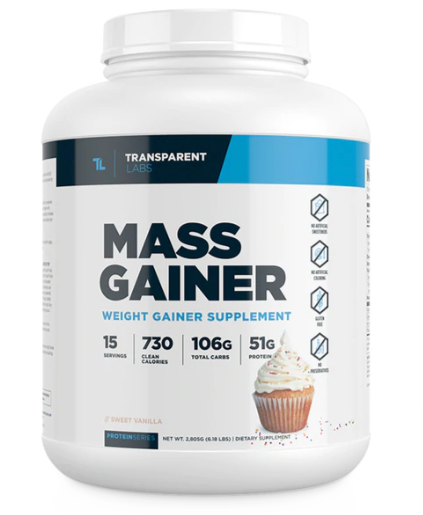
Transparent Labs Mass Gainer

PRICE

Rated 4 out of 5

QUALITY

Rated 5 out of 5

FLAVORS

Rated 4 out of 5

OVERALL

Rated 4.5 out of 5

Pros

Cons

image7

Calories per serving: 760

Carbs: 109g

Fat: 12g

Protein: 53g

Protein source: Grass-Fed Whey Protein

Flavors: Sweet Vanilla, Chocolate Glazed Donut

Largest tub size: 6.18 lbs (2.8 kg)

Servings per container: 15

Cost per serving: $4.67

Transparent Labs Overview

Transparent Lab’s Mass Gainer is our top pick for a few reasons. First, the supplement is sweetened with stevia and monk fruit, so you don’t have the fake sugars that many mass gainers and protein powders contain. The carbohydrate sources are oats, sweet potatoes, and organic tapioca, which are also more natural.

Additionally, there are no artificial preservatives or coloring, and it’s gluten-free and non-GMO, making it a healthier option for your bulk.

The company itself is also reputable. Transparent Labs is a well-known brand for health supplements and bases its products on science, hard evidence, and unbiased studies.

Their independent advisory board includes personal trainers, clinical physiologists, medical doctors, and registered dieticians, so you know you’re getting a product with experts behind it.Add in their 60-day money-back guarantee, and you can see why this is Fitness Mentors’ top choice!

I have high trust in Transparent Labs to produce quality products, and have used them for years for various supplements. If you are a PT recommending a mass gainer to a client, this is a good one to start with. While they are on the pricier side, you get confidence in the quality in return.

Overall Best Protein Powder For Weight Gain Over 1,000 Calories Per Serving

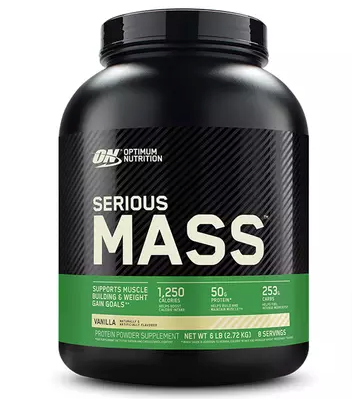
Optimum Nutrition Serious Mass

PRICE

Rated 5 out of 5

QUALITY

Rated 5 out of 5

FLAVORS

Rated 5 out of 5

OVERALL

Rated 4.5 out of 5

Pros

Cons

image3

Calories per serving: 1,250

Carbs: ~254g

Fat: ~4g

Protein: 50g

Protein source: Whey, Calcium Caseinate & Egg Whites

Flavors: Chocolate, Chocolate Peanut Butter, Strawberry, Vanilla

Largest tub size: 12 lbs (5.44kg)

Servings per container: 16

Cost per serving: $4.75

Optimum Nutrition overview

Optimum Nutrition is a brand built on using the highest quality raw ingredients in a state-of-the-art approach. Each product is tested and retested to ensure you know what’s going into your body.

The company’s Serious Mass product is our top choice overall for over 1,000 calories per serving protein powder because of the quality of what’s in it, including the addition of 25 vitamins and essential minerals.

The powder is also great mixed with other foods and liquids to add more flavor and calories, like fruits, milk, and nut butters – giving you endless options for a great meal

Optimum Nutrition has been another trusted source of supplements for myself and clients for many years. Their Serious Mass gainer is a great choice if you’re looking to maximize calories in a post workout shake, or simply trying to bump your calories overall. I’ve used Serious Mass with good success over the years, and as long as you’re training hard and recovering well, it can be a great addition to a bulk.

Best Affordable Protein Powder For Weight Gain Under 1,000 Calories Per Serving

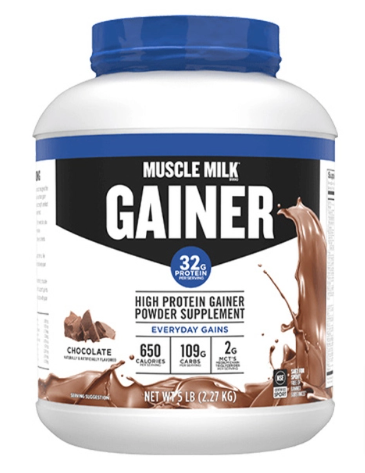
CytoSport Muscle Milk Gainer

PRICE

Rated 5 out of 5

QUALITY

Rated 4.5 out of 5

FLAVORS

Rated 3.5 out of 5

OVERALL

Rated 4 out of 5

Pros

Cons

image8

Calories per serving: 650

Carbs: 109g

Fat: 9g

Protein: 32g

Protein source: Milk protein isolate, caseins, whey protein

Flavors: Cookies & Creme, Vanilla Creme, Chocolate

Largest tub size: 5 lb (2.27 kg)

Servings per container: 14

Cost per serving: $2.78

CytoSport overview

Despite proteins derived from dairy, this gainer is actually lactose-free and includes 20 vitamins and minerals, including calcium and electrolytes.

Muscle Milk Gainer contains a special Protein System that combines proteins from multiple sources to deliver them to your body over an extended period. These include faster-acting whey proteins and slower acting casein proteins to provide longer term gaining potential.

If you’re not looking to break the bank, this is a great choice for your gaining goals.

The MuscleMilk gainer is usually my top choice for affordable mass gainers, and almost always my recommendation for anybody looking for a lactose-free alternative. I’ve always enjoyed their flavors and this mass gainer has great mixability. I’ve recommended it many times over!

Best Affordable Protein Powder For Weight Gain Over 1,000 Calories Per Serving

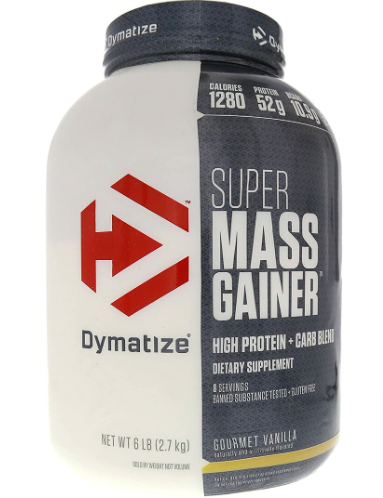
Dymatize Super Mass Gainer

PRICE

Rated 5 out of 5

QUALITY

Rated 4 out of 5

FLAVORS

Rated 3.5 out of 5

OVERALL

Rated 4 out of 5

Pros

Cons

image2

Calories per serving: 1280

Carbs: 252g

Fat: 4.5g

Protein: 50g

Protein source: Whey, casein, egg

Flavors: Rich Chocolate, Gourmet Vanilla, Cookies & Cream

Largest tub size: 6 lbs (2.7kg)

Servings per container: 16

Cost per serving: $2.68

Dymatize overview

Dymatize focuses on a special high-quality blend of complex carbohydrates to help build mass and keep your energy up. 

Each serving also includes 17g of BCAAs (Branched-Chain Amino Acids) as well as 7.7g of L-Leucine, an amino acid that helps activate protein synthesis in your muscles.

The flavors are delicious (our favorite is the Rich Chocolate), and the product mixes very well with both milk and water. In fact, mixing it with 32 ounces of whole milk will increase your calorie count to 1900 per serving if you are in need of a bit extra.

So if you’re looking for some hefty calories and carbs, but want the lower cost, Dymatize Super Mass Gainer is a great choice.

Dymatize is my no-brainer for a cost effective high-calorie mass gainer. It’s my recommendation for bulking on a budget. Dymatize is dedicated to being evidence-based, and I trust the brand. I’ve only tried the chocolate and cookies and cream, and they were fantastic!

Best Vegan Protein Powder For Weight Gain

Vegan Naked Mass

PRICE

Rated 4 out of 5

QUALITY

Rated 5 out of 5

FLAVORS

Rated 3.5 out of 5

OVERALL

Rated 4 out of 5

Pros

Cons

image11

Calories per serving: 1,230

Carbs: 248g

Fat: 4g

Protein: 50g

Protein source: Pea protein and brown rice protein

Flavors: Chocolate and Vanilla

Largest tub size: 8 lb (3.63 kg)

Servings per container: 11

Cost per serving: $5.91

Vegan Naked Mass overview

Naked Nutrition’s Vegan Naked Mass combines pea protein and brown rice protein to give you a completely plant-based blend for your bulking goals.

We like this product because in addition to being vegan, it’s also free of artificial ingredients. You can count the ingredients on one hand, and they’re all recognizable –  while still including all 9 essential amino acids.

In addition, if you’re environmentally conscientious, the farming practices used to create the product are sustainable, which sets it apart from other vegan protein powders.

For vegan clients or friends, Naked Mass is almost always my first recommendation. I trust the brand, and they use quality sources of protein. It’s a bit more expensive, but many vegan products are! I wish they had more flavors, but both chocolate and vanilla are tasty.

Best Protein Powder For Weight Gain With Lower Carbs

Optimum Nutrition Pro Gainer

PRICE

Rated 4 out of 5

QUALITY

Rated 5 out of 5

FLAVORS

Rated 3.5 out of 5

OVERALL

Rated 4 out of 5

Pros

Cons

image4

Calories per serving: 650

Carbs: 85g

Fat: 9g

Protein: 60g

Protein source: Whey and casein

Flavors: Double Chocolate and Vanilla Custard

Largest tub size: 10 lb

Servings per container: 28

Cost per serving: $3.68

Optimum Nutrition Pro Gainer Most gainer powders have triple-digit carb content, so if you’re looking to bulk up with a lower ratio, this may be the option for you. With a 65:85 protein to carb ratio and low added sugars, these shakes are a great supplement to a balanced diet. They even include a lot of extra vitamins and minerals to make the calories count!
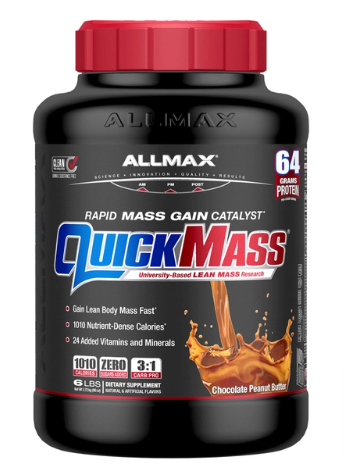
Best Protein Powder For Weight Gain With Creatine

MuscleMeds Carnivor Mass Beef Protein

PRICE

Rated 4.5 out of 5

QUALITY

Rated 5 out of 5

FLAVORS

Rated 3.5 out of 5

OVERALL

Rated 4 out of 5

Pros

Cons

image9

Calories per serving: 720

Carbs: 125g

Fat: 2.5g

Protein: 50g

Protein source: Beef protein isolate

Flavors: Chocolate Peanut Butter, Chocolate Fudge, Vanilla Caramel and Strawberry

Largest tub size: 6 lbs (2.72 kg)

Servings per container: 14

Cost per serving: $3.62

Carnivor Mass overview

Most gainer powders have triple-digit carb content, so if you’re looking to bulk up with a lower ratio, this may be the option for you.

With a 65:85 protein to carb ratio and low added sugars, these shakes are a great supplement to a balanced diet. They even include a lot of extra vitamins and minerals to make the calories count!

Creatine is a substance that’s found naturally in the body, and it’s also available in supplement form. It’s often used by athletes and bodybuilders to improve performance and increase muscle mass.

Creatine works by supplying energy to the muscles, which can help improve strength and power. It may also help reduce fatigue during exercise.

MuscleMeds Carnivor Mass Beef Protein is loaded up with creatine as well as blocked-chain amino acids your muscles need. With four flavors to choose from, it’s a great choice if you’re looking for a weight gain protein powder with creatine.

However, it’s important to note that not everyone responds to creatine supplements in the same way. Some people may see no benefit from taking it, while others may experience side effects.

Carnivor Mass is often my first recommendation when friends or clients are seeking a low or no sugar option. It also has a ton of protein per serving, making a good choice for high protein bulks. I’ve noticed the flavors can have meat-like aftertaste at times, but Muscle Meds does a good job making it taste good. I also found it kept me full for quite a while.

Mass Gainer Alternatives

The below mass gainers are also worth mentioning but didn’t quite make our top picks for some of the more popular classifications around price, calories, creatine, or vegan options. This doesn’t mean they are not great options, as they all come from reputable sources and we still highly recommend them.

Best Protein Powder For Weight Gain For Competitive Sports

Optimum Nutrition Gold Standard Gainer

image10

Calories per serving: 750-770

Carbs: 109-116g

Fat: 9-10g

Protein: 55g

Protein source: Whey and isolates

Flavors: Colossal Chocolate, Vanilla Ice Cream

Largest tub size: 10.29 lb (4.67 kg)

Servings per container: 23

Cost per serving: $3.91

When it comes to competitive sports, it’s especially important to know what’s going into your body. 

Gold Standard Gainer is banned substance tested, so you can be assured it’s acceptable to take if you’re involved in competition.

This powder contains complete dairy proteins from mainly isolates and oat, pea and potato carbohydrates. Included fats come from flax, chia & MCTs for added benefits.

If you need a protein powder for weight gain that gives you a good source of carbs and proteins, but is tested to ensure you can use it in competitive sports, this is a great pick.

Top-Rated Protein Powder For Weight Gain By Customers

image5

Calories per serving: 2050

Carbs: 440g

Fat: 6g

Protein: 60g

Protein source: Whey

Flavors: Delicious Strawberry, Triple Chocolate Brownie, Vanilla Milkshake

Largest tub size: 22 lbs (9.98 kg)

Servings per container: 20

Cost per serving: $4.80

With thousands of verified 5-star ratings across multiple sites, MuscleTech Mass-Tech Extreme 2000 packs a ton of nutrients into a serving. 

Not only is it high in calories, carbs and protein, it also includes 10g of creatine and 20 vitamins and minerals, making it an ideal macronutrient profile for bulking up.

Some of the reviews boast “The most complete weight gainer on the market, very good flavor. Muscletech is one of my favorite brands” as well as “Mixes great, easy to digest, no grit, and great flavor”.

So if you’re looking for a weight gaining protein powder that has the backing of tons of people, this one might be the choice for you.

Protein Powder For Weight Gain With The Most Flavor Options

ALLMAX Nutrition QuickMass

image1

Calories per serving: 1,010

Carbs: 170g

Fat: 8g

Protein: 64g

Protein source: Whey and isolates

Flavors: Vanilla, Chocolate, Strawberry Banana, Cookies & Cream and Chocolate Peanut Butter

Largest tub size: 6 lbs (2.72kg)

Servings per container: 10

Cost per serving: $5.99

has a great variety of flavor

Shakes can get boring after a while, especially with the size of them when you’re intending to bulk up. 

ALLMAX Nutrition QuickMass has a great variety of flavor options you can mix and match and boasts a popular 3-to-1 carb to protein ratio.

In addition, this supplement includes NP5, a revolutionary patent-pending calorie activation technology.

What Do Protein Powders for Weight Gain / Mass Gainers Do?

Mass and weight gainers are sports nutrition products that are designed to help athletes and bodybuilders bulk up and gain weight. They usually come in powder form, and can be mixed with water or milk to create a shake. 

Protein powders for weight gain typically contain high levels of protein, carbs and calories, making them ideal for those who struggle to consume enough calories and nutrients through their diet alone.

While these powders can be beneficial for those trying to bulk up, it’s important to choose one that contains quality ingredients and is appropriate for your individual goals. Not all protein powders are created equal, and some may even do more harm than good.

How To Choose A Good Protein Powder For Weight Gain For Your Needs

Here’s a look at some things to consider when selecting a protein powder for weight gain.

  • Protein content: Look for a protein powder or mass gainer that contains at least 30 grams of protein per serving as well as a high concentration of branched chain amino acids. Protein is essential for muscle growth and development, so you’ll want to make sure you’re getting enough.

  • Carbohydrate content: Protein powders for weight gain typically contain high levels of carbs, which can help replenish glycogen stores and promote muscle growth. However, if you’re trying to gain minimal fat while gaining muscle, or are watching your carb intake, you may want to choose one with lower carb levels.

  • Calorie content: Most protein powders for weight gain are high in calories, which is necessary for those trying to bulk up.

  • Ingredients: Take a look at the ingredient list to see what’s actually in the product. Avoid products that contain fillers, artificial flavors or sweeteners, and other unnecessary ingredients.

  • Third-Party Testing: Many products do third-party testing, so you know you’re getting what you’re supposed to. Some of the more well-known organizations that do this testing include NSF International, Eurofins Scientific and USP.

  • Cost: Protein powders for weight gain can be expensive, so it’s important to find one that fits into your budget. There are a variety of quality products on the market, so you should be able to find one that’s affordable.

Frequently Asked Questions

There is no one-size-fits-all answer to this question, and truth to be told there often isn’t a universal “best time” to drink your gainers. What’s most important is that you’re getting adequate calories, protein and nutrients in general. However, general advice often recommends drinking mass gainer early in the morning and immediately after workouts.

There is no definitive answer to this question, as mass gainers can have different effects on body weight and muscle growth. Some mass gainer supplements may help to increase muscle mass, while others may cause weight gain. The best way to find which mass gainer supplement is best for you is to speak with a nutritionist or doctor who can help you create a personalized nutrition plan.

Nutritionists and weight-loss experts generally agree that mass gainer supplements can be useful for people who are trying to gain weight or muscle mass. However, there is no definitive answer as to whether mass gainer supplements should be taken every day. Some people may find that taking mass gainer supplements regularly helps them gain weight more quickly, while others may not see any significant benefits. The best way to determine whether taking mass gainer supplements daily is best for you depends on your individual goals, schedule, and workout routine.

To gain weight, you must consume more calories than you burn. Mass gainers help you do this by simply adding calories to your diet, and they’re often the easiest way to do so, but they certainly aren’t the only option.

Final Words

While these are our top picks, it’s always best to consult a doctor or nutritionist before taking any supplements, as they may recommend alternatives.

Whether your fitness goal is to add muscle with minimal fat or to bulk up all around, there are a lot of choices out there and we hope this guide helps you compare the multitude of products!

Read more: Survey Results: The Best In Fitness & Personal Training for 2026


BS Kinesiology, NASM-CPT, CES, PES FNS, MMAS, WLS, FM-CPT, ACE-CPT, Master Personal Trainer

Eddie Lester is the founder and CEO of Fitness Mentors. With more that 17 years experience in the health, fitness and athletics field, he has helped tens of thousands of personal trainers transform their careers and reach their business goals. With a background in Kinesiology and Exercise Physiology Eddie has assisted in research that is spearheading the exercise science field.

His in-depth knowledge of the Health, Wellness and Fitness industry has earned him a place as a regular contributor on high profile sites such as the Personal Trainer Development Center, (Dan to list top sites) online where he writes about nutrition and personal training.

His contributions to help personal trainers include a weekly blog, podcast, youtube channel and multiple books including: Business and Sales: the Guide to Success as a Personal Trainer.

Eddie’s Philosophy often times includes focusing on the bigger picture in which daily positive contributions lead to a major impact on himself, his family, his community and the world.

Eddie is commonly found at the beaches of Southern California with his wife Courtney and five kids.

5 Inspiring Famous Fitness Trainers You Should Follow

5-Inspiring-Famous-Fitness-Trainers-You-Should-Follow

5 Inspiring Famous Fitness Trainers You Should Follow

5 Inspiring Famous Fitness Trainers You Should Follow

Personal training is a career built around collaboration, consistently learning, and passing on your expertise to your clients.

Today, there are countless professionals you can get inspiration from. By taking a look at how other trainers are improving their craft and building their business, you can arm yourself with helpful tools to mold your clients and business to the best of your ability.

Below, we’ll lead you to a few of our favorites! We’ll explain who they are and what makes them great fitness role models to follow. Let’s get started.

circles@2x-1
cross-1

Tracy Anderson

Tracy Anderson is one of the better-known fitness personalities to the stars. She has appeared on a variety of TV shows, such as Good Morning America, The Dr. Oz Show, The Today Show, and Access Hollywood. She has also been featured in many well-known health magazines such as Women’s Health. Her famous clients include Madonna, Victoria Beckham, Jennifer Lopez, Kate Hudson, and Gwyneth Paltrow, all of whom credit her with helping them reach their goals.

What makes Tracy inspiring? First and foremost, she approaches fitness from a holistic perspective. Her training programs don’t just focus on the physical, but also take into account factors like nutrition and mindset. She uses her knowledge and experience to help her clients push themselves in all areas of their lives.

Tracy also takes a unique, non-verbal approach to her training to allow her clients to “fill in the gaps” – meaning, it’s up to them to determine if they feel how they should. In her Spring 2022 issue of Tracy Anderson Magazine, she is quoted explaining, “our bodies are designed to function optimally without external interference. There’s no manual you need to read to know how your body works.”

If you’re looking for motivational tips, innovative workout ideas, or just want to learn from one of the best in the business, Tracy Anderson is one to be aware of.

Follow Tracy on:

Anna Kaiser

Anna Kaiser is a famous fitness trainer, celebrity Pilates instructor, and the founder of Anna Kaiser Studios and AKT InMotion. She has been featured in Vogue, Harper’s Bazaar, Elle, and Cosmopolitan, as well as co-hosted the television show My Diet Is Better Than Yours on ABC. Her client roster includes Karlie Kloss, Shakira, Sarah Jessica Parker, Sofia Vergara, and Kelly Ripa.

What makes Anna a fitness expert worth following? She, too, values a holistic approach to fitness. She offers dance, yoga, and Pilates-based workouts that focus on the whole body, and she doesn’t rely solely on traditional training techniques – her high-energy classes often involve using props like weighted balls, jump ropes, and beach balls to keep you moving and engaged.

Anna is also famous for her positive attitude towards fitness and life. She believes that getting in shape should be fun and accessible, not something that feels like a chore or another hurdle to overcome.

Whether you’re looking for a change of pace in your own workouts or inspiration for a client’s workout, Anna Kaiser is someone to follow.

Follow Anna on:

Brett Hoebel

If you’re looking for a trainer with serious experience, look no further than Brett Hoebel. Brett has been a long-time health coach and nutritionist and has been featured as a celebrity fitness trainer on NBC’s The Biggest Loser. In addition to personal training, he is certified in Nutrition & Lifestyle Coaching, Holistic Exercise Kinesiology, Metabolic Typing, and more.

What makes Brett such a great resource? First of all, his wealth of experience means he’s seen it all when it comes to fitness goals and concerns. He’s helped people of all shapes, sizes, and fitness levels reach their individual goals. He’s passionate about consistently improving his craft and helping his clients to the best of his ability.

Brett is also known for his high-energy workouts and his optimistic, supportive perspective. He believes that anyone can reach their fitness goals, as long as they’re willing to put in the time and effort.

If you’re looking for a trainer who will push you and your clients to be your best, but also offer positive encouragement along the way, Brett is a good one to follow!

Follow Brett on:

Jen Widerstrom

Jen Widerstrom has been featured in Shape Magazine, Self Magazine, Women’s Health, and more. She’s a celebrity trainer and health coach who is certified in nutrition, exercise science, yoga, and more. She has also worked on The Biggest Loser as both a participant and host.

What makes Jen an inspirational resource? She truly believes, and embodies, the notion that anyone can take steps toward a healthier version of themselves. She’s known for her positive and encouraging attitude, and encouraging people to look at fitness as a journey, not an end goal.

Jen’s variety of experience and expertise makes her a great figure to learn from both for building your business and improving your craft. 

Follow Jen on:

Kayla Itsines

Kayla Itsines is an Australian fitness trainer and entrepreneur. She is the creator of the Bikini Body Guides (BBG), a series of workout programs that have become increasingly popular. In addition to her workout guides, she has also released cookbooks, apps, and more.

What makes Kayla a great resource? First, her workout design has helped millions achieve their fitness goals. Second, she’s transparent about her own fitness journey – pulling back the curtain on her successes and struggles. This has inspired countless others to start living healthfully, and shows her audience that she’s no different from them; she’s simply on her own journey.

Kayla also influences others with her welcoming and supportive attitude. She believes that fitness should be accessible to everyone, regardless of their starting point. Her goal is to help people feel strong, confident, and happy in their own skin.

Follow Kayla on:

The True Takeaway? Always Work To Expand Your Knowledge

As a personal trainer, it’s important to always be learning and expanding your knowledge. This means not only following other professionals for education and inspiration, but also taking advantage of all the post-certification courses and resources that are available to you. This helps ensure you not only stay up-to-date on the latest trends and developments, but that you’re helping your clients to the best of your ability.

Ready for a full client roster? Check out our course, Business and Sales: The Guide to Success as a Personal Trainer.

Featured Posts
Subscribe
To Our Blog
Your subscription could not be saved. Please try again.
Your subscription has been successful.

27 Tips For Your Personal Trainer Business Cards

27-Tips-For-Your-Personal-Trainer-Business-Cards

27 Tips For Your Personal Trainer Business Cards

This is the heading

In any occupation, business cards are a valuable tool for marketing your business. The fitness industry is certainly no exception.

In this blog, we’ll discuss the importance of a personal trainer’s business cards as well as how to create the perfect ones for your business. We’ll hit you with a ton of tips to give you the best chance of making the cards work for you.

Read on for the ultimate guide to your personal trainer business cards!

circles@2x-1
cross-1

Why Do I Need Business Cards For Personal Training?

So you’ve gotten your personal trainer certification. And you may be wondering what’s next for marketing your new business. 

Related: Complete Guide To Writing Your Personal Trainer Resume

With so many new and great marketing strategies out there, why business cards?

Personal trainer business cards are especially important for referral building. A lot of personal training clients come from word-of-mouth referrals by happy customers. Building your network and brand in the fitness world allows you to market your services to a specific niche and earn more referrals. This leads us right into our next point: networking.

Networking is one of the best ways to make money in any occupation, especially fitness. A lot of personal trainers don’t have an extensive network in the fitness industry. Business cards are a great way to build your network and gain important connections throughout any community you work in.

Finally, business cards allow you to market yourself more efficiently. They’re small enough to always be on you and accessible to those looking for help. This means that whether you’re networking or handing out referrals, your name will always be at the forefront of someone’s mind!

27 Tips For The Perfect Personal Training Business Card

Now that you have a better idea of the importance of business cards, let’s dive right into creating them. 

According to a study from Statistic Brain Research Institute, 72% of people will judge a company, person or service based solely on the quality and appearance of their business cards. So here, we’ll throw 25 tips your way to help create the perfect personal trainer business card!

#1: Get Creative

Being creative is certainly one way to stand out from other trainers in any area. You can use colors or different fonts to reflect your personality and create a unique card. However, this isn’t the only way to be creative. You could also get creative with materials or design! We’ll get to those in the next tips.

#2: Do Not Limit Yourself To Standard Size Cards

You could go small and create mini business cards. These little cards are great for sticking in a pocket or wallet. You could even place them on your personal training equipment for easy access (and potential business).

#3: What About Different Shapes?

If you’re not into the idea of mini cards, you could go big and consider different shapes! Out-of-the-ordinary shapes are sure to catch people’s eyes. Just be careful not to give them a card that’s difficult to grab. Make it easy for your clients to take your information by considering what shape you want.

#4: Don’t Forget About QR Codes

image2

If business cards are all the rage in your area – consider getting creative with QR codes! If people have smartphones, they can simply scan the barcode with an app and it will link them to your website or contact information.

You can also use a digital alternative such as Uniqode’s Business Card, which lets people instantly save your contact details, social links, and services on their phones when they scan or tap your card.

#5: Know That You Can Have Two Lines Of Text

One line of text is okay, but two lines makes you look more professional. This is because you can list two different services. This is useful for people who offer more than just personal training!

#6: …But Don’t Go Over Three Lines Of Text

We recommend keeping it short and sweet. This includes the type of information you put on your card! Remember to keep your contact information easy to read, especially if it’s in a smaller font.

#7: Don’t Use Weak Fonts And Colors

Using a weak color or font is not only unprofessional but unattractive. No one wants to hire someone who can’t be bothered to make an effort. Although you may want to match your information with your clothes or personality, keep it professional!

#8: Don’t Embellish

Adding clipart is also a big “no-no.” It’s not only unprofessional but can make it hard for people to read your card. You don’t want that! Make sure that the only embellishments are things that are necessary. For example, you could add your logo if it’s not too flashy.

#9: Make Sure It’s Free Of Mistakes!

Spelling mistakes make you look unprofessional and incompetent. Before printing out any cards, be sure to proofread them thoroughly!

#10: Keep It Simple And Easy To Read

This means keeping your information on the card clear and concise. You don’t want your reader trying to guess what you’re trying to say, especially if it’s important!

#11: Only Use Relevant Information On Your Card

Don’t go crazy with personal information. The only time you should be putting your resume on your card is if you’re a personal trainer who also has other job titles (or it’s relevant to the type of person who would need a personal trainer).

#12: Use Only One Font Type And Size

Using two different fonts makes your card look unprofessional. Pick one font and stick with it. If you’d like to use multiple sizes of your font, go right ahead. However, don’t mix between two different fonts in the same card!

#13: Allow For Clear Contact Information

Be sure to leave room for your contact information, especially so it’s easy to read and grab. Remember that phone numbers and email addresses should be in descending order (from the largest font size to smallest). This will make it easier for the reader to get your information.

#14: Allow For Clear Text Below Your Name And Title

This means that you should keep your name and job title in descending order from largest font size to smallest. The text below this section should be smaller than the font size of your name but larger than the rest of your information. This will make it easier for the reader to get your information.

#15: Make Sure There’s Room For A Signature

If you’re going to have a spot for a signature, be sure there is ample room in order to keep it professional! Don’t forget that when someone signs their name on a card, it usually takes up a larger space than normal.

#16: Include Your Physical Address And City (If You Have One)

image3

Do you rent gym space or have an office? Be sure to include the address – and make sure that it’s easy to read so the recipient knows where you offer your services! You want them to feel inclined to reach out or stop by when they have questions about what you do.

#17: Add A Logo If It Is Relevant

Adding a logo can make you seem more professional. This doesn’t mean that everyone needs to have a logo, but it could be useful if your services are unique or hard to describe. For example, personal trainers often find it useful as a way for clients to remember what they do!

#18: Make Sure Your Logo Doesn’t Make The Card Unreadable

Although your logo can be important, it shouldn’t take up the entire card. This is why you should make sure there’s ample room to write underneath the logo.

#19: Don’t Forget To Include A Keyword!

This is especially useful if you attend seminars or conventions! Not only will it make it easier to remember you, but it could stand out among the sea of other attendees.

#20: Ask Clients For A Referral!

Not sure what to actually say on your card? Why not ask your clients for a referral? Simply add something like “feel free to give this card to anyone who may be interested in my services!”

#21: Ask For Their Email Address

If you want their business email address, add something like “email me at” and put your email on the card. This is a great way to keep the conversation going after they’ve taken your card!

#22: Don’t Make It Oversized!

Business cards are meant to be kept in a wallet or pocket on-the-go. If  you don’t take into consideration that they’ll need to fit in a wallet or pocket, you might end up with a card that’s too big. No one will be able to keep it on them!

#23: Experiment With Textures

One way to make your card stand out is by experimenting with textures. This can also be a great way to showcase your design abilities!

#24: Make Your Business Cards Interactive

Allowing your recipient to engage with your business cards adds a whole different level of uniqueness. Try holographic, an origami card, or even a business card that doubles as a USB stick.

#25: Offer An Incentive

You’re more likely to get someone’s business if you offer them something in return. Try offering a free session, coupon code for online purchases, etc. Be sure to follow up with this incentive so it’s not forgotten about!

#26: Include Testimonials

This is because customer testimonials can help build your credibility and come across more professionally. Add in a brief blurb and a picture of them so you can show off your close relationships with clients!

#27: Include Your Social Media Profiles

Having your social profiles on a business card is a great way to keep in touch with your existing and potential clients. Since there’s no such thing as too many social media profiles, go with your gut and pick the ones that you feel are best!

Business Cards Are Just The Beginning

Creating personal trainer business cards isn’t difficult if you know what you’re doing. By following these simple steps and knowing what to do and what not to do, you’ll be able to create a card that works for your business!

For new trainers, exploring personal trainer business card templates free can simplify the design process and save time.

If you’re aiming for customization, many platforms also offer fitness business card templates free, which you can tailor to your brand colors and style.

Personal trainer business cards are a great way to keep in touch with your clients and keep your business relevant. However, they aren’t the only ways you can market yourself!

Want to learn more about running your personal training business? Check out our Business and Sales CEU course.

Featured Posts
Subscribe
To Our Blog
Your subscription could not be saved. Please try again.
Your subscription has been successful.

FM VS ISSA

FM VS ISSA: Which CPT is for You?

Choosing between Fitness Mentors (FM-CPT) and the International Sports Sciences Association (ISSA-CPT) can shape your entire career. Whether you want to work in a commercial gym, train clients online, build your own brand, or specialize in performance coaching, the certification you choose matters.

Who This Guide Is For

This comparison is designed for:

  • Aspiring personal trainers comparing FM vs ISSA cost
  •  Trainers asking whether FM or ISSA is NCCA accredited
  • Career changers researching the best personal trainer certification in the USA
  • Online coaches who want strong business and sales training
  • Fitness professionals deciding between science-heavy vs business-focused CPT programs

Rather than vague opinions, this guide focuses on curriculum depth, accreditation, cost, exam difficulty, and real-world application so you can make a confident, informed decision.

How to Become a Personal Trainer
circles@2x 1
cross 1

Quick Positioning: FM vs ISSA at a Glance

Fitness Mentors (FM-CPT) Is Ideal For:

  • Trainers who want to build an online business
  • Coaches focused on sales, marketing, and client acquisition
  • Those who prefer a streamlined, practical learning approach

ISSA-CPT Is Ideal For:

  • Trainers wanting international brand recognition
  • Students who prefer a structured, textbook-heavy program
  • Those interested in nutrition and bundled specialization options

Both certifications can launch a successful career. The difference lies in how you want to build that career.

FM vs ISSA CPT: Side-by-Side Comparison

Here is a practical breakdown across the factors that matter most: accreditation, cost, exam format, business focus, and long-term maintenance.

Feature

Fitness Mentors (FM-CPT)

ISSA-CPT

Accreditation

NCCA Accredited Exam

NCCA-accredited option available (also offers DEAC version)

Starting Cost

From $499 (self-study)

From $1,598 (promotions available)

Pass Rate

89.9%

89.9%

Exam Format

100 questions, 120 min, online, not proctored (70% to pass)

160 questions, untimed, online (75% to pass)

CEU Requirements

20 hours every 2 years + $99 recertification fee

20 hours every 2 years + $99 recertification fee

Business & Sales Focus

Strong — business, sales, and online coaching

Moderate — stronger focus on general fitness & nutrition

Best For

Trainers building an online business or independent brand

Trainers wanting international recognition and structured study

Accreditation: Is FM or ISSA NCCA Accredited?

Accreditation is one of the first things gyms and employers look at when evaluating a trainer’s credentials. Both FM-CPT and ISSA-CPT offer NCCA-accredited exam pathways, which is considered the gold standard in the U.S. fitness industry.

Are Fitness Mentors Accredited?

Yes. The FM-CPT exam is NCCA accredited, meeting the same standards required by top-tier certifications across the country. This ensures recognition by commercial gyms, health clubs, and insurance providers. While Fitness Mentors is the education provider, it is the NCCA-accredited exam credential that employers evaluate and FM-CPT meets that bar.

Is ISSA Accredited?

Yes. ISSA has operated since 1988 and is globally recognized. It offers two accreditation pathways:

  •  NCCA-accredited exam – the gold standard for U.S. gym employment and employer acceptance
  • DEAC-accredited pathway – accredits the educational institution and is more common in online or vocational settings

Most U.S. commercial gyms prefer or require the NCCA-accredited version of the ISSA CPT. For independent trainers or international coaches, the DEAC pathway may still be sufficient depending on your target market.

Cost Comparison: FM vs ISSA Training Cost

Fitness Mentors Cost

The FM-CPT self-study program starts at $499, making it one of the more accessible entry points in the personal trainer certification market. Most study resources are included in the initial price, with limited hidden fees.

ISSA Training Cost

The ISSA CPT self-study program starts at $1,598. ISSA frequently offers seasonal promotions and bundled packages — such as the Elite Trainer Bundle, which combines the CPT with a nutrition certification and an additional specialization. While bundles can improve long-term value per certification, the upfront investment is notably higher.

Long-Term Cost Comparison

Both certifications require 20 CEUs every two years and a $99 recertification fee, so ongoing maintenance costs are identical. The main financial difference is at the start: FM is significantly more affordable upfront, while ISSA’s higher cost may be offset by the added value of its bundled specialization options.

FM vs ISSA Salary: What Can You Expect to Earn?

Your certification is just one piece of the salary equation. Earnings depend heavily on your work setting, client base, and critically your business skills.

Average Personal Trainer Income

The average personal trainer in the U.S. earns between $40,000 and $70,000 per year. Top-performing trainers who combine multiple certifications with strong business knowledge can earn $100,000 to $200,000 or more annually.

Online vs Gym-Based Trainers

Gym-based trainers typically earn $30–$70 per hour, often paid on commission or hourly rate. Online trainers, by contrast, can charge subscription or program fees, serving clients nationally or internationally  which dramatically increases income ceiling.

Business Ownership and Specializations

Trainers who build their own businesses whether online coaching, boutique studios, or independent services — consistently earn more than those relying solely on gym employment. FM-CPT’s emphasis on marketing, sales, and client acquisition gives trainers a practical head start in this area. ISSA provides foundational business guidance but leans more heavily toward fitness and nutrition education, which may require supplemental learning for those pursuing entrepreneurship.

Adding certifications and specializations can also increase earnings. Trainers with multiple credentials and business skills often earn two to three times more than entry-level trainers with a single certification.

Exam Comparison: FM vs ISSA Difficulty, Format & Pass Rates

Question Count & Time Limit

FM-CPT features 100 multiple-choice questions with a 120-minute time limit, delivered online and remotely without proctoring. ISSA-CPT has 160 multiple-choice questions with no time limit. FM’s shorter, timed format encourages efficient thinking under pressure; ISSA’s untimed format gives students the flexibility to work through a broader scope of material at their own pace.

Passing Score

FM-CPT requires a 70% passing score; ISSA-CPT requires 75%. Both certifications report an 89.9% pass rate, reflecting well-prepared candidates in both programs.

Perceived Difficulty

FM-CPT is generally considered more approachable, with a practical, applied focus that suits trainers who benefit from real-world scenarios. ISSA-CPT is viewed as more comprehensive due to its broader content coverage — including nutrition and general fitness theory — which may feel more demanding for students without strong independent study habits.

Study Support

FM-CPT includes unlimited coach access, practice exams, quizzes, an exercise video library, and a Discord community. ISSA-CPT offers online textbooks, audio lectures, a guided study program, and student forums, with many students supplementing using third-party materials.

Additionally, Are you confused about Fitness Mentors or NASM which to choose?

Education Focus: What Do You Actually Learn?

Program Design & Exercise Science

FM-CPT emphasizes practical program design grounded in anatomy, physiology, and kinesiology  focused on creating effective, client-centered workouts. ISSA-CPT covers a broader scope including biomechanics, nutrition, and general fitness theory, making it stronger for trainers seeking a comprehensive, textbook-based knowledge foundation.

Business & Marketing Training

This is one of the clearest distinctions between the two programs. FM-CPT offers a strong business and sales curriculum covering client acquisition, retention strategies, pricing, and online coaching methods  particularly valuable for trainers building independent careers. ISSA-CPT includes some business guidance but is less comprehensive, often requiring additional education to master marketing and scaling skills.

The FM curriculum was built with a deliberate business-first philosophy  reflecting real-world insight from over 20 years of experience in commercial and independent training environments.

Special Populations & Performance

ISSA-CPT provides more extensive coverage for special populations including seniors, youth, pregnant clients, and performance athletes  making it a stronger choice for trainers targeting niche or rehabilitation-focused markets. FM-CPT equips trainers to work safely with general fitness populations and online coaching clients, with emphasis on progressive training and program modifications.

How Does ISSA Compare to Other Certifications?

ISSA vs NASM

ISSA covers a broad curriculum including exercise science, nutrition, and special populations. NASM takes a more targeted approach, with a strong emphasis on corrective exercise, biomechanics, and evidence-based program design. NASM slightly edges out for applied exercise science depth, while ISSA offers broader general fitness coverage and more business guidance. Both are widely respected and NCCA accredited — the right choice depends on whether you prioritize program design specialization or a broader fitness education.

ISSA vs NSCA

NSCA is considered the gold standard for athletic performance training. Its curriculum emphasizes sport-specific conditioning, periodization, strength programming, and research-based protocols. ISSA provides solid practical coaching for general fitness clients but does not match NSCA’s depth in performance and athletic development. Trainers aiming to work with competitive athletes or in strength and conditioning roles will find NSCA the stronger credential.

ISSA vs ACE

For new trainers, ACE’s exam is generally considered more beginner-friendly — 150 questions, timed, with a 70% passing threshold and a focused coaching approach centered on behavior change. ISSA offers more content breadth and a self-paced study format, which some beginners prefer. ACE provides stronger hands-on coaching fundamentals; ISSA offers a more comprehensive career-oriented foundation for those willing to invest more study time.

Best Personal Trainer Certification in the USA: Where Do FM and ISSA Rank?

There is no single “best” certification it depends on your career goals, work environment, and client focus. Both FM-CPT and ISSA-CPT rank among the more respected options in the U.S. market, but they serve different professional paths.

  • Commercial gym employment: Both are NCCA accredited and widely accepted by employers. ISSA has broader international name recognition.
  • Independent or online training: FM-CPT’s business-first curriculum and online coaching emphasis make it a stronger fit for trainers building their own brand.
  • Athletic or special populations: ISSA’s broader content coverage in performance and special populations gives it an edge for those targeting niche markets.
  • Budget-conscious trainers: FM’s lower starting cost makes it more accessible, with equivalent CEU and recertification requirements over the long term.

Continuing Education & Recertification

Both FM-CPT and ISSA-CPT require 20 Continuing Education Units (CEUs) every two years, at a $99 recertification fee aligning with NCCA standards. CEU course costs may vary depending on the provider or specialization selected. Long-term, maintenance costs are essentially identical between the two certifications.

Pros and Cons

Fitness Mentors (FM-CPT)

Strengths:

  • Strong business, marketing, and client acquisition curriculum
  • Unlimited coach access, practice exams, and community support
  • Practical, applied program design for real-world clients
  • Affordable starting cost at $499

Weaknesses:

  • Less coverage of advanced athletic training or special populations
  • Smaller international brand footprint compared to larger organizations

Best fit: Entrepreneurial trainers who want to build an independent or online business with hands-on guidance.

ISSA-CPT

Strengths:

  • Globally recognized certification
  • Comprehensive curriculum covering exercise science, nutrition, and special populations
  • Flexible, self-paced online learning
  • Bundled packages with nutrition or specialty certifications

Weaknesses:

  • Higher starting cost at $1,598
  • Moderate business guidance; may require supplemental learning for entrepreneurs
  • Longer exam may be challenging for beginners without strong study routines

Best fit: Trainers who want international recognition, a structured study program, and the flexibility to work with varied or specialized client populations.

Who Should Choose Which Certification?

Choose Fitness Mentors If:

  • Your goal is to build an online coaching business or independent brand
  • You want practical, integrated training in sales, marketing, and client retention
  • You are budget-conscious and want strong study support included in the base price

Choose ISSA If:

  • You want a globally recognized credential with broad employer acceptance
  • You prefer a self-paced, textbook-heavy study format
  • You plan to work with diverse or specialized client populations, including athletes or seniors
  • You want to bundle nutrition or specialty certifications for long-term career expansion

Fitness Mentors vs ISSA FAQs:

Yes. ISSA holds DEAC accreditation for its educational programs and also offers an NCCA-accredited exam option, which is the standard most U.S. gyms and employers require.

Yes. ISSA provides an NCCA-accredited exam pathway that meets the gold standard for personal training certifications in the United States.

Yes. The FM-CPT exam is NCCA accredited, ensuring recognition by gyms and employers across the U.S.

FM-CPT has a significantly lower starting cost ($499 vs $1,598 for ISSA). Both certifications carry identical CEU and recertification fees, so FM is the more cost-effective choice upfront. ISSA bundles can provide added value for trainers pursuing multiple certifications.

FM-CPT has a shorter, timed exam (100 questions, 70% to pass) with comprehensive study support, and is generally considered more approachable for first-time test-takers. ISSA’s longer exam (160 questions, 75% to pass) covers broader content and suits self-directed learners. Both share an 89.9% pass rate.

Yes. ISSA’s NCCA-accredited certification is recognized by most commercial gyms and international employers.

The right answer depends on your goals. FM-CPT is the stronger choice for online and business-focused trainers; ISSA-CPT is excellent for those seeking broad education, international recognition, and the ability to work with varied or specialized client populations.

ISSA offers broader general fitness education with moderate business guidance. NASM is more science-focused, particularly in corrective exercise and evidence-based program design. Both are NCCA accredited and widely respected your choice should reflect whether you prioritize content breadth or applied exercise science depth.

Final Thoughts From a Certified Trainer: Which Certification is Better, Fitness Mentors or ISSA?

Both FitnessMentors and ISSA are highly regarded personal trainer certifications that are likely to help you form a sound foundation for program design and training.

If you’re looking to work with athletes or high-level performers, ISSA may make more sense as a starting point. If you’re looking to work as an independent trainer, or build your own business, Fitness Mentors is the option to go with. 

*While both CPT certifications are nationally accredited, Fitness Mentors’ accreditation is with the NCCA, and the ISSA is accredited by DETC. These differences may also define which your potential employer prefers.Of course, it is also imperative to know what type of training you’d like to do to determine which choice to make. 

Before making any decisions, check with employers for whom you wish to work for (if any) to ensure you’re meeting their requirements.

For more information on how to become a personal trainer, check out our post on the topic or feel free to give us a call, and we can always help point you in the right direction (800) 614-7004.

Featured Posts
Subscribe
To Our Blog
Your subscription could not be saved. Please try again.
Your subscription has been successful.

FM VS NASM

FM VS NASM: Which CPT is for You?

Most trainers spend months studying for a certification that teaches them how to train clients but zero hours learning how to find them, keep them, or build a business. That’s the gap I built Fitness Mentors to close.”   Eddie Lester

Here’s an uncomfortable truth: passing a personal training exam does not make you a successful personal trainer. After 20 years in the fitness industry, 10 certifications and specializations, and years teaching personal training at a vocational college, I’ve watched hundreds of motivated, talented trainers flame out   not because they didn’t know how to program a squat, but because nobody taught them how to run a business. 

I’ve held the NASM-CPT myself (along with CES, PES, FNS, ACE-CPT, NFPT-CPT, and more), and I have deep respect for what NASM has built over three decades. But when I sat down to write Business and Sales: The Guide to Success as a Personal Trainer, and eventually founded Fitness Mentors, I was driven by a clear mission: create a certification that doesn’t just test your knowledge of the OPT model, it prepares you to actually thrive in this industry.

So which certification is right for you, FM or NASM? The answer depends on what kind of career you want to build. This guide breaks down every major factor so you can make a confident, informed decision.

woman-doing-workout-gym-with-trainer
circles@2x 1
cross 1

What Are Fitness Mentors (FM)?

Fitness Mentors is a modern, business-forward personal training certification built for the way the fitness industry actually works today. Unlike traditional certifications that stop at exercise science, FM goes further   equipping trainers with the marketing, sales, client management, and online coaching skills needed to build a sustainable, profitable career.

Ideal for: Independent trainers, online coaches, and fitness entrepreneurs who want to build a brand, attract clients, and create income on their own terms.

As the Founder and CEO of Fitness Mentors, I designed the FM-CPT curriculum based on what I wish existed when I was starting out in Los Angeles, a resource that combines real exercise science with real business education, backed by mentorship from industry professionals who’ve actually been in the trenches.

Key benefits include:

  • Fully online, self-paced learning with no rigid schedules
  • Direct mentorship from experienced coaches (not just a textbook and a practice quiz)
  • Deep focus on career growth, client acquisition, and business development
  • Tools and systems to start training clients   and earning   immediately after certification
  • A supportive community through Discord and ongoing coaching support

FM doesn’t just hand you a certificate. It gives you a roadmap to a profitable career.

What is NASM?

The National Academy of Sports Medicine (NASM) is one of the most globally recognized personal training certifications, with over 30 years of history. NASM is built on an evidence-based, science-driven foundation, with particular strength in corrective exercise and the Optimum Performance Training (OPT) model.

Ideal for: Trainers targeting employment in established gyms, wellness centers, or clinical settings, where brand recognition and a research-backed credential carry significant weight.

I hold the NASM-CPT along with two of its advanced specializations (CES and PES), and I’ve seen firsthand the depth of its scientific curriculum. NASM prepares trainers to identify muscular imbalances, apply corrective strategies, and deliver performance-focused programming. It’s a rigorous credential that commands respect across the industry   particularly in institutional fitness environments.

Where NASM is more limited is in the entrepreneurial lane. If you want to go independent, build an online coaching business, or grow your own brand, NASM’s curriculum won’t get you there on its own.

FM vs NASM: Key Differences at a Glance

Feature

Fitness Mentors (FM)

NASM

Focus

General fitness, program design, business & sales, career growth

Exercise science, corrective exercise, performance enhancement

Cost

Starting at $499 (self-study)

Starting at $799 (self-study)

Pass Rate

89.9%

64.3%

CEU Requirements

20 hrs / 2 yrs ($99 recertify)

20 hrs / 2 yrs ($99 recertify)

Business Training

Extensive   built into core curriculum

Limited; mainly gym/clinical prep

Learning Format

100% online, self-paced, mentorship included

100% online, self-paced, limited mentorship

Ideal For

Independent trainers, online coaches, entrepreneurs

Gym-based, clinical, performance professionals

Exam Format

100 MC, 120 min, online, unproctored

120 MC, 120 min, proctored

FM is your certification if you want flexibility, mentorship, a high pass rate, and the business skills to train clients online or independently. NASM is your certification if you want deep scientific credibility and strong brand recognition for gym or clinical employment.

Career Outcomes: Which Certification Gives You a Competitive Edge?

Your certification isn’t just a piece of paper, it’s a launchpad. And the direction it launches you depends entirely on which one you choose.

Gym Employment vs. Independent Training

NASM’s global brand recognition makes it a preferred credential at major fitness chains and wellness facilities. If your goal is to be hired by a gym and build your career within an established environment, NASM carries serious weight.

FM is engineered for the opposite path. Having trained clients in Los Angeles and across the country, I knew when building Fitness Mentors that the future of personal training was increasingly independent   and that online coaching was exploding. FM equips you with everything you need to operate on your own terms from day one.

Online Coaching Opportunities

This is where FM has a clear and decisive edge. The FM-CPT curriculum includes systems for delivering remote coaching, acquiring clients digitally, and scaling your business beyond your local area skills I detail in my book, Business and Sales: The Guide to Success as a Personal Trainer. NASM, while still a valid credential for digital coaching, doesn’t equip you with the business infrastructure to actually launch and grow an online practice.

Brand Recognition vs. Entrepreneurial Freedom

Here’s the honest tradeoff: NASM opens doors inside established organizations. FM opens doors you build yourself. Neither path is wrong, they’re just different. The most important question is which version of success excites you more.

Cost Breakdown: What Are You Really Paying For?

Price matters   but value matters more. Here’s what you get for your investment with each certification.

Fitness Mentors (FM) Starting at $499

  • 100% online, self-paced course
  • NCCA-accredited exam
  • Digital textbook, PowerPoint presentations, and audiobook lectures
  • Exercise video library and practice exams
  • Discord community and unlimited mentorship from FM coaches
  • Lifetime educational support

NASM Starting at $799 (Basic) | $1,099 (Premium)

  • 100% online, self-paced course
  • NCCA-accredited exam
  • Digital textbook, exercise video library
  • Practice exams and quizzes
  • Strong global brand recognition and professional network

Hidden Costs to Know:

  • Both certifications require 20 CEUs every 2 years with a $99 recertification fee
  • Exam retakes may incur additional fees   FM’s higher pass rate (89.9% vs 64.3%) makes this a meaningful financial consideration

FM is more affordable upfront and provides faster access to independent income. NASM’s higher price reflects its brand premium, which pays dividends in traditional employment settings.

Exam Difficulty: Which Test Is Harder to Pass?

One of the most common questions I get from aspiring trainers is: “How hard is the exam?” Having taken exams from NASM, ACE, NFPT, and multiple others across my 10 certifications and specializations, I can tell you: difficulty is real, and pass rates tell the story.

Pass Rates:

  •     FM: 89.9%   among the highest in the industry
  •     NASM: 64.3%   a more challenging, science-heavy exam

Testing Format:

  • FM: 100 multiple-choice questions, 120 minutes, fully online, unproctored   lower stress environment
  • NASM: 120 questions, 120 minutes, proctored in-person or online   adds pressure for some candidates

Interestingly, FM prep materials are among the most popular third-party resources for NASM candidates. That says something   not just about the quality of FM’s educational content, but about the gap NASM students feel in exam preparation support. FM builds robust study support directly into the program: mentorship, practice exams, community, and coaching.

Curriculum Breakdown: What Will You Actually Learn?

Fitness Mentors (FM) Curriculum:

  • Exercise programming and program design fundamentals
  • General fitness training techniques and client assessment
  • Business development, marketing, and client acquisition strategies
  • Online coaching delivery systems and remote client management
  • Sales psychology and client retention principles

NASM Curriculum:

  • Corrective exercise and muscular imbalance assessment
  • OPT (Optimum Performance Training) model and periodization
  • Advanced exercise science and biomechanics
  • Performance enhancement techniques
  • Sports nutrition and behavior change basics

The FM curriculum reflects a deliberate philosophy I developed over 20 years of practical training experience: technical knowledge is necessary, but it’s not sufficient. The trainers who build lasting, profitable careers are the ones who can do the science AND sell their services, market their brand, and scale beyond the gym floor.

Recertification & Continuing Education Requirements

Good news: both FM and NASM have identical recertification requirements, so this factor won’t break the tie for you.

  • 20 CEUs every 2 years
  • $99 recertification fee for both
  • CEUs can be earned through workshops, online courses, seminars, or accredited programs

As someone who has maintained 10 different certifications over the years, I’d encourage you to think of CEUs not as a chore, but as an investment. The trainers who commit to ongoing education are the ones who stay competitive, attract premium clients, and command higher rates over time.

Earning Potential: How Much Can You Realistically Make?

Let’s talk about money because that’s ultimately part of why you’re pursuing this.

FM-Certified Trainers   Independent & Online:

Trainers who leverage FM’s business training to build online coaching businesses can scale their income significantly. The online model removes the ceiling that in-person, hourly training creates. Some experienced FM online coaches report annual incomes exceeding $100,000 not because of magic, but because they learned to market themselves, convert leads, and retain clients. These are skills I wrote an entire book about and built into the FM curriculum for exactly this reason.

NASM-Certified Trainers   Gym & Clinical Employment:

NASM trainers entering gym environments can expect entry-level salaries reflective of their location, employer type, and experience. NASM’s brand recognition can accelerate hiring and advancement within established fitness organizations, and experienced NASM trainers who add specializations (CES, PES) can command higher rates in clinical and performance settings.

The Real Earning Formula:

Your certification is a credential, not a paycheck. Your income will ultimately depend on your ability to acquire and retain clients, your geographic market, and   especially if you go independent with your business skills. FM is built to accelerate all three. NASM gives you the science; you’ll need to build the business side separately.

The trainers who out-earn their peers aren’t just the most knowledgeable, they’re the best at communicating their value, marketing their services, and building systems that generate consistent income.

Support & Mentorship: What Happens After You Enroll?

This is one of the most underrated factors in choosing a certification and one of the reasons I built Fitness Mentors the way I did.

Fitness Mentors Support:

  • Direct, unlimited mentorship from FM coaches throughout your study journey
  • Active Discord community with peers and experienced trainers
  • Ongoing coaching support for exam prep, program design, and business strategy
  • Lifetime educational support   not just until exam day

NASM Support:

  • Comprehensive online learning content and exercise video library
  • Access to a large global professional network
  • Continuing education resources and specialty pathways post-certification
  • More self-directed strong for independent learners, but less guided

When I was teaching personal training at the vocational college level, I consistently saw the same pattern: students with mentorship and community support were more confident, passed their exams at higher rates, and launched their careers faster. That’s not a coincidence. Isolation is where motivation goes to die. FM was built to eliminate that isolation.

To keep your ISSA certification active, you’ll need CEUs learn how in our ISSA CEU guide.

Fitness Mentors vs NASM FAQs:

Yes. Fitness Mentors offers an accredited exam for their Certified Personal Trainer course/certification. Fitness Mentors’ CPT is accredited by the National Commission for Certifying Agencies (NCCA) with their partners at the National Federation of Professional Trainers (NFPT), which is widely accepted and recognized.

Yes. NASM CPT certification is accredited by the National Commission for Certifying Agencies (NCCA).

Personal trainers must be at least 18 years of age and have completed high school (or equivalent) education.

Final Thoughts From a Certified Trainer: Which Certification is Better, Fitness Mentors or NASM?

Both Fitness Mentors and NASM are highly regarded personal trainer certifications that are likely to help you form a sound foundation for program design and training. If you’re looking to go work in a gym, NASM may be a better option for you. If you’re looking to be an independent trainer, or build your own business, Fitness Mentors is the way to go. 

Before making any decisions, if you’re looking to work at a specific gym, ask them if they have any requirements.

For more information on how to become a personal trainer, check out our post on the topic or feel free to give us a call, and we can always help point you in the right direction (800) 614-7004800) 614-7004.(800) 614-7004

Featured Posts
Subscribe
To Our Blog
Your subscription could not be saved. Please try again.
Your subscription has been successful.

Here’s an uncomfortable truth: passing a personal training exam does not make you a successful personal trainer. After 20 years in the fitness industry, 10 certifications and specializations, and years teaching personal training at a vocational college, I’ve watched hundreds of motivated, talented trainers flame out   not because they didn’t know how to program a squat, but because nobody taught them how to run a business.

I’ve held the NASM-CPT myself (along with CES, PES, FNS, ACE-CPT, NFPT-CPT, and more), and I have deep respect for what NASM has built over three decades. But when I sat down to write Business and Sales: The Guide to Success as a Personal Trainer, and eventually founded Fitness Mentors, I was driven by a clear mission: create a certification that doesn’t just test your knowledge of the OPT model, it prepares you to actually thrive in this industry.

So which certification is right for you, FM or NASM? The answer depends on what kind of career you want to build. This guide breaks down every major factor so you can make a confident, informed decision.

Most trainers spend months studying for a certification that teaches them how to train clients   but zero hours learning how to find them, keep them, or build a business. That’s the gap I built Fitness Mentors to close.”   Eddie Lester

Opening a Gym? Here’s an Ultimate Guide for 2026

So you want to open a gym congratulations! It’s one of the most fulfilling businesses you can build, especially if you’re passionate about fitness and helping people transform their lives. But before you sign a lease or order a single dumbbell, there’s a lot of ground to cover.

This guide walks you through everything first-time gym owners need to know: how gyms make money, how to pick a location, what equipment to buy, how to hire staff, what the legal landscape looks like, and whether a franchise might be a better starting point than going independent. We’ve also woven in real numbers so you can walk into this with eyes wide open.

Let’s dive in.

How Does a Gym Make Money?

Before you invest a single dollar, the most important question to answer is: where does the revenue actually come from? The gym business model is more layered than most first-timers realize, and understanding each revenue stream will directly shape the type of gym you open and how you price it.

Membership Fees: The Core Revenue Engine

The backbone of any gym business is recurring membership revenue. Members pay a monthly or annual fee for access to your facility, equipment, and amenities. This model works because it creates predictable, recurring cash flow something investors and lenders love to see.

That said, the price point varies wildly based on your gym’s positioning. Budget gyms like Planet Fitness charge as low as $10/month to maximize volume. Mid-tier gyms typically land in the $30–$60/month range. Premium boutique studios or specialized training facilities can command $100–$300/month or more, especially when paired with structured programming, community culture, and exclusive amenities.

The key is deciding upfront where you sit on this spectrum, because your pricing determines your required membership volume to cover overhead and that directly informs how big your facility needs to be, how much equipment you need, and how many staff you need to hire.

Pro Tip:  A smaller gym with 150 premium members at $150/month ($22,500/month) can out-earn a large gym with 500 budget members at $20/month ($10,000/month) while being far easier to manage.

Personal Training: Your Highest-Margin Revenue Stream

Personal training is where the real margins are. Unlike membership fees that are split across rent, utilities, and staff salaries, personal training sessions can be priced at $50–$150+ per hour depending on your market and the trainer’s expertise. When you’re the owner and trainer, nearly all of that goes into your pocket (minus overhead allocation).

Even when you hire trainers on staff, the split model where trainers receive 40–60% of session revenue can be highly profitable when volume is sufficient. A single experienced trainer doing 20–25 sessions per week generates $1,000–$3,750+ weekly in gross revenue for your gym.

This is why investing in well-credentialed trainers pays off. According to Fitness Mentors, certifications like the FM-CPT (Fitness Mentors Certified Personal Trainer), Certified Nutrition Specialist, and Certified Pain Management Specialist distinguish your staff from the competition and justify premium pricing.

Group Fitness Classes and Specialty Programming

Group fitness classes are one of the most scalable revenue streams a gym can offer. A single instructor leading a class of 20 people at $20/head generates $400 per session far more efficient than 1-on-1 training from a labor perspective. Classes like HIIT, yoga, spin cycling, Pilates, Zumba, and CrossFit-style functional fitness remain consistently popular with gym-goers at all experience levels.

Specialty programming is where boutique gyms have really carved out market share. The rise of formats like Hyrox a competitive fitness race that blends functional movements with running shows that members are willing to pay a premium for structured, goal-oriented programming that offers more than just open gym time. Hyrox training classes attract a dedicated, results-focused demographic that tends to stick around long-term.

Consider building a class schedule that includes at least one high-demand specialty format in addition to core offerings. This not only diversifies revenue but also differentiates your gym from commodity competitors.

Additional Revenue Streams to Build Into Your Model

Successful gym owners don’t stop at memberships and training. Additional revenue levers include:

  • Branded merchandise (apparel, water bottles, shaker cups) low effort, strong brand-building
  • Facility rentals for events, competitions, or pop-up fitness sessions
  • Corporate wellness partnerships companies paying for discounted employee memberships
  • Nutrition coaching and meal plan services a natural upsell if you employ certified nutrition coaches
  • Online training and hybrid coaching a growing revenue stream requiring minimal overhead
  • Supplement and retail sales near the front desk impulse-friendly and margin-positive

What the Numbers Look Like

According to industry data, the average gym in the United States generates approximately $846,827 in annual revenue, with gym owners taking home around $70,000–$80,000 per year. The fitness industry, while it dipped during the pandemic-driven decline of 2020, has been on a strong rebound. CrossFit gyms consistently rank as among the most profitable gym types in the country, followed closely by boutique studios and yoga-focused facilities largely because their specialized programming commands premium pricing and generates loyal, long-term memberships.

These numbers are encouraging, but keep in mind they represent averages. Your profitability depends entirely on your local market, your cost structure, and how effectively you execute on your business model. The good news? With smart planning, the gym industry offers genuinely strong upside.

Gym Location Considerations: Choosing the Right Space

gym-equipment

Ask any experienced gym owner what the three most important factors in their success were, and location will almost always be in the top three. Where you plant your gym is not just about foot traffic it shapes your target demographic, your monthly overhead, your competition landscape, and ultimately whether your business survives its first three years.

Accessibility and Visibility

Your gym needs to be easy to find and even easier to get to. If potential members have to make three turns off a main road, navigate a confusing parking structure, or pass a competitor to get to you, you’re already fighting an uphill battle. Prioritize locations that sit on or very near high-traffic roads with clear signage visibility. Being easily spotted during a daily commute is one of the most underrated forms of free marketing.

Ample, free parking is nearly non-negotiable in suburban and mid-market locations. In dense urban environments where driving is less common, proximity to public transit becomes the equivalent priority. Make it easy members who struggle to park will eventually just cancel.

Demographics and Target Market Alignment

The best location isn’t always the cheapest one or the most visible one it’s the one where your target customer already lives, works, or spends time. If you’re planning a premium personal training studio, opening in a high-income residential neighborhood or near a business district makes far more sense than a budget area where price sensitivity is high.

Before signing a lease, research the neighborhood demographics: median household income, age distribution, population density, and the density of health-conscious consumers. Tools like the U.S. Census Bureau’s data explorer and commercial real estate platforms provide this information for free. Match your gym concept to the market that naturally supports it.

Competition Analysis

Scouting the competition in your target area is not optional it’s essential due diligence. Visit every gym within a 3–5 mile radius. Sign up for a trial membership if possible. Take note of pricing, class offerings, facility quality, equipment inventory, and member experience. Ask yourself honestly: what do I offer that they don’t?

If the area is saturated with budget gyms, consider positioning as a premium boutique studio. If everyone is running large commercial facilities, a specialty niche gym CrossFit, powerlifting, yoga, or women-only training may find a loyal, underserved audience. The goal isn’t to avoid competition entirely; it’s to understand it well enough to position yourself clearly above or apart from it.

Space Requirements and Lease Negotiations

The size of your facility directly determines your capacity, your equipment inventory, and your fixed overhead. A boutique studio can operate comfortably in 1,500–3,000 square feet. A full-service commercial gym typically requires 8,000–15,000+ square feet. CrossFit boxes often land in the 3,000–6,000 square foot range.

When negotiating your lease, push for tenant improvement allowances (TIA) landlords often contribute to build-out costs, especially in slower commercial real estate markets. Negotiate for the longest initial term you’re comfortable with (3–5 years is standard) and make sure you have renewal options with predictable rent escalation clauses. Getting these terms right before you open can save tens of thousands of dollars over the life of your lease.

Gym Equipment: Building a Floor That Members Love

gym-staff

, Walk into any successful gym and you’ll immediately notice something: the equipment makes sense. It’s organized, well-maintained, varied enough to serve multiple fitness goals, and clearly chosen with the member experience in mind. That’s not an accident it’s the result of deliberate planning. For first-time gym owners, equipment decisions are some of the most consequential you’ll make, both financially and operationally.

Defining Your Equipment Needs by Gym Type

The equipment you purchase should be dictated by the type of gym you’re opening and the specific audience you’re targeting. A functional fitness gym like a CrossFit box needs rigs, Apex Adjustable Bench Machine, barbells, bumper plates, pull-up bars, rowing machines, and kettlebells. A cardio-focused commercial gym needs rows of treadmills, ellipticals, stationary bikes, and stair climbers. A strength-focused powerlifting gym needs competition-spec benches, squat racks, deadlift platforms, and heavy free weights.

Trying to be everything to everyone on a startup budget is one of the most common mistakes new gym owners make. It’s far better to build a focused, exceptional equipment floor for a clearly defined niche, like gymnastics equipment than to offer a mediocre selection across every category. Start with the essentials for your target demographic, then expand as revenue grows.

New vs. Used Equipment: A Smart Financial Decision

Commercial gym equipment is expensive a single quality treadmill can run $4,000–$8,000 new, and a fully equipped weight room with racks, benches, and free weights can easily exceed $50,000–$100,000 before you’ve added a single cardio machine. For first-time owners working within a tight startup budget, buying well-maintained used commercial equipment is a legitimate and widely practiced strategy.

Wholesale and used commercial equipment providers offer refurbished pieces from name brands like Life Fitness, Precor, Hammer Strength, and Rogue that perform identically to new equipment at 30–60% of the original cost. The key is buying commercial-grade used equipment, not consumer-grade new equipment. The durability gap between the two categories is massive consumer equipment simply isn’t built to withstand the daily punishment of a commercial gym environment.

Versatile multi-function pieces are also worth considering. Equipment like adjustable cable machines, functional trainers, and adjustable benches, like seen on Dmoose, can replace several single-purpose machines, reducing both cost and floor space requirements while still supporting a wide variety of exercises.

Flooring: The Often-Overlooked Foundation

Flooring doesn’t get nearly enough attention in most gym planning conversations, but it’s one of the most important investments you’ll make. The wrong flooring leads to subfloor damage, noise complaints from neighboring tenants, injury risk from inadequate traction, and a facility that simply doesn’t look or feel professional.

For strength training areas, weight rooms, and high-impact workout zones, heavy-duty commercial rubber flooring is the industry standard. Re-vulcanized rubber mats typically 3/4″ to 1″ thick are engineered to absorb the impact of dropped weights, protect concrete subfloors, reduce noise transmission, and provide the grip and cushioning that safety demands. These mats are built for the long haul; a quality rubber floor in a commercial gym can last 15–20 years with minimal maintenance.

For cardio areas, lighter rubber or vinyl gym flooring provides adequate cushioning and durability without the thickness needed in weight rooms. Stretching and yoga areas benefit from smooth, easy-to-clean surfaces. Specialty areas like gymnastics studios require sport-specific matting — purpose-built spring floors, crash mats, and equipment mats that prioritize impact absorption and safety above all else.

Member Experience Details That Create Loyalty

The big equipment gets members in the door. The small details keep them coming back. Thoughtful amenities signal to members that you care about their experience beyond the transaction of a membership fee. Provide clean, durable towels at the front desk or rental station. Maintain stocked water stations and hydration areas throughout the floor. Keep basic hygiene supplies hand sanitizer, cleaning spray at every station, paper towels consistently available and replenished.

Invest in quality accessories that members use during workouts: ab roller, chalk, lifting straps, resistance bands, foam rollers, and massage balls. These items cost relatively little but significantly enhance the perceived value of your facility. A gym where members feel taken care of where the small things are handled — generates dramatically stronger word-of-mouth and member retention than one that’s purely transactional.

Gym Staff: Hiring, Training, and Retaining the Right Team

Here’s a truth that many first-time gym owners learn the hard way: your equipment doesn’t retain members your people do. The quality of your staff, from the energy of your front desk team to the expertise of your personal trainers, is the single biggest driver of member satisfaction, referrals, and long-term retention. Building the right team from day one is one of the most important investments you’ll make.

The Core Roles Every Gym Needs

Regardless of your gym’s size or specialty, certain roles are fundamental to smooth operations:

  • Membership Sales Manager: This person is your revenue engine. They handle inquiries, give tours, close memberships, manage renewals, and develop retention strategies. Look for someone with a consultative sales style pushy tactics kill trust in a relationship-driven business like fitness.
  • Operations Manager: Responsible for day-to-day facility management, vendor relationships, scheduling, and making sure everything runs without you needing to be present for every decision. As an owner, having a reliable ops manager is what lets you work on the business rather than being consumed by it. Pairing a strong operations manager with reliable gym management software streamlines member check-ins, billing, and access control, reducing the administrative burden significantly.
  • Front Desk Staff: The face of your gym. Every member’s experience starts and ends with your front desk team. They need to be warm, organized, solution-oriented, and knowledgeable about your services. Don’t underestimate the importance of hiring genuinely friendly, people-first personalities for this role.
  • Personal Trainers: Your premium revenue generators and community builders. The best trainers develop loyal client bases that stay with your gym as long as the trainer is there. Invest in certifying and continuing to develop your training staff their expertise is your competitive differentiator.
  • Maintenance Personnel: A clean, well-maintained facility is non-negotiable. Equipment that’s out of order, mirrors that are smudged, locker rooms that aren’t spotless these are the things that drive members to cancel. Consistent, scheduled maintenance protects both your equipment investment and your reputation.

Certified Trainers: Why Credentials Matter More Than You Think

Not all personal trainer certifications are created equal. When hiring trainers, prioritize candidates who hold certifications from nationally accredited, respected organizations. Fitness Mentors offers industry-recognized certifications including the FM-CPT (Fitness Mentors Certified Personal Trainer), Certified Nutrition Specialist, and Certified Pain Management Specialist credentials that give trainers the knowledge base to serve a wide range of clients safely and effectively.

Well-credentialed trainers can legally and credibly work with special populations clients recovering from injury, managing chronic conditions, working around mobility limitations, or navigating post-surgery rehabilitation. This dramatically expands your gym’s serviceable market and allows you to command premium training rates.

Beyond credentials, ongoing education keeps trainers current with evolving methodologies in movement science, nutrition, recovery, and programming. Budget for continuing education as a business expense. Trainers who keep learning stay motivated, stay current, and stay at your gym.

Building a Culture That Retains Great Staff

High staff turnover is one of the most disruptive and expensive challenges gym owners face. Every time a trainer leaves, they typically take their clients with them and client acquisition costs far exceed the cost of simply retaining the staff member in the first place. Build a culture where your team feels valued, fairly compensated, and genuinely invested in the gym’s mission.

Competitive pay structures, clear career progression pathways, consistent scheduling, recognition for performance, and a positive work environment all contribute to staff longevity. A gym where the team loves showing up is a gym where members love coming bac

Gym Marketing: Building Awareness and Filling Your Membership Base

Even the most beautifully equipped gym with the best trainers in town will fail if nobody knows it exists. Marketing isn’t a luxury or an afterthought it’s as essential to your gym’s survival as the equipment on your floor. For first-time gym owners, building a thoughtful, multi-channel marketing strategy before you open your doors is one of the highest-leverage activities you can do.

Digital Marketing: Where Most of Your Audience Lives

Social media is the primary marketing channel for fitness businesses in 2026, and for good reason it’s where your potential members spend their time, discover new fitness content, and make decisions about where to work out. Instagram and TikTok are particularly powerful platforms for gyms because fitness is inherently visual. Short workout clips, transformation stories, behind-the-scenes facility tours, trainer spotlights, and member testimonials all perform well organically and can be amplified with paid promotion.

Build your social presence before you open. Document the build-out process, introduce your team, showcase your equipment arriving, and generate excitement around your launch. An engaged social following before opening day translates directly into founding member sign-ups.

Google Business Profile optimization is equally critical and often overlooked by new gym owners. When someone searches ‘gym near me’ on Google, the local pack results the map listings with reviews, photos, and hours drive a significant portion of gym discovery. Set up and fully optimize your Google Business Profile from day one, actively collect reviews from every happy member, and respond to feedback publicly. This is free marketing that compounds over time.

Email Marketing and Member Retention Campaigns

Once someone becomes a lead or a member, email marketing becomes your most cost-effective communication channel. Build your email list from the first day you start marketing offer a free guest pass, a downloadable workout guide, or a limited-time founding member discount in exchange for an email address. A list of 500 warm leads before you open is worth more than any paid ad campaign.

Use email to nurture prospects who haven’t converted yet, onboard new members with welcome sequences and facility orientation, communicate class schedule updates, promote seasonal offers, and re-engage lapsed members, especially within a Pilates studio like Siluet. Automated email sequences are available through platforms like Mailchimp, ActiveCampaign, or fitness-specific management software set them up once and let them work continuously.

Traditional and Community Marketing Still Works

Don’t dismiss grassroots and traditional marketing tactics they remain highly effective for local businesses like gyms. Grand opening events, free community classes in local parks, partnerships with neighboring businesses (nutritionists, physical therapists, chiropractors, sports teams), and referral reward programs for existing members are all low-cost, high-impact strategies.

Sponsoring local 5K races, fitness challenges, or charity events puts your brand in front of health-conscious community members who are exactly your target audience. The return on investment for community-level marketing is often dramatically higher than digital advertising for local gyms.

Corporate wellness outreach is another underutilized marketing channel. Contact HR departments at mid-to-large employers in your area and offer negotiated group membership rates. A single corporate account can add 20–50 members to your roster overnight.

Finances: The Real Cost of Opening a Gym

Let’s talk money specifically, what it actually costs to open a gym and what your ongoing financial obligations will look like. Many first-time gym owners underestimate startup costs and overestimate how quickly revenue ramps up. Going in with clear, realistic financial projections isn’t pessimism it’s what separates gyms that make it through their first two years from those that close.

Startup Cost Breakdown

Startup costs for an independent gym typically range from $65,000 to $115,000 on the lower end for smaller boutique concepts, scaling up to $300,000–$500,000+ for large commercial facilities. Here’s where that money generally goes:

  • Lease deposit and first/last month’s rent: $5,000–$30,000+ depending on market
  • Facility build-out and improvements: $15,000–$100,000+ (painting, plumbing, electrical, HVAC upgrades, flooring installation)
  • Equipment purchase: $20,000–$150,000+ depending on gym type and scale
  • Technology and gym management software: $2,000–$5,000 setup plus monthly SaaS fees
  • Marketing and pre-launch promotion: $3,000–$15,000
  • Business licenses, permits, and legal fees: $1,500–$5,000
  • Liability insurance (first year): $2,000–$6,000
  • Working capital reserve (3–6 months operating expenses): $15,000–$50,000

The working capital reserve is critically important and frequently overlooked. Most gyms don’t reach break-even membership volume in their first month it takes 3–6 months of consistent marketing, word-of-mouth, and community building to ramp up. Having cash reserves to cover rent, payroll, and utilities during that ramp-up period is what keeps your doors open long enough to build momentum.

Monthly Operating Expenses to Plan For

Beyond startup costs, your ongoing monthly overhead will include:

  • Rent/lease payment: typically the largest fixed expense
  • Staff wages and benefits: trainers, front desk, maintenance, management
  • Utilities: electricity, water, internet, HVAC gyms are high-energy consumption environments
  • Equipment maintenance and repair contracts
  • Gym management software, payment processing, and CRM tools
  • Marketing and advertising: budget 5–10% of revenue for sustained growth
  • Cleaning supplies, towels, and consumables
  • Insurance premiums

Building a Business Plan That Banks and Investors Will Respect

Whether you’re self-funding, seeking a small business loan (SBA loans are a popular financing tool for gym owners), or bringing in investors, a well-constructed business plan is non-negotiable. Your business plan should include a clear executive summary, detailed market analysis of your local competitive landscape, realistic revenue projections based on membership volume assumptions, a full startup cost breakdown, 3-year profit and loss forecasts, and a break-even analysis.

Work with a financial professional a CPA or financial advisor with small business experience to build and pressure-test your projections. They’ll identify assumptions you’ve made that are too optimistic, flag cost categories you’ve missed, and help you structure your finances in a way that minimizes tax exposure and maximizes your ability to reinvest in growth.

Legal Requirements for Opening a Gym

The legal landscape for opening a gym is more involved than many first-timers expect. Skipping or delaying legal compliance isn’t a shortcut it’s a liability that can result in fines, forced closure, or devastating lawsuits. Getting your legal house in order before you open protects your investment, your members, and your own personal assets.

Business Structure and Registration

The first legal decision you’ll make is how to structure your business. Most gym owners form an LLC (Limited Liability Company), which provides personal liability protection meaning if your business is sued, your personal assets (home, savings, personal accounts) are protected in most circumstances. An LLC is relatively inexpensive to form (typically $50–$500 in state filing fees), straightforward to manage, and provides flexibility in how you’re taxed.

Some owners opt for an S-Corporation structure once revenue grows, as it can offer tax advantages by allowing owners to pay themselves a salary and receive additional profits as distributions (which aren’t subject to self-employment tax). Consult with a CPA or business attorney to determine which structure is optimal for your specific situation before you file anything.

Business Licenses and Permits

Regardless of structure, you’ll need several licenses and permits to legally operate. At minimum, expect to obtain a general business license from your city or county, a certificate of occupancy verifying your space meets local building codes for a gym/fitness facility use, health and safety permits if you offer amenities like saunas, pools, or food/beverage services, and a sales tax permit if you’ll be selling merchandise or taxable services.

Permit requirements vary significantly by state, county, and municipality. Contact your local city or county business licensing office early in the planning process permit timelines can range from a few days to several months, and delays in obtaining a certificate of occupancy can push back your opening date and burn through your cash reserves.

Liability Insurance: Protecting Your Business from the Unexpected

General liability insurance is mandatory for gym owners, full stop. Fitness facilities are environments where members push their physical limits daily and injuries happen even in the most well-managed gyms. A solid general liability policy covers bodily injury and property damage claims that arise on your premises. Expect to pay $2,000–$6,000+ annually for a policy appropriate for a commercial gym.

Beyond general liability, consider professional liability insurance (errors and omissions coverage for your training staff), commercial property insurance (covering your equipment and improvements), and workers’ compensation coverage (legally required in most states the moment you hire employees). An independent insurance broker who specializes in fitness businesses can help you build a comprehensive coverage package efficiently.

Waivers, Membership Agreements, and Legal Documentation

Every member should sign a comprehensive liability waiver and membership agreement before using your facility. These documents should be drafted or reviewed by a lawyer, not downloaded from a generic template site. A properly drafted waiver establishes that members acknowledge the inherent risks of physical activity, understand gym rules and policies, and agree to the terms of their membership including cancellation policies and payment terms.

While waivers don’t make you lawsuit-proof courts have varying standards for enforceability they are a critical layer of legal protection that also demonstrates operational professionalism. Keep signed copies (digital is fine) for as long as the member is active plus several years after their account closes.

Opening a Gym Franchise: A Lower-Risk Path for Some First-Timers

If the prospect of building everything from scratch brand identity, operational systems, supplier relationships, marketing materials, training protocols feels overwhelming, a gym franchise deserves serious consideration. Franchises offer something independent owners have to build over years: a proven, tested business model with established brand recognition and operational playbooks.

The Case for Franchise Over Independent

The primary advantage of a franchise isn’t the brand name it’s the systems. Successful franchise operations have already figured out what equipment to buy, how to schedule staff, how to price memberships, what marketing works in local markets, how to onboard new members, and dozens of other operational challenges that trip up first-time independent gym owners. You’re essentially paying for the right to implement systems that have already been de-risked through thousands of locations of real-world testing.

Franchise brands also come with built-in consumer awareness. Someone relocating from another city who already knows and trusts a franchise brand is likely to join your location quickly without the marketing investment required to earn that trust from scratch. For first-time owners without deep fitness industry experience, this head start can be the difference between a stressful survival period and a relatively smooth launch.

Top Gym Franchises to Consider in 2026

According to franchise industry data, here are three of the most established gym franchise options:

Anytime Fitness

  • Initial franchise fee: $3,150–$42,500
  • Estimated total initial investment: $58,870–$521,437
  • Known for 24/7 access model, strong international brand presence, and relatively accessible entry investment

Orangetheory Fitness

  • Initial franchise fee: $54,950–$59,950
  • Estimated total initial investment: $563,529–$999,121
  • Known for heart-rate-based interval training concept, strong retention through results-focused programming and community culture

Planet Fitness

  • Initial franchise fee: $20,000
  • Estimated total initial investment: $1 million–$4.1 million
  • Known for budget-friendly, judgment-free positioning; massive brand awareness; high-volume, low-price model

What the Franchise Process Looks Like

The path to opening a franchise gym follows a structured process. You begin by researching different franchise opportunities and identifying which align with your market, your investment capacity, and your personal vision for what kind of gym you want to run. Most franchise companies publish Franchise Disclosure Documents (FDDs) detailed legal filings that include performance data from existing franchisees, fee structures, territorial rights, and operational requirements. Reading and understanding the FDD (ideally with a franchise attorney) is essential before committing.

After your application is accepted, you’ll attend required training programs, work with the franchise development team to secure and build out your location, and follow the franchisor’s pre-opening checklist before your launch. The franchisor typically provides marketing support, technology platforms, and ongoing operational coaching resources that would cost significantly more to build independently.

The trade-off? Ongoing royalty fees (typically 4–10% of gross revenue) and the loss of complete independence. You’re building within someone else’s brand and rules. For entrepreneurs who value the security of a proven model, that’s a worthwhile trade. For those who want total creative and operational freedom, independent is the better path.

circles@2x 1
cross 1

FAQs about Opening a Gym

Yes — with realistic planning and disciplined execution, opening a gym can absolutely be profitable. The U.S. gym industry is forecasted to grow at approximately 8.7% per year, and the average gym owner earns around $70,000–$80,000 annually. That said, profitability isn’t guaranteed and is heavily dependent on your location, cost structure, membership pricing, and the quality of your member experience. CrossFit gyms and boutique fitness studios consistently rank as among the most profitable gym models in current market data.

Startup costs for a gym typically range from $65,000 to $115,000 for a smaller boutique concept, scaling significantly higher for large commercial facilities ($300,000–$500,000+). Major cost categories include lease deposits, facility build-out and flooring, equipment purchase, business formation and legal fees, marketing, and a working capital reserve to sustain the business through the membership ramp-up period. Franchise gyms carry their own investment ranges — from roughly $60,000 for Anytime Fitness on the low end to $4.1 million for a Planet Fitness location on the high end.

Planet Fitness consistently ranks as the top fitness franchise in profitability rankings, including in data published by Entrepreneur.com. Its high-volume, low-price model generates enormous revenue at scale, though the capital investment required to open a location is also substantially higher than most competitors. Anytime Fitness is frequently cited as one of the most accessible franchises in terms of initial investment and ongoing profitability for first-time franchise owners.

The average gym owner in the United States earns approximately $70,109 per year, according to ZipRecruiter data. However, this figure spans a wide range. Owners of large commercial gyms or successful boutique studios in premium markets can earn significantly more, while owners of smaller or newly opened facilities may earn considerably less in their first few years as revenue builds. Gym ownership income is also closely tied to how actively involved the owner is in day-to-day operations and personal training.

Owning any business carries inherent stress, and gyms are no exception. Managing staff, maintaining equipment, attracting and retaining members, managing cash flow, dealing with competition, and ensuring safety and legal compliance all require ongoing attention. That said, for people who are passionate about fitness and genuinely energized by building community, the rewards of gym ownership — financial, personal, and professional — consistently outweigh the challenges for those who go in prepared and well-capitalized.

If you’ve read this far, you’re serious — and that’s a great sign. The gym owners who succeed aren’t necessarily the ones with the most experience or the most money to start. They’re the ones who plan thoroughly, hire well, serve their members genuinely, and adapt quickly when things don’t go according to plan.

Opening a gym is a real business that requires a real business approach: understanding your market, building your financial model, getting your legal foundation right, and investing in the people and systems that create lasting member experiences. Do that well, and you’re in a genuinely exciting industry with strong long-term growth tailwinds and the added bonus of positively impacting the health and wellbeing of your community.

The path forward starts with education. Whether that means developing your own credentials through Fitness Mentors’ certification programs, hiring certified trainers who elevate your service quality, or simply doing the due diligence this guide has outlined — the more you know before you open, the better positioned you’ll be when you do.

Running Coach Certification: Which Is Best For You?

But if you want to go beyond personal training and train others by becoming a running coach, you’ll need to get certified.

So which type of running coach certification should you choose? In this blog, we’ll compare the different running coach certifications available so you can make the most informed decision.

Here are the certifications we’ll cover:

If you are looking for an analysis on personal trainer certifications to add to your running coach certification, click the link. 

Running-Coach-Certification
circles@2x 1
cross 1

What Does A Running Coach Do?

A running coach is responsible for helping others improve their running technique, performance, and overall health. They may work with beginner runners who are just starting out or experienced runners who are looking to improve their times.

Running coaches typically work one-on-one with clients, but they may also teach group classes or lead training programs.

Certifications can be earned through different running organizations, such as USA Track and Field (USATF) or the Road Runners Club of America (RRCA). Next, we’ll take a look at the different types of running coach certifications available through these organizations.

Best Running Coach Certifications

There are several different organizations that offer running coach certification, each with its own requirements and curriculum. But in general, most running coach certifications will require you to take a written exam and pass a practical skills test.

Here are some of the top running coach certifications for you to choose from.


ISSA Certified Running Coach

The International Sports Sciences Association (ISSA) is a well-renowned fitness certification provider. Its running coach certification is one of the most popular in the industry and our top choice for this particular education.

To become an ISSA-certified running coach, you must first meet the following requirements:

  • Be at least 18 years old
  • An active CPR certification
  • Possess a high school diploma or equivalent

The cost is around $400 but has some extra perks compared to most. Not only is the final exam open book and untimed, but you can also study at your own pace. It also includes all the topics other certifications may separate into different courses – making it a bit more of an “all-in-one” option. Additionally, ISSA provides unlimited support, even once you’re already certified.

The course covers topics such as running mechanics, training principles, human anatomy, programming, and injury prevention. Upon completion of the course, you’ll take a 100-question multiple-choice exam.

Register for the ISSA Certified Running Coach course here.


RRCA Running Coach Certification

The Road Runners Club of America (RRCA) offers two running coach certifications: Level 1 and Level 2. Level 1 has more of an adult distance running focus, while level 2 dives into more scientific and psychological components of coaching.

The prerequisites to getting your Level 1 certification include:

  • Experience in running
  • An introductory video module that must be viewed
  • Must be 18 years or older
  • Must have at least a high school diploma
  • CPR and First Aid certification within 60 days of certification.

The fee for the Level 1 course is $335 and is limited to 35 participants in each class.

In order to complete the Level 2 course, you must be Level 1 certified for at least 12 months (though you can start it earlier, but can’t be officially certified until you’re at 12 months). You’ll also need to provide proof of coaching experience.

The total cost to complete level 2 is around $650.

Register for the RCCA level 1 course here.

UESCA Running Coach Certification

The United Endurance Sports Coaching Academy (UESCA) has a high standard of coaching education. The running coach certification consists of 22 online training modules that rely on a scientific approach to running coach education. Topics range from Anatomy and Biomechanics to even shoe and apparel selection.

Like with ISSAs running coach certification, UESCA’s creates a comprehensive course that doesn’t require different levels.

To be eligible for the running coach certification, you must:

  • Be at least 18 years old

They have no education requirements – not even the expectation that you know anything about coaching yet.

The cost is $499 and includes lifetime access to the material, as well as business and marketing training. Because many of UESCA’s certified coaches train virtually, they do not require a CPR certification (but recommend one if you plan to coach in-person).

Register for the UESCA Running Coach Certification here.

McMillan Coaching Certification

The McMillan running coach certification is an online course focusing on the “art and science” of running. Topics include the role of a coach, the science and history of running, training philosophies, safety, and the business side of coaching.

The course is self-paced, so you can complete it at your own pace (though they recommend taking no longer than three months to complete it).

Like with the UESCA course, there are no prior prerequisites.

The cost for the course is $399 and includes access to the online course material, mentorship with a McMillan coach, monthly webinars, and lifetime access to the online course community.

Register for the McMillan running coach certification here.

USA Track and Field Running Coach Certifications

USA Track and Field (USATF) offers three levels of running coach certifications. The Level 1 course, which is also used for recertification, is certified by the National Council for Accreditation of Coaching Education (NCACE). This course teaches you the fundamentals of coaching, including safety and risk management.

Requirements to take the Level 1 course:

  • Must be 18 years of age or older
  • Must have a USATF membership

Registration for level 1 is a little over $200

Level 2 focuses more on the technical aspects of coaching and the ability to develop coaching plans and allow athletes to strive in a positive environment. In order to apply for level 2 coaching, you must already hold the Level 1 certification and have a minimum of 3 years of running coach experience.

Level 3, the highest of the USATF coaching programs, patterns with the World Athletics Academy and includes some of the best instruction focusing on specific events (like sprints/hurdles, throws, jumps, etc.). Level 3 requires Level 2, a minimum of 5 years of running coach experience and current active coaching status.

Register for the USATF Level 1 course here.

Which Running Coach Certification Is Right For Me?

Now that you know the different running coach certification programs available, which one is right for you?

The answer to this question depends on your previous experience, budget, and goals. If you’re starting from scratch with no coaching experience or education, a better option might be UESCA. While ISSA might be a great choice if you have at least a high school degree.

One thing to pay close attention to is the comprehensive courses vs courses that contain different levels. While having different levels as part of your future title may give you a competitive edge, it also requires additional coursework that a full program would not.

Running-Coach-during-training

FAQs On Running Coach Certifications

There is no definitive answer to this question. While running coach certification programs are a great way to start, you don’t necessarily need one to become a running coach.


If you’re serious about becoming a running coach, start by reading as much as you can on the subject, attending running clinics and workshops, and volunteering or working with a local running club or team. Certification programs are definitely the ideal way to go to get the expertise needed and the credentials to be reputable.

This is another difficult question to answer as running coaches can make a wide range of salaries, depending on their experience, location, and the type of clients they work with. In general, running coaches who work with elite athletes or those who have the potential to compete at a high level can command higher salaries. The average annual salary of a running coach ranges from $63,000 – $100,000, depending on your state.

This is something you will need to check with your local laws and regulations. In some cases, running coaches may be required to carry liability insurance. This is typically the case if you’re working with clients one-on-one or in small groups.


If you’re volunteering with a local running club or team, they may already have insurance that covers coaches. It’s always best to check with the organization you’ll be working with to find out their requirements.

The amount of time it will take you to become a running coach depends on your previous experience and education, as well as the running coach certification program you choose.


Some programs, like UESCA, can be completed in as little as eight weeks. Whereas, other programs, like ISSA, can take up to six months to complete depending on the pace you set for yourself.

Types Of Personal Trainers: Which Is Right For You?

Types Of Personal Trainers: Which Is Right For You?

Not all personal trainers are the same. And that’s where many people get confused.

Some people hire a trainer and expect magic results. But the truth is, the right results come from the right type of trainer. If your goal is weight loss, you need someone who understands fat loss, nutrition, and accountability. If you want to build muscle, you’ll need a trainer who knows strength training and proper lifting form. If you’re focused on sports performance, you need someone who can improve speed, power, and endurance. And if your goal is a full lifestyle change, like better habits, better energy, and long-term health, that’s a different kind of expert too.

I’ve seen many people waste time simply because they didn’t match their goals with the right trainer. That’s why understanding the different types of personal trainers is so important. Once you know who does what, it becomes much easier to choose the right support for your fitness journey or even decide which path you want to follow if you’re thinking about becoming a trainer yourself.

In this guide, I’ll walk you through the main types of personal trainers, what they focus on, and who they’re best for so you can make a smart and confident decision.

circles@2x 1
cross 1

What Is a Personal Trainer?

A personal trainer is a fitness professional who helps people exercise safely and reach their health goals. That’s the simple answer. But there’s more to it than just counting reps.

A good trainer doesn’t just stand next to you while you work out. They create a plan based on your goal. That goal might be losing weight, building muscle, getting stronger, training for a sport, or simply feeling healthier. They show you the right exercises, correct your form, and adjust your workouts as you improve. Most importantly, they keep you accountable and motivated.

From what I’ve seen, many people think trainers only help in the gym. But they often guide you with basic nutrition advice, recovery tips, and habit changes too. Their job is to make sure you’re training smart, not just hard.

Certifications and Qualifications

Most professional trainers earn a certification before working with clients. This shows they understand anatomy, exercise science, safety, and program design.

There are different types of personal training certifications. Some are general certifications that allow someone to work with everyday clients. Others are more specialized, like strength and conditioning, sports performance, group fitness, or nutrition coaching.

If you’re choosing a trainer, I always suggest checking if they are certified. If you’re thinking about becoming one, getting the right certification is your first step.

Personal Trainer vs. Fitness Coach

People often use these terms the same way, but they can be slightly different.

A personal trainer usually focuses on exercise programming and physical results. They work on strength, endurance, fat loss, or muscle gain.

A fitness coach may take a broader approach. They might look at your sleep, stress, daily habits, and mindset along with your workouts. Some coaches combine both roles.

In simple words, trainers focus more on structured workouts, while coaches may focus more on overall lifestyle change. Both can be helpful it really depends on your goal.

Understanding this difference makes it easier to choose the right support for your journey.

Why There Are Different Types of Personal Trainers

Not everyone walks into a gym with the same goal. That’s the main reason different types of personal trainers exist.

Some people want to lose body fat. Others want to build visible muscle. Some are training for a marathon. Others just want more energy and better health. Because goals are different, the trainer you choose should match what you’re trying to achieve.

For example, some trainers focus mostly on aesthetics. They help clients improve their physical appearance. This often includes muscle building, body shaping, and competition prep. Their programs are usually detailed and structured around training splits and nutrition plans.

Other trainers focus more on health. They work with beginners, older adults, or people recovering from injuries. Their goal is long-term wellness, safe movement, and building healthy habits that last.

Then there are trainers who focus on sports performance. They help athletes improve speed, strength, power, and endurance. Their training plans are specific to the sport and often include advanced techniques.

You’ll also find trainers who specialize in group sessions or online coaching. Some people enjoy working out in a group setting with energy and motivation from others. Some prefer virtual training because of busy schedules or location limits.

I always suggest this: before choosing a trainer, be clear about your goal. Once you know what you want, it becomes much easier to find the right type of expert to guide you.

Now that you understand why different types exist, let’s look at the main categories and what each one actually does.

Physique Trainers (Bodybuilding & Aesthetic Focus)

Physique trainers focus on helping people improve how their bodies look. Their main goal is muscle shape, muscle size, and overall body definition. If someone wants a lean, muscular, well-shaped body, this is usually the type of trainer they work with.

Who They Help

Physique trainers often work with:

  • People who want visible muscle growth


  • Clients preparing for bodybuilding or physique competitions


  • Individuals trying to reduce body fat while keeping muscle


  • Anyone serious about body transformation


I’ve noticed that many clients who already have gym experience choose this type of trainer because they want more detailed guidance.

Competition Prep

If someone plans to compete in a bodybuilding or physique show, preparation is very specific. Physique trainers help with:

  • Structured training splits


  • Progressive muscle building


  • Posing practice


  • Stage conditioning


  • Strict timeline planning


Competition prep is not casual training. It requires discipline and close monitoring. That’s why working with someone experienced is important.

Muscle Building Focus

These trainers understand how to grow muscle safely and effectively. They focus on:

  • Proper lifting form


  • Training intensity


  • Volume and recovery


  • Tracking progress


Muscle building isn’t just lifting heavy. It’s about training smart and adjusting as the body changes.

Nutrition Guidance

Nutrition plays a huge role in physique training. While not all trainers are dietitians, many provide structured meal guidance. They help clients:

  • Understand protein intake


  • Manage calories


  • Plan meals for muscle gain or fat loss


  • Stay consistent with food choices


From what I’ve seen, clients who follow both training and nutrition advice get better results.

Who Should Hire a Physique Trainer

I suggest hiring a physique trainer if you:

  • Want a noticeable body transformation


  • Care about muscle shape and symmetry


  • Plan to compete


  • Already have basic gym experience


If your main goal is general health, this may not always be necessary.

Who Should Become a Physique Trainer

You might consider this path if you:

  • Have personal experience with bodybuilding


  • Enjoy structured training programs


  • Like tracking progress closely


  • Understand nutrition for muscle growth


This type of trainer works best with clients who are serious and committed. It’s detailed, focused, and results-driven.

Weight Loss Specialists

Weight loss specialists focus on helping people reduce body fat in a safe and steady way. Their main goal is not just quick results, but long-term change. Losing weight is not only about exercise. It’s about habits, food choices, and consistency.

Fat Loss Strategy

A good weight loss trainer creates a clear plan. This usually includes:

  • A mix of strength training and cardio


  • A realistic workout schedule


  • Gradual progress tracking


  • Adjustments when results slow down


I always suggest avoiding extreme plans. Fast weight loss often leads to burnout. A specialist understands how to build a plan that fits your lifestyle.

Macros and Food Tracking

Many weight loss trainers guide clients with basic nutrition structure. This may include:

  • Teaching how calories work


  • Explaining protein, carbs, and fats (macros)


  • Helping with simple food tracking


  • Creating flexible meal ideas


They don’t just say “eat less.” They teach you how to eat smarter. That makes a big difference.

Accountability

One of the biggest reasons people struggle with fat loss is consistency. A weight loss specialist keeps you on track. They:

  • Check your progress


  • Adjust your plan


  • Encourage you when motivation drops


  • Help you stay committed


Sometimes accountability is more powerful than the workout itself.

Behavior Coaching

Weight loss is also mental. Many trainers in this area help clients:

  • Break emotional eating habits


  • Improve portion control


  • Build better daily routines


  • Stay patient during plateaus


I’ve noticed that long-term success comes from changing behavior, not just burning calories.

Many female clients prefer working with trainers who have strong experience in weight management, especially when it comes to hormonal changes, postpartum fitness, or building confidence in the gym. That’s why weight loss specialists are one of the most in-demand types of personal trainers today.

If your goal is sustainable fat loss with structure and support, this type of trainer can be a strong fit.

Performance Personal Trainers (Sports & Athletic Training)

Performance personal trainers work with athletes or active individuals who want to improve how they perform in a specific sport. Their goal is not just looking fit it’s moving better, faster, and stronger.

Sport-Specific Training

These trainers build programs based on the sport you play. For example:

  • A soccer player may train for speed and agility
  • A basketball player may focus on vertical jump
  • A runner may work on endurance and stride efficiency

I always suggest choosing a trainer who understands your sport. General workouts are good, but sport-specific training brings better results.

Injury Prevention

Athletes push their bodies hard. That’s why injury prevention is a big part of performance training.

Performance trainers focus on:

  • Proper warm-ups
  • Mobility work
  • Muscle balance
  • Correct movement patterns

Preventing injury is just as important as improving performance. A small weakness can turn into a big problem if ignored.

Strength and Conditioning

This type of trainer often uses strength and conditioning methods. That means building strength, speed, stamina, and power together.

They combine:

  • Weight training
  • Plyometrics
  • Agility drills
  • Conditioning circuits

The goal is to improve overall athletic ability, not just one area.

Sports Trainer vs. Gym Trainer

Many people mix these up.

A gym trainer usually focuses on general fitness weight loss, muscle building, or overall health.

A sports performance trainer focuses on improving performance for a specific sport. Their programs are more detailed and often more advanced.

If your goal is to compete or improve athletic skills, I recommend working with someone trained in sports performance.

Strength Trainers (Strength & Conditioning Coaches)

Strength trainers focus mainly on building raw strength and power. Their programs are centered around lifting and structured progression.

Focus on Lifting

These trainers spend most of their time teaching proper lifting techniques, including:

  • Squats


  • Deadlifts


  • Bench press


  • Overhead movements


They help clients get stronger safely and effectively.

Progressive Overload

One key method strength trainers use is progressive overload. This simply means gradually increasing weight, reps, or intensity over time.

Strength doesn’t happen randomly. It follows a plan. A strength coach tracks numbers carefully to make sure progress keeps happening.

Technique Correction

Form matters a lot when lifting heavy weights. Poor technique can lead to injuries.

Strength trainers pay close attention to:

  • Posture


  • Bar path


  • Core stability


  • Breathing technique


I always suggest learning proper form early. It builds long-term progress.

Athletic Power

Many strength coaches also help build explosive power. This includes:

  • Speed-strength drills


  • Jump training


  • Power-based lifts


If your goal is to get stronger, lift heavier, or improve power for sports, a strength trainer is a smart choice.

They are ideal for people who enjoy structured training and measurable progress.

Group Exercise Instructors

Group exercise instructors lead workouts for multiple people at the same time. Instead of one-on-one sessions, they guide a class through a planned routine. These sessions are usually high-energy, structured, and designed to keep everyone moving together.

I’ve noticed group training works great for people who enjoy community, music, and a motivating atmosphere. It can feel less intimidating than working alone, and the group energy often pushes people to work harder.

Here are some common types of group classes:

Yoga

Yoga instructors focus on flexibility, balance, breathing, and relaxation. Some classes are slow and calming, while others are more challenging and strength-based. Yoga is great for stress relief, mobility, and improving posture.

Pilates

Pilates instructors focus on core strength, stability, and controlled movements. The exercises may look simple, but they require focus and proper form. Pilates is popular for improving muscle tone and reducing back pain.

Spin

Spin instructors lead indoor cycling classes. These sessions are usually fast-paced and set to music. Spin workouts improve cardiovascular endurance and burn a lot of calories in a short time.

Zumba

Zumba instructors combine dance and cardio. The class feels more like a dance party than a workout. It’s great for people who want a fun, energetic way to stay active.

Types of Group Fitness Instructors

Not all group instructors teach the same style. They usually fall into a few main categories:

Cardio-Based Instructors

These trainers focus on increasing heart rate and endurance. Classes may include:

  • Dance workouts

  • Cycling

  • Aerobics

  • High-intensity interval training

These are great for fat loss and stamina.

Strength-Based Instructors

These classes focus more on muscle building and toning. They may use:

  • Dumbbells

  • Resistance bands

  • Bodyweight exercises

  • Circuit training

I suggest these if your goal is to build strength in a group setting.

Mind-Body Instructors

These instructors blend movement with mental focus. Examples include:

  • Yoga

  • Pilates

  • Stretch and mobility classes

They are ideal for reducing stress and improving flexibility.

Hybrid Classes

Hybrid instructors combine different training styles into one class. For example:

  • Strength + cardio

  • Mobility + core training

  • Dance + resistance work

These classes keep things interesting and help avoid boredom.

If you enjoy structure, energy, and community support, group exercise instruction may be the perfect fit. It’s also a great career path for trainers who love leading and motivating multiple people at once.

Boot Camp & High-Intensity Trainers

Boot camp and high-intensity trainers specialize in fast-paced, challenging workouts designed to push clients to their limits. These classes are usually structured like military-style training and are great for people who thrive on energy, variety, and motivation from a group.

Military-Style Training

Boot camp workouts often include a mix of:

  • Cardio sprints

  • Bodyweight exercises

  • Strength circuits

  • Functional training

These exercises are sequenced to challenge endurance, strength, and stamina all at once.

High-Energy Coaching

A big part of boot camp training is motivation. Trainers keep energy levels high, push participants, and ensure everyone is engaged throughout the session. I suggest this type of trainer if you like being pushed beyond your comfort zone in a safe, structured environment.

Accountability

Boot camp trainers hold you accountable. With scheduled sessions and group dynamics, you’re more likely to show up and stick to your routine. Consistency is key to seeing results, and these trainers make sure that happens.

Community Feel

One of the biggest benefits of boot camps is the social aspect. You train with others who share your goals, creating camaraderie, friendly competition, and support. Many people find this motivates them more than solo workouts.

If your goal is high-intensity fat burning, endurance, or building strength quickly, a boot camp or high-intensity trainer could be your best fit.

Virtual Personal Trainers

Virtual personal trainers bring the personal training experience online. They offer the same guidance as in-person trainers but with flexibility and convenience.

Online Coaching

Virtual trainers provide tailored workout plans that match your goals. Whether you want weight loss, strength training, or performance improvement, the trainer monitors progress and adjusts your program remotely.

App-Based Programs

Many virtual trainers use apps to share workouts, track progress, and communicate with clients. This makes it easy to:

  • Follow routines
  • Log workouts
  • Track nutrition

Apps create accountability even when the trainer isn’t physically present.

Video Calls

Live video sessions allow trainers to correct form, demonstrate exercises, and provide motivation. It’s the closest experience to in-person training without leaving your home.

Flexible Scheduling

Virtual training is ideal if you travel frequently, have a busy schedule, or don’t have easy access to a gym. You can train from home, a hotel, or even outdoors all while getting professional guidance.

I suggest virtual training if you value flexibility, want a trainer who fits your lifestyle, or are comfortable with online communication. It’s convenient, effective, and increasingly popular for busy individuals.

Mobile Personal Trainers

Mobile personal trainers bring the gym to you. Instead of meeting at a fitness center, they travel to your home, office, or a local park, making training convenient and flexible.

Travel to Clients

These trainers adapt to your environment. Whether it’s a small apartment, backyard, or office space, they design workouts that fit the available space and equipment. I often suggest this type of trainer if you struggle to find time to go to a gym or prefer privacy.

Home Workouts

Mobile trainers focus on exercises that can be done anywhere. This includes:

  • Bodyweight routines
  • Dumbbell or resistance band exercises
  • Core and stability workouts

You don’t need fancy equipment to see results, and the trainer ensures every movement is effective and safe.

Bodyweight Training

Since equipment may be limited, bodyweight training is a major component. Push-ups, squats, lunges, planks, and mobility work form the core of many sessions. Mobile trainers often combine these with short, high-intensity circuits to maximize results in minimal time.

If you value flexibility, privacy, or a trainer who comes to you, a mobile personal trainer can be a perfect solution.

Lifestyle & Health Coaches

Lifestyle and health coaches go beyond exercise. They focus on overall well-being, helping clients improve habits, manage stress, and optimize daily routines for long-term health.

Sleep

Good sleep is essential for recovery, weight management, and energy. Lifestyle coaches may provide strategies for improving sleep quality and consistency.

Stress

Managing stress is crucial for physical and mental health. Coaches teach relaxation techniques, mindfulness, and coping strategies that support healthy habits.

Habit Change

A core part of this coaching is behavior change. Trainers work with clients to:

  • Build consistent exercise routines
  • Make better nutrition choices
  • Break unhealthy habits
  • Stay motivated over time

Holistic Wellness

Lifestyle coaches take a full-picture approach. They consider diet, movement, stress, sleep, and emotional health to help clients reach goals sustainably.

I suggest working with a lifestyle or health coach if you want long-term wellness, not just short-term results. They are especially useful for clients who struggle with motivation, stress management, or creating lasting habits.

This category also naturally aligns with broader fitness intent, appealing to people who search beyond workouts and seek overall health improvement.

What Are the Four Main Types of Personal Trainers?

Many people get confused about all the different types of personal trainers. To make it simple, most trainers can be grouped into four main categories. I like to think of it like this each type fits a different goal or training style.

1. One-on-One Trainers

These are traditional personal trainers who work individually with clients. They focus entirely on your goals, form, and progress.

  • Who they help: Beginners, people with specific fitness goals, or those recovering from injury.
  • Why it works: You get full attention, personalized programming, and immediate feedback.
  • I suggest this if: You want customized guidance and accountability every session.

2. Group Trainers

Group trainers lead multiple clients at once. Classes can range from boot camps to yoga, spin, or HIIT sessions.

  • Who they help: People who enjoy motivation from others, community energy, or a lower-cost option.
  • Why it works: The group environment pushes you to work harder, while trainers still guide technique and progress.
  • I suggest this if: You thrive in social, high-energy settings and like structured workouts.

3. Specialty Trainers

Specialty trainers focus on specific goals or populations. This includes:

  • Performance/sports trainers
  • Physique/bodybuilding coaches
  • Weight loss specialists
  • Rehab or injury-focused trainers
  • Who they help: Anyone with unique needs, like athletes, competitors, or clients with health concerns.
  • Why it works: They bring expert knowledge in their niche and tailor programs to your exact requirements.
  • I suggest this if: You have a specific goal, sport, or challenge that requires expert guidance.

4. Online Trainers

Online trainers provide virtual coaching through video calls, apps, or messaging. They offer flexibility without sacrificing professional support.

  • Who they help: Busy professionals, travelers, or people without access to a local trainer.
  • Why it works: You can train from anywhere, follow structured plans, and get progress feedback remotely.
  • I suggest this if: You need convenience, flexibility, and a trainer who fits your lifestyle rather than your location.

These four categories cover most personal training needs and answer the question, “What are the four different types of trainers?” I often recommend thinking about your goals first, then matching them to the type that fits your schedule, motivation style, and lifestyle

Types of Personal Trainers for Women

Many women look for trainers who understand female-specific fitness needs. While any certified personal trainer can train anyone, some trainers specialize in areas that are particularly helpful for women.

Postpartum Fitness

After giving birth, the body needs careful attention to recover safely. Trainers specializing in postpartum fitness guide exercises to:

  • Rebuild core strength
  • Improve pelvic floor stability
  • Gradually regain overall fitness

I suggest choosing a trainer with experience in postpartum programs if you’re returning to exercise after pregnancy.

Weight Loss

Many female clients prefer trainers experienced in weight loss. These trainers understand challenges like metabolism changes, nutrition habits, and accountability strategies that work well for women. They focus on:

  • Fat loss with safe, gradual plans
  • Balanced nutrition guidance
  • Behavior and habit coaching

Hormonal Health

Hormonal changes like those during menstruation, menopause, or thyroid variations can affect energy, recovery, and performance. Trainers knowledgeable in hormonal health tailor workouts and nutrition guidance to:

  • Match energy levels
  • Support muscle maintenance
  • Prevent burnout or injury

Strength Training for Women

Strength training is highly beneficial for women, but some trainers focus specifically on female physiology. They help:

  • Improve lean muscle tone
  • Build functional strength
  • Boost metabolism safely

It’s important to note that personal trainers are not limited by gender. A male or female trainer can train any client. However, women often seek trainers with specialized knowledge in these areas for a more effective, comfortable, and confident experience.

If your goal involves postpartum recovery, weight management, hormonal support, or strength building, I suggest looking for trainers who have experience in female-focused programs. This ensures guidance is tailored and practical.

Types of Personal Trainers Salary Overview

If you’re curious about what personal trainers earn, it varies depending on experience, specialization, and training format.

General Personal Trainer Salary

Most entry-level trainers earn a moderate income, often ranging from $30,000 to $50,000 per year in the U.S., depending on location and gym type. This is a solid starting point for those building experience.

Specialty Trainers Earn More

Trainers who focus on niches like sports performance, bodybuilding, weight loss, or rehab often earn higher rates. Their expertise allows them to charge premium rates per session, sometimes significantly more than general trainers.

Online vs. In-Person Income

Online trainers can reach clients anywhere, which sometimes increases their earning potential. App-based programs, virtual coaching, and group online classes allow trainers to scale their services.

In-person trainers are limited to local clients but can also earn well through private one-on-one sessions or small group classes.

Group vs. Private Session Earnings

  • Private sessions typically pay more per hour since the trainer focuses solely on one client.
  • Group sessions allow trainers to earn from multiple clients at once, which can add up, though the per-person rate is lower.

I suggest considering your goals: if you want to maximize income, specialty skills and online programs often offer the best opportunities. If you prefer direct interaction, in-person and private sessions can also be rewarding financially.

Types of Personal Training Certifications

Certifications are the foundation of a personal training career. They show clients you’re qualified, knowledgeable, and safe. Depending on your goals, different certifications can open different career paths.

General CPT Certifications

CPT (Certified Personal Trainer) certifications are the most common and cover general fitness principles, anatomy, exercise programming, and client safety. They’re essential if you want to start as a one-on-one trainer or work in a gym.

Strength & Conditioning Certifications

For trainers focusing on athletic performance, sports, or advanced strength programs, strength and conditioning certifications provide specialized knowledge. They teach techniques for improving power, endurance, and injury prevention.

Group Fitness Certifications

If your goal is leading classes like spin, Zumba, boot camp, or yoga, group fitness certifications prepare you to coach safely while managing multiple clients at once. They also cover class design, cueing, and motivation techniques.

Nutrition Add-Ons

Some trainers expand their skillset with nutrition certifications or courses. While not a replacement for a dietitian, these add-ons help guide clients on meal planning, macros, and behavior-based eating strategies.

I suggest choosing certifications based on your career path: general CPT for broad opportunities, specialty certs for niche expertise, and nutrition or group fitness to increase client options and income potential.

Types of Trainers in Training and Development

Sometimes people confuse fitness trainers with corporate trainers. Here’s a quick clarification:

  • Corporate Trainers: Work in the business world to train employees in skills, management, or professional development.
  • Fitness Trainers: Work in health and wellness, helping clients with exercise, strength, endurance, and lifestyle improvements.

This distinction helps target search queries like “types of trainers in training and development” without straying from your main fitness content.

Types of Trainers in Training and Development

To avoid confusion, it’s important to know that not all “trainers” are in fitness.

  • Corporate Trainers: These professionals work in the business world, teaching employees new skills, leadership, or professional development.
  • Fitness Trainers: These trainers focus on health, exercise, and wellness, helping clients improve strength, endurance, and overall lifestyle.

This quick distinction helps clarify search intent for queries like “types of trainers in training and development” while keeping your content fitness-focused.

How to Choose the Right Type of Personal Trainer for Your Goals

Finding the right personal trainer isn’t just about picking someone nearby it’s about matching your goals, lifestyle, and preferences. Here’s how I suggest approaching it:

Define Your Goal

Are you aiming for weight loss, muscle building, athletic performance, or lifestyle change? Different trainers specialize in different outcomes, so be clear on what you want.

Budget

Personal training costs vary based on experience, location, and training format. One-on-one sessions tend to be pricier than group classes, while virtual training can offer flexible pricing. Decide what you’re willing to invest.

Schedule

Do you prefer early mornings, evenings, or weekend sessions? Some trainers offer flexible hours, while others may only have set schedules. Virtual or mobile trainers provide extra convenience if you have a busy lifestyle.

Personality Match

A trainer’s coaching style matters. Some are high-energy and motivational, while others are calm and methodical. I suggest trying a session first to see if their style clicks with your personality.

Experience Level

Look for trainers with experience relevant to your goals. For example, a performance trainer is ideal for athletes, while a weight loss specialist is better for fat loss journeys.

Certifications

Certifications ensure your trainer is qualified and knowledgeable. Depending on your goal, check for:

  • General CPT certifications


  • Strength & conditioning certifications


  • Group fitness or specialty certifications

By considering these factors, you can choose a trainer who not only guides you effectively but also keeps you motivated and accountable throughout your fitness journey.

FAQs About The Types Of Personal Trainers

The type of personal trainer you become depends on your interests, skills, and goals. Some personal trainers work with athletes to help them improve their performance, while others work with clients who want to lose weight or get in shape. There are also group exercise instructors who teach classes like yoga and spin.

In order to become a certified personal trainer, you must pass an exam administered by a nationally recognized organization, such as Fitness Mentors (FM), the National Strength and Conditioning Association (NSCA), National Academy of Sports Medicine (NASM), International Sports Sciences Association (ISSA) or the American Council on Exercise (ACE). You will also need to have CPR and AED certifications.

Read more: Best Personal Trainer Certifications

The median salary for a personal trainer is $65,566 per year. However, your salary will depend on factors such as your experience, certifications, services, and location.

Hours vary wildly for Personal Trainers. Outside of normal working hours, such as early mornings, evenings, and weekends are often popular as many clients have that available, but many trainers work during normal working hours as well. This will depend on the clientele you work with.

Yes, you will need liability insurance in order to become a certified personal trainer. This will protect you in case a client is injured while working out with you.

Featured Posts
Subscribe
To Our Blog
Your subscription could not be saved. Please try again.
Your subscription has been successful.

A personal trainer is a fitness professional who helps people exercise safely and reach their health goals. That’s the simple answer. But there’s more to it than just counting reps.

A good trainer doesn’t just stand next to you while you work out. They create a plan based on your goal. That goal might be losing weight, building muscle, getting stronger, training for a sport, or simply feeling healthier. They show you the right exercises, correct your form, and adjust your workouts as you improve. Most importantly, they keep you accountable and motivated.

From what I’ve seen, many people think trainers only help in the gym. But they often guide you with basic nutrition advice, recovery tips, and habit changes too. Their job is to make sure you’re training smart, not just hard.