Personal Trainer Salary: Which Gyms Pay the Most?

Personal Trainer Salary  Which Gyms Pay the Most

There are numerous ways to make money as a personal trainer, but unquestionably the most common way is to start working at a gym.

If you are looking to get certified as a personal trainer, check out our blog on the best personal training certification.

Fitness Mentors NASM

Watch Our Video: Personal Trainer Salary – Which Gyms Pay the Most? How Much do Private and Online Trainers Make?

$6 Dollar Mentorship Banner 1

80% OFF

12 Customizable Program Templates!
Regularly $169. Get access today for $31.
FM-Customizable-Program-Templates
cptquiz1Mesa-de-trabajo-1

What Cert is Best for You?

We designed this quiz to help you choose the perfect certification based on your learning style and goals.

If the most common question I get asked about personal training is what certification to get, the second most common question has to be “how much can I make as a personal trainer?”

There are numerous ways to make money as a personal trainer, but unquestionably the most common way is to start working at a gym. I started my career as a personal trainer by working at Equinox and 24-Hour Fitness. 

Also be sure to join the conversation with hundreds of fitness pro’s, six-figure personal trainers, fitness mentors and coaches on our discord here:

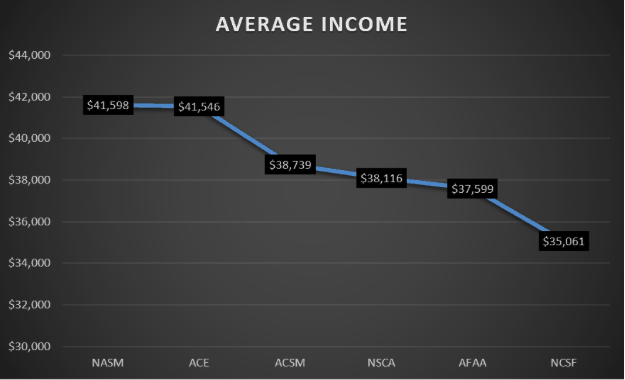
When people first consider becoming a trainer they begin to think about the major gyms and how much they pay. And as much as certification bodies like NASM want to tell you that their average trainers make $42k a year, the reality of a personal trainer salary ultimately lies in what the gyms will pay as this is the most common career route.

However, the gym route is not the only one and many existing or aspiring trainers want to venture into the more entrepreneurial routes of private, or online personal training, as higher income levels are more easily achieved.

So, to help trainers understand what popular gyms pay their trainers and to showcase some insider knowledge on what private and online trainers can make, I’ve put together this post that outlines personal trainer salaries as well as what trainers at the most recognizable gym brands around the country get paid, and how they set up their payment structure. Overall this blog answers the question, “how much can I make as a personal trainer?”.

I’ll also discuss the three pay structures that are common to trainers and provide you with next steps from a seasoned personal trainer who has gone through the experience of getting a gym job first-hand as well as utilized the private and online routes.

Before You Get Paid, You Have to Get Certified

First things first, if you want to work in personal training or at a big box gym like 24-Hour Fitness, Equinox, LA Fitness, or the like, you’ll need a personal training certification from a credentialed fitness organization.

Gyms want their trainers to get, or have, certifications, because they provide a baseline for credibility.

We have written a very comprehensive blog on the best personal trainer certifications where you can take a look at our side-by-side analysis of 10 different, popular personal training certification organizations. If you are unsure the exact steps to become a trainer and the prerequisites — education, age requirements, CPR/AED certifications.

Keep in mind that many gyms may hire you before you get a certification, and some will even have you go through their internal certification, so if you have a gym in mind for your place of employment it doesn’t hurt to ask what their requirements are first. Note that a true personal training certification will allow for a job at a much wider range of locations than just that one gym, something you’ll want to consider as your career evolves.

But before you enter the personal training employee marketplace, it pays to know some of the various pay structures that are common within the personal training industry so you know what to expect going in.

3 Types of Gym Pay Structures Common to Personal Trainers

When you begin your search for gyms that will provide you gainful employment, you can expect the pay structures to fall into one of these three categories:

1. Commercial gym
2. Independent personal trainer
3. 1099 personal trainer

1. Commercial Gym Pay Structure


In the gym world, the gyms who make you get clients and don’t feed them to you will generally pay the most. The opposite is true too; the gyms that feed you clients will generally pay you the least.

Commercial gyms will typically pay you minimum wage to “work the floor” and try to drum up new clients. Once you are actually training clients, you’ll get a bit more per hour as you are increasing the gyms revenue by performing a training session. If you sell a large personal training package, commercial gyms will often give you a commission. 

2. Independent Personal Trainer Gym Pay Structure

Independent pay structures, or those that pertain to the self-employed personal trainer, are much more favorable to the trainer, but the negative is that they are obviously not as exposed to as many potential clients as they would be on the floor of a major gym, and are only getting paid when they train.

When you are self-employed, or an independent personal trainer not on a gym’s payroll, you may be able to develop relationships with smaller, privately-owned gyms that will allow you to bring in your own clients.

The catch is that you have to pay the gym a fee when you use their gym to train your client. For example, I used to pay a privately-owned, non-chain gym $15 a session to bring my client in and train them.

I could ultimately charge my client whatever I wanted, and had no pressure from any boss to sell more training sessions as it was entirely up to me. I did have to do more for marketing and found these metal cards to be a professional way of displaying the quality of my business to new potential clients. 

Keep in mind that with this independent structure, you are running your own business, which means you are responsible for additional tasks like accounting, taxes, marketing, advertising, sales and lead generation.

Related: How to Set a Pricing Structure for Your Personal Training Business I

80% OFF

12 Customizable Program Templates!
$169 → $31.
FM-Customizable-Program-Templates

3. 1099 by a Gym Pay Structure

The 1099 model is similar to the self-employed trainer model except the gym has a relationship with the clients. A 1099 is a tax form given to an independent contractor as opposed to a W2 which is given to employees.

In this pay structure, the gym does not actually employ you as a personal trainer, but they contract with you so that they can make money on personal training and alleviate themselves from the costs of having an employee.

The 1099 model is like when you hire a plumber to come fix your broken toilet; they are getting paid for their service but they are not your employee.

In the contractor payment style, the personal trainer and the gym typically get a split, like 50/50, on whatever the gym charges. So, if the gym charges $60 for an hour long session, they’d keep $30 and you’d get paid $30. The gym collects the money from the client and then will pay you, the trainer, for the session performed.

With this type of structure the personal trainer will be responsible for claiming taxes on the money they make, as the gym does not set aside any income since the trainer is not an employee.

Now, you may be asking yourself, “how do I know what kind of payment structure the gym I want to work at has?” Excellent question, let’s address that below.

How Popular Brand Name Gyms Pay Their Personal Trainers

While I could have left you hanging with the above information on the three various pay structures that are common for trainers who work at/with gyms, I wanted to do a deeper dive and get some answers from real trainers who work, or have worked, at some popular gym chains.

The Fitness Mentors team reached out to several gyms chains and their current employees, as well as conducted a survey with our current and previous students on Facebook, to get currently used payment structures and insight on how various gyms pay their trainers. We have provided that information below.

If you have any experience with these gyms or would like to comment on something different, please feel free to let us know in the comments so we can update this post. 

Equinox logo

Equinox Personal Trainer Salary

Non-training payment:

Floor hours at minimum wage – typically 20 hours a week until your client base grows.

Payment structure:

Less than 42 sessions per pay period (2 week pay period):

  • Tier 1: $26 per one hour session
  • Tier 2: $30.50 per one hour session
  • Tier 3: $36.50 per one hour session
  • Tier 3+: $45.50 per one hour session
  • Tier X: $64 per one hour session

More than 42 sessions per pay period (2 week pay period):

  • Tier 1: $31 per one hour session
  • Tier 2: $42.50 per one hour session
  • Tier 3: $53 per one hour session
  • Tier 3+: $61 per one hour session
  • Tier X: $74.50 per one hour session

The average full-time trainer at Equinox performs 25-30 training sessions per week.

Equinox Income Potential
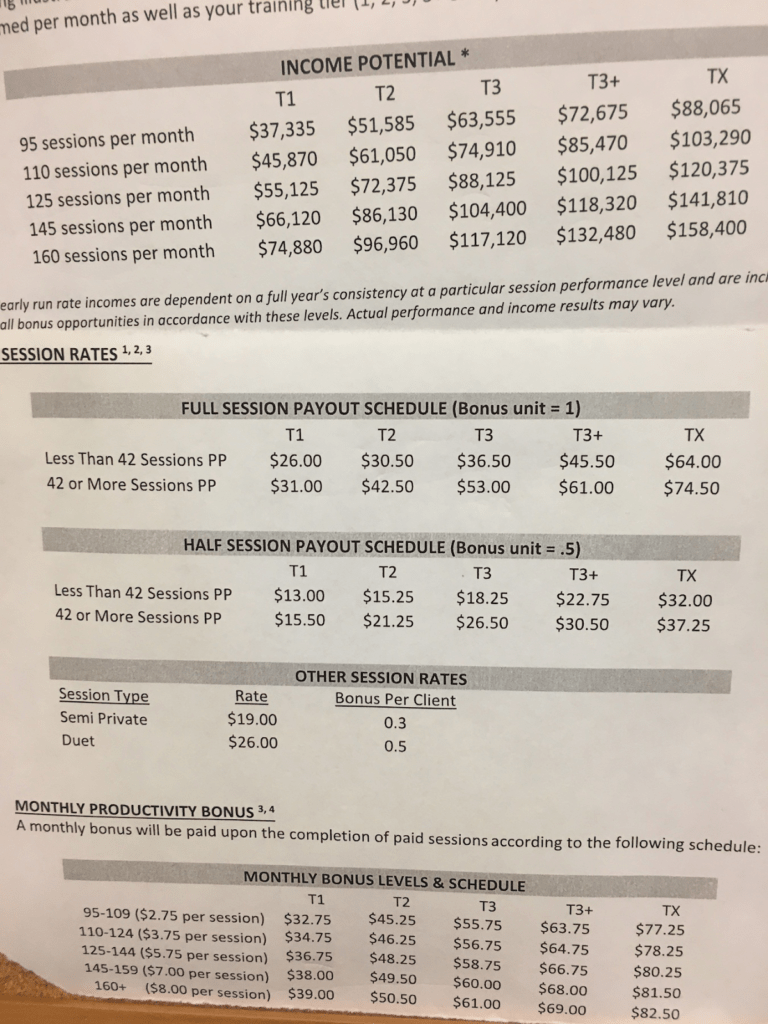
Equinox Income Potential
24 Hour Fitnesss Logo

24-Hour Personal Trainer Salary

Non-training payment

Minimum wage for non-training hours.

Payment structure:

  • 20% Commission on all individual personal training package sales paid up front.
  • 10% Commission on all TC24 group training package sales.

Also, a 5% bonus commission is added to total salary when 60 training sessions or more are performed in one pay period.

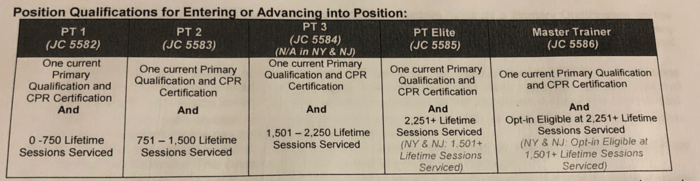
24-Hour Personal Trainer Salary 24-Hour PT Tier Structure and Associated Pay per Session:
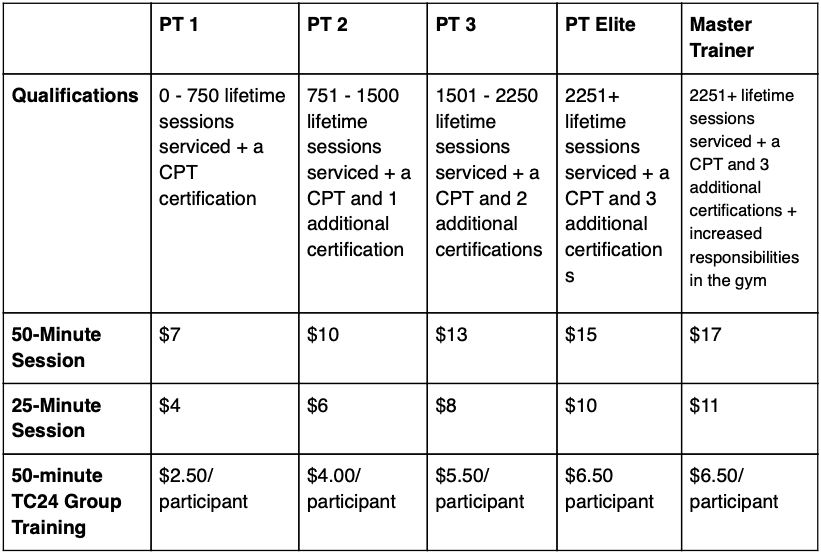
24 Hour PT Tier Structure and Associated Pay per Session

24-Hour Bonus Structure per Training Session:
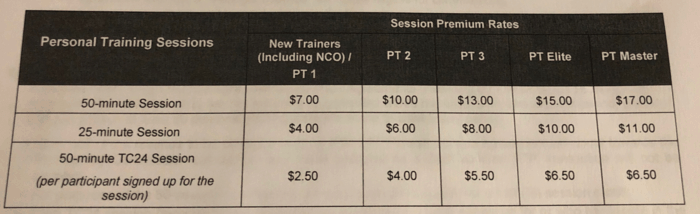
24 1

24-Hour Fitness Commission for Package Sales:
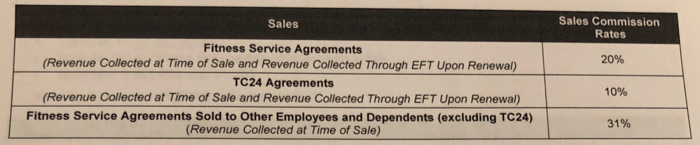
24 2

24-Hour Fitness Tiers:

24 3
An example monthly salary of a new PT 1 trainer that is building up their business at 24-Hour Fitness is shown below:
  • Example minimum wage is $10/hour
  • 120 hours worked in the month at $10/hour = $1,200
  • 60 training sessions performed in the month x $7 = $420
  • $2,500 in training package sales x 20% commission = $500
  • Total Monthly Salary = $2120

24-Hour Fitness Salary Example of a Master Trainer

An example monthly salary of a full-time Master Trainer:
  • Example minimum wage is $10/hour.
  • 160 hours worked in the month at $10/hour = $1,600
  • 120 training sessions performed in the month x $17 = 2,040
  • $5000 in Training package sales x 20% commission = $1,000
  • Monthly Salary = $4,640
  • 5% commission added to the monthly salary of $4,640 since more than 60 sessions per pay period were performed = $232
  • Total Monthly Salary after 5% bonus commission= $4,872

la fitness logo png 3 1

LA Fitness Personal Trainer Salary

Non-training payment

Minimum wage for non-training hours.

Payment structure:
$6 – $7.50 per 30 minute session
$12 – $15 per 1 hour session

$7.50 – $15 is for larger cities with higher cost of living like in Los Angeles.
$6 – $12 is for less populated, lower cost of living areas like Arizona.

Other findings:

No findable bonus structure. Trainer turnover is very high.

Every person in the Facebook group concurred that LA Fitness is a less than ideal place to work as a trainer, but a few people mentioned they pay their group exercise instructors significantly better.

anytime fitness

Anytime Fitness Personal Trainer Salary

Non-training payment: 

Varies

Payment structure:

Varies, these are franchised gyms and each one has a different pay structure. 

Answers varied on payment structure for the trainers we surveyed:

  • 50/50 split 
  • Minimum wage plus bonuses to sign people on to monthly training packages 
  • Trainers can increase income by teaching group exercise classes

Other findings:

Collective agreement that Anytime Fitness is an enjoyable place to work. They are 3,000-5,000 sq ft gyms with only 5-10 trainers per location.

crunch fitness

Crunch Fitness Personal Trainer Salary

Non-training payment:

None
 

Payment structure:

These are franchised gyms and each location may have a different pay structure.

Here are some quotes from Crunch Fitness trainers concerning their salary. Answers varied on payment structure:

I’m only paid for hours trained and commission on sales. I’m not paid while trying to get clients.”

“I work at Crunch. Mine is a level 3 gym but because I just started I’m at level 2 for a few months. If I charge a la carte the client pays $80/hour or $50/30 minute session. Depending on my sales volume I can make between 40% and 65% of what I sell. I’m given “potential clients” but I have to sell them the personal training sessions. There’s not a sales force like at LA Fitness but the income potential is much better. I set my own hours and can work whenever I like. They encourage me to sell package deals which requires a 3 month commitment from the client. They are not allowed to cancel. Money is debited from their account either monthly or biweekly. They can also get a discount if they pay in full. For level 2, if you wanted to be trained 2x week, it would cost $504. For 3x week $697. Those are monthly rates for hour long sessions. Level 3, of course, is higher and most of the trainers at my gym are level 3. We have about 17 trainers. It’s a great place to work! Just takes time to build your clientele.” 

ymca 3 logo png transparent

YMCA Personal Trainer Salary

Non-training payment:

Minimum wage is paid when not training. 

Payment structure:

Basically, YMCA trainers make $15 – $28 per session/hour depending on their tier. 

We were able to find some training salary data for YMCA but it is just for the Charlotte, NC area. I assume that cities with higher costs of living would be accounted for in pay (and vice versa for smaller cities), but we were unable to find any other data on that.

The information for YMCA trainers and their tiers can be found below, respectively:

  • Tier 1 Trainer– Pay Rate: $15.89 – $19.86; Responsible for training a minimum of 2 sessions per week; Responsible for working the fitness floor 4-8 hours per week for initial 3 months
  • Tier 2 Trainer– Pay Rate: $17.48 – $21.85; Responsible for training a minimum of 5 sessions per week; Responsible for working the fitness floor 4-8 hours per week for initial 3 months
  • Tier 3 Trainer– Pay Rate: $21.00 – $26.24; Responsible for training a minimum of 10 sessions per week; Responsible for working the fitness floor 4-8 hours per week for initial 3 months
  • Tier 4 Trainer– Pay rate: $22.89 – $28.61; Responsible for training a minimum of 20 sessions per week; Responsible for working the fitness floor 4-8 hours per week for initial 3 months; Serve as a Continuing Education Provider for YMCA of Greater Charlotte teaching at least 1 workshop per year; Serve as a mentor to Tier 1-3 trainers

Other benefits include:

  • YMCA pays for all the trainers CEUs
  • The “Y” also pays the trainers’ recertification fee – approximately $100 every two years

539119d901c6b76668f4227f51378a6a

Planet Fitness Personal Trainer Salary

Non-training payment

Full-time minimum wage positions. 

Payment structure:

Typically no higher pay for trainers, but it is an easy job that requires no sales and just training. Decent for beginners looking to gain training experience but not really career-worthy. No commissions. No bonuses. 

Personal Trainer Salary FAQ

Yes, making good money as a personal trainer is very viable. Even entry-level personal trainers can make upwards of $25 an hour, and easily up to $100 an hour if they are experienced.
Our research indicates that personal trainers make anywhere from minimum wage up to $75 an hour, at more prestigious gyms. Private personal trainers can make even more per hour, charging up top $100 an hour.
The typical beginner personal trainer starts off their career in a gym as opposed to training private clients. On average, personal trainers make around $42,000 per year but the salary can vary by city, with more urban areas commanding higher salaries.
Personal training is a great career choice because it is constantly ranked highly for providing an excellent quality of life, flexible work hours, and a solid work-life balance.
Yes, many trainers that put in hard work can make $100,000 or more a year as a personal trainer. Personal trainers that take their businesses online also benefit from higher incomes as they can sell services while they sleep and are not limited to the available hours in a day as are in-person trainers.
No, it is not difficult to get a personal training job once you have a personal trainer certification. Many gyms are actively hiring personal trainers and the health and wellness industry as a whole is forecasted to continue its growth trend.

Private Personal Trainer Salary

It is a well known fact that private personal trainers have the potential to make far more than gym trainers.

Why? Because private personal trainers can set their own rates.

There is a catch for private personal trainers, however, and that is that they have to drum up enough business to write their own paycheck. But before we get into a sample private personal trainer salary let’s define exactly what a private personal trainer is.

A private personal trainer is a trainer that is self-employed, creates their own work schedule, and is free to choose the clients that they work with. For many personal trainers, this is the end goal of their personal training careers and is what sees some trainers working with celebrities and making big bucks.

Unlike gym trainers, private personal trainers don’t get help from the gym or get funneled clients from fitness organizations. They utilize their own networking, sales, and marketing skill sets to drive leads and ultimately generate new clients.

For that reason, many private personal trainers struggle to make a decent income. You can’t simply get a personal trainer certification and expect leads to come your way. (Check out this course to learn how to build your business and get clients). This is also why so many trainers start out in the gym, get experience, make relationships, begin taking on private clients on the side, and eventually leave the corporate gym environment behind.

How Much Do Private Personal Trainers Make?

A respectable private personal trainer can make upwards of $70,000 per year.

Compare this to the full time salary of a respectable personal trainer at 24-Hour Fitness which would likely fall in the low $40,000 range. And by respectable I mean one with a couple thousand hours of sessions under their belt and training 20-30 sessions per week. This low $40,000 range is also commensurate with what NASM says their average trainer makes.

For example, a 24-Hour Fitness trainer in their middle tier (PT3) makes $13 an hour when training. If you compare a potential salary of an entry-level trainer at 24-Hour Fitness, $22,440/year, to that of a Master Trainer at 24-Hour Fitness, $58,464, and split it down the middle (which is more or less where a PT3 would be), you’d get $40,452.

Now, let’s compare the above salary of a gym trainer to that of a private personal trainer.

The average private personal trainer in the U.S. charges around $50 session. Let’s say this trainer works a total of 30 hours per week and making $1,500 in that time. Multiple this time the weeks in a year, 52, and you have a respectable private trainer who is making $78,000 a year.

Potential Salary of Private Personal Trainer

  • Charges $50/session
  • Works 30 hours per week (sessions)
  • Makes $1,500/week
  • Makes $78,000/year

That same trainer can charge $100 a session, work 15 hours a week, and make the same salary.

Gym trainers typically have to work a lot more hours than private personal trainers for a fraction of the salary which is why private training is often the more desirable route. But as we’ll learn, private personal training is not the only way to make money as a trainer outside the gym.

Interested in getting a CPT with an emphasis on entrepreneurship and business development? Check out the FM-CPT for more info.

Next Steps for Aspiring Personal Trainers

Now you know what you can potentially make when you become a personal trainer at a gym. With this information, you may understand the gyms you want to work at and those you potentially want to stay away from.

One thing that should be clear with this information is that personal growth equates to more money as revealed by the tier systems many of these gyms have. The goal of continually developing yourself as a personal trainer is so you can build your book of business and generate a better income for yourself.

If you are interested in becoming an all-around better personal trainer and business-savvy individual, check out my book and online course I’ve made specifically for hungry self-starters looking to earn the income they deserve: Business and Sales: The Guide to Success as a Personal Trainer.

In addition to understanding which gym to kickstart your career, you’ll still want to have an understanding of which personal trainer certification is right for you. Amongst the three most popular certifications are Fitness MentorsNASM and ACE, of which we cover side-by-side in this in-depth blog post

If you liked this post or want us to try and find additional information, please let me know in the comments. If you have experience at other big brand gyms and want to share the salary information, please help us educate other personal trainers by sharing your thoughts below.

Check out our Top 5 Exercise Science Careers and The Best Education Paths

Instructor

CEO of fitnessmentors.com – Teaching 30,000+ students how to become CPT’s


BS Kinesiology, NASM-CPT, CES, PES FNS, MMAS, WLS, FM-CPT, ACE-CPT, Master Personal Trainer

Eddie Lester is the founder and CEO of Fitness Mentors. With more that 17 years experience in the health, fitness and athletics field, he has helped tens of thousands of personal trainers transform their careers and reach their business goals. With a background in Kinesiology and Exercise Physiology Eddie has assisted in research that is spearheading the exercise science field.

His in-depth knowledge of the Health, Wellness and Fitness industry has earned him a place as a regular contributor on high profile sites such as the Personal Trainer Development Center, (Dan to list top sites) online where he writes about nutrition and personal training.

His contributions to help personal trainers include a weekly blog, podcast, youtube channel and multiple books including: Business and Sales: the Guide to Success as a Personal Trainer.

Eddie’s Philosophy often times includes focusing on the bigger picture in which daily positive contributions lead to a major impact on himself, his family, his community and the world.

Eddie is commonly found at the beaches of Southern California with his wife Courtney and five kids.


7 Best NASM CEU Courses

Best NASM CEU Courses

7 Best NASM CEU Courses

Top NASM CEU Courses:

As a NASM-certified personal trainer you are required to recertify your CPT every two years. You’ll need to get 1.9 CEUs (19 hours) through a course or seminar to fulfill this requirement in addition to earning 0.1 CEUs (1 hour) by maintaining your CPR and AED certifications (20 total credit hours).

Just a few years ago, personal trainers only had one option for recertification and this involved finding and visiting in-person workshops. Today, trainers have the option to do their continuing education in-person or get their necessary credits online.

While in-person and online CEUs each have their pros and cons, it’s nice to have options. Here is a breakdown of the five best NASM CEU courses that includes both in-person workshops as well as online courses.

Best NASM CEU Courses

circles@2x 1
cross 1

NASM Corrective Exercise Specialist

Our top pick for NASM-specific certifications, the Corrective Exercise Specialist teaches you how to be a trainer that can minimize injury while still focusing on strength and athleticism. Learning about muscular imbalances makes you an extremely valuable asset to your clients and often provides trainers the confidence to charge more for their services.

While the CES certification is available online, the face-to-face time you’ll get with a live person is highly recommended and is why we recommend in-person workshops over online learning for this specific class. The material is quite in-depth, meaning that you’ll likely be challenged and having an instructor next to you to answer your questions can be a valuable asset.

Cost: $899 for Self-Study

Enrollment Period: 365 days a year

CEUs: 1.9

Small Print: At a price range of $899 the CES course is fairly expensive. Because the course is so intense (and lends itself well to the progression of your career), having solid CES study materials are recommended to ensure completion the first time around.

FM-Certified Online Personal Trainer

There has never been a better time than now to become an online personal trainer as the world of in-person personal training has been challenged by COVID-19. The Fitness Mentors Certified Online Personal Trainer course is the best college-level course for trainers who are serious about training clients virtually.

From learning how to start an online personal training business, to learning the online mediums to sell, to generating online leads, and growing a business while you sleep, this is the ideal CEU course for the new world of online training.   

Cost: Only $699

Enrollment Period: 365 days a year

CEUs: 2.0 (or 20 hours)

Small Print: The FM-COPT fills a growing need in the personal training world due to the rules of social distancing. It is also the only online certification that is recognized by the National Board of Fitness Examiners

Business and Sales: The Guide to Success as a Personal Trainer

Successful business owners are created, not born. The often unfortunate case with many trainers is that they don’t know how to structure their businesses for success or put leads into a sales funnel, leading to their ultimate failure. The Business and Sales: The Guide to Success as a Personal Trainer was created by a successful personal trainer for exactly that reason and helps lead trainers down a path to financial growth.

Trainers have plenty of options for continuing education that have to do with physical fitness or nutrition, but little when it comes to actionable advice on how to create a system that generates sales. With coursework touching on creating a personal brand; creating and registering a business entity locally, statewide and with federal agencies; how to give away free information to get the attention of your chosen market; how to engage prospects and how to close, this class covers it all.

Cost: Only $249

Enrollment Period: 365 days a year

CEUs: 1.9

Small Print: This class provides valuable real-world business advice and might be less fun than exercise-based classes. It also forces you to be an actionable business owner, so it might not work for the moonlighting personal trainer who just wants CEUs and nothing else. At $249, this is definitely one of the least expensive NASM CEU courses out there.

NASM Certified Nutrition Coach

The NASM CNC is hands-down the most well-regarded nutrition certification in the fitness industry. Adding a nutrition-based certification to your NASM-CPT will give you the confidence to make client recommendations and possibly even charge more for your services.

The other great thing about the NASM CNC certification is that it requires no recertification so you’ll have it for life. You know that without proper nutrition, exercise programs won’t work to their full potential. Add this certification to your list to help your clients accomplish all their health and fitness goals.

Cost: $899

Enrollment Period: 365 days per year

CEUs: 1.9

Small Print: Not a great option for those looking for last minute CEU options.

Bonus: Free NASM CEUs

Looking for some free NASM CEUs to round out your criteria for the two-year recertification period? As a bonus to the other five listed on this page, check out Build Your Marketing Muscle: The FREE Guide to Marketing for Personal Trainers. This coursework is entirely online and focuses entirely on marketing.

circles@2x 1
cross 1

NCSF Certified Strength Coach

Just as Precision Nutrition’s Level 1 is the most highly regarded course of its kind in the nutrition industry, the NCSF Certified Strength Coach course is true to athletic training. If your goal is to work for a university or at the professional athlete level, it is likely you’ll be required to have this exact certification as a prerequisite for getting the job.

The coursework covers sport-specific training for America’s most popular professional and college sports, and also covers exercise techniques, how to design sport-specific programs, and organizational and administrative elements that are essential in professional environments.

Cost: $475 plus study materials

Enrollment Period: 365 days a year

CEUs: 1.9

Small Print: Detailed and loads of science so mentally prepare to study. 

Best NASM CEUs Recap

Furthering your continuing education is a requirement, but shouldn’t be viewed as one. Rather, NASM CPTs should view this obligation as an opportunity to further their interests in fitness and training and increase the ways in which they can help their clients. If you are unsure how to go about choosing the next CEU course for your career, we invite you to consider the “three P’s:

  1. Purpose: How will you use the knowledge you learn from a specific course or workshop?
  2. Population: Who will benefit from the new skills and education you receive? Is this the target population you want to work with? Is the population you want to target abundant in nature?
  3. Passion: Will you actually enjoy learning about this topic?

If you have questions about which NASM CEUs are right for you we would love to help. Leave a comment, call (424) 675-0476, or email us directly. We are always here to assist you in choosing the most successful path for your fitness career.

For more information on becoming a successful personal trainer click the below link and check out our business and sales course.

Business and Sales: The Guide to Success as a Personal Trainer 

circles@2x 1
path-6-1.png
path 6@2x 1

How to Transition from Gym Trainer to Private Personal Trainer

Private personal trainer

Many personal trainers start their career working inside a commercial gym. It’s a great place to learn the basics. You meet different clients, practice coaching, and gain real experience on the gym floor.

But after some time, many trainers begin to notice a problem. Even though they are doing the hard work, the gym keeps a big part of the money from every session. For example, a client might pay $70 for a session, but the trainer may only take home $20–$30. Over time, this can feel frustrating, especially when you already have strong coaching skills and loyal clients.

This is why many trainers start thinking about becoming a private personal trainer. Private training gives you more freedom. You can set your own prices, choose your working hours, and work directly with your clients without the gym taking a large cut.

Another reason private training is growing is convenience. Many people now prefer working out at home, in a private studio, or even in a nearby park. Busy schedules, family life, and crowded gyms make personal home training a great option for many clients.

Still, moving from a gym job to private training can feel confusing at first. You may wonder how to find clients, how much to charge, or how to start building your own training business.

The good news is that the transition does not have to happen overnight. Many successful trainers start by slowly building a small private client base while still working at the gym. Step by step, they grow their reputation, gain more referrals, and eventually move into private training full time.

In this guide, you will learn the exact steps to move from gym trainer to private personal trainer. From finding your first clients to setting your rates and building a strong training business, this guide will help you make the transition with confidence. 💪

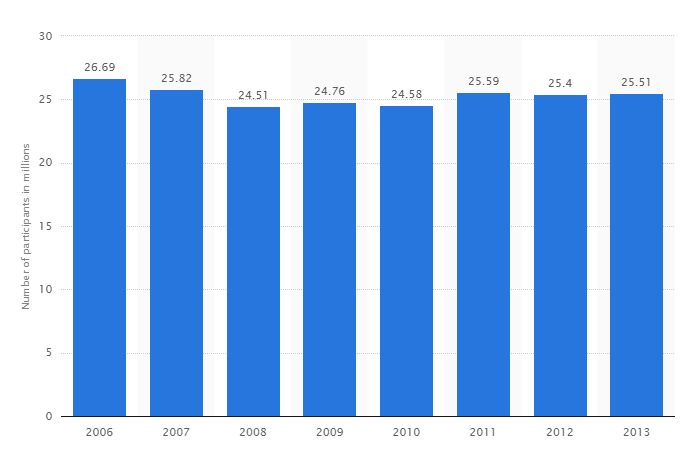
Number of participants in home gym exercise in the United States from 2006 to 2013 (in millions)*

home exercise market
Source: Statista
circles@2x 1
cross 1

What Is a Private Personal Trainer?

private personal trainer is a fitness coach who works independently instead of working for a gym. This means the trainer works directly with clients and is not tied to a commercial fitness center.

Instead of relying on a gym to provide clients, a private trainer builds their own client base and manages their own training schedule. This gives them more control over how they work and how much they earn.

Private personal trainers also have the freedom to choose where and how they train their clients. Training sessions can happen in many different places depending on what works best for the client.

Common places private trainers work include:

  • Client homes – Many people prefer working out at home because it saves travel time and feels more comfortable.
  • Local parks or outdoor spaces – Outdoor workouts are great for bodyweight exercises, running, and group training.
  • Private studios or small fitness spaces – Some trainers rent a small studio where they train clients one-on-one.
  • Online coaching – Trainers can also guide clients through video calls or training apps.

Another big difference is that private trainers set their own prices. Instead of sharing revenue with a gym, they decide how much to charge per session, per package, or for online programs.

Private trainers are also responsible for managing their own clients. This includes scheduling sessions, tracking progress, planning workouts, and building strong relationships with the people they train.

Because of this independence, many trainers see private training not just as a job, but as their own small fitness business. With the right approach, it can lead to more freedom, better income, and stronger long-term client relationships.

Private Trainer vs Gym Trainer

Many people start their fitness career working as a gym trainer, but over time they start thinking about becoming a private trainer. Both paths involve helping clients get stronger and healthier, but the way the job works is quite different.

Let’s look at the main differences.

Gym Trainer

A gym trainer works as part of a commercial gym. The gym handles many things like equipment, space, and sometimes marketing.

However, there are a few limits.

  • The gym keeps a large percentage of the session fee. If a client pays $60–$80 for a session, the trainer may only receive a part of it.

  • The schedule is often fixed. Trainers usually work shifts and must follow the gym’s working hours.

  • The gym helps provide clients. Many gyms give trainers new members or leads, which makes it easier to start building experience.

For beginners, working at a gym can be a great way to learn coaching skills and gain confidence.

Private Trainer

A private trainer works independently and manages their own training business.

This comes with more freedom but also more responsibility.

  • Full control over schedule. Trainers can decide when they want to work and how many clients they take.

  • Higher earning potential. Since there is no gym taking a large cut, trainers keep most of the session income.

  • They must find their own clients. Private trainers usually rely on referrals, social media, and local marketing to grow their client base.

In simple terms, a gym trainer works as part of a system, while a private trainer runs their own small fitness business. Many trainers begin at a gym to gain experience and later move into private training when they are ready for more freedom and better earning potential. 


Why Many Personal Trainers Leave Commercial Gyms

Working at a commercial gym is a great way for new trainers to start their career. It gives them a place to coach clients, learn how to create workout programs, and gain confidence on the gym floor.

But after some time, many trainers begin to feel limited by the gym system. Even though they enjoy helping clients, they may realize that their growth, income, and freedom are controlled by the gym they work for.

Because of this, many trainers eventually decide to move toward private personal training, where they can work more independently and build their own business.

Here are some of the most common reasons trainers leave commercial gyms.

Limited Income Potential

One of the biggest reasons trainers leave gyms is the limit on how much they can earn. In many gyms, trainers are paid per session, and the pay rate does not increase much over time.

Even if a trainer becomes highly skilled and has many clients, their income may stay almost the same. This can make it difficult for trainers who want to grow their career or earn more from the time and effort they put into coaching.

Private training allows trainers to set their own prices, which often leads to higher earning potential.

Gym Commissions and Fees

In most commercial gyms, the gym takes a large share of the training session fee. For example, a client might pay a high price for a session, but the trainer only receives a small portion of that payment.

This system helps the gym cover costs like equipment, marketing, and space, but it can feel frustrating for trainers who are doing most of the work with the client.

By becoming a private trainer, many coaches prefer keeping the full value of the service they provide.

Lack of Schedule Flexibility

Another challenge many trainers face in commercial gyms is schedule control. Trainers often need to follow gym shifts, early morning hours, or late evening schedules.

While this works for some people, others want more control over when they work and how many sessions they take each week.

Private trainers can build their own schedule and work at times that fit both their life and their clients’ needs.

Wanting to Build a Personal Brand

Many trainers also dream of creating their own fitness brand. They want their name, coaching style, and training results to be recognized by clients.

In a commercial gym, the gym brand usually comes first. Clients often see the gym as the main service provider instead of the individual trainer.

Private training gives coaches the chance to build their own reputation, online presence, and loyal client community. Over time, this personal brand can help them attract more clients and grow a long-term fitness business. 

Signs You Are Ready to Become a Private Personal Trainer

Not every trainer should jump into private training right away. Working in a gym helps you learn many important skills first. But after gaining some experience, many trainers start feeling ready for the next step.

If you are thinking about leaving the gym and starting private training, there are a few signs that show you may be ready. These signs usually mean you have the skills, confidence, and support needed to begin working independently.

You Already Have Loyal Clients

One of the biggest signs you are ready is having clients who enjoy training with you and keep coming back for more sessions.

Loyal clients trust your coaching and like the results they are getting. Some of them may even ask if you offer training outside the gym or if you can coach them privately.

When clients want to continue working with you no matter where you train, it shows that your coaching is valuable and people believe in your ability to help them reach their goals.

You Understand Program Design Well

Private trainers need to create training plans that fit each client’s goals and fitness level. This means you should feel comfortable designing workout programs for different types of people.

For example, you may train clients who want to lose weight, build strength, improve mobility, or simply stay active. Understanding how to adjust workouts for different needs is an important skill when you train people one-on-one.

If you can confidently plan sessions and adapt workouts when needed, it’s a strong sign you are ready for private coaching.

Clients Trust Your Coaching

Trust is a huge part of personal training. When clients listen to your advice, follow your workout plans, and ask for your guidance, it means they see you as a reliable coach.

Clients who trust you are more likely to stay consistent, follow your programs, and recommend you to their friends or family. This kind of relationship is very important when building a private client base.

The stronger your client relationships are, the easier it becomes to grow as a private trainer.

You Want to Build Your Own Business

Many trainers eventually feel the desire to create something of their own. Instead of working under a gym brand, they want to build a business that reflects their coaching style and personality.

Becoming a private personal trainer allows you to grow your own brand, choose your training methods, and create the type of service you believe in.

If you feel excited about managing your own clients, setting your own rates, and growing your own fitness career, it may be the perfect time to start your journey as a private personal trainer.

Step-by-Step Guide to Transition From Gym Trainer to Private Trainer

Moving from a gym job to private training does not have to happen all at once. The smartest way to do it is step by step. This allows you to gain confidence, build clients, and grow your income slowly without taking big risks.

Below are simple steps many successful trainers follow when making the transition.

Step 1 – Build Experience Inside the Gym

Before starting private training, it is important to gain strong experience while working at the gym. The gym environment helps you practice coaching and learn how to work with different types of clients.

Focus on improving a few key skills.

First, learn coaching techniques. Pay attention to how you explain exercises, correct form, and motivate clients during tough workouts.

Second, learn client psychology. Every client is different. Some need encouragement, while others need structure and accountability. Understanding how people think helps you become a better coach.

Finally, track client results. Keep records of progress like weight loss, strength gains, or improved endurance. When clients see results, they are more likely to stay with you and recommend you to others.

Step 2 – Identify Clients Who Prefer Private Training

Not every gym member wants private training, but some people prefer a more personal experience. These clients are often the best fit for home or private sessions.

Look for clients such as:

  • Busy professionals who don’t have time to travel to the gym

  • Parents who prefer working out at home while managing family responsibilities

  • Home gym owners who already have equipment but need guidance

These people often value convenience and personal attention, which makes private training a great option for them.

Step 3 – Start Offering Home Training Sessions

Once you identify interested clients, you can begin offering private sessions outside the gym. Many trainers start by coaching clients in their homes or nearby parks.

Home workouts can be very effective. Many exercises use bodyweight, resistance bands, or simple equipment. The goal is to design workouts that match the equipment your client already has.

Another big benefit of private training is flexible scheduling. You can arrange sessions at times that work best for both you and your client.

Private sessions also provide more personal attention. Without the busy gym environment, you can focus fully on one client and help them perform exercises safely and effectively.

Step 4 – Set Your Private Training Rates

One of the biggest changes when moving to private training is setting your own prices. Instead of receiving a fixed pay from a gym, you decide how much your service is worth.

Several factors can affect your pricing.

Your experience level plays a big role. Trainers with more knowledge and results can often charge higher rates.

Your location also matters. Training in large cities or high-demand areas may allow higher prices compared to smaller towns.

Finally, session length is important. Some trainers offer 30-minute sessions, while others provide 60-minute or even 90-minute sessions. Longer sessions usually cost more.

Take time to research what trainers in your area charge so your rates stay competitive.

Step 5 – Gradually Transition Your Schedule

The best way to move into private training is slowly. There is no need to quit your gym job immediately.

Many trainers start by keeping some gym clients while adding a few private clients each week. As your private client list grows, you can reduce your gym hours.

This gradual transition gives you time to build a stable income and strong relationships with your new clients.

With patience and consistency, many trainers eventually reach the point where their private training business becomes their main source of work and income.

How to Find Your First Private Personal Training Clients

One of the biggest worries trainers have when moving into private training is finding clients. When you work at a gym, the gym often helps bring people through the door. But as a private trainer, you need to start building your own client base.

The good news is that you don’t have to start from zero. Many trainers already have access to people who trust them and are interested in their coaching. With a few simple steps, you can begin attracting your first private clients.

Start with Your Existing Gym Clients

Your current clients are often the best place to start. These are people who already know your coaching style and have seen the results of your training.

Some of them may prefer more flexible sessions outside the gym. Others may want the convenience of training at home or in a quiet environment.

By simply talking to your clients and explaining that you offer private sessions, you may discover that some of them are interested in working with you outside the gym.

Ask for Referrals

Referrals are one of the most powerful ways to grow your client base. Happy clients often have friends, family members, or coworkers who are also interested in improving their health.

You can politely ask your current clients if they know anyone who might benefit from personal training. Many trainers find that one satisfied client can lead to two or three new clients through simple word-of-mouth.

Over time, referrals can become one of the strongest ways to grow your private training business.

Offer Free Consultation Sessions

Some people feel unsure about hiring a personal trainer, especially if they have never worked with one before. Offering a free consultation can help remove that fear.

During the consultation, you can talk about the client’s goals, fitness level, and lifestyle. You can also explain how your training program can help them improve their health and reach their goals.

This short meeting helps build trust and gives potential clients a chance to see how you work before committing to regular sessions.

Use Local Social Media Groups

Social media can be a great way to connect with people in your local community. Platforms like Facebook often have neighborhood groups where people discuss local services, events, and recommendations.

You can share helpful fitness tips, answer questions, or mention that you offer private training sessions in the area. When people see useful advice and positive interaction, they may become interested in your coaching.

The key is to be helpful and genuine rather than overly promotional.

Partner with Local Businesses

Another smart strategy is working with other businesses in your community. For example, you could partner with:

  • physical therapy clinics

  • yoga studios

  • wellness centers

  • health food stores

These businesses often work with people who care about their health and fitness. By building friendly relationships, they may recommend your training services to their clients.

Local partnerships can help you reach new people while also building a strong reputation in your community.

Creating the Perfect Private Training Experience

Private training is more than just taking clients through exercises it’s about giving them a personalized experience that they can’t get in a busy gym. When clients feel supported, motivated, and see real results, they are more likely to stay with you long-term and recommend you to others.

Here’s how to create an experience that makes your private training stand out.

Personalized Workout Programs

Every client is unique. They have different goals, fitness levels, and schedules. As a private trainer, you can design custom workout programs that fit each client’s specific needs.

For example:

  • A client recovering from injury might need low-impact exercises.

  • Someone training for strength may need a progressive weightlifting plan.

  • Busy professionals may prefer short, high-intensity workouts that fit their schedule.

By tailoring programs to the individual, you show clients that you understand them and care about their progress.

Home Gym Equipment Planning

Many private clients train at home, which means you often work with limited equipment. Part of your value as a trainer is helping clients use what they have effectively or recommending affordable additions to their home gym.

You can:

  • Design workouts using bodyweight, resistance bands, or dumbbells.

  • Suggest small, budget-friendly equipment upgrades.

  • Teach clients how to set up their space safely and efficiently.

This planning ensures that clients get effective workouts without needing a full commercial gym.

Progress Tracking

Tracking results is one of the most motivating parts of private training. Keep records of:

  • Strength improvements

  • Weight or body composition changes

  • Endurance or mobility progress

Sharing these results regularly shows clients that their efforts are paying off. It also helps you adjust their programs as they improve, keeping the workouts challenging and effective.

Accountability and Motivation

Many clients struggle to stay consistent with workouts, especially outside a gym. As a private trainer, you provide accountability and motivation:

  • Checking in between sessions

  • Celebrating achievements

  • Encouraging clients to push past plateaus

When clients know someone is guiding and supporting them, they are more likely to stay committed. This is one of the key reasons private training is so valuable and why clients are willing to invest in it.

Combining At-Home Training With Online Coaching

In today’s world, private training doesn’t have to happen only in person. Many clients enjoy the flexibility of hybrid coaching, where they get guidance both at home and online. This allows you to provide consistent support, keep clients accountable, and help them reach their goals faster even when you aren’t physically there.

Hybrid coaching is especially helpful for clients with busy schedules, long commutes, or limited access to equipment. It also lets you manage more clients without stretching yourself too thin.

Here’s how to make hybrid coaching work effectively.

Workout Tracking Apps

Workout tracking apps are a game-changer for private trainers. Apps like MyFitnessPal, Trainerize, or FitNotes allow clients to log workouts, reps, weights, and duration.

When clients track their workouts:

  • You can see their progress in real time.

  • You can adjust programs based on their performance.

  • Clients feel motivated because they can see their own improvement.

Using these apps makes it easy to stay connected and ensures clients stick to their plan.

Weekly Progress Check-Ins

Even if your client trains mostly on their own, weekly check-ins are essential. These can happen via video call, phone, or messaging.

During check-ins, you can:

  • Review progress from the past week

  • Adjust workouts based on performance

  • Celebrate achievements and motivate them for the upcoming week

Regular communication helps clients feel supported and accountable, which leads to better results.

Nutrition Accountability

Fitness isn’t just about workouts nutrition plays a huge role in achieving results. Encourage clients to log meals, track water intake, and follow healthy habits.

When you guide clients on their diet without being too strict or judgmental, they are more likely to make consistent, long-term improvements.

Example:

  • Suggest healthier swaps for cravings

  • Remind them about portion control

  • Celebrate small victories like choosing fruit over sweets

By helping clients stay accountable with nutrition, you improve their results and show your value as a private trainer.

Online Workout Plans Between Sessions

Sometimes you won’t be with your client for every workout. Providing online workout plans lets them train safely and effectively between your sessions.

You can:

  • Send video demonstrations

  • Provide written workout instructions

  • Include options for different equipment availability

This ensures that clients stay consistent, stay motivated, and see progress even when you aren’t physically present.

Combining at-home sessions with online coaching creates a flexible, personalized experience. Clients feel supported, stay accountable, and achieve results faster all while giving you the freedom to manage your schedule and grow your private training business. 

Equipment You Should Bring to Client Homes

One of the things that makes private training different from working in a gym is you don’t have access to all the equipment. To make sure your sessions are effective, it’s important to bring a few essential tools that are portable and versatile.

Here’s a simple list of equipment I always bring to client homes:

  • Resistance Bands – Great for strength training, mobility exercises, and warm-ups. They are light and easy to carry.

  • Jump Rope – Perfect for quick cardio sessions or warm-up circuits.

  • Suspension Trainer – A compact tool that lets you do bodyweight exercises anywhere, even using a door frame or tree.

  • Kettlebells – Useful for strength, endurance, and functional movements. You don’t need many; a few different weights are enough.

  • Mobility Tools – Foam rollers, massage balls, and stretch straps help clients recover and improve flexibility.

Bringing your own equipment ensures every session is productive, no matter what your client has at home. It also makes you look professional and prepared, which builds trust with your clients.

How Much Money Private Personal Trainers Can Earn

One of the most exciting parts of becoming a private personal trainer is the potential to earn more money than you would at a gym. Unlike gym jobs where a large portion of your fee goes to the facility, private training allows you to keep most of what you earn.

Here’s a simple breakdown to help you understand earnings:

Average Session Pricing

Private training rates vary depending on experience, location, and session length. On average:

  • 30-minute session: $30–$50

  • 60-minute session: $50–$100

  • 90-minute session: $80–$150

These are just examples, and many trainers adjust their prices as their experience and reputation grow.

Weekly Earnings Example

Let’s say you train 10 clients per week with 60-minute sessions at $70 per session:

  • 10 clients × $70 = $700 per week

If you gradually add more clients or offer multiple sessions per day, your weekly income can increase significantly.

Monthly Revenue Example

Using the same example, if you consistently train 10 clients per week:

  • $700 per week × 4 weeks = $2,800 per month

If you scale up to 20 sessions per week, your monthly income could easily reach $5,600 or more, depending on your rates.

The key is that private training gives you control over your income. The more clients you serve, the more sessions you can schedule, and the higher your earning potential becomes. With experience, referrals, and a strong reputation, private training can become a very profitable career.

Common Mistakes New Private Trainers Make

Even with experience, many trainers face challenges when moving into private training. Knowing the common mistakes ahead of time can save you time, money, and frustration. Here are some pitfalls I’ve seen and some I experienced myself so you can avoid them.

Transitioning Too Quickly

Some trainers quit their gym job too early before building a solid private client base. This can create financial stress if there aren’t enough clients to support you.

I always recommend gradually adding private clients while keeping some gym sessions until your business is stable. This makes the transition smoother and less risky.

Underpricing Sessions

A lot of new private trainers make the mistake of charging too little. It might feel easier to attract clients, but low pricing can undervalue your skills and make it hard to grow.

Instead, set rates that reflect your experience and the value you provide, and don’t be afraid to adjust them as your reputation grows.

Not Building a Brand

Many trainers forget that private training is also a business. Clients often choose trainers they recognize, trust, and feel confident in.

Not building a brand online presence, personal style, and consistent messaging can make it harder to attract new clients. Your brand helps people know who you are and why they should train with you.

Ignoring Marketing

Finally, some trainers rely entirely on word-of-mouth or hope clients will find them. While referrals help, consistent marketing is essential to grow your client base.

Marketing doesn’t have to be complicated it can be as simple as posting workout tips on social media, sharing client success stories, or networking with local businesses.

Tips to Build a Successful Private Personal Training Business

Running a successful private training business requires more than coaching skills. You also need strategy, consistency, and focus on results. Here’s what I’ve learned works best.

Build a Strong Personal Brand

Your brand is your reputation. Show people who you are, what you stand for, and the results you help clients achieve.

Use social media, a simple website, or client testimonials to make your brand visible. When clients know your story and see your expertise, they are more likely to trust you.

Focus on Client Results

Results are the foundation of your business. The better your clients do, the happier they are, and the more likely they are to recommend you.

Track progress, adjust programs when needed, and celebrate small wins. Results speak louder than any marketing message.

Use Social Proof and Testimonials

Happy clients are your best marketing tool. Ask satisfied clients to leave testimonials or share their progress photos.

Social proof shows potential clients that you are capable and trustworthy. It’s one of the fastest ways to attract new clients.

Stay Consistent With Marketing

Even if you have some clients, consistent marketing keeps your business growing. Simple steps include:

  • Posting weekly fitness tips or videos

  • Sharing client success stories

  • Engaging in local online groups

  • Networking with nearby businesses

Consistency builds recognition, trust, and eventually a strong, steady flow of clients.

💪 By avoiding mistakes and following these tips, you can build a thriving private personal training business that grows steadily and rewards your effort.

Frequently Asked Questions

Can Personal Trainers Work Independently?

Yes! Many trainers work independently without being tied to a commercial gym. Independent trainers set their own schedules, choose their clients, and run their own small fitness business. Private training allows more flexibility, control over earnings, and the ability to create personalized experiences for clients.

How Do Private Trainers Get Clients?

Private trainers usually find clients through a combination of strategies:

  • Starting with existing gym clients

  • Asking for referrals from satisfied clients

  • Offering free consultation sessions

  • Using social media and local online groups

  • Partnering with local businesses like wellness centers or yoga studios

Consistency and personal reputation are key once you help a few clients achieve results, referrals and repeat clients often follow naturally.

How Much Should a Private Personal Trainer Charge?

Rates vary depending on location, experience, and session length:

  • 30-minute session: $30–$50

  • 60-minute session: $50–$100

  • 90-minute session: $80–$150

Your pricing should reflect your experience, results, and the value you provide. Over time, you can adjust your rates as your reputation grows.

Do Private Trainers Need Certification?

While requirements vary by country, having a recognized personal trainer certification is highly recommended. Certification not only gives you credibility but also ensures you know how to train clients safely and effectively. It also makes clients more confident in hiring you.

Is Private Personal Training Profitable?

Yes! Private personal training can be highly profitable. Unlike gyms that take a large cut, private trainers keep most of their earnings. Depending on the number of clients, session pricing, and consistency, many trainers earn significantly more than they would in a gym. With the right approach, marketing, and client base, private training can become a full-time, high-earning business. 💪

circles@2x 1
path-6-1.png
path 6@2x 1

The 13 Best Personal Training Books: Quickly Become the Best PT You Can Be

Personal Trainer Books

Most of these books are personal trainer-specific, meaning they were written with you directly in mind. However, I did include a few industry-agnostic books in the mix to provide valuable insight into broader skillsets that every great personal trainer should possess. To make navigation easier, I’ve organized them into the following categories: Business, Sales and Marketing; Flexibility and Pain Management; Strength and Hypertrophy; Power, Olympic Lifting, and Athletic Performance; Nutrition; and Personal Development.

You might be wondering what makes me qualified to recommend personal training books in the first place. Well, for starters, I’ve written my own Business and Sales: The Guide to Success as a Personal Trainer so I know firsthand what it takes to put valuable, actionable content on the page. On top of that, I’m a former college personal training professor, which meant I was required to read an enormous number of books on the subject, in addition to the many I sought out purely out of passion for the craft.

But I digress – my pain is truly your gain. Instead of wading through the hundreds of books out there, you only need to read 13 carefully selected titles to come out significantly better on the other side. Consider this your shortcut to a well-rounded, highly competent personal training career.

After reading some or all of these books, you’ll know how to build and maintain a profitable personal training business from the ground up. You’ll learn how to sell personal training effectively to potential clients, keeping your roster full and your income strong. You’ll also gain deep physical, technical, and anatomical insight across all types of training, empowering you to help nearly any client achieve nearly any goal. You’ll understand how to seamlessly incorporate nutrition into your services, positioning yourself as the ultimate all-in-one resource for your clients.

My hand-picked list of personal trainer books includes:

circles@2x 1
cross 1

Business, Sales and Marketing

Business and Sales: The Guide to Success as a Personal Trainer – Eddie Lester

Written by yours truly, this book was created based on my experience helping more than 4,000 trainers achieve their financial goals while training. The book starts with fundamentals like getting a personal training certification and covers sales, business checkpoints, and marketing.

Little Red Book of Selling – Jeffrey Gittomer

Short and sweet, this book on selling can be applied to selling personal training as well. This book focuses less on how to sell and more on why people buy. I like this book because it includes buyer excuses and how to overcome them.

Flexibility and Pain Management

Becoming a Supple Leopard – Dr. Kelly Starrett

A must-read for the personal trainer who loves to learn about human movement. Ever wondered how to help your clients unlearn bad habits when squatting, snatches, or muscle-ups? Learn to work around range of motion issues, break down the areas of the body that restrict movement, and reclaim the mobility of you and your clients.

Strength and Hypertrophy

Strength Training Anatomy – Frederic Delavier

Put your old high school anatomy book away and pick up this one designed for personal trainers. This book is beneficial for those who want to see what is going on under the skin – bones, ligaments, tendons, and connective tissue. This book is described as “having an x-ray for each exercise,” providing you the ultimate in how you can improve your training to build strength in your clients quickly.

Get Buffed I-IV – Ian King

A four-part series, the Get Buffed books will help you take on those clients whose sole purpose in life is to get huge. While the title can be a bit geared towards the serious bodybuilder, there are also a whole bunch of tips and tricks for those who want strength and/or advice on leaning out.

Power, Olympic Lifting, Athletic Performance

Olympic Lifting: A Complete Guide for Athletes and Coaches – Greg Everett

“The best book on Olympic weightlifting” is what the VP of the Pacific Weightlifting Associated called this book. A comprehensive guide, it is geared to not only athletes, but coaches and trainers who benefit from progressions, error correction, programming, competition, warm-ups, and more.

Essentials of Strength Training and Conditioning – Thomas Baechle

The preferred book for the preparation of the Certified Strength and Conditioning Specialist (CSCS) exam, this five-part book covers an all-inclusive application framework, a program design section, and real-world examples for organizational and administrative (i.e. trainers) professionals in which to operate a specialist program.

circles@2x 1
path-6-1.png
path 6@2x 1

Nutrition

Good Calories, Bad Calories – Gary Taubes

I like this book because it sheds light on the ideas of what is considered to be a healthy diet and dismantles them. A truly eye-opening read, this book changed the way I think about diet, how I make recommendations to clients on nutrition, and that the energy sources we take in are all about the varieties and not so much the number of calories. It gets heavy into the fat and carb debate, which you can use to educate clients on better eating habits backed by evidence.

The Protein Power Lifeplan – Michael Eades

Much of the content of this book is based on the authors’ reference to man’s meat-eating days. A true reference to what many call the “original Paleo diet,” The Protein Power Lifeplan contains no recipes but does contain lots of science, research references, and medical advice opposition.

Wired to Eat – Robb Wolf

Written by a former research biochemist and powerlifting champion, Robb Wolf has championed a book that provides weight loss solutions based on personal genetics as they pertain to diet and metabolism. For the trainer, this book will help you individualize your nutritional planning and help you to repair your clients’ appetites, making you the shining light on custom dieting.

Personal Development

Know: A Spiritual Wake-Up Call – Royce Morales

I recommend this book because it shines the light on our ability to understand how to transform one’s life. As a personal trainer, this is often what you are doing, or, at the very least, selling. After reading Know, you’ll gain some insight into how to bring out the power of intention in yourself as well as be able to see it in your clients to help them achieve their personal goals.

The 4-Hour Work Week – Tim Ferris

Personal trainers often gravitate to the industry because of the quality of life benefits the career affords. One of these benefits is hours worked per week, which tends to sit well below the 40-hours of most other American’s. The most popular book on this list, the 4-Hour Work Week provides a blueprint to a luxury lifestyle with high-income and lots of free time as its backbone.

Jump into a Book Today and Excel Your Career

Many of the books on this list are under $20, a small price to pay for a ton of knowledge. Why go through the challenge of becoming an awesome personal trainer when you can learn from the experience of others and quickly apply it to your business model, clients, and your own workout routines? I hope you enjoy this list, and please let me know in the comments if you have any solid recommendations that didn’t make it here.

circles@2x 1
cross 1

Online Personal Trainer Certification: 5 Tips to Get Certified in 2 Months

Online Personal Trainer

You’d probably agree with me when I say:

There are no shortcuts to fast and credible personal trainer certifications.

Or, are there?

As it turns out, there are some great ways to get a personal trainer certification, fast. And I’m not talking about those crappy, fake certifications you may have come across from the vast stretches of the interwebs.

I’m talking about a real, accredited, personal trainer certification that will get you a job at most gyms and into a personal training career that you love.

circles@2x 1
cross 1

1

Get Your Prerequisites in Order

Before you can tap into the personal training field you’ll need to get some things in order that most online personal trainer certification bodies require. For most of these agencies, you’ll need to check off the following three things:

  1. 18 years or older
  2. High school diploma or GED
  3. CPR/AED certification

More companies are requiring the Automated External Defibrillator (AED) Certification along with the Emergency Cardiac Care (CPR), but these certifications are usually given together. American Red Cross is one of the primary providers of these courses and you can find a CPR/AED class near you to satisfy this necessary requirement.

Note that you don’t always have to have CPR/AED certifications to purchase most online personal trainer packages (to start your studies), you’ll just need it to become official once you do sit for the final exam.

2

Choose the Best Online Personal Trainer Certification for You

In a previous post of mine on the “best personal trainer certification” I conclude the blog post with a note that the decision is very subjective and there are certain certifications that may be better-suited for certain individuals. The major factors I find that influence which online personal training certification you go with includes:

  • Accreditation
  • Price
  • CEU requirements
  • Pass rate
  • Average income of trainers

At the time I wrote that post, there was one option that I did not include because it did not yet exist. That option is the Fitness Mentors’ Online Personal Trainer Certification. As you’ll learn, it is actually the only truly and fully online, accredited online personal trainer cert. More on why this is important in tip three.

3

Choose a Course that is Truly Available Online from Start to Finish

If you have begun to look at your available options for a CPT, you probably understand that you can begin to order study materials and start gaining the knowledge you need to pass the final exam with the swipe of your credit card.

What you may not be aware of, however, is that once you are ready to schedule the exam, you have to take the following, sometimes inconvenient, steps:

  1. Register for an exam
  2. Wait for the next available exam slot
  3. Drive to the physical exam location

This is not even taking into consideration what happens if you try to reschedule an exam, if you are an international student, or if you fail the exam.

The long and short of understanding all the above is this:

You want the fastest, most convenient route to becoming a certified personal trainer.

Anything that detracts from that — such as having to attend anything away from the comfort of your home — can significantly delay how quickly you are able to become certified. This is partly why the Fitness Mentors Online CPT was created; the fitness industry needed an accredited, purely online option for aspiring trainers to get certified with.

4

Ensure You are Fully Prepared with Appropriate Study Guides, Practice Exams, and other Study Aids

If you are going to go through the trouble of getting a CPR/AED and buying personal trainer certification books or study materials, you might as well ensure that you pass the exam the first time around (some personal training certs charge as much as $435 to retake an exam).

For example, Fitness Mentors has created a wealth of study materials ranging from free study guides, premium study guides, audio lectures, and even practice tests to help students prepare themselves the best way possible for their exams.

Study materials that are created by previous exam takers are always helpful. There are usually a wealth of blogs online that feature stories of how people prepared for their personal trainer exam and what questions threw them into a frenzy. I encourage you to read up on these types of blogs and to look into some premium study materials that make studying and learning the material easier, and most importantly, quicker to digest.

5

Set Up a Study Schedule to Retain as Much Information as Possible as Quickly as Possible

If you are setting out to study, take, and pass your online personal trainer certification course in two months, be honest with yourself in terms of how much time you can actually give yourself to studying each day.

Personal trainer certs are not made to be walks in the park; there is a lot of complex biological, programming, and business application information to learn. Truth be told, it can be pretty hard but only if you don’t study and prepare yourself the right way.

But you’re not going to have that problem are you?

As a former college professor who helped students study and prepare for their CPT, I’ve found that a dedicated student can begin studying and be prepared to take (and pass) the CPT in as little as two months.

Here is a basic outline of the strategy you can use to accomplish the same.

How to get a CPT in 2 months:

  • Dedicate yourself to reading 1-2 hours per day
  • Create your own chapter-by-chapter notes from the book/coursework
  • Use study guides to review hand-picked topics for reference
  • Use audio lectures to review the information (while driving/working out/during down time)
  • Take practice tests of each chapter
  • Quiz yourself on 5-10 chapters of the book at a time every few weeks
  • Reread study guides as you get deeper into the book
  • Quiz yourself and document the questions you miss; revisit the sections of the book of the topics you’ve missed
  • Quiz yourself lots leading up to the final week of study
  • Take a entire practice exam and write down questions you missed; revisit topics you’ve missed
  • Take official certification exam once you consistently get 85% passing score on practice exams

Get Your Online Personal Trainer Certification Started Today

There is no better time than now to get started on your personal training career. Personal trainers are consistently marked as professionals with exceptional work/life balance, with jobs that have flexible working hours, have growth potential of 13% by 2022, and just generally are more fun careers to begin with.

If you have any questions about the best online personal trainer certification option for you, your experience studying online, or anything else related to online CPTs, please let me know in the comments.

circles@2x 1
cross 1

Personal Training Marketing Ideas that will get You More Clients

19 PERSONAL TRAINING MARKETING IDEAS THAT WILL GET YOU MORE CLIENTS

Why Most Personal Trainers Struggle to Get Clients

You can be an amazing trainer.
You can know everything about fat loss, muscle gain, and meal plans.

But if no one knows you exist… you don’t get clients.

And that’s the hard truth.

Being certified is not enough

Getting certified feels like the finish line.
You study hard. You pass the exam. You feel ready.

But here’s the problem.

A certification teaches you how to train people.
It does not teach you how to find people.

And without clients, even the best trainer struggles to survive.

Most CPT programs don’t teach marketing

Most personal training programs focus on:

  • Anatomy

  • Exercise science

  • Programming

  • Safety

All important.

But almost none of them teach:

  • How to get your first 5 clients

  • How to build trust online

  • How to use referrals

  • How to market yourself locally

So new trainers leave certified… but confused.

They sit in a gym waiting for leads.
Or they post randomly on Instagram and hope someone messages them.

Hope is not a strategy.

Great trainers fail because no one knows they exist

There are thousands of skilled trainers right now who:

  • Care deeply about their clients

  • Get real results

  • Work hard every day

But they struggle because they are invisible.

Meanwhile, average trainers who know basic marketing often win more clients.

Not because they are better.

But because they are seen.

If people don’t see you, they can’t hire you.

What this guide will help you do

This guide is here to change that.

You’ll learn:

  • Simple marketing ideas that actually bring clients

  • Free strategies you can start this week

  • Online and offline methods that still work

  • Smart ways to grow without spending tons of money

No fancy tricks.
No complicated business talk.

Just real strategies that personal trainers are using right now to grow.

If you’re ready to stop waiting and start getting clients,
this is where it begins.

circles@2x 1
cross 1

If You Need Clients Fast, Start Here

If you don’t want theory…
If you don’t want long plans…
If you just want clients now…

Start with these four.

They are simple.
They work.
And you can begin this week.

#1 Referral System

This is the fastest way to get warm clients.

Why?

Because people trust their friends more than ads.

Instead of hoping clients refer you, create a simple system.

Here’s what to do:

  • Tell every happy client: “If you bring a friend, you both get a free session.”

  • Give them a small reward (discount, bonus workout, free meal plan).

  • Remind them once a month.

  • Make it easy send them a simple message they can copy and share.

Warm leads convert much faster than cold ones.

One good client can bring you three more.

#2 Free Session Strategy

Free does not mean desperate.
Free means smart.

People are scared to commit.
A free session removes fear.

How to do it right:

  • Offer a “Free 30-Minute Strategy Workout”

  • Focus on giving value, not selling

  • At the end, show them what their 4-week plan would look like

  • Ask: “Would you like help reaching this goal?”

Keep it simple.

When they feel your coaching style and energy, many will say yes.

#3 Social Media Short Videos

You don’t need fancy edits.
You don’t need 10,000 followers.

You need trust.

Short videos build trust fast.

Post 3–4 times a week:

  • Quick fat-loss tips

  • Common workout mistakes

  • Client wins (with permission)

  • Simple home workouts

Keep videos under 60 seconds.

Talk like you’re helping a friend.

People hire trainers they feel connected to.

#4 Group Challenge Idea

This works great for quick client growth.

Instead of selling training, sell a challenge.

Example:

  • 21-Day Fat Loss Challenge

  • 30-Day Strength Builder

  • 14-Day Summer Shred

How to launch it:

  • Low entry price

  • Create a WhatsApp or Facebook group

  • Post daily tips and workouts

  • Celebrate progress publicly

At the end, offer your full coaching program.

Many challenge members will upgrade.

Simple Action Plan (Do This This Week)

  • Set up your referral reward

  • Post 3 short videos

  • Announce a free session offer

  • Plan a 21-day challenge launch

Don’t try everything at once.

Pick one.
Start today.

Clients come when you take action not when you wait

Free Personal Training Marketing Ideas That Work

You don’t need a big budget to grow.
You need smart moves.

These ideas cost little to nothing.
But if you do them right, they can bring real clients.

Let’s break them down.

Referral Marketing System That Brings Warm Leads

Referrals are powerful because trust is already there.

When a friend recommends you, the hard part is done.

How to set it up:

  • Tell every client about your referral reward.

  • Offer something simple (1 free session or small discount).

  • Send a reminder text once a month.

  • Thank clients publicly (with permission).

Keep it clear and easy.

One happy client can turn into three new ones.

Bring-a-Friend Session Strategy

This works great inside gyms or studios.

Instead of asking for referrals, create an event.

What to do:

  • Pick one day each month.

  • Let clients bring one friend for free.

  • Run a fun, high-energy group workout.

  • Talk to the guests after the session.

  • Offer them a beginner package.

No pressure. Just value.

People feel safer when they come with someone they know.

Host a 30-Day Fitness Challenge

Challenges create excitement.

They give people a short goal and clear finish line.

How to run it:

  • Pick one result (fat loss, strength, steps, etc.).

  • Set simple daily tasks.

  • Use a group chat for support.

  • Post daily motivation and tips.

  • Offer a prize at the end.

At the end of 30 days, invite them into your coaching program.

Many will want to continue.

Offer Free Live Zoom Workouts

Online exposure is powerful.

Free live workouts show your energy and style.

Simple steps:

  • Pick one day per week.

  • Promote it on social media.

  • Keep it 30–40 minutes.

  • Collect emails when they sign up.

  • Follow up after the session.

Even if only 5 people show up, that’s 5 warm leads.

Partner with Local Businesses

Local partnerships can bring steady referrals.

Look for businesses that serve your ideal clients.

Examples:

  • Smoothie shops

  • Chiropractors

  • Physical therapists

  • Health food stores

What to do:

  • Visit in person.

  • Offer a free workshop for their clients.

  • Create a small referral deal.

  • Share each other on social media.

When two local businesses support each other, both grow.

Online Marketing Strategies for Personal Trainers

If you want steady clients, you need an online presence.

Most people search online before hiring a trainer.
If you’re not visible there, you’re missing easy opportunities.

Here’s how to do it the smart way.

Social Media Content That Builds Trust

You don’t need to go viral.
You need to build trust.

People hire trainers they feel connected to.

Focus on simple, helpful content.

Instagram Reels

Short videos work best.

Keep them under 60 seconds.

Post things like:

  • 3 fat loss tips

  • 1 common squat mistake

  • A quick home workout

  • A healthy meal idea

Talk clearly. Keep it simple. Post 3–4 times per week.

Consistency matters more than perfection.

TikTok Quick Tips

TikTok is great for fast advice.

You can post:

  • “Stop doing this if you want abs”

  • “Beginner leg workout at home”

  • “Why your diet is not working”

Keep it real. No fancy editing needed.

Just give one helpful tip per video.

Before/After Stories

Results build trust fast.

Share:

  • Client transformations (with permission)

  • Progress photos

  • Strength improvements

  • Real stories about their journey

Explain what they did and how you helped.

People want proof that your system works.

Email Marketing to Stay Top of Mind

Social media is good.

But email is stronger long term.

Why?

Because you own your email list.
No algorithm can hide your message.

Simple steps:

  • Offer a free workout guide to collect emails.

  • Send one email per week.

  • Share tips, client wins, and small lessons.

  • Add a clear call to action.

Even if someone is not ready now, they may join later.

Email keeps you in their mind.

Local SEO & Google Business Profile

When someone searches:

“personal trainer near me”

You want to show up.

Start by setting up your Google Business Profile.

Make sure you:

  • Add clear photos

  • Write a simple description

  • Choose the right category

  • Ask happy clients for reviews

  • Post updates weekly

Reviews are powerful.

More positive reviews = more trust.

Get Listed in Personal Trainer Directories

Directories help people find trainers fast.

Many people search inside these platforms.

What to do:

  • Create a complete profile.

  • Add strong photos.

  • Write clear services.

  • Include your specialties.

  • Keep contact info updated.

Make your profile stand out by being specific.

Instead of saying “weight loss,” say “help busy moms lose 15–20 pounds safely.”

Clear beats generic.

Write for Fitness Blogs (Authority Strategy)

If you want to look like an expert, write like one.

Guest posts build authority.

You can:

  • Write fat loss tips

  • Explain beginner workout mistakes

  • Share healthy meal ideas

When your name appears on trusted blogs, people take you more seriously.

It also helps your website rank better.

One strong article can bring traffic for months.

Offline Marketing That Still Works in 2026

Online is powerful.

But offline still works especially for personal trainers.

Why?

Because fitness is personal.
People like to meet you face-to-face before they trust you.

Here are simple offline strategies that still bring clients.

Local Events & Health Fairs

Health fairs are full of people already thinking about fitness.

That’s a warm crowd.

What to do:

  • Set up a small booth.

  • Offer free body fat checks or posture tests.

  • Run a quick fitness challenge at your table.

  • Collect emails with a free workout guide.

  • Hand out a limited-time offer card.

Smile. Be friendly. Start conversations.

One good event can bring 5–10 strong leads.

Chamber of Commerce Strategy

Your local Chamber of Commerce connects business owners.

Business owners often:

  • Want to get in shape

  • Need stress relief

  • Have money to invest in health

Simple plan:

  • Join your local chamber.

  • Attend networking meetings.

  • Introduce yourself clearly.

  • Offer a free workshop for members.

  • Follow up with contacts after events.

When people meet you in person, trust builds faster.

Corporate Wellness Packages

Companies care about employee health.

Healthy staff = fewer sick days.

You can offer simple corporate packages like:

  • Weekly group workouts

  • Lunch-and-learn fitness talks

  • 6-week office fitness challenges

  • Online coaching for employees

Start small:

  • Reach out to local businesses.

  • Speak to HR or office managers.

  • Offer a free trial session.

One company contract can mean multiple steady clients.

Distributing Smart Flyers

Flyers still work — if done right.

Don’t just hand out random papers.

Be smart about it.

Tips:

  • Keep the design clean and simple.

  • Add one clear offer (like a free session).

  • Include a QR code using free tools like The QR Code Generator (TQRCG).

  • Place them in high-traffic areas:

    • Coffee shops

    • Apartment buildings

    • Community boards

    • Local stores

Clear message. Clear benefit. Clear next step.

Charity Event Exposure

Charity events are powerful for visibility.

You show that you care about the community.

And people remember that.

You can:

  • Host a charity workout class.

  • Sponsor a local 5K run.

  • Offer warm-up sessions before races.

  • Donate a free training package for auction.

This builds goodwill and trust.

When people see you helping others, they feel more comfortable hiring you.

Offline marketing works best when you show up consistently.

Be visible.
Be helpful.
Be real.

People hire trainers they’ve met not just ones they’ve scrolled past.


Marketing Strategies That Increase Revenue Per Client

Getting clients is step one.

Making more from each client is step two.

If you only focus on getting new people, you will always feel stressed.
But when you increase the value of each client, your income grows faster — without chasing new leads every week.

Here’s how to do it smartly.

Package Pricing Offers

Selling single sessions keeps you stuck.

Packages create commitment and better results.

When clients commit longer, they:

  • Show up more

  • Take it seriously

  • Get better results

  • Stay longer

Instead of this:

  • $60 per session

Try this:

  • 12 sessions for a set price

  • 3-month transformation package

  • 6-month coaching program

You can also add bonuses:

  • Meal plan

  • Progress tracking

  • Weekly check-ins

  • Private support chat

When you bundle services, the value feels bigger.

People don’t just buy workouts.
They buy results.

Small Group Training Model

One of the smartest ways to earn more per hour.

Instead of training 1 person for $60…

Train 4 people at $30 each.

Now you make $120 in the same hour.

Clients also like group energy.

They feel:

  • Motivated

  • Supported

  • Less nervous

How to start:

  • Create a “4-Week Strength Group”

  • Limit it to 4–6 people

  • Offer lower price than private sessions

  • Keep sessions structured and focused

Small group training increases:

  • Your income

  • Client retention

  • Community feeling

And it saves your time.

Branded Workout Programs

This moves you from “trainer” to “brand.”

Instead of only selling time, sell programs.

Examples:

  • 8-Week Fat Loss Blueprint

  • 12-Week Muscle Builder Plan

  • Busy Moms Home Workout System

  • Beginner Strength Starter Program

Give your program a name.

People remember names.

You can sell these as:

  • PDF guides

  • Online coaching

  • Hybrid programs (online + in-person)

Now you are not just selling sessions.
You are selling a system.

And systems feel more professional.

Specialization Certifications (Niche Positioning)

General trainers compete with everyone.

Specialized trainers stand out.

When you focus on one group, your value goes up.

For example:

  • Weight loss for busy moms

  • Strength training for men over 40

  • Post-injury fitness

  • Youth athletic performance

  • Online coaching for remote workers

When you specialize:

  • Your marketing becomes clearer.

  • Your message becomes stronger.

  • You attract the right clients.

  • You can charge more.

People pay more for experts, not generalists.

Instead of saying:
“I help people get fit.”

Say:
“I help busy dads lose 20 pounds and gain strength in 16 weeks.”

Clear sells better.

When you combine:

  • Packages

  • Group training

  • Branded systems

  • Clear niche

You stop thinking only about “more clients.”

You start building a real fitness business.

And that’s where income becomes stable and predictable.

How to Stand Out as an Expert Personal Trainer

There are many trainers out there.

So why should someone choose you?

To stand out, you must look like an expert — not just someone who likes fitness.

This is your branding layer.

It builds trust before people even talk to you.

Compete in Fitness Competitions

You don’t have to become a pro athlete.

But competing shows discipline and commitment.

It tells people:

  • You practice what you teach

  • You push yourself

  • You live the lifestyle

You can compete in:

  • Local bodybuilding shows

  • Powerlifting meets

  • Cross-training events

  • Community fitness competitions

Share your journey online.

Post your training, your prep, your struggles.

People respect trainers who walk the walk.

Share Client Transformations

Nothing builds trust faster than real results.

Before and after photos are powerful.
But also share the story behind them.

Talk about:

  • Where the client started

  • What problems they faced

  • What changed

  • How long it took

Use real numbers if possible:

  • Pounds lost

  • Inches reduced

  • Strength gained

Always get permission first.

When people see real results, they believe you can help them too.

Post Educational Content

If you teach, people see you as a leader.

Don’t just post selfies or workouts.

Share knowledge.

For example:

  • Why protein matters

  • How to fix bad posture

  • Simple fat loss mistakes

  • Beginner gym tips

Keep it easy to understand.

When people learn something from you, they start to trust you.

And trust leads to sales.

Cross-Referrals with Health Pros

Build relationships with other health experts.

For example:

  • Chiropractors

  • Physical therapists

  • Nutritionists

  • Massage therapists

When you refer clients to them, they can refer clients to you.

It also makes you look more professional.

You become part of a trusted health network.

That raises your status.

Use Fitness Forums Smartly

Online communities are full of people asking for help.

Join:

  • Fitness Facebook groups

  • Local community groups

  • Q&A platforms

  • Reddit fitness threads

But don’t spam.

Instead:

  • Answer questions clearly

  • Give real advice

  • Be helpful

  • Add value first

Over time, people will check your profile.

And some will message you directly.

When you show up as helpful and knowledgeable, people see you as the expert.

Standing out is not about being loud.

It’s about being clear, helpful, and consistent.

When people see:

  • Real results

  • Real knowledge

  • Real effort

They stop seeing you as “just another trainer.”

They start seeing you as the expert.

30-Day Personal Training Marketing Plan

If you feel stuck, follow this simple 30-day plan.

No overthinking.
No fancy tools.
Just clear steps.

If you do this properly, you can see real momentum in one month.

Week 1 – Fix Your Online Presence

Before you chase clients, make sure you look professional online.

When someone searches your name, they should see trust.

Do this first:

  • Clean up your Instagram bio (clear result + location).

  • Add a simple call to action (DM me “START”).

  • Post 3 helpful short videos.

  • Update your profile photo (clear, friendly, professional).

  • Set up or improve your Google Business Profile.

  • Ask 3 happy clients for reviews.

Keep it simple.

Your goal this week is clarity and trust.

Week 2 – Launch Your Referral System

Now it’s time to activate your current clients.

Warm leads convert faster than strangers.

This week’s actions:

  • Announce a referral reward.

  • Offer 1 free session for every new signup.

  • Send a message to all current clients.

  • Remind them in person after sessions.

  • Post about it once on social media.

Make it easy for them to share.

One happy client can bring you two more.

Week 3 – Run a Challenge or Free Event

Now you create attention.

Excitement brings leads.

Choose one:

  • 21-Day Fat Loss Challenge

  • Free Saturday Bootcamp

  • 5-Day Home Workout Challenge

  • Free Zoom Workout Week

Steps:

  • Announce it 7 days before launch.

  • Keep entry simple.

  • Collect emails or phone numbers.

  • Show energy and leadership.

  • Deliver strong value.

Your goal is not just participants.

Your goal is future paying clients.

Week 4 – Follow Up + Upsell

This is where most trainers fail.

They don’t follow up.

Following up makes money.

This week:

  • Message every challenge participant.

  • Ask how they felt.

  • Offer a clear next step (package or program).

  • Create a limited-time offer.

  • Check in with referral leads.

Simple question works:

“Would you like help reaching this goal in the next 8 weeks?”

Keep it natural.

No pressure.

Just offer help.

What Happens After 30 Days?

If you complete all 4 weeks:

  • Your online presence looks stronger.

  • Your referral system runs in the background.

  • New leads enter from events or challenges.

  • Some convert into paying clients.

This is not magic.

It’s action.

Follow the system.
Repeat it next month.
Improve it each time.

Step-by-step marketing always beats random posting.


Frequently Asked Questions

How do personal trainers get clients fast?

Start with warm leads: current clients, friends, and family. Use referral programs and free sessions to create buzz. Combine this with short social media videos or a group challenge to attract attention quickly. Focus on action, not perfection.

What is the best free marketing strategy?

The referral system wins every time. Happy clients bring new clients naturally. Pair this with free live workouts, social media tips, and partnerships with local businesses. It costs nothing, but the results can be immediate.

Is social media enough to grow a PT business?

No. Social media builds trust and visibility, but it won’t fill your schedule alone. Combine it with referrals, local events, email marketing, and offline strategies for steady, predictable growth.

How much should trainers spend on marketing?

Start small. Many strategies are free. If you invest, spend on online ads only after your referral system, social media, and local presence are in place. Focus first on actions that convert rather than just spending money.

Do online trainers need local SEO?

Yes! Even online trainers benefit from local SEO. People search for trainers “near me” or in their city. Optimizing your Google Business Profile and being listed in directories helps attract leads in your area while boosting online credibility.


circles@2x 1
cross 1

Best Online Yoga Teacher Training & Certifications of 2026

Best-Online-Yoga-Teacher-Training-Certifications-of-2021

With this accelerated rise in the demand for virtual fitness comes the need for online yoga instruction. But all training is not created equally.

Here, we’ll explain how to become a certified yoga instructor – including the requirements. Then we will show you some of the best online yoga teacher training options that exist today. 

Here are the certifications we’ll explore:

  1. Yoga 200
  2. Movement Wisdom
  3. Yoga Farm Ithaca
  4. My Vinyasa Practice
  5. Uplifted
  6. YogaRenew
  7. Santosha
  8. Drishti Beats
circles@2x 1
cross 1

How to Become a Yoga Instructor

Formed in 1997, the Yoga Alliance® is a nonprofit organization that sets a standard in yoga education and offers accreditation for various teaching institutions. Many gyms and studios require their yoga instructors to be certified with a Yoga Alliance approved curriculum. This type of education comes from an RYS®, a Registered Yoga School that meets the Yoga Alliance standards. Other fitness facilities may simply require that you register with the organization.

While it is not a requirement to have any sort of certification to teach yoga privately, the certification adds credibility to your effectiveness to share your knowledge and technique with others. 

You also do not have to be trained by an Alliance approved Yoga Teacher Training to provide yoga instruction. Yoga is an unregulated segment whereby anyone can share their knowledge in a group or private setting. But since many training options are currently virtual, Yoga Alliance accredited certification is much more accessible and highly recommended.

To become certified, you need to enroll in Yoga Teacher Training (YTTs). While some trainings are Alliance approved and some are not, a true certification should be. Recent changes resulting from the pandemic have allowed many more virtual options to be available. The Yoga Alliance has extended their provision to enable an RYS to facilitate their training entirely online through December 31, 2021.

So what exactly is required to become certified?

Requirements to Become a Certified
Yoga Instructor

While we’ve mentioned that anyone can be a yoga teacher if they’re working for themselves, you must complete 200 hours of YTT from a Yoga Alliance approved program to become certified. 300-hour and 500-hour programs also exist if you wish to advance your expertise or specialize in the types of individuals you work with.

It’s also important to note that if you choose to work virtually for a gym or yoga studio, many may have their own requirements as to what certifications and which yoga instructor training you should possess. It’s best to check with your potential employer to determine what you need to be eligible for work.

Much like becoming a personal trainer, insurance is also requir44ed to shield yourself from any mishaps or liabilities. Without liability insurance, you are not legally protected.

Now that you have an understanding of what you’ll need to become a certified yoga instructor, read on for some of the best online options for your training.

Best Online Yoga Instructor Training Certifications

With many training options available, and some not accredited, we’ve narrowed it down to some of the best options for the best online yoga teacher certification, with many approved by the Yoga Alliance.


Yoga 200

 
Yoga 200 is the International Sports Sciences Association’s (ISSA) 200-hour yoga certification. Under the guidance of industry-leading yoga experts, you can gain the knowledge, skills, and confidence to build a professional yoga career.
 
In this comprehensive online yoga course, you will learn pose sequencing inspired by the 7 body chakras to confidently lead Hatha and Vinyasa-style classes. The Yoga 200 course is divided into 10 weeks, each week building upon the previous week. The course content and their yoga experts encourage a deeper connection with yourself and provide you with the tools to create a strong foundation for a professional yoga career.
 
You will develop the skills to design your own yoga class, identify your unique class style, and build an impactful practice. Students who complete ISSA’s Yoga 200-Hour Teacher Training are eligible to register with Yoga Alliance as a Registered Yoga Teacher (RYT).
 

Movement Wisdom

Movement Wisdom provides a host of education and courses for current and aspiring yoga teachers, including their flagship 200-hour online Yoga Teacher Training with Deluxe and Lite options available.
 
This program’s edge is its focus on anatomy, biomechanics, alignment, and working with injuries. All of this training is through the understanding that everyone steps onto their mat with a unique bone structure and body. The lead trainer, Jess Rose, specializes in helping students utilize yoga in a way that’s best for them by understanding a variety of modifications and adaptations to existing practices. It’s ideal if you want to become the best online yoga teacher for beginners, with tools for modifications and accessible practice design.
 
Having this skill set in your toolbox is a step toward becoming a highly respected, in-demand yoga teacher who is able to work with anyone on their yoga journey.
 

Yoga Farm Ithaca

The Radiant Warrior Online Yoga Teacher Training offers high engagement. Yoga Farm Ithaca is a 501c3 nonprofit organization with a focus on mindfulness. 

The 12-week program boasts being the most ‘in-person’ online yoga teacher training in the world. Also available is a shorter, 8-week accelerated course. All courses have specific start dates with live classrooms, but some self-paced components, like teaching videos that you have up to 1 year to complete.

Topics covered include anatomy and physiology, breathwork and meditation, mindfulness, teaching in schools, ethics, history and philosophy, Asana, and the business of yoga.

My Vinyasa Practice

Offering 200, 300, and 500-hour training and many other specialty programs, My Vinyasa Practice is currently wholly online, and Alliance approved. The RYS maintains its integrity in training and depth of learning while teaching entirely through a virtual platform.

You can work at your own pace and complete training in as little as eight weeks. Training covers Yoga Sutras of Patanjali, the history and philosophies of yoga, energetics, meditation, dharma and karma, chakras, anatomy, Ayurveda, and practices to elevate consciousness.

This YTT also guarantees job placement once you’ve graduated and continues to offer career counseling as guidance if needed.


Uplifted

Brett Larkin, a veteran yoga teacher and an award-winning yoga instructor, boasts 15 years of teaching experience and 5+ years of leading online training.

While many yoga schools are just now accommodating for the new online curriculum, she has been training in a virtual setting for half a decade.

Uplifted takes pride in a high-impact online learning experience with award-winning video content, a 600-page physical manual, and accountability with a set group of classmates.

Training includes anatomy, meditation, Asana, Yin, Ayurveda, Fascia, injury management, social media marketing, chakras, and more. This course is not “go at your own pace,” so it’s suitable for anyone who prefers structure. Every student graduates together.


YogaRenew

This comprehensive YTT provides a strong foundation for yoga philosophy. The entire yoga certification is self-paced, so you can finish as quickly as you’d like or take your time to let it all sink in.

Topics covered include history and philosophy, anatomy, Asanas, Pranayama, meditation, business & marketing, Mudras, teaching tips, chakra, and more.

Your enrollment includes access to an active Facebook group full of students and graduates offering support from all over the world and lifetime access to the course materials.


Santosha

Santosha proclaims their course is “so much more than just a yoga training… this is a physical, emotional, and spiritual journey, from our heart to yours.”

As an established RYS with 12+ years of Yoga Teacher Training experience, the online training courses are fully flexible to fit your schedule. 

Santosha offers the ability to start right away with immediate access to the course material. With interactive live classes via Zoom, you’ll receive extensive support from your teachers and peers alike. 

The curriculum includes anatomy, postures, philosophy, therapeutic application, meditation, yoga business, Pranayama, Mantra & Kirtan, Yoga Nidra, and more.


Drishti Beats

This 200-hour Yoga Teacher Training is a globally connected teacher training filmed worldwide, creating an immersive training experience at your own pace.

With beautiful videos and a logical structure, you’ll learn vinyasa flow, Asana, meditation, anatomy, Pranayama, Sanskrit, Mantras, Mudras, Dharma, Krias, learn how to treat injuries, and work with special populations.

Drishti Beats offers internationally recognized training, which is key to having your work valued and your skills acknowledged.

A Final Word From a Fitness Professional

Whichever Yoga Teacher Training you choose, now is a great time to get on board with the online fitness teaching trend. While virtual training has skyrocketed since the beginning of COVID-19 in early 2020, studies show the movement is here to stay. 

In the aforementioned MindBody study, 46% of survey participants said they would continue to make virtual training a part of their routine, even after gyms and studios reopen and they’re comfortable returning in-person.

With so many people in the world looking to continue reaching their fitness goals in an at-home setting, there is no better time to get certified in online training.  And if you’re just starting out, even the best yoga instructors on YouTube for beginners can inspire your path before you commit to formal training.

Are you looking to go beyond a yoga specialty? Check out Fitness Mentors’ Ultimate Virtual Bundle to become a certified online personal trainer and fulfill your dreams of financial freedom!

Personal Trainer Job Outlook 2026: What To Expect In the Coming Years

Personal-Trainer-Job-Outlook-2023-What-To-Expect-In-the-Coming-Years-1

What Is the Personal Trainer Job Outlook for 2026?

According to the U.S. Bureau of Labor Statistics (BLS), employment for fitness trainers and instructors is projected to grow faster than the national average for most occupations over the next decade. Growth rates are commonly cited around 8–12% over a 10-year span, depending on reporting year and data updates.

This steady expansion is fueled by:

  • Rising obesity and chronic disease rates
  • Increased focus on preventative healthcare
  • An aging population seeking active lifestyles
  • Growth in online and hybrid coaching models
  • Corporate wellness programs

Unlike trend-based industries, fitness has shown consistent resilience because health remains a long-term societal priority.

Employment Numbers

Current national estimates place the number of employed fitness trainers and instructors in the hundreds of thousands across the U.S., with projections continuing upward through 2026 and beyond.

Large metropolitan areas such as:

  • California
  • New York
  • Texas
  • Florida

employ the highest concentration of personal trainers due to population density and gym accessibility. However, growth is occurring nationwide, including suburban and rural markets thanks to online coaching platforms.

Importantly, self-employment is common in this field, meaning official employment figures often underrepresent the true number of working professionals.

5–10 Year Forecast

Looking ahead 5–10 years, the career outlook remains highly favorable.

Key long-term trends include:

  • Expansion of virtual training and app-based coaching
  • Increased specialization (corrective exercise, senior fitness, youth performance)
  • Medical-fitness integration with healthcare providers
  • Greater demand for credentialed and educated trainers

The industry is shifting toward credentialedspecialized professionals rather than general gym-floor trainers. Those who invest in education, certifications, and niche expertise are expected to see the strongest job security and earning potential.

Overall, the personal trainer job outlook for 2026 and beyond suggests a stable, expanding career path with room for growth, specialization, and entrepreneurship.

circles@2x 1
cross 1

Why Is the Personal Trainer Job Outlook Growing So Fast?

The rapid growth in the personal trainer job outlook for 2026 isn’t accidental it’s driven by powerful demographic, health, and technological shifts occurring simultaneously. Fitness has fundamentally moved from appearance-focused to health-focused, creating sustained long-term demand for qualified professionals across multiple settings.

The aging population is one of the biggest structural drivers. The U.S. population over age 50 continues to grow, and older adults today are far more active than previous generations. Many are prioritizing strength training for bone density, balance and fall prevention, joint mobility, and chronic disease management. As people live longer and demand higher quality of life in their later years, trainers who specialize in senior fitness, corrective exercise, and functional movement are seeing consistent, long-term demand.

Rising obesity and chronic disease rates compound this need. Lifestyle-related conditions including type 2 diabetes, heart disease, and metabolic syndrome remain major public health concerns in the United States. While awareness has increased, most individuals still struggle to create effective, sustainable fitness programs on their own. Certified personal trainers fill this gap by providing accountability, customized programming, injury prevention guidance, and the habit development strategies that actually produce lasting results.

Corporate wellness has opened an entirely new employment channel. Companies increasingly recognize that healthier employees reduce healthcare costs, increase productivity, and take fewer sick days. Many organizations now hire trainers directly or contract fitness professionals to run on-site classes, virtual programs, or one-on-one coaching for employees often at rates that exceed traditional gym work.

Online fitness demand has perhaps been the most transformative force of all. Technology has removed geographic limitations entirely. Online coaching platforms, training apps, video programming, and hybrid memberships have expanded the total addressable market for personal trainers in ways that simply weren’t possible a decade ago. Trainers who understand digital coaching tools and can deliver value remotely are no longer limited to local clients they can build practices with global reach.

Youth and school fitness initiatives are also gaining momentum. Childhood obesity rates have climbed over the past decade, prompting schools, sports programs, and community organizations to place greater emphasis on physical activity. Trainers who specialize in youth strength and conditioning, athletic performance, and foundational movement education are accessing a growing niche that connects them with schools, clubs, and sports academies.


Personal Trainer Job Outlook 2026: Salary Breakdown

Understanding salary trends is essential for anyone evaluating personal training as a career path. Income varies considerably based on experience level, geographic location, specialization, and whether you work for a gym or operate independently.

The national average fitness trainer salary typically falls between $45,000 and $70,000 per year, with a median annual figure around $65,566 according to current salary benchmarks. However, this range only tells part of the story. Specialized trainers in corrective exercise, performance, or rehabilitation as well as online coaches with scalable program models can significantly exceed this range. Top earners in major metro areas or with established niche expertise regularly surpass six figures annually.

Most personal trainers working in gym settings are paid hourly, typically between $15 and $30 per hour. Private or independent trainers commonly charge $40 to $100 or more per session. Annual income ultimately depends on weekly session volume: a trainer running 30 sessions per week at $50 per session generates approximately $78,000 annually, while someone at $25 per session and 25 weekly sessions lands closer to $32,500.

The income gap between gym-employed and self-employed trainers is substantial. Gym-employed trainers benefit from built-in client traffic and lower business responsibility, but they typically work on a revenue-split commission structure often a 40/60 or similar division per session. Self-employed trainers take home the full session rate, maintain complete pricing control, and have a significantly higher income ceiling, but must also manage marketing, client acquisition, and business operations. Many experienced professionals transition to hybrid or fully independent models over time specifically to increase profitability.

Entry-Level Personal Trainer Salary Expectations

For those entering the industry, starting pay in commercial gym settings typically ranges from $15 to $22 per hour, with some higher-end facilities starting closer to $20–$25. In practical terms, first-year annual earnings for full-time trainers commonly fall between $30,000 and $45,000, though this varies by market, certification quality, and how quickly a trainer builds their client base.

Income during the first year often fluctuates as new trainers develop their sales skills, retention strategies, and referral networks. Those who actively market themselves and build genuine client relationships tend to accelerate earnings much faster than trainers who rely solely on gym foot traffic. Moving beyond the session-based employee model toward value-based coaching through multi-session packages, small group training, specialty add-ons, or hybrid online services is typically the fastest path to meaningful income growth in the early years.

Fitness Trainer Salary by Location and Experience

Personal-Trainer-Job-Outlook

Geography plays a significant role in earning potential. States with larger populations and higher costs of living California, New York, Texas, Florida, and Illinois consistently offer stronger compensation due to greater client density, higher-end gym environments, and access to corporate wellness contracts. In major metro areas like New York City, Los Angeles, Chicago, Miami, and Dallas, experienced trainers frequently charge $75-$150 per session in boutique studio or private settings.

Experience is equally decisive. A trainer with one year in the field typically earns $15–$25 per hour in a gym setting, focused primarily on building their client base. By the five-year mark, strong referral networks and the beginnings of specialization commonly push hourly rates to $30–$60. After ten or more years, independent trainers with established brands and loyal client rosters frequently earn $60–$100 per hour, with six-figure annual income entirely achievable. The difference isn’t just time served it’s the reputation, specialized expertise, and business development skills accumulated along the way.

Female Personal Trainer Job Outlook 2026

The female personal trainer job outlook for 2026 is particularly strong. Women increasingly seek female trainers for comfort, relatability, and specialized expertise in areas specific to their health needs making this a genuinely high-demand career path, not simply an emerging niche.

Female trainers are finding exceptional opportunity in prenatal and postnatal fitness, women’s strength training and weight management, boutique fitness formats like Pilates, barre, and yoga, sports performance for female athletes across age groups, and nutrition and wellness coaching tailored to female physiology. These specializations allow female trainers to command premium rates, build deeply loyal client relationships, and differentiate themselves in crowded markets.

Income potential for female trainers is fully comparable to their male counterparts when leveraging private training, small-group programs, online coaching, specialty certifications, and personal branding through social media and community platforms. Experienced female trainers in metropolitan areas or established niches routinely earn $75,000–$100,000 annually, with top performers in private or online coaching models reaching and exceeding six figures.

Personal Trainer Education and Certification Requirements

Becoming a certified personal trainer requires meeting specific educational and credential standards to ensure safe, effective, and professional service delivery. These requirements matter both for career entry and for long-term advancement in the field.

To work professionally, you must earn a recognized certification from a reputable organization. The most widely accepted include Fitness Mentors (FM), NASM (National Academy of Sports Medicine), ACE (American Council on Exercise), ISSA (International Sports Sciences Association), and NCSF (National Council on Strength & Fitness). Most gyms and corporate wellness programs require at least one active certification, and specialty credentials in corrective exercise, youth fitness, senior training, or nutrition open additional niche opportunities and often justify higher session rates.

A formal degree in exercise science, kinesiology, or a related field is optional but genuinely beneficial for trainers who plan to work with special populations, pursue clinical or sports performance roles, or advance into leadership positions. For most career paths, however, certification is the mandatory entry point — it demonstrates foundational competency in anatomy, physiology, program design, and client safety. Many successful trainers combine a certification with a degree or additional credentials to establish credibility and expand their competitive positioning.

CPR and AED certification is universally required across all work settings, ensuring trainers can respond appropriately to emergencies during sessions, group classes, or corporate programs. Beyond initial credentialing, most certifications require continuing education credits (CECs) for renewal typically every two to four years depending on the organization. Trainers commonly pursue advanced coursework in corrective exercise, sports performance, nutrition coaching, and group fitness to stay current, remain competitive, and expand their service offerings.

Personal Trainer Job Description

A personal trainer’s role extends well beyond guiding someone through a workout. At its core, the profession involves designing personalized fitness programs based on each client’s goals, current fitness level, and health history; demonstrating exercises and monitoring proper form to prevent injury; tracking progress and adjusting programs as clients develop; educating clients on nutrition, lifestyle habits, and sustainable behavior change; and providing the accountability and motivation that keeps people engaged long enough to see real results.

On a daily basis, this translates to conducting one-on-one sessions or small group training, warming up clients and ensuring safe equipment use, maintaining detailed records of workouts and performance metrics, communicating with clients via phone, email, or digital platforms, and staying current through ongoing education and professional development.

Personal trainers work across a wide range of environments. Commercial gyms offer access to large client pools and established infrastructure. Private studios provide a more intimate, niche-focused environment. Corporate wellness programs connect trainers with employer-based clients. Online and virtual coaching enables flexible scheduling and global reach. Home visits and community programs round out a diverse set of options that allow trainers to build practices matching their own lifestyle and professional goals.

Online vs. In-Person Training: Career Growth Comparison

As the fitness industry evolves, the question of whether to focus on in-person, online, or hybrid training has real career implications. In-person training generates $15–$50 per hour depending on experience and location, but revenue is constrained by available hours and geographic proximity. Online training enables trainers to charge $50–$150 or more per program while reaching clients globally and unlike hourly sessions, digital programs can be sold repeatedly to multiple clients simultaneously, creating genuine scalability.

In-person training remains essential for hands-on instruction, building client rapport, and working with specialty populations like seniors, athletes, and rehabilitation clients. Online training, meanwhile, is expected to continue growing rapidly as consumer preference for flexibility increases and delivery technology improves. Trainers who build competency in both leveraging in-person relationships for trust and retention while using digital platforms for reach and passive income consistently demonstrate the strongest long-term career trajectories. Combining in-person expertise with online scalability isn’t just a strategic option; for many trainers, it’s becoming the professional standard.

New Career Opportunities for Certified Personal Trainers

The personal training profession now encompasses far more than traditional one-on-one gym sessions. Corporate wellness has become a major employment channel, with companies hiring trainers to design on-site fitness classes, virtual employee wellness programs, and individual coaching typically at rates above conventional gym work. Group personal training allows trainers to serve more clients per session, increase hourly revenue, build community, and develop branded formats that attract retention. Adding nutrition coaching credentials opens the door to holistic health services, recurring program subscriptions, and premium package pricing. Youth performance training addresses growing concerns about childhood obesity and athletic development, connecting trainers with schools, sports clubs, and community organizations. And hybrid coaching models combining in-person and online services allow trainers to build passive income through digital programs and subscriptions while maintaining the client relationships that drive referrals.

Additional career paths open to certified trainers through continued education include nutrition coachinghealth coachingweight loss specializationsenior fitness instruction, corrective exercise, sports performance coaching, group fitness instruction, and wellness consulting.

Is Becoming a Personal Trainer Worth It in 2026?

The fitness industry is projected to grow faster than the average occupation, driven by rising health awareness, aging demographics, expanding corporate wellness investment, and the continued adoption of online and hybrid training. Demand for qualified trainers is structurally unlikely to diminish health is a long-term societal priority, not a cyclical trend.

The income ceiling in personal training is genuinely high for those who specialize, build strong client relationships, develop scalable digital services, and approach their career with business acumen. Entry-level salaries are modest, but trainers who invest in their education, develop multiple revenue streams, and stay adaptable to industry changes consistently build careers that are financially rewarding, professionally fulfilling, and structurally flexible. The ability to set your own schedule, choose your client base, work across multiple environments, and build an independent business makes personal training one of the more entrepreneurially open career paths in the health and wellness sector.

For anyone seriously considering the profession, 2026 represents one of the better entry points in the industry’s recent history.

Personal Trainer Job Outlook FAQs

Yes. Employment for fitness trainers is projected to increase faster than the average for all occupations. Certified trainers who specialize and continuously update their skills remain consistently in high demand across gym, corporate, online, and clinical settings.


Absolutely. While entry-level annual earnings typically fall between $30,000 and $45,000, experienced trainers especially those who offer online or hybrid coaching, run small group or corporate programs, or specialize in high-demand niches like corrective exercise, sports performance, or nutrition commonly earn $75,000–$100,000 or more per year, with top independent trainers surpassing six figures through scaled business models.

Certifications with the strongest income impact typically include NASM (particularly with the Corrective Exercise Specialization), ISSA (popular for online and hybrid coaching), ACE (widely recognized in gyms and corporate programs), and Fitness Mentors (focused on the online personal training market). Trainers who stack certifications or combine fitness credentials with nutrition or youth performance specializations consistently command the highest rates.


Standard certification programs typically require three to six months of study at a self-directed pace. Accelerated online courses can be completed in six to twelve weeks. CPR/AED certification is a universal prerequisite. Most credentials require continuing education renewal every two to four years, ensuring trainers stay current as the field evolves.


Personal Trainer Stats 2026

Personal Trainer Stats
Personal Trainer Stats 2018

Personal Trainer Statistics 2026: Salary, Job Growth & Career Outlook

Now is one of the best times in recent history to pursue a career as a personal trainer in the United States. The fitness industry has demonstrated remarkable resilience and continued expansion, fueled by growing public awareness of preventable chronic diseases, surging demand for personalized wellness programs, and a post-pandemic fitness boom that has kept gym memberships and one-on-one coaching in high demand.

Many personal trainers are drawn to the profession because it offers a rare combination: a career with genuine purpose helping clients transform their health, confidence, and quality of life alongside a flexible, active work environment. Whether you prefer working on the gym floor, training clients outdoors, running virtual sessions, or building a private practice, few careers offer this level of variety.

With the right credentials particularly a nationally accredited personal training certification you can capitalize on strong projected job growth, competitive salaries, and a field that genuinely needs skilled professionals. Below, we break down the key personal trainer statistics you need to know before starting your career.

Personal Trainer Job Growth: 330,000+ Jobs Forecasted

According to the U.S. Bureau of Labor Statistics (BLS), employment of fitness trainers and instructors is projected to grow approximately 14 percent through 2032 significantly faster than the average for all occupations. This translates to tens of thousands of new personal training jobs entering the market each year, with the total number of active positions expected to surpass 330,000 nationwide.

The BLS identifies a broad range of work settings where personal trainers find employment, including:

  •   Health clubs, fitness centers, and commercial gyms
  •   Hospitals and rehabilitation centers
  •   Corporate wellness programs
  •   Country clubs and resort spas
  •   Group fitness studios and boutique gyms
  •   Private in-home training
  •   Online and virtual coaching platforms

The diversification of training environments especially the rise of remote and hybrid fitness coaching accelerated by the COVID-19 pandemic means that today’s personal trainers have more pathways to build a sustainable career than ever before. Virtual training alone has opened up a national (and even international) client base for trainers willing to work online.

Personal Trainer Salary: What You Can Realistically Earn

Median Annual Income: $58,000–$62,000

According to salary data aggregators including Salary.com, the national average annual salary for a full-time personal trainer in the United States currently sits between $58,000 and $62,000. Roughly half of all personal trainers in the U.S. earn within this range, while the upper quartile typically those with several years of experience, specialty certifications, or high-demand clientele can earn $75,000 to $83,000 or more per year.

It is worth noting that the Bureau of Labor Statistics still publishes an older median pay figure closer to $40,000 for fitness trainers and instructors as a broad category. This figure includes part-time workers and group fitness instructors, which significantly drags down the average. Full-time personal trainers working in premium settings or running independent businesses tend to earn considerably more.

Salary by Experience Level

Experience is one of the strongest predictors of earning potential in personal training. Here is a general breakdown of what trainers can expect at different career stages:

  • Entry-level (0–2 years): $35,000–$45,000 per year often working at gyms on an hourly basis while building a client base
  • Mid-level (3–5 years): $53,000–$62,000 per year established clientele, potentially supplemented by group fitness or small group training
  • Senior/Specialist (5+ years): $65,000–$85,000+ per year typically hold advanced certifications, run independent businesses, or work in clinical or corporate settings

Geography also plays a major role in personal trainer compensation. Trainers working in high cost-of-living metros such as New York City, San Francisco, Los Angeles, Boston, and Seattle routinely command higher session rates and annual salaries than the national median. Using salary lookup tools filtered by zip code is a recommended step when evaluating the income potential in your local market.

How Specialty Certifications Increase Earning Potential

One of the most effective strategies for increasing your income as a personal trainer is to pursue additional specialty certifications beyond your initial CPT credential. Specialty certifications signal expertise to clients and employers, justify higher session rates, and open doors to niche markets that are often underserved and willing to pay a premium.

High-value specialty areas include:

  •   Pain Management and Corrective Exercise
  •   Special Populations (seniors, prenatal/postnatal clients, clients with chronic illness)
  •   Sports Performance and Athletic Conditioning
  •   Nutrition Coaching
  •   Group Fitness and HIIT

Online Training and Digital Program Design

circles@2x 1
cross 1

Personal Trainer Quality of Life and Job Satisfaction

Personal training consistently ranks among the highest-rated careers for overall quality of life. In an assessment by CNN Money and PayScale, personal training was ranked among the top 20 best jobs in America with strong marks across multiple quality-of-life dimensions:

  •   Personal Satisfaction: B — Trainers consistently report a high sense of fulfillment from helping clients reach meaningful health goals
  •   Stress Level: A — Compared to most professional fields, personal training is considered low-stress, particularly for self-employed trainers who control their own schedule
  •   Benefit to Society: A — With chronic disease, obesity, and mental health challenges on the rise, personal trainers are increasingly recognized as essential health professionals
  •   Flexibility: B — Personal trainers can often set their own hours, choose their clients, and determine where and how they work

Beyond the numerical rankings, personal training offers intangible rewards that are hard to quantify: watching a previously sedentary client complete their first 5K, helping an older adult regain mobility after surgery, or supporting someone through a complete lifestyle transformation. For many trainers, these moments are the real return on their professional investment.

The active nature of the job also means personal trainers are rarely sitting at a desk. Most trainers maintain a high level of physical activity themselves, are immersed in a health-positive environment daily, and frequently report better physical and mental health outcomes compared to sedentary desk-based careers.

The Obesity Crisis in America: Why Personal Trainers Are More Essential Than Ever

According to the Centers for Disease Control and Prevention (CDC), more than 40 percent of American adults are currently classified as obese a figure that has continued to rise steadily over the past two decades. When overweight adults are included, the proportion climbs to over 70 percent of the adult population.

Obesity is directly linked to an increased risk of type 2 diabetes, cardiovascular disease, hypertension, certain cancers, and mental health conditions including depression and anxiety. The economic cost to the U.S. healthcare system is estimated in the hundreds of billions of dollars annually.

Personal trainers occupy a uniquely powerful position in the fight against this public health crisis. Unlike physicians, who typically have only minutes to spend with patients, personal trainers spend hours each week with clients building trust, educating them on movement and nutrition, and providing the accountability and motivation that makes long-term behavior change possible. As trainers continue to expand their knowledge into evidence-based nutrition and lifestyle coaching, their role in preventive health care becomes increasingly significant.

For aspiring trainers, this public health context provides both a moral mandate and a commercial opportunity: the population that most needs help is large, growing, and increasingly aware that professional guidance is a key ingredient in sustainable weight management and lifestyle improvement.

How to Start Your Personal Training Career: Get Certified

The first step toward a career in personal training is earning a nationally accredited certification from a recognized certifying body. The most respected and widely accepted personal training certifications in the United States include:

  • NASM-CPT (National Academy of Sports Medicine Certified Personal Trainer) widely regarded as the gold standard for corrective exercise and functional training methodology
  • ACE-CPT (American Council on Exercise Certified Personal Trainer) known for its well-rounded, science-based curriculum and emphasis on behavior change
  • FM-CPT (Fitness Mentors Certified Personal Trainer) a competitively priced, comprehensive option with strong study support resources

These credentials are recognized by employers, health clubs, and clients nationwide. Holding a certification from one of these bodies demonstrates that you have met a baseline standard of knowledge in exercise science, program design, anatomy, nutrition basics, and client communication.

Once certified, the most ambitious trainers do not stop there. Pursuing continuing education units (CEUs) and specialty credentials throughout your career keeps your knowledge current, expands the client populations you can serve, and provides a concrete competitive advantage in an increasingly credentialed field

circles@2x 1
cross 1

The 5 Hardest NASM CPT Test Questions (and Answers)

5 Hardest CPT Test Questions

The NASM CPT exam is notorious for being one of the most difficult fitness certification exams out there. They purposely try to make it difficult in many ways, like reaching into the depths of the text book to locate the one sentence where that test question can be found [take our free NASM CPT Exam Study Course and we’ll show you each sentence]. They also have many questions that you must truly understand the concept to get right. Regardless of the reason for these questions being hard, let us help you by explaining the top 5 hardest questions from the NASM CPT Exam. (This has been updated to reflect the newest version of the exam: Version 6). If you are preparing, using a NASM CPT practice exam can give you a realistic sense of what to expect.

BONUS!

Try our free NASM Practice Test below to see how you’d fair on the real exam:

circles@2x 1
cross 1

1. Which of the following is released into the synaptic terminal to stimulate muscular contraction?

  1. Calcium
  2. Troponin
  3. Acetylcholine
  4. Actin

To immediately analyze this question, it is a science-based and from chapter two, which they do point out in their study guide. Specifically, they tell you to memorized Figure 2.38. When memorizing this chart, the answer is only 1 of the 10 steps in initiating a muscular contraction. All of the above answers are also located in this chart, making it that much more difficult. Thirdly, the actual answer is abbreviated in the text, making you second guess yourself. All of these answers participate in muscular contraction, but the key words you must look at in the question is the ‘synaptic terminal’, as this will tell you which part of the muscular contraction they are focusing on.

Answer:  C : Acetylcholine

Many students prepare by reviewing NASM exam questions in addition to the book for extra clarity.

2. Get ready for the exam by using practice questions and mock tests that closely reflect the actual format and content

To vent a smidge, they don’t tell you what these topics are when you are reading in the book. They discuss the Length Tension Relationship and Force Couple, but never define what an altered version of either actually is. Yes, you could say its common sense, but the way they ask the questions leaves a little room for argument as to what the correct answer is. For example, “When the feet turn out due to tightness in the calves, which of the following has occurred? A. Altered Reciprocal Inhibition B. Altered Length Tension Relationship C. Altered Force Couple Relationship D. Muscle Imbalance”. Well we definitely know that this is an example of a muscle imbalance. But by definition, which they do not have in the book, misaligned joints or poor posture is an Altered Length Tension Relationship. This is your correct answer. My guess is they are trying to get you to use the principles they discuss as opposed to just saying it is a muscle imbalance. Tough stuff, but you just got it right for reading this. A CPT practice test is an excellent way to sharpen your ability to recognize subtle differences in phrasing.

3. Which muscle can internally rotate the hip when the foot is in the planted position touching the floor?

  1. Gluteus Maximus
  2. Adductor Longus
  3. TFL
  4. Vastus Medialis

Overall just a tough question as this would require you to memorize all the concentric actions of most the muscles in Appendix D. Luckily they don’t ask many muscle action questions, so don’t waste too much time, but knowing the basics to the larger muscles can help. In the back of the book the TFL does perform internal rotation, but adding, “when the foot is in the planted position touching the floor” throws most people off. The others are going to be external rotators of the hip or perform no rotation of the hip at all. The TFL is also associated with many muscle imbalances, so be aware this is not the only place that the TFL makes an appearance on the NASM CPT Test. While fewer questions ask about muscle actions, knowing the basics helps. Reviewing a NASM study guide can simplify these challenging sections.

4. Which exercise follows the Half Foam Roll in the lower extremity proprioceptive progression continuum?

  1. Bosu Ball
  2. Balance Beam
  3. Foam Pad
  4. Balance Disc

This question is one of the questions that point to a very specific section of the book that you would not think to memorize. Most of us have some basic training sense that would give us a good guess, but the answer can be found in table 10.1 in Balance Training Program Design section. The correct answer is the Foam Pad, but noting the asterisk at the bottom, “theses modalities come in many shapes and sizes that will dictate proper progression”. This tricks many test takers as the balance disk and foam pad are tough to choose from when thinking of the next progression logically. Studying the right material is sometimes better than relying on logic, (insert shameless plug here) and that’s why we highly encourage checking out Free Fitness Mentors Study Guide for the NASM CPT Exam. Some students even search for a NASM CPT exam answers PDF to cross-check their knowledge, but structured practice materials are far more effective.

5. Which of the following supplements have the greatest potential for excess dosage in adults?

  1. Selenium, Magnesium, Vitamin D and Thiamin
  2. Vitamin A, Vitamin D, Iron and Zinc
  3. Vitamin A, Iodine, Potassium, Vitamin K
  4. Vitamin E, Vitamin B12, Biotin and Manganese

Uggghhhh. Pure agony. Of course you studied this, right? Well you know a few that might be considered toxic in excess amounts, but you can’t recall all of them can you? I know the feeling and this one gets most all test takers. Looking to Chapter 18 – Nutrition and Supplementation. You’re going to find this in the first two paragraphs after Table 18.3 – Comparison of Dietary Reference Intake Values (for adult men and women) and Daily Values for Micronutrients with the Tolerable Upper Intake Levels, Safe Upper Levels, and Guidance Levels; they couldn’t have named that chart any better. Every supplement has the potential for excess dosage when taken in extreme amounts, but NASM is looking to make sure you know the ones that are most common for our society, eating the American diet. Looking at the paragraph below Table 18.3, they list 3 vitamins and 2 minerals that specifically that can cause serious adverse effects, which are Vitamins A, D, B6, Iron and Zinc. For preparation, resources like NASM CPT Quizlet can be useful for quick review, but be sure to rely on official materials for accuracy.

These questions will now be a ton easier once they show up on the test. 5 questions down, 115 to go. NASM can pull questions from any sentence in the book which makes the 600+ pages daunting for the unmotivated reader (Our Free Audio Lectures take you page by page through the text and explain everything to make this process easier). Check out more of our tips and tricks to passing the exam by signing up to receive the “5 Secrets to Passing Your NASM CPT Exam”. Also if you need more help we have some great premium materials, like our Practice Tests for the NASM CPT Exam that make this test a breeze. Check them out here. (If you can score above a 108 out of 120 on all three of our practice final exams you are ready to test.)

circles@2x 1
cross 1

Five Secrets to Passing your NASM-CPT Exam

Featured Posts

Subscribe
To Our Blog

8 Ways to Jumpstart Your Personal Training Career in 2026

8 Ways to Jumpstart Your Personal Training Career
Fitness Mentors 8 Ways to Jumpstart Your Personal raining Career

Use this simple guide to jumpstart your personal training career in 2026. Here are the steps needed to go from personal training weakling to personal training career beast mode in no time:

  1. Start at the Beginning

First things first, know that before you get into personal training you need to be 18 or older, have a high school diploma or GED and be CPR certified.

  1. Get Credentials

There are many personal training accreditation bodies. Find one that works for you and study for the test. Our personal favorite is the NASM. Study for the NASM-CPT.

  1. Extra Credentials

Extra credentials will set you apart from the pack and allow you hone in on the areas of personal fitness that you are most interested in.

  1. Build on Your Foundation

Most really successful personal trainers find a niche that they excel at. This can be yoga, buy xenical online discount power lifting or martial arts. Whatever yours is, become the best at it.

  1. Your Fitness Theory

This is what really defines you as a personal trainer. Your thoughts and feelings about health, how you promote it, the exercises you recommend and your nutritional habits all define your fitness theory.

  1. Personal Branding

You are a reflection of your product. Make sure your personal brand reflects someone who is strong, healthy and fit.

  1. Product Branding

This is where you tell your story and show the world what being a client of yours will bring to the table. It also incorporates branded exercises or fitness strategies unique to your name.

  1. Business Registration

While not necessarily the last item you should tick off this list, registering your business and making it all legal is a top priority.

circles@2x 1
cross 1

Personal Trainer Career Guide: Beyond Your CPT

Earned your CPT now what? Whether you’re training clients at a commercial gym, running outdoor boot camps, coaching at a CrossFit box, or building a private studio from scratch, one thing is certain: getting certified is just the starting line.

The real challenge and the real opportunity is what comes after the cert. How do you market yourself in a crowded fitness industry? How do you stand out, build a loyal client base, and actually grow a career you love?

This guide was built for that exact moment. Whatever your environment, your goals, or your training style, you’ll find actionable strategies here to help you evolve from certified trainer to thriving fitness professional. Feel free to jump to the sections most relevant to where you are right now.

Beyond the PT Certification

Your CPT gets you in the door. But here’s the hard truth: no client has ever chosen a trainer based on which certification body issued their card. Think about it when was the last time a prospect asked, “So, are you NASM or ACE certified?” It just doesn’t happen.

What does move the needle? Specialized credentials that signal expertise, build trust, and make you the obvious choice for the clients you actually want to work with.

Why Stacking Credentials Within One Authority Makes Strategic Sense

When we work with trainers advancing beyond their initial CPT, we typically recommend staying within the same certification authority NASM being a prime example for two practical reasons:

  1. You’re already fluent in their methodology, so the learning curve is lower.
  2. Add-on certifications count toward your Continuing Education Credits (CEUs), making recertification smoother and more cost-effective.

This logic applies no matter which body you’re certified through not just NASM.

Choosing the Right Add-On Certifications

The best additional credentials aren’t the most prestigious ones they’re the ones that make you most valuable to your ideal client. Ask yourself: Who do I want to serve, and what problems do they need solved?

  • Corrective Exercise Specialist (CES) — ideal if you want to help clients move better, recover from injury, or train around chronic pain. This is a massive differentiator as more clients deal with desk-job posture issues and past injuries.
  • Fitness Nutrition Specialist (FNS) — perfect if your clients want a complete transformation, not just a workout plan. Being able to guide nutrition puts you miles ahead of trainers who can only touch one side of the equation.
  • Performance Enhancement Specialist (PES) — the go-to if you’re working with athletes or clients chasing peak performance. Speed, power, agility this cert speaks the language serious athletes respect.
  • Mixed Martial Arts Specialist (MMAS) — a standout niche credential for trainers working with combat sports athletes or clients who want high-intensity, functional conditioning with real-world application.

Your extra certifications are your competitive edge. Choose them intentionally, align them with the clients you want to attract, and watch how they transform both your confidence and your reputation.

What Exactly Is a "Fitness Theory"- and Why Does It Matter?

Your fitness theory is your core belief about what true health really is. It’s your why the philosophy that drives every workout you program, every habit you recommend, and every conversation you have with a client.

Think about how Coca-Cola operates. They’re not selling carbonated sugar water they’re selling happiness, nostalgia, and connection. The product is just the vehicle.

As a personal trainer, the same principle applies. You’re not selling sweat, sore muscles, or early morning wake-up calls. You’re selling confidence. You’re selling the feeling of walking into a room and owning it. You’re selling the version of your client they’ve always wanted to become. Your fitness theory is what makes that transformation feel real and it’s also your most powerful sales tool.

Why Most New Trainers Get This Wrong

Here’s something most trainer education programs won’t tell you: when you’re just starting out, it’s easy to borrow someone else’s philosophy and run with it. That’s exactly what I did early in my career. I was selling a theory I didn’t fully believe in piggybacking off respected trainers, going through the motions, and wondering why my sessions felt hollow.

The turning point came when I stopped performing someone else’s playbook and started building my own. The moment I began training clients through the lens of my beliefs about health, everything shifted my confidence, my client relationships, and my results.

The lesson? If you don’t believe what you’re selling, your clients won’t either. Authenticity isn’t a nice-to-have it’s your foundation.

5 Questions to Help You Define Your Fitness Theory

Set aside 10 minutes and write down your honest answers to these:

  1. What does health truly mean to me? Beyond aesthetics — physical, mental, emotional?
  2. What does my daily routine look like to actively promote health? Be specific.
  3. What types of training have delivered the best results in my own body? What worked, and why?
  4. What do I eat — and what’s the reasoning behind those choices?
  5. How do I believe lasting habits and behavior change are created?

Don’t rush this. These answers are the raw material of your brand, your messaging, and your client experience.

You Are Your Own Best Case Study

Once you’ve written your answers do you believe them? You should. Because your clients are watching you far more closely than you realize. You are the living proof that your theory works.

If you believe health is the alignment of physical strength, mental clarity, and nutritional balance does your lifestyle reflect that? If you preach whole foods, consistent training, and recovery are you walking that talk?

Unlike the overweight physician advising patients to “eat better,” you have the rare opportunity to be the embodiment of your message. Your body, your energy, your daily habits they are your most persuasive marketing asset. Own them

Why Documenting Your Fitness Theory Is a Game-Changer

Why Documenting Your Fitness Theory Is a Game-Changer

You’ve done the hard work of defining what you believe about health and fitness. Now it’s time to turn those beliefs into tangible assets your clients can hold, follow, and refer back to long after your session ends.

There’s a significant difference between telling a client what to eat and handing them a personalized nutrition document that lays it all out clearly. One is forgotten by Tuesday. The other becomes a reference they return to again and again. Documentation transforms your expertise from a conversation into a system and systems build trust, consistency, and results.

What to Create and Why

Start building a library of core documents that bring your fitness theory to life:

  • Fitness Programs — structured, progressive training plans tailored to your methodology. These aren’t generic templates; they should reflect your training philosophy and the specific goals of your client base.
  • Meal Plans — practical, realistic nutrition guides aligned with your dietary beliefs. Whether you advocate for whole foods, flexible dieting, or performance-based nutrition, your meal plans should feel like an extension of your brand.
  • Behavioral Change Strategies — this is where most trainers fall short. Physical transformation is 20% exercise and 80% mindset and habit. Documenting strategies for building consistency, overcoming setbacks, and rewiring daily routines sets you apart as a coach, not just a trainer.
  • Exercise Charts & Reference Guides — visual, easy-to-follow resources clients can use independently. These build confidence between sessions and reinforce your value even when you’re not in the room.

Your Documents Are Also a Revenue Stream

Here’s something worth sitting with: the documents you create to serve your clients can also become products you sell. A well-crafted 4-week meal plan, a beginner strength training program, or a habit-building workbook can be packaged and sold to clients, online audiences, or the general public generating income that doesn’t require you to be physically present.

You’re in the business of transforming lives and building a sustainable career. Your intellectual property has real value treat it that way.

Build for Consistency, Not Perfection

Ground every document in research, your own expertise, and real client outcomes. The goal isn’t to create a perfect masterpiece on the first try it’s to build replicable systems that deliver consistent results across every client you work with.

Think of it like a great restaurant chain: whether a customer walks into a location in New York or Dubai, the experience should feel identical. Your documentation is what makes that level of consistency possible and consistency is what builds an undeniable reputation.

Personal and Product Branding

Remember when you answered the question above “What is my daily routine to promote health?” This is essentially your own personal version of branding. 

Personal branding is a fairly easy concept to grasp but one that you should be conscious of and evoke in your day-to-day life. For example, people in your local community that see you at the grocery or health foods market will see the food choices you make. 

They’ll notice that you make healthy food choices and that McD’s isn’t part of your diet. They’ll also notice, if you’re anything like 90 percent of the personal trainers out there, that you are always wearing fitness clothes, probably because you just got out of the gym or engaged in some type of training. With all this healthy eating and training you are doing you are probably looking pretty good. 

You know what, people who look good get a lot of attention and your attractiveness has a lot to do with your personal brand. Extend your personal brand to your clients and encourage them to eat like you, workout like you and let their friends know what they are doing to live this great life of health and fitness.

Product Branding

Product branding is equally as important to personal branding but will take a bit more consideration and implementation. Above we mentioned that you’re selling the confidence, self-esteem and attractiveness that comes with being in shape in your personal brand. 

Let’s think about some ways that can translate into selling your product.

First, let’s consider what a personal trainer’s product could look like. Again, keeping in mind that what you are really selling is a lifestyle change, let’s look at what the tangible objects are that will get you there. What better place to look than what the 10 highest paid personal trainers are selling. 

Here’s some examples of what a few of these personal trainers “sell” to get the reputation they have (based on an article from WeightTraining.com).

Bernardo Coppola– along with training celebrities, Coppola is known for challenging his clients to eat less sugar, processed foods, avoid caffeine, alcohol and sodium and has even developed a catering company and restaurant around this product.

Tracy Anderson– creator of the “Tracy Anderson Method,” a Pilates-style program that introduces members to new exercises, stretches and lots of reps.

David Buer– often recognized for selling his story of being bullied for being fat as a boy, Buer now has his own fitness blog in the Huffington Post. He is also known for helping clients with injuries and post-surgical rehab.

Can you see how these famous personal trainers sell not only their personal brands but also their own product based on their beliefs and expertise? How can you incorporate your interests, certifications and desires of your clients into a product brand that is targeted and desirable? 

Here are some tips to help you get started:

  • Define Your Brand
    • Use your fitness theory to clearly define what it is that can help make a difference in people’s fitness and health. Above, Coppola’s brand involved a clearly defined way of eating or put another way, not eating.
  • Define Your Audience
    • Who are the types of people who would benefit from your fitness theory? What demographic research can you find on them that is quantifiable? Address specific ages, incomes, occupations, personality types and any other data you can get your hands on to learn about who you will be appealing to.
  • Create Your Brand Name
    • Will it be like the “Tracy Anderson Method,” the “Booty Fit Club,” “Five Minute Abs” or some other type or personal name? Keep it simple and use your fitness theory as a basis.
  • Tell Your Story
    • Were you once a chubby little kid with an accent that got picked on like Buer? What is it that motivated you to create your product?
  • Create a Logo and Tagline
    • Keep it simple here too. Hire a professional graphic designer and pay attention to color schemes and psychology.
  • Create Your Image
    • Your branding should be consistent across all mediums so that you become instantly recognizable. Use the same color schemes, fonts and layouts whenever possible. In the design world this is called a “style guide.” Use a graphic designer who understands this.
 

Your Certification Was the Starting Line - Not the Finish Line

Getting certified as a personal trainer is an achievement worth celebrating. But in a market full of certified trainers, your CPT alone won’t make clients choose you over the competition. It simply makes you eligible to play the game.

What separates the trainers who struggle to fill their schedule from those who build thriving, in-demand careers comes down to three things and they’re exactly what this guide has been building toward.

1. Strategic Credentials That Signal Real Expertise

Advanced certifications aren’t just boxes to check for CEU requirements. They’re a declaration of who you serve and how well you serve them. Every specialized credential you earn whether in corrective exercise, nutrition, performance, or a specific population tells your ideal client: “I was built for exactly what you need.” Choose them with intention, and they become one of your most powerful marketing tools.

2. A Fitness Theory That Makes You Unforgettable

Your fitness theory is the heartbeat of your brand. It’s what clients feel when they work with you, talk about when they refer their friends, and come back to when life gets hard and they need a reason to stay consistent. The trainers who build lasting careers aren’t just knowledgeable they’re believable. They live their philosophy out loud, and their clients feel the difference.

3. A Brand – Personal and Product – That Works for You 24/7

Your personal brand is how you show up in the world: the choices you make, the physique you maintain, the energy you bring. Your product brand is the specific transformation you promise and deliver. Together, they tell a story that no certification can tell for you.

Look at the trainers who have built recognizable names in this industry. They didn’t get there by being the most certified person in the room. They got there by being crystal clear on their story, their audience, and their unique value and then showing up consistently until the world took notice.

The Road Ahead

Building a personal training career you’re proud of won’t happen overnight. Like the transformation you create in your clients taking someone from the couch to genuinely chiseled it requires patience, persistence, and an unshakeable belief in the process.

You now have the roadmap. The credentials to pursue, the philosophy to develop, and the brand to build. The only variable left is your commitment to seeing it through.

The fitness industry needs more trainers who are truly great at what they do. Go be one of them

circles@2x 1
cross 1

NASM CPT Review: Costs, Exam, Salary, How to Become a CPT & More

NASM Certification and NASM Personal Training Review
The cover of the NASM CPT Personal Trainer Textbook

As an aspiring personal trainer, there is a good chance you’ve considered a NASM CPT training certification to add to your list of professional accolades. There’s good reason too, NASM is considered to be a global leader in credentialing fitness professionals, and their wealth of certifications will prepare you for a promising career in personal training or one of their other areas of specialization.

Below is a NASM certification review from an actual certified NASM CPT (me), and an overview of the NASM company, the NASM CPT Below is a NASM  and other certifications, some notes on the ever popular NASM OPT model, and lots of other important information on NASM curriculum, costs, reviews, salaries, and your next steps should you choose to pursue a career with NASM.

If you are interested in becoming an Online Personal Trainer, check out our How to Become an Online Personal Trainer blog.

BONUS!

If you want our NASM CPT Study Course completely free click here.

Screen-Shot-2022-10-25-at-2.31.22-PM

Why I am Qualified to recommend top personal trainer certifications

The Best Personal Trainer Certification Programs

Hi, I’m Eddie Lester, the founder and CEO of Fitness Mentors. I’ve been a personal trainer for nearly two decades and have eight personal training certifications. In addition, I teach the NASM at a local college and helped develop NASM’s 900 credit hour university curriculum, making me highly familiar with the educational materials and learning styles NASM provides.

Myself and the team at Fitness Mentors have focused our careers on educating students to pass the NASM CPT Exam so I hope this blog helps you make the best decision for your career.

circles@2x 1
cross 1

What Does NASM CPT Stand For?

NASM stands for the National Academy of Sports Medicine, a 30-year-old company best known for its Certified Personal Trainer (CPT) program. Within the last 10 years, NASM has certified and recertified more personal trainers than any other personal training company, helping nearly 200,000 obtain or maintain their NASM credentials all across the globe. 

NASM is also NCCA-accredited, meaning they have the National Commission for Certifying Agencies credentials, the first standards ever developed to ensure a fitness certification body has the essential elements of a high-quality program.

As a personal trainer, the global recognition and the NCCA-certification are important factors in choosing NASM as a potential candidate for your fitness education, along with utilizing the best NASM Study Tools.


NASM Reviews CPT, CES, PES, CNC

NASM Programs

Like other fitness certification bodies, NASM is best-known for its Certified Personal Trainer program. However, they also provide a number of other specializations that are worth mentioning.

The NASM CPT is based on an evidence-based training model preparing students for real-life situations. The CPT program emphasizes the NASM core content. In addition to learning and understanding complex scientific principles, students will use NASM’s proprietary Optimum Performance Training™ (OPT™) model, a systematic system that helps you train in various areas including: Flexibility, Cardiorespiratory, Core, Balance, Power, and Strength.

NASM CPT cost: $849 (Fitness Mentors exclusive pricing for the entry-level package).

The Certified Nutrition Coach Certification is their newest program that helps trainers explain to clients the true nutritional content of what they are eating and help them understand why they should, or shouldn’t, be eating it. A popular choice for trainers seeking a nutrition-focused credential, often referenced in NASM nutrition certification reviews. This course will allow your clients to understand how to interpret food labels, select appropriate portion sizes, and eat healthy. This course also goes into detail around effective strategies to create and help your clients adhere to a nutrition program.

Course Cost: $899

The NASM CES is a specialization that can be applied to reduce muscular dysfunction and help you correct common movement issues. The corrective exercise continuum includes four areas, including: Inhibit, Lengthen, Activate, and Integrate. 

Exam Cost: $449 (includes course materials)

The NASM PES is designed to make athletes stronger, faster, and tougher. It uses approaches that are common in professional sports as well as exercise techniques and programs that are designed to maximize performance and minimize sports-related injury. 

Exam Cost: $449

The Behavior Change Specialization goes beyond the training elements and takes a deeper dive into motivational strategies. After completing this program, you’ll have the skill sets needed to determine your clients’ barriers to change, and design programs around their specific personalities.

Course Cost: $499 (Includes course materials and exam)

The Group Personal Training Specialization is a course that helps trainers design, develop, and deliver successful group fitness training programs. In addition to the physical fitness elements of this course, trainers will also learn how to develop strategic business plans around group fitness.

Course Cost: $499

The Weight Loss Specialization uses NASM’s OPT Model to help you design weight loss programs and develop strategies to assist clients in implementing a healthier lifestyle.

Course Cost: $499

The Women’s Fitness Specialization helps trainers become more effective at training women of all body types and ages. In addition to specific nutrition recommendations, it also involves exercise and small group training coursework.

Course Cost: $299

For trainers who want to capitalize on the growing exercise demand for people aged 6 to 19, the Youth Exercise Specialization helps kids focus on sports, increase their physical fitness levels, and lose weight.

The Senior Fitness Specialization is designed to help trainers focus their exercise programs on the specific needs of seniors. This coursework includes helping seniors reduce risk, preserve independence, helps you to understand the aging process, and helps you understand the limitations of an older group of clients.

Course Cost: $199

The Golf Fitness Specialization is designed for the trainer who wants to help golfers be fit with corrective exercise strategies. While much of the focus is on injury-prevention, it also involves helping clients improve driving distance, how to increase head speed, and how to lower scores from a fitness perspective.

Course Cost: $199

The MMA Conditioning Specialization caters to the growing group of mixed martial artists who want to better condition their bodies to the rigors of MMA. It involves system design around individuals as well as group courses, and also includes nutritional and supplement guidance.

Course Cost: $299

If you want to learn more about the various specializations and my personal thoughts on them, refer to this guide on  NASM Personal Trainer Certifications.

The NASM OPT Model

The NASM curriculum has pioneered what is called the Optimum Performance Training (OPT™) model, a comprehensive training system that is heavily versed in scientific, evidence-based research. According to NASM, the emphasis on science makes OPT ideal for program design and delivering consistent results.

Through the improvement of functional abilities, including

  • Strength
  • Balance
  • Power
  • Flexibility
  • Core stabilization
  • Cardio endurance

This program helps clients from a wide variety of body types and ages increase muscle mass, reduce body fat, and improve overall health.

OPT takes into account the individual and their needs, but also the environment in which they are performing. The program is not just for athletes, but also for seniors, the clinically obese, or those populations with special needs.

It starts with an assessment of goals, needs and abilities, and takes a look at a client from the front, back, and side to evaluate the kinetic chain to make sure they are moving how they should be moving. With this information, trainers can then determine what exercises they should be doing to help clients’ reach their goals.

The program is made of five phases split into three levels stabilization, strength, and power:

  • Phase 1: Stabilization Endurance
  • Phase 2: Strength Endurance
  • Phase 3: Hypertrophy
  • Phase 4: Maximal Strength
  • Phase 5: Power

Trainers should know that they don’t need a background in kinesiology or exercise science; they will learn all of this in their CPT and touch on it in additional certifications.

NASM Certification Cost

NASM has multiple study options for aspiring trainers and they really boil down to choosing the one that is right for you. The main NASM certification that people want to know about is the NASM Certified Personal Trainer (CPT) certification. For the others, you can see the costs above.

The NASM cost varies depending on the study package selected. NASM, at the time of this writing, has four study options to choose from:

  1. Self-Study $849 (Click here for 30% Off)
  2. Premium Self-Study $1149 (Click here for 30% Off)
  3. All-Inclusive $1799 (Click here for 30% Off)

The NASM Self-Study is best for those studying directly from a textbook.

Each option offers progressively more study assistance and assets that will help you pass the test. If you want the best NASM study materials, created by college-level NASM instructors who take the exam every year, check out our Free NASM CPT Study Course

These guides are the best on the internet and will help you save a considerable amount of time compared to NASM’s study packages. Fitness Mentors also provides specialized NASM exam prep and study materials designed by instructors who regularly take the test, with a 99% student pass rate.

Wondering how the NASM CPT stacks up against other CPTs in terms of cost? We put together an in-depth look at the best personal trainer certifications and did cost comparisons. Here’s how it compares to the other major personal trainer certification bodies:

 
Price Graph

As you can see, the NASM CPT is the most expensive (considering exam and study materials) of all the major certification bodies. NASM is also considered to be the most popular of these brands, and there is a certain amount of prestige that goes along with their certification.

At the same time, there are other options you should be weighing in addition to cost. For example, you should also take into consideration CEU requirements, the primary focus of education, and perhaps most importantly, if the place you want to work accepts the certification you are leaning towards.

circles@2x 1
path-6-1.png
path 6@2x 1

NASM Certification Reviews

The NASM Facebook page shows that NASM has an average review rating of 8.2 out of 10. While this is a generally favorable average, I’d encourage you to speak with some NASM trainers to gauge their experience with the test, their studies, and how a NASM CPT played into their careers. However, some NASM reviews complaints mention higher costs compared to other CPT options and a challenging exam.

Fintess Mentors Soft Back 1

NASM CPT Salary

In the aforementioned blog post we did on the Best Personal Trainer Certification, we evaluated the average income of NASM, ACE, ACSM, NSCA, AFAA, and NCSF personal trainers. This data was pulled from reputable websites where registered users self-report their income.

The top tier of these incomes was with NASM, at $41,598 annually. It was followed closely by ACE at $41,546. The others were below the $40k a year annual salary. The important thing to note is that these are just averages; your ability to be successful greatly depends on your business acumen and less about the words after your name. Regardless, it is interesting to note that on average, NASM trainers make the most.

CPT Average Income

How to Get a NASM Certification

The NASM website claims that you can get your NASM CPT in as little as 10 to 12 weeks. To be eligible, you need to meet the following criteria:

  • Be at least 18 years of age 
  • Hold a current cardiopulmonary resuscitation (CPR) and an automated external defibrillator (AED) certification

From there, you simply sign up for one the aforementioned study programs on the NASM website and begin studying, then schedule a time to take the exam once you feel prepared. How do you know if you’ll be prepared? The Fitness Mentors Online Course for the NASM CPT Exam comes with a pass guarantee, so that is a good place to start.

If you have any questions, please leave them in the comments below and I will get to them as soon as possible.

circles@2x 1
cross 1