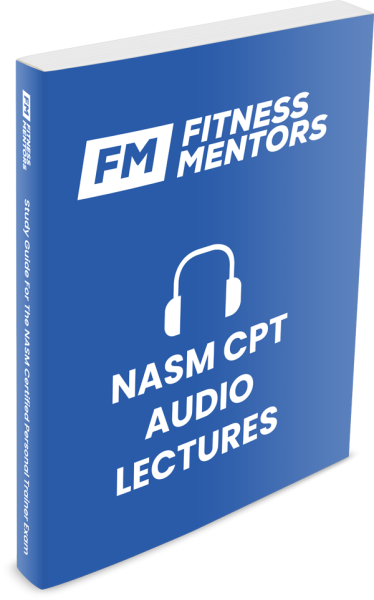
Audio Lectures for NASM CPT Test

CPT Audio Lectures 1
Fitness-Mentors-Template-Softcover-NASM-Audio-Lectures

Available for the 4th, 5th and 6th Editions of the NASM Textbook

Every person retains information in different ways and we want to help those that prefer to listen and learn.

NASM CPT Audio Lectures Plus Package

$299

$385

Extra 25% OFF
With “WOW25” at checkout!
Discounts Claimed
0%

(All products are accessible immediately after purchase)

View All NASM CPT Study Bundles

  • Audio Lectures
  • Study Guide
  • Practice Tests
  • PowerPoint Presentations
  • PowerPoint Lectures
  • Study Guide Answers
  • Final Exam Review
  • Pass Guarantee
  • PRO

  • $499Online Course for the
    NASM CPT Exam

  • PLUS

  • $299

    Audio Lectures,
    Practice Tests and
    Study Guide Combo

  • STANDARD

  • $269

    Audio Lectures and
    Practice Tests Combo

  • BASIC

  • $249

    Audio Lectures and
    Study Guide Combo

View All NASM CPT Study Bundles

WANT A PASS GUARANTEE?
Fitness Mentors Online Course for the NASM CPT provides you 7 different Study Materials for the NASM CPT along with a PASS GUARANTEE. You receive Power Points, Power Point Lectures, the Audio Lectures, Study Guide, Answers to the Study Guide, our Practice Tests including a Quiz per chapter and three 120 question final exams and a Final Exam Review. Check out more information here or click here to view a sample lesson.
BEST SELLING PACKAGE
Enjoy the the confidence of a lifetime with three of our best resources including the Study Guide, Audio Lectures and Practice Tests. These three together make you feel like you are in a classroom environment with lectures, homework and quizzes to ensure you are optimally retaining the information to pass your exam.
Listen to our Audio Lectures and the quiz yourself to success with our Audio Lectures and Practice Tests Combo. Our Practice Tests come with a quiz for every chapter and three 120 question practice final exams to make sure you understand how questions will look on the exam.
Double-Up your confidence with our Study Guide for the NASM CPT Exam in conjunction with with the Audio Lectures. This will give you an extreme edge when you take the NASM CPT Exam.
Our Audio Lectures only package to help you pass the NASM-CPT exam.

Payment Plan

Want to breakup your payments on our Pro Package? Take a look at our payment plans below. 

Don't Take Our Word For It

Our students have a 99% pass rate when using our study materials

"I wish I had found the audio lectures sooner. They really make the certification feel like a class rather than a hard and lonely process!"
Abigail
NASM CPT AUDIO LECTURES PLUS
"I’m so happy I found your audio guide and study guides. It has helped me to understand the NASM CPT chapters as I’m listening while reading."
Niki
NASM CPT ONLINE COURSE PRO

FAQ's

After creating your username and password and submitting payment, you will be granted immediate access through our learning portal. This secure access will allow you to stream the lectures from any device anywhere in the world.

The Audio Lectures go over each individual chapter and range from 30 minutes to 3 hours per lecture. In total there are about 30-40 hours of lectures.

Yes. The Audio Lectures has been updated to reflect the changes of the new textbook and exam. The current version of the textbook is NASM EPFT 6th Edition. Upon email request you will also be granted access to all the 5th Edition Textbook lectures free of charge.

 
"The perfect NASM test prep! I took my NASM exam last week and passed on the first try! I came from a completely different industry, my career was abruptly ended earlier this year due to Covid, and learning all that NASM had to offer was very overwhelming. Your audio lectures were a LIFE SAVER. I needed someone to go through the book, explain things, and give me an idea of what was important to know and understand for the exam. Your audio lectures did just that and I could not have passed without them! Thank you again for offering such a great option."
Mindy Berns Shafer
NASM CPT AUDIO LECTURES PLUS

NASM PES Exam Study Guide

Study Guide for the NASM Performance Enhancement Specialist Exam

Make your studying more efficient with the best educational materials for the NASM PES Exam

cross 1
circles@2x 1
cross 1

This Fitness Mentors NASM PES Study Guide highlights information that is crucial to passing the NASM-PES Exam. With so many topics that can make it on the test, trust us to guide you to the information that will lead to your success.

In our Study Guide (sample below), we will give you all the test-specific topics via research style questions. This helps you read the sections of the book pertinent to passing the exam.

Need a further description? Call us as we are always available to answer any questions. (424) 675-0476

circles@2x 1
zig zag@2x

Choose Your PES Study Guide Package

(All materials are accessible immediately after purchase)

Study Guide For The

NASM PES EXAM

Study Guide for the NASM PES Exam

$49

Purchase

study guide for the

CES, FNS & PES EXAM

Audio lectures for the NASM CES, FNS & PES Exam

$269

Purchase

Check out a sample below:

I just passed my NASM CPT exam and owe it all to Fitness Mentors. With so much information to cover and study, overwhelmed would be a major understatement to what I was experiencing at the beginning of my journey. Thanks to the audio lectures, practice quizzes and tests, I was able to focus on the most relevant information. I am beyond thankful to Eddie and the Fitness Mentors team in providing this service to aspiring fitness professional. I cannot recommend enough!
Elbert
NASM CPT
Fitness Mentors is the best! I could not have passed the NASM Personal Trainer Certification without it. Listening to the content as read by an actual fitness professional was the best choice I could have made. Thanks for everything!
John D.
NASM CPT

SOME PLACES YOU'LL FIND OUR GRADUATES

24hrFitness
BallyTotalFitness
RetroFitness
CrunchFitness
Equinox
AnytimeFitness

Free NASM Study Guide – Completed NASM CPT for 2026

circles@2x 1
cross 1

Free NASM CPT Study Guide

Welcome to Fitness Mentors Free Resources page for the Certified Personal Trainer Test. Our goal is to assist you in passing your CPT. Below is some great information to help you study, and if you need further assistance please don’t hesitate to contact us. Happy Studying!

Get Free NASM Test questions, study materials and bonus tips:

TEXT “NASM Questions” to 31996.

Check out the below video for 5 Secrets for Passing Your NASM CPT.
Bonus: Download your free 5-secrets PDF guide below!

FitnessMentorsVideo 1 1
×
5 Secrets to Passing Your NASM CPT Exam

Sign Up Below to Receive

5 SECRETS to Passing Your NASM-CPT Exam

Previous Study Guides

6th Edition Study Guide

Free Study Guide for the NASM CPT Exam Chapter 1 – The Scientific Rationale for Integrated Training

Free Study Guide for the NASM CPT Exam Chapter 2 – Basic Exercise Science

Free Study Guide for the NASM CPT Exam Chapter 3 – The Cardiorespiratory System

Free Study Guide for the NASM CPT Exam Chapter 4 – Exercise Metabolism and Bioenergetics

Free Study Guide for the NASM CPT Exam Chapter 5 – Human Movement Science

Free Study Guide for the NASM CPT Exam Chapter 6 – Fitness Assessment

Free Study Guide for the NASM CPT Exam Chapter 7 – Flexibility Training Concepts

Free Study Guide for the NASM CPT Exam Chapter 8 – Cardiorespiratory Fitness Training

Free Study Guide for the NASM CPT Exam Chapter 9 – Core Training Concepts

Free Study Guide for the NASM CPT Exam Chapter 10 – Balance Training Concepts

Free Study Guide for the NASM CPT Exam Chapter 11 – Plyometric Training Concepts

Free Study Guide for the NASM CPT Exam Chapter 12 – Speed, Agility and Quickness Training

Free Study Guide for the NASM CPT Exam Chapter 13 – Assessments, Training Concepts, and Program Design

Free Study Guide for the NASM CPT Exam Chapter 14 – Integrated Program Design and the OPT Model

Free Study Guide for the NASM CPT Exam Chapter 15 – Introduction to Exercise Modalities

Free Study Guide for the NASM CPT Exam Chapter 16 – Chronic Health Conditions and Physical or Functional Limitations

Free Study Guide for the NASM CPT Exam Chapter 17 – Nutrition

Free Study Guide for the NASM CPT Exam Chapter 18 – Supplementation

Free Study Guide for the NASM CPT Exam Chapter 19 – Lifestyle Modification and Behavioral Coaching

Free Study Guide for the NASM CPT Exam Chapter 20 – Developing a Successful Personal Training Business

Free Download: Free Study Guide for the NASM CPT PDF

CHECK OUT THE SAMPLES OF OUR PRACTICE TESTS, AUDIO LECTURES AND STUDY GUIDE FOR THE NASM CPT EXAM.
Need More Help? Check out the definitive Fitness Mentors Study Guide for the NASM CPT 6 Exam, or call us! (424) 675-0476 or Email Eddie@FitnessMentors.com

5th Edition Study Guide

Free Study Guide for the NASM CPT Exam Chapter 1 – Introduction to the Fitness Profession

Free Study Guide for the NASM CPT Exam Chapter 2 – Career Directions in Sport, Health, and Fitness

Free Study Guide for the NASM CPT Exam Chapter 3 – Disciplines of Functional Biomechanics

Free Study Guide for the NASM CPT Exam Chapter 4 – The Human Movement System in Fitness

Free Study Guide for the NASM CPT Exam Chapter 5 – Client-Based Nutrition Sciences

Free Study Guide for the NASM CPT Exam Chapter 6 – Concepts of Integrated Training

Free Study Guide for the NASM CPT Exam Chapter 7 – Navigating the Professional Fitness Environment

Free Study Guide for the NASM CPT Exam Chapter 8 – Client Acquisition and Consultations

Free Study Guide for the NASM CPT Exam Chapter 9 – Executing Formal Fitness Assessments

Free Study Guide for the NASM CPT Exam Chapter 10 – Initializing Program Design

Free Study Guide for the NASM CPT Exam Chapter 11 – The Optimum Performance Training Model: Applying Stabilization

Free Study Guide for the NASM CPT Exam Chapter 12 – The Optimum Performance Training Model: Applying Strength

Free Study Guide for the NASM CPT Exam Chapter 13 – The Optimum Performance Training Model: Applying Power

Free Study Guide for the NASM CPT Exam Chapter 14 – The Optimum Performance Training Model: Every Day

Free Study Guide for the NASM CPT Exam Chapter 15 – Exercise Technique

Free Study Guide for the NASM CPT Exam Chapter 16 – Behavior Change Strategies for Client Results

Free Download: Free Study Guide for the NASM CPT PDF

ALSO, CHECK OUT FREE SAMPLES OF OUR PRACTICE TESTS, AUDIO LECTURES AND STUDY GUIDE FOR THE NASM CPT EXAM.

IF YOU WANT TO WORK AS AN ONLINE COACH, OR BUILD YOUR OWN CAREER AS A TRAINER, SEE IF FITNESS MENTORS IS THE RIGHT FIT.

Need More Help? 

Call us! (800)-614-7004 Email: Eddie@FitnessMentors.com

I just passed my NASM CPT exam and owe it all to Fitness Mentors. With so much information to cover and study, overwhelmed would be a major understatement to what I was experiencing at the beginning of my journey. Thanks to the audio lectures, practice quizzes and tests, I was able to focus on the most relevant information. I am beyond thankful to Eddie and the Fitness Mentors team in providing this service to aspiring fitness professional. I cannot recommend enough!
Elbert
NASM CPT
Fitness Mentors is the best! I could not have passed the NASM Personal Trainer Certification without it. Listening to the content as read by an actual fitness professional was the best choice I could have made. Thanks for everything!
John D.
NASM CPT
path 6@2x
path-6-1.png

SOME PLACES YOU'LL FIND OUR GRADUATES

24hrFitness
BallyTotalFitness
RetroFitness
CrunchFitness
Equinox
AnytimeFitness

NASM Online Course- Prep for Your NASM CPT Exam

Fitness-Mentors-Online-Course

Combining all of our best study materials, Fitness Mentors Online Course for the NASM CPT exam guarantees your success!

NASM CPT Online Course Pro Package

$499

$620

Extra 25% OFF
With “WOW25” at checkout!
Discounts Claimed
0%

(All products are accessible immediately after purchase)

Compare All NASM CPT Study Bundles

Compare the Online Course to our other Study Materials

  • Audio Lectures
  • Study Guide
  • Practice Tests
  • PowerPoint Presentations
  • PowerPoint Lectures
  • Study Guide Answers
  • Final Exam Review
  • Pass Guarantee
  • PRO

  • $499Online Course for the
    NASM CPT Exam

  • PLUS

  • $299

    Audio Lectures,
    Practice Tests and
    Study Guide Combo

  • STANDARD

  • $269

    Audio Lectures and
    Practice Tests Combo

  • BASIC

  • $249

    Audio Lectures and
    Study Guide Combo

View All NASM CPT Study Bundles

WANT A PASS GUARANTEE?

Fitness Mentors Online Course for the NASM CPT provides you 7 different Study Materials for the NASM CPT along with a PASS GUARANTEE. You receive Power Points, Power Point Lectures, the Audio Lectures, Study Guide, Answers to the Study Guide, our Practice Tests including a Quiz per chapter and three 120 question final exams and a Final Exam Review. Check out more information here or click here to view a sample lesson.

Enjoy the the confidence of a lifetime with three of our best resources including the Study Guide, Audio Lectures and Practice Tests. These three together make you feel like you are in a classroom environment with lectures, homework and quizzes to ensure you are retaining the correct information to pass your exam.

Prefer to put your knowledge to the test? Understand the topics with our study guide and practice your test taking ability with over 500+ Exam Questions broken up into a quiz for each chapter and three 120 question practice final exams.

If you want to double-up your confidence, our study guide in conjunction with our Chapter by Chapter Audio Lectures, will give you an extreme edge when walking into the exam room. Sit back and let the lecturer take you page by page through every chapter and explain each topic in an easy to understand way.

Our Study Guide only package to help you pass the NASM-CPT exam. (Check out a sample below)

Payment Plan

Want to breakup your payments for the Pro Package? Take a look at our payment plans below.

And it all comes with your Fitness Mentors Online Course for the NASM-CPT Exam

Don't Take Our Word For It

Our students have a 99% pass rate when using our study materials

"I took the NASM CPT Online Course during a college semester. Logging onto Fitness Mentors and taking the Online Course made me feel like I was in a classroom setting. They have a great way of explaining confusing concepts and really emphasize what is going to be on the exam."
Thalia Mullings
NASM CPT ONLINE COURSE PRO
"The NASM CPT Online Course is great refresher of the basics combined with next level information you need to understand the why’s and how’s of corrective exercise. The cherry on top was bringing it all together with the programming map and resource guide of exercises."
Samantha
NASM CPT ONLINE COURSE PRO

FAQ's

The Free Study Guide is an overview of the entire book and covers all subjects. The Premium Study Guide focuses on the subjects that are most important to passing the NASM CPT Exam. When you focus on the right topics, your chance for passing improves dramatically.

After creating your username and password and submitting payment, you will be able to view and download the study guide immediately through our learning portal.

11 Pages. In order to cater to the most important test specific topics we weeded out all of the unnecessary information leaving you with a spot-on study process.


Yes! With over 3,000 and counting study guides sold, we have had less than 28 failed attempts. These were mainly due to not completing the guide in its entirety.


Testing Anxiety is very common and can definitely be tough, but if you go in knowing you studied the right information and are confident in what you studied, it can really lessen the impact.


Lead by the most successful NASM Professor with over 7 years teaching in the college system, this guide was created by analyzing the study input in comparison to the testing success, of over 3000 NASM CPT Test-takers. Critique is then given by each student to create an ever adapting product that nearly guarantees your success.

Yes. The Study Guide has been updated to reflect the changes of the new textbook and exam. The current version of the textbook is NASM EPFT 6th Edition. We also have and can send the study guide for the 7th edition. 5th and 6th Edition available.

"I just passed my NASM CPT exam and owe it all to Fitness Mentors. With so much information to cover and study, overwhelmed would be a major understatement to what I was experiencing at the beginning of my journey. Thanks to the audio lectures, practice quizzes and tests, I was able to focus on the most relevant information. I am beyond thankful to Eddie and the Fitness Mentors team in providing this service to aspiring fitness professional. I cannot recommend enough!"
Elbert
NASM CPT

NASM FNS Study Guide

Audio Lectures and Study Guide for the NASM FNS Exam

Make your studying more efficient with the best educational materials for the NASM Fitness Nutrition Specialist Exam

cross 1
circles@2x 1
cross 1

This Fitness Mentors Study Guide and Audio Lectures for the NASM Fitness Nutrition Specialist Exam highlight information that is crucial to passing the NASM-FNS Exam. With so many topics that can make it on the test, trust us to guide you to the information that will lead to your success.

In our Study Guide (sample below), we will give you all the test-specific topics via research style questions. This helps you read the sections of the book pertinent to passing the exam.

Our Audio Lectures (sample below) will help you to understand the information by discussing all the important topics, page by page, in a lecture setting. They also teach you how to apply the information you are learning to provide a safe and effective nutritional strategy for your clients.

Together, these items will take you through exactly what you need to know to pass exam and become a Fitness Nutrition Specialist.

Need a further description? Call us and we will are always available to answer any questions. (424) 675-0476

circles@2x 1
zig zag@2x

Choose From 3 Study Packages

(All materials are accessible immediately after purchase)

Study Guide For The

NASM FNS EXAM

Study Guide for the NASM FNS Exam

$49

Purchase

audio lectures for the

NASM FNS EXAM

Audio lectures for the NASM FNS Exam

$69

Purchase

Audio Lectures and Study Guide for the

NASM FNS EXAM

Study Guide for the NASM FNS Exam

$99

Purchase

Check out a Sample of our Ch 1 Audio Lecture for the NASM FNS.

Check out a sample of the Study Guide for the NASM FNS below:

I just passed my NASM CPT exam and owe it all to Fitness Mentors. With so much information to cover and study, overwhelmed would be a major understatement to what I was experiencing at the beginning of my journey. Thanks to the audio lectures, practice quizzes and tests, I was able to focus on the most relevant information. I am beyond thankful to Eddie and the Fitness Mentors team in providing this service to aspiring fitness professional. I cannot recommend enough!
Elbert
NASM CPT
Fitness Mentors is the best! I could not have passed the NASM Personal Trainer Certification without it. Listening to the content as read by an actual fitness professional was the best choice I could have made. Thanks for everything!
John D.
NASM CPT

SOME PLACES YOU'LL FIND OUR GRADUATES

24hrFitness
BallyTotalFitness
RetroFitness
CrunchFitness
Equinox
AnytimeFitness

5 Secrets to Passing Your NASM-CPT Exam

5 Secrets to Passing your NASM Certified Personal Trainer Exam

Preparing for the NASM Certified Personal Trainer (CPT) exam can feel overwhelming, especially with hundreds of pages of material and no clear indication of what will actually appear on test day. The good news is that some topics carry significantly more weight than others, and focusing your study time on those high-value concepts can dramatically improve your chances of passing on your first attempt. In this guide, we’ll cover the most heavily tested NASM exam topics, explain where to prioritize your efforts, and share practical study tips that can help you earn valuable points when it matters most.

Master Postural Imbalances and the Overhead Squat Assessment – This Alone Could Be Worth 10+ Questions

This is not optional. The Overhead Squat Assessment (OHSA) is one of the most heavily tested concepts on the entire NASM exam, and if you walk in without a rock-solid understanding of it, you are leaving points on the table. Drill the three major Postural Distortion Patterns until they are second nature: Upper Crossed Syndrome, Lower Crossed Syndrome, and Pronation Distortion Syndrome. For each one, you need to know exactly which muscles are overactive (tight, facilitated) and which are underactive (weak, inhibited). Don’t just memorize the names – visualize the movement compensations. If someone’s knees cave inward during a squat, what does that tell you? Know it’s cold. This topic alone can be the difference between passing and retaking.

Know Your Stages of Training – 8+ Questions Depend on It

The NASM OPT Model is the backbone of everything, and the exam will absolutely test whether you can match exercises to the correct training stage: Stabilization, Strength, or Power. You need to be able to look at any exercise and immediately know where it lives in the model. Here’s a simple rule that will save you on multiple questions: if the exercise involves a stability ball, it belongs in the Stabilization stage – full stop. Build out from there. Go through every exercise in your textbook and categorize it. A flashcard maker can help you organize key concepts into study cards and quiz yourself relentlessly. With 8 or more questions tied directly to this concept, there is no reason to give those points away.

Don’t Lose Sleep Over Muscle Actions – But Know Your Gastrocnemius

Here’s a truth most NASM candidates don’t hear until it’s too late: muscle actions only account for roughly 2 questions on the exam. Yes, understanding which muscles perform which joint movements is critical for your career as a trainer – but for the purposes of passing this test, it is not where your precious study hours should go. Redirect that time toward the muscle imbalance chart, which carries far more weight on the exam. That said – and pay attention here – make sure you know what the gastrocnemius does. Trust the wink on that one.

Don’t Let the Science Chapters Swallow Your Study Time

The Nervous System. The Muscular and Skeletal Systems. The Endocrine System. The Cardiorespiratory System. The Digestive System. These chapters are dense, intimidating, and packed with scientific detail that can make even the most motivated candidate feel overwhelmed. Here’s the reality check you need: combined, these chapters account for only 3.2% of exam questions. That’s it. Get a general working understanding so you’re not completely lost if one pops up, but do not let these chapters consume your study schedule. Your time is better spent on assessment, program design, and the OPT model – areas that will show up again and again on test day.

Nail the Acute Variables – They Show Up Everywhere

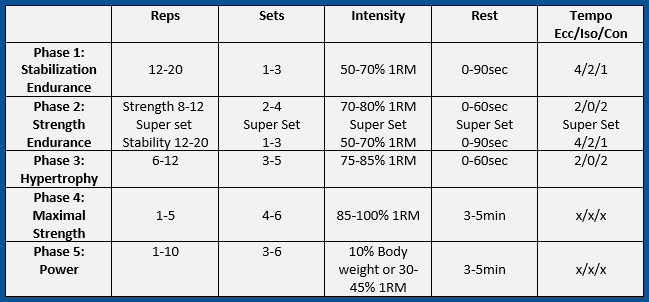
If there is one concept that quietly threads its way through almost every section of the NASM exam, it is the acute variables of training. Sets, reps, intensity, tempo, rest intervals, training frequency – these are not just background details. They are the engine behind the entire OPT Model, and the exam will test you on them repeatedly and in ways you might not expect.

Here is what most candidates get wrong: they memorize the numbers without understanding the why behind them. Don’t make that mistake. When you know that a Stabilization Endurance phase calls for 1–3 sets of 12–20 reps at a slow tempo with short rest periods, you should also understand that this is designed to improve neuromuscular efficiency and joint stability – not just maximize load. That context is what helps you answer application-based questions when the exam tries to trick you with a scenario.

Go through each phase of the OPT Model – Stabilization Endurance, Strength Endurance, Hypertrophy, Maximal Strength, and Power – and lock in the acute variables for each one. Build a comparison chart if you have to. Know what changes between phases and, more importantly, know why those changes are made. The exam loves to give you a client scenario and ask you to select the appropriate program design – and if your acute variables are sharp, those questions become some of the easiest points you will earn all day.

Screen-Shot-2021-05-06-at-2.37.24-PM

Free NASM Practice Test

The Fitness Mentors NASM CPT Study Course

Completely FREE for a limited time.

$6 Dollar Mentorship Banner 1

Free NASM CPT Practice Test 2026

Think you’re prepared for the NASM-CPT exam? A practice test is one of the most effective ways to measure your readiness before the real thing. This free NASM CPT practice exam is designed to give you a clear picture of your strengths, highlight areas that may need more review, and boost your confidence as you approach test day. By working through realistic NASM exam questions, you’ll know whether you’re truly ready to earn your personal trainer certification, or if a bit more study will put you in the best position to succeed.

Take your next step. If you have not yet purchased your NASM CPT Exam Package, click here for 30% off. 

Try a free NASM Practice Test Now!

BONUS: If you’d like to gain access to three 120 question practice NASM CPT Exams for free Enroll in our Free NASM CPT Course below.  

Free NASM CPT Study Course

FREE

NASM CPT Study Mentorship:

$19.99/mo

Rated 5 out of 5

June 23

Rated 5 out of 5

April 19

Rated 5 out of 5

February 27

Rated 5 out of 5

January 31

circles@2x 1
path-6-1.png

SOME PLACES YOU'LL FIND OUR GRADUATES

24hrFitness
BallyTotalFitness
RetroFitness
CrunchFitness
Equinox
AnytimeFitness

Free Study Guide for the NASM CPT Exam Chapter 14 – The Optimum Performance Training Model: Every Day

Chapter 14 – The Optimum Performance Training Model: Every Day

Be familiar with all the different types of modalities that are used as a Personal Trainer.

  • Machines
    • Less intimidating to a beginner client
    • Does not require a spotter
    • Extra support to special-needs clients
    • Different weight and intensity provided
  • Free Weights
    • Challenges core stabilization
    • Used by a variety of populations for different performance goals
    • Being able to perform multi-joint movements
    • Improves postural stability
    • Proper exercise technique is required
  • Bands and Rubber Tubing
    • inexpensive alternative to training with resistance
    • multiple planes of motion
    • Variety of color, thickness and shape
    • Greater range of motion (ROM)
  • Medicine Balls
    • Come in different color and weight
    • Use to increase endurance, muscular strength, endurance, power
    • Dynamic Power Benefits
    • Use many different planes of motion, movement and intensity
  • Kettle Bell
    • Helps with coordination and balance
    • Core stability
    • Helps improve grip strength
    • Proper exercise technique is required
  • Body Weight Training
    • Uses own weight as a resistance
    • Proper exercise form is required
    • Does not require any equipment
    • Train in all planes of motion
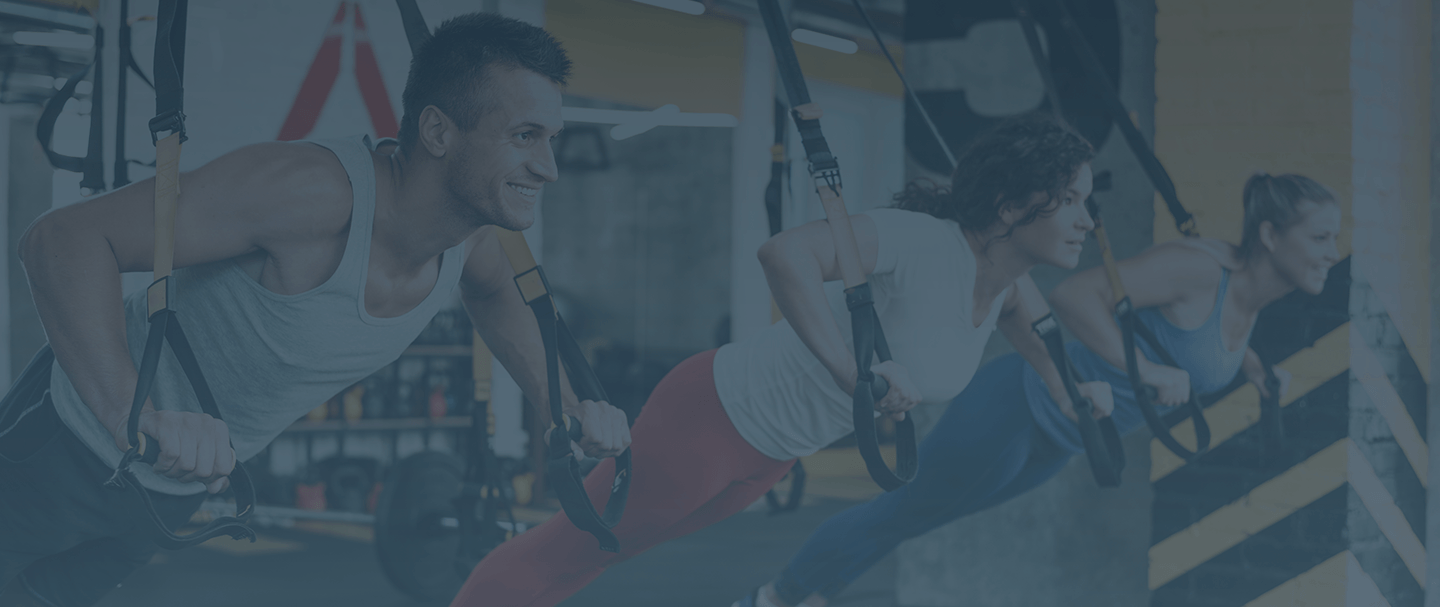
  • TRX suspension training
    • Helps modify exercises for clients with special needs
    • Intensify muscle activation
    • Proper exercise technique is required

Populations with Special Considerations

Age Considerations

  • Children and adolescents should get 1 hour or more of physical activity daily.

Physiologic Differences between Children and Adults

  • Children do not exhibit plateau in oxygen uptake, peak oxygen uptake is more appropriate.
  • Children less efficient, tend to exercise at higher percentage of peak oxygen uptake during submaximal exercise.
  • Do not produce sufficient levels of glycolytic enzymes to sustain bouts of high-intensity exercise.

Resistance Training for Youth

  • 1-2 sets of 8-12 reps at 40-70% of 1 RM 2-3 days per week
  • Resistance training is both safe and effective in children and adolescents.
  • Untrained children can improve strength by 30 to 40% in 8 weeks.

Seniors

  • 1-3 sets of 8-20 reps at 40-80 % of 1 RM 3-5 days/week
  • Older adults with and without other chronic health conditions can and do respond to exercise much in the same manner as apparently healthy younger adults.
  • Walking is one of most fundamental functional activities affected with degenerative aging.
  • Musculoskeletal loss not entirely related to aging.
  • Progression should be slow, well monitored, based on postural control. Exercises should be progressed if possible toward free sitting or standing. If client cannot tolerate SMR perform slow rhythmic active or dynamic stretches.

Obesity

  • 1-3 sets of 10-15 reps 2-3 days/wk
  • Flexibility exercises should be performed from standing or seated position, using standing hip flexor stretch rather than kneeling hip flexor stretch, standing hamstring stretch, wall calf stretch.
  • Core and balance training important for obese individuals.
  • May find it difficult to use machines, xenical without prescriptions dumbbells, cables, exercise tubing work quite well.

Diabetes

  • 1-3 sets of 10-15 reps 2-3 days/wk
  • Most important goal is glucose control. Exercise improves insulin sensitivity. Positive effect on prevention of type 2 diabetes.
  • Take care to prevent blisters and foot micro-trauma that could result in foot infection.
  • Daily exercise recommended. Flexibility exercises recommended.
  • Follow exercise guideline for obese adults. Lower impact exercise modalities.

Hypertension

  • 1-3 sets of 10-20 reps 2-3 days/wk
  • Important to monitor body position of clients with hypertension at all times. Body position can have dramatic effect on blood pressure response before, during, and after exercise in clients with hypertension.
  • Avoid heavy lifting and valsalva maneuvers. Do not let client over-grip weights or clench fists. Modify tempo to avoid extended isometric and concentric muscle action. Perform exercises in standing or seated position. Allow client to stand up slowly to avoid possible dizziness. Progress client slowly.

Coronary Heart Disease

  • 1-3 sets of 10-20 reps 2-3 days/wk
  • Monitor pulse to stay below safe upper limit of exercise.
  • Clients may have other diseases to consider as well, such as diabetes, hypertension, peripheral vascular disease, or obesity
  • Modify tempo to avoid extended isometric and concentric muscle action
  • Avoid heavy lifting and Valsalva maneuvers
  • Do not let client over-grip weights
  • Perform exercises in standing or seated position

Osteoperosis

  • 1-3 sets of 8-20 reps <85% of 1 RM 2-3 days/wk
  • Progress should be slow, well monitored, based on postural control
  • Exercises should be progressed if possible toward free sitting(no support) or standing
  • Focus exercises on hips, thighs, back, and arms
  • Avoid excessive spinal loading on squat and leg press

Arthritis

  • 1-3 sets of 10-12 reps 2-3 days/wk
  • Avoid heavy lifting and high reps
  • Stay in pain-free ranges of motion
  • May be need to start out only with 5 mins of exercise and progressively increase

Cancer

  • 1-3 sets of 10-15 reps 2-3 days/wk
  • Avoid heavy lifting in initial stages of training
  • Allow for adequate rest intervals and progress client slowly
  • Only use SMR if tolerated, avoid SMR for clients undergoing chemo or radiation

Exercise and Pregnancy

  • 1-3 sets of 10-15 reps 2-3 days/wk
  • Avoid exercises in prone or supine position after 12 weeks
  • Avoid SMR on varicose veins and areas of swelling
  • Plyometric training not advised in second and third trimesters

Chronic Lung Disease

  • 12-15 reps 2-3 days/wk
  • Allow for sufficient rest between sets

Intermittent Claudication/Peripheral Arterial Disease

  • 1 set of 8-15 reps 2-3 days/wk
  • Allow for sufficient rest
  • Progress slowly
  • Treadmill walking preferred.
  • Primary limiting factor is leg pain.

Free Study Guide for the NASM CPT Exam Chapter 13 – The Optimum Performance Training Model: Applying Power

Free Study Guide for the NASM CPT Exam Chapter 13 – The Optimum Performance Training Model: Applying Power

Compare to – Cardiorespiratory Training Zones

They are three different training zones for cardiorespiratory training programs. In these training zones you have three different heart rate zones as well.  Each stage helps to build a strong cardiorespiratory.

Zone Three

  • High Intensity Training
  • Sprints, Maximal effort cardio
  • Max Heart Rate Zone 3 86% to 95%

Compare to – Dynamic Stretching Summary

Moving the body through a full range of motion during Dynamic Stretching uses reciprocal inhibition to increase the achievable ROM of the joint. Note the examples of this type of stretching and use it before performing a power level workout.

Functional Flexibility: this type of training is commonly used in the power level of the OPT model. It has a high demand on the neuromuscular and soft tissue extensibility. Move the joint through a full rand of motion while performing dynamic exercises like a lunge to side bend.

Self-myofascial release and dynamic stretching promote this type of flexibility training.

Mechanoreceptors: The Golgi Tendon Organ and the Muscle spindles are the most important mechanoreceptors to know. GTO responds to muscular tension while the Muscle Spindle responds to the length of a muscle. Think of the Muscle Spindle as what delivers the stretching sensation to your brain.

Compare to – Core training program design

Power exercises include throwing stuff. 8-12 reps, 2-3 sets, xxx tempo, 0-60sec rest

Compare with Balance training program design

Progressing someone based on the stages of the OPT Model is important to understand. Know the difference between each phase as far as exercise selection.

Power: Exercises involve a hop of the planted leg (Single leg box jump) with 8-12 reps at a moderate tempo with 0-1 min rest.

Compare with – Plyometric training program design

Power: Exercises involve quickly repeating the movement as fast as possible (Power step up) with 8-12 reps, xxx tempo and 0-60sec rest.

Compare with SAQ Program Design

Power exercises incorporate all planes of motion with maximal effort using 3-5 sets of 3-5 reps and 0-90 sec rest.

Adaptations for Resistance Training

Power encourages the generation of the greatest force in the shortest time which can lead to an increase in projectile velocity.

Compare with Power Training 

This is Phase Five in the OPT Model


Reps:                    1-10

Sets:                     3-6

Tempo:                X/X/X

Rest:                     3-5 min

Intensity:             10% BW

Frequency:          2-4 times out of the week

Duration:             4 weeks

Tempo for core: x/x/x

Free Study Guide for the NASM CPT Exam Chapter 8 – Client Acquisition and Consultations

Free Study Guide for the NASM CPT Exam Chapter 8 – Client Acquisition and Consultations

Compare to Subjective vs. Objective information

Gathering information is very important before starting any kind of workout program with a client. You want to know about their current and past state of health. Ask questions and note their answers to determine subjective information and perform assessments to determine objective information.

Subjective Information

  • General Medical History
  • Occupation
  • Lifestyle (Hobbies, Diet, etc.)
  • Personal Information

Objective Information

  • Body Analysis
  • Blood Pressure
  • Performance Assessments
  • Postural Assessments
  • Cardiorespiratory Assessments

Referenced from: Sports Medicine Essentials, 3rd ed. by Glover


Compare with Sample Physical Activity Readiness Questionnaire

The physical activity readiness questionnaire also known as the PAR-Q is design to get the clients to answer specific health history questions. It will also give you the information needed for you to determine the possible risk of exercising with the client. If a client answers yes to any of the 7 questions on this form, they must acquire a doctors written permission to begin exercising with you.

Check out a PAR-Q here: http://sportsmedicine.about.com/od/fitnessevalandassessment/qt/PAR-Q.htm


Compare with Sample Questions: client occupation

Occupational questions are asked to determine the amount of influence someone’s job has on their posture.

  • Sitting causes tightness in the hip flexors and rounding of the upper back.
  • High heels cause tightness in the calf musculature.
  • Repetitive movements refers to the shoulder impingement caused by doing physical work over head. (Construction, electrician, volleyball player)
  • Stress may cause shortening of the scalenes and upper trapezius creating upper crossed syndrome.


Compare with Sample Questions: client lifestyle

Lifestyle questions give the trainer a chance to note what interests the client has in their everyday life. Recreational activities and active hobbies can be included in their cardiorespiratory training program.


Compare with Sample Questions: client medical history

Medical history allows the trainer to gauge the risk of any health related issues the client may be dealing with.

Pain should be noted and an exercise program should account for that pain.

Surgeries may limit range of motion or cause joint instability.

Chronic disease may need to be accounted for with all exercises.

Medications may affect exercise variables such as intensity.


Common Medications

Below shows how common medications effect blood pressure and heart rate as well as show you the basic functions of the medications. It is reminded that as a personal trainer this is not our job to educate the client on any usage and effects of these prescribed medications.

Common Medication you will come across with potential clients are:

Antidepressants, Beta-Blockers, Calcium-channel blockers, Digitalis, Thyroid Medication, Nitrates, Diuretics, Bronchodilators, Vasodilators

Learn More Here: http://www.exrx.net/ExInfo/Medications.html


Heart Rate and Blood Pressure Assessments

Heart Rate can be recorded on the thumb-side of the wrist xenical online cheap orlistat (radial pulse; preferred) or on the neck (carotid pulse, use with caution).

Blood pressure is measured using an aneroid sphygmomanometer which consists of an inflatable cuff, a pressure dial, a bulb with a valve and a stethoscope. It is highly recommended that anyone including personal trainers take a professional course in blood pressure assessment before assessing blood pressure with any clients.

See examples of all assessments here: http://www.exrx.net/Testing.html

Target Heart Rate Training Zones & Max Heart Rate Formula

220 – age = Predicted max heart rate. Multiply by the suggested HR training zone of anywhere from 65-95% of Predicted HR max.

Training Zone One = Builds aerobic base and aids in recover

Training Zone Two = Builds aerobic endurance

Training Zone Three = Builds high end work capacity that is mainly anaerobic.

Reference: http://www.active.com/fitness/articles/calculate-your-training-heart-rate-zones?page=2


Body Composition Assessments 

There are many methods used to estimate one’s body composition.

  • Skin Fold: Measurements are taken at different site on the right side of the body whole person stands straight but relaxed. The width of the skin fold is measured in millimeters with a specially calibrated caliper. The total for each site in marked and it is added up to determine the person overall body composition.
  • Bioelectrical Impedance: Better known as a Body Fat Analysis is a device that measures the strength and speed of the electrical signal sent through the body. It uses this measurement and information such as height, weight and gender to predict how much body fat a person has.
  • Underwater Testing: Is a technique for measuring the mass per unit volume of a living person’s body.

Refer to http://www.exrx.net/Testing/BodyCompSites.html for great skinfold site description.

Circumference Measurements 

Circumference measurements measure the outer surface of the body which includes all tissue. They are some benefits in using the circumference measurement, which included tracking the progress of the clients loss (in inches), can be more comfortable to use on overweight clients, easy to afford, easy to record and not hard to learn the technique or make a mistake on it.

Measurements of the following areas are suggested:

  1. Neck
  2. Chest
  3. Waist
  4. Hips
  5. Forearm
  6. Thighs
  7. Calves
  8. Arms

References: http://www.exrx.net/Testing/Circumferences.html


Body mass index (BMI)

BMI can be used to screen patients because the test is simple, correlates to fatness, and applies to both men and women. The BMI may not apply to some individuals with more than normal muscle mass and acceptable levels of body fat.

< 18.5 underweight
18.5 to 24.9 healthy
25 to 29.9 overweight
 30 to 34.9 Obesity
>35 Severe obesity
>40 Medical Intervention is Recommended

Know the above ranges provided by http://www.exrx.net/Calculators/BMI.html